


Charlotte sits in the humid subtropical zone where your HVAC system works overtime year round. Summer temperatures regularly hit 95 degrees with humidity that makes it feel like 105. Your air conditioner runs constantly from May through September, putting extreme stress on compressors and condenser coils. Winter brings freezing nights that demand reliable heat, and the region's rapid temperature swings force your system to switch between heating and cooling more than most climates.
The red clay soil throughout Mecklenburg County holds moisture against foundation walls, creating humidity problems in crawl spaces and basements that strain dehumidification systems. Pollen counts in Charlotte rank among the highest in the nation, clogging filters and reducing airflow faster than in other cities. The combination of long cooling seasons, high humidity, and heavy particulate loads means Charlotte HVAC systems need more frequent maintenance and typically wear out faster than the national average. Residents in neighborhoods like Dilworth, Myers Park, and NoDa all face these same climate challenges, regardless of home age or construction type.
Keystone HVAC Charlotte built its reputation on one principle: show up fast and fix it right the first time. We serve Charlotte exclusively, which means our technicians know every neighborhood from South End to University City. We understand how the Piedmont climate affects different HVAC systems and which problems happen most often in this region. Our trucks stock parts specifically for the brands and models most common in Charlotte homes, reducing the need for return visits.
Every technician on our team lives in the Charlotte metro area. They are not driving in from out of town or juggling service areas across multiple cities. When you call at 2 AM because your AC died during a heatwave, a local technician who knows Charlotte streets and traffic patterns responds. We average under 90 minutes from call to arrival for emergency service throughout Mecklenburg County.
Our approach focuses on education and transparency. Before we start any repair, we explain what failed, why it failed, and what options you have. We provide upfront pricing with no hidden fees. If your system needs replacement rather than repair, we tell you honestly and explain the cost difference. We never pressure customers into unnecessary upgrades or oversized equipment that wastes energy.
We maintain relationships with local suppliers, which means we can source parts faster than national chains that order from distant warehouses. For Charlotte homeowners, this speed difference can mean the difference between one uncomfortable night and three days without cooling. Our goal is not just fixing your immediate problem but helping you understand your system so you can make informed decisions about maintenance and replacement timing.

We answer phones and dispatch technicians at 3 AM the same as 3 PM. No answering services or callback delays. Real technicians respond to real emergencies throughout Charlotte and surrounding areas, typically arriving in under 90 minutes from your call. Your comfort crisis gets immediate attention.

Our service vehicles carry the parts and equipment needed for most Charlotte HVAC repairs. We stock components for the brands most common in this market, which means we fix your system during the first visit instead of ordering parts and returning days later. Speed matters when temperatures are extreme.
You see the total cost before we start work. We explain what repairs your system needs and provide clear pricing for each option. No surprise charges when the job finishes. No pressure tactics. Just honest assessment and fair pricing for Charlotte homeowners who deserve transparency.
We specialize in the specific challenges Charlotte's humid subtropical climate creates for HVAC systems. Our technicians understand how local humidity affects dehumidification loads, how pollen impacts filtration, and how temperature swings stress equipment. This regional expertise means faster diagnosis and more effective repairs.
Keystone HVAC Charlotte handles every aspect of residential and commercial climate control. We repair all major brands of air conditioning systems, furnaces, heat pumps, and ductless mini splits. Our service range covers emergency breakdowns, planned maintenance, full system replacements, and indoor air quality improvements. Whether you need a capacitor replaced on a Sunday night or want to upgrade to a high efficiency system, we provide the same quality workmanship and customer service.
We structure our services around how Charlotte homeowners actually use HVAC systems. Emergency repairs get priority dispatch because we understand the health risks of extreme heat or cold. Maintenance services focus on the specific wear patterns created by Charlotte's climate, checking components that fail most often in humid conditions. System replacements include careful load calculations based on your home's specific characteristics and the local climate demands, ensuring you get properly sized equipment that runs efficiently.
System failures happen at the worst times. Your AC quits during a heatwave or your furnace dies on the coldest night of winter. We dispatch technicians immediately for all emergency calls throughout the Charlotte metro area. Our trucks carry diagnostic tools and common parts for fast repairs. We prioritize getting your system running again, then explain any additional repairs you might need later. Emergency service includes nights, weekends, and holidays with the same response time and quality.
When repair costs approach replacement value or your system exceeds its expected lifespan, replacement makes better financial sense. We perform detailed load calculations specific to Charlotte's climate to size equipment correctly for your home. Proper sizing prevents short cycling and reduces energy waste. We install all major brands and efficiency levels, explaining the cost versus benefit of each option. Installation includes permits, ductwork assessment, and testing to ensure your new system performs as designed.
Charlotte's long cooling season and high humidity create maintenance needs different from other climates. Our maintenance plans focus on components that wear fastest in these conditions. We check refrigerant levels, clean condenser coils clogged by pollen, test capacitors stressed by constant runtime, and verify drainage systems handle humidity loads. Regular maintenance catches small problems before they become expensive failures and keeps your system running efficiently through the demanding summer months.
The combination of Charlotte's climate, soil conditions, and air quality creates specific HVAC problems that occur more frequently here than in other regions. Understanding these common issues helps homeowners recognize problems early and avoid costly emergency repairs. The humid subtropical climate means your air conditioner runs longer and works harder than systems in drier or cooler climates. This extended runtime accelerates wear on compressors, fan motors, and contactors.
High pollen counts from the dense tree coverage throughout Charlotte clog filters and coat coils, reducing efficiency and airflow. The red clay soil common in Mecklenburg County retains moisture, creating humidity problems in crawl spaces that strain dehumidification systems. Temperature swings between seasons force your system to switch between heating and cooling modes frequently, stressing components designed for one function. These Charlotte-specific factors explain why certain problems appear repeatedly across different neighborhoods and home types.
When filters clog with Charlotte's heavy pollen or when ductwork leaks, airflow drops below design levels. Low airflow causes evaporator coils to freeze, stopping cooling completely. Ice buildup damages fins and can flood your home when it melts. This problem happens most often in spring when pollen counts peak.
Charlotte's long cooling season means your AC compressor runs thousands of hours each year. Capacitors that start the compressor wear out faster under this constant load. Failed capacitors prevent your system from starting, leaving you without cooling during the hottest weather. We replace capacitors frequently during peak summer months across all Charlotte neighborhoods.
Your AC removes gallons of water from indoor air during Charlotte summers. Condensate drains clog with algae growth in the humid environment, causing overflow that damages ceilings and walls. Drain pans rust through faster in humid conditions. Proper drainage maintenance prevents water damage and keeps your system dehumidifying effectively.
Constant compressor runtime creates vibration that loosens connections over time. High humidity accelerates corrosion on copper refrigerant lines. Small leaks reduce cooling capacity gradually, making you think your system is aging when it actually needs a simple repair. Low refrigerant damages compressors if not caught early.
We built our service process around speed, clarity, and respect for your time and property. From your first phone call to final cleanup, you know exactly what to expect. Our dispatch team answers calls immediately and asks specific questions to help technicians arrive prepared. We provide arrival windows and call ahead when we are on the way.
Technicians arrive in clearly marked vehicles wearing company uniforms and identification. We use floor mats and shoe covers to protect your home. Before starting any diagnostic work, we explain our process and any fees for service calls. Once we identify the problem, we walk you through the issue using plain language instead of technical jargon. You receive written estimates for all recommended repairs before we start work. We never begin repairs without your explicit approval of the costs.
Emergency calls get immediate dispatch to technicians already on the road or at home throughout the Charlotte metro area. We average under 90 minutes from your call to technician arrival for urgent situations. Non-emergency service typically schedules within 24 hours, with morning or afternoon windows that respect your schedule. We call 30 minutes before arrival and notify you immediately if unexpected delays occur.
Your technician explains what they found, why it failed, and what options you have for repair or replacement. We show you the failed components when possible and explain how we diagnosed the problem. Estimates include parts and labor broken out separately so you understand the cost structure. We answer all questions before starting work and remain available by phone after we leave.
We guarantee all repair work for one full year from service date. If the same problem occurs again, we return and fix it at no charge. New equipment installations include manufacturer warranties plus our workmanship guarantee. We test every repair thoroughly before leaving your property and verify your system performs to specifications. Your satisfaction matters more than rushing to the next call.
We streamlined our process to minimize disruption while maximizing results. Most repairs complete in one visit because our technicians arrive prepared with tools, diagnostic equipment, and common parts.
You call, we dispatch a technician immediately. Our team asks questions to understand your problem and sends the right specialist with appropriate equipment. The technician arrives within your scheduled window, assesses your system thoroughly, and identifies the root cause of the problem. We test components, check refrigerant levels, measure airflow, and inspect electrical connections to find exactly what failed and why.
Once we identify the problem, your technician explains the issue and provides written pricing for recommended repairs. You approve the work before we start. We complete repairs using quality parts and proven techniques. Your technician tests the system thoroughly after repairs to verify proper operation and performance. We clean up completely, removing all debris and packaging materials.
Before leaving, we run your system through complete cycles to confirm the repair solved your problem. Your technician explains any maintenance recommendations to prevent future issues. We provide detailed invoices showing work completed and parts installed. You receive warranty information and direct contact details for any follow-up questions. Our office calls within a few days to verify your satisfaction.
Professional HVAC work in Charlotte requires more than basic repair skills. North Carolina mechanical code governs all installation and modification work, requiring permits for system replacements, major repairs, and ductwork changes. Mecklenburg County enforces these codes through inspections that verify refrigerant handling, electrical connections, combustion safety, and load calculations.
Proper refrigerant handling follows EPA Section 608 certification requirements because all common refrigerants harm the environment if released. Technicians must recover existing refrigerant before opening systems, verify leak repairs hold pressure, and charge systems to manufacturer specifications using superheat or subcooling measurements. Charlotte's humidity demands precise refrigerant charge because even small deviations reduce dehumidification performance and waste energy.
Load calculations determine correct system sizing using Manual J methodology developed by the Air Conditioning Contractors of America. These calculations account for Charlotte's 91 degree summer design temperature, local humidity levels, building orientation, insulation values, and window characteristics. Undersized systems cannot maintain comfort during peak loads. Oversized systems short cycle, failing to dehumidify effectively and wasting energy through constant starts and stops.
Ductwork design follows Manual D standards that calculate proper duct sizes based on airflow requirements and available static pressure. Charlotte homes often have ductwork in hot attics or humid crawl spaces where poor insulation wastes energy and creates condensation problems. Professional installations seal all duct joints with mastic, insulate to R-8 minimum, and size return air pathways to prevent pressure imbalances that reduce efficiency and comfort.
Indoor air quality considerations matter more in Charlotte's high pollen environment. Filtration systems need minimum MERV 8 ratings to capture pollen effectively without restricting airflow. Higher MERV ratings require verification that your system's blower can overcome the added resistance. Humidity control becomes critical because Charlotte summers produce indoor humidity above 60 percent without proper dehumidification, creating mold growth conditions and comfort problems.
Mecklenburg County requires permits for all HVAC system replacements, major repairs involving refrigerant lines, and ductwork modifications. Inspectors verify electrical connections meet National Electrical Code, refrigerant handling follows EPA protocols, combustion appliances vent properly, and installations match approved load calculations. Permit costs range from 50 to 150 dollars depending on project scope.
Minimum federal efficiency standards require 14 SEER for air conditioners in North Carolina. Higher efficiency systems cost more upfront but reduce operating costs throughout Charlotte's long cooling season. Proper sizing matters more than efficiency ratings because oversized systems waste energy regardless of SEER rating. Manual J load calculations prevent sizing errors that create comfort and efficiency problems.
Emergency repairs typically complete in two to four hours including diagnosis, part replacement, and testing. System replacements take one to three days depending on complexity, ductwork modifications, and electrical upgrades needed. Permit approval adds two to five business days before installation begins. We schedule replacements during mild weather when possible to minimize discomfort during the transition.
New equipment includes manufacturer warranties covering parts for five to ten years depending on brand and model. Compressors often carry longer warranties than other components. Our installation workmanship carries a one year guarantee covering all labor and materials. Extended warranties and maintenance agreements provide additional protection and priority service scheduling during peak seasons.
This video explains how Charlotte's humid subtropical climate creates specific HVAC challenges including accelerated component wear, drainage problems from high humidity, and frequent capacitor failures. Viewers learn about proper system sizing using Manual J load calculations, North Carolina efficiency requirements, Mecklenburg County permit processes, and maintenance strategies that prevent common failures. The content covers air conditioning repair needs specific to the Charlotte region, refrigerant handling standards, ductwork design considerations for local construction types, and indoor air quality solutions for high pollen environments.
Keystone HVAC Charlotte provides complete heating and cooling services throughout the greater Charlotte metropolitan area. We serve established neighborhoods in central Charlotte including Dilworth, Myers Park, Plaza Midwood, and Elizabeth, where older homes often need ductwork improvements along with system replacements. These historic areas feature homes built before modern efficiency standards, creating unique challenges for proper system sizing and airflow design.
South End and Uptown residents in newer construction condominiums and townhomes need specialists who understand multi-unit HVAC configurations and the warranty requirements that come with HOA-managed properties. We work regularly with property managers throughout these high-density areas where quick response times matter for tenant satisfaction.
The University City area near UNC Charlotte includes a mix of student housing, family homes, and commercial properties. HVAC demands vary significantly across this diverse area, from small apartment units to large family homes that need zoned comfort control. We maintain fast response times to this northeast corridor despite distance from central Charlotte.
NoDa, Villa Heights, and the North Davidson corridor feature renovated mill buildings and updated historic homes where modern HVAC systems must integrate with older architecture. Ductless mini split systems often provide the best solution for these properties where adding traditional ductwork proves impractical or too expensive.
Surrounding communities including Cornelius, Huntersville, Matthews, and Mint Hill all experience the same humid subtropical climate and benefit from our understanding of regional HVAC challenges. Homes near Lake Norman face additional humidity from the large water body, requiring careful attention to dehumidification capacity during system design.
We respond to calls throughout Mecklenburg County from the South Carolina border near Pineville north to the Cabarrus County line. Our technicians know major routes including I-77, I-85, I-485, and Highway 74, allowing quick response during both rush hour and off-peak times. Local knowledge of Charlotte traffic patterns and neighborhood layouts helps us arrive faster than companies dispatching from distant locations.
Whether you live in an established neighborhood near Freedom Park, a growing community in Ballantyne, or anywhere between, Keystone HVAC Charlotte provides the same fast response and quality workmanship. We understand how home age, construction type, and location within the metro area affect HVAC performance and longevity.
The $5000 rule is a quick guideline to decide if you should repair or replace your system. Multiply the repair cost by your unit's age in years. If the total exceeds $5000, replacement makes more financial sense. For example, a $400 repair on a 10-year-old unit equals $4000, so repair it. A $600 repair on a 12-year-old unit equals $7200, so replace it. Charlotte's high humidity and hot summers accelerate wear on aging systems, making this rule particularly useful for homeowners weighing options on older equipment.
Replacing an HVAC system in Charlotte typically ranges from budget-friendly options for smaller homes to premium installations for larger properties with zoning needs. Your final cost depends on system size, efficiency rating, ductwork condition, and whether you need a heat pump or traditional split system. Charlotte's climate demands proper sizing for humidity control. Variables include your home's insulation, square footage, and any duct modifications. Getting multiple quotes from licensed contractors helps you understand market pricing and avoid overpaying for your specific situation.
For a 2000 square-foot home, you need a 3 to 4-ton system based on insulation, ceiling height, and window efficiency. Charlotte's humid summers require proper load calculations, not just square footage estimates. System costs vary based on SEER rating and brand. Higher efficiency units cost more upfront but lower monthly bills. Add installation labor, permits, ductwork modifications, and refrigerant line sets to equipment costs. Your existing ductwork condition and thermostat upgrades also impact the total investment for proper system performance.
The $5000 rule is a quick guideline to decide if you should repair or replace your system. Multiply the repair cost by your unit's age in years. If the total exceeds $5000, replacement makes more financial sense. For example, a $400 repair on a 10-year-old unit equals $4000, so repair it. A $600 repair on a 12-year-old unit equals $7200, so replace it. Charlotte's high humidity and hot summers accelerate wear on aging systems, making this rule particularly useful for homeowners weighing options on older equipment.
Replacing an HVAC system in Charlotte typically ranges from budget-friendly options for smaller homes to premium installations for larger properties with zoning needs. Your final cost depends on system size, efficiency rating, ductwork condition, and whether you need a heat pump or traditional split system. Charlotte's climate demands proper sizing for humidity control. Variables include your home's insulation, square footage, and any duct modifications. Getting multiple quotes from licensed contractors helps you understand market pricing and avoid overpaying for your specific situation.
For a 2000 square-foot home, you need a 3 to 4-ton system based on insulation, ceiling height, and window efficiency. Charlotte's humid summers require proper load calculations, not just square footage estimates. System costs vary based on SEER rating and brand. Higher efficiency units cost more upfront but lower monthly bills. Add installation labor, permits, ductwork modifications, and refrigerant line sets to equipment costs. Your existing ductwork condition and thermostat upgrades also impact the total investment for proper system performance.
The average HVAC job cost depends entirely on scope. Simple repairs like capacitor replacements or refrigerant top-offs cost less than compressor replacements or full system installs. Maintenance visits run lower than emergency service calls. Complete system replacements represent the highest investment. Charlotte homeowners should budget for seasonal tune-ups to prevent expensive breakdowns during peak summer heat. Labor rates, parts availability, and system complexity all factor into final pricing. Always get written estimates before authorizing work to avoid surprise charges.
Yes, new HVAC systems can qualify for federal tax credits in 2025 under the Inflation Reduction Act. Systems meeting minimum efficiency standards, like 16 SEER2 or higher for air conditioners and heat pumps, may qualify. The credit covers a percentage of equipment and installation costs, with maximum limits. You must own your Charlotte home and use it as your primary residence. Keep all receipts and manufacturer certification statements. Consult a tax professional to confirm eligibility, as requirements change and specific equipment must meet Energy Star criteria.
The 3-minute rule prevents compressor damage by allowing refrigerant pressure to equalize before restarting. When your AC shuts off, high and low pressure sides need time to balance. Restarting too quickly forces the compressor to work against unequal pressure, shortening its lifespan. Most modern thermostats have built-in delay timers. Avoid rapidly cycling your thermostat on and off during Charlotte's hot afternoons. If your system short-cycles or restarts immediately after shutting down, you have a control problem requiring professional diagnosis.
A 1200 square-foot house in Charlotte typically needs a 2 to 2.5-ton system. Equipment costs vary based on efficiency ratings and features like variable-speed compressors or two-stage cooling. Installation complexity affects labor pricing. Older homes may need ductwork repairs or electrical upgrades for modern equipment. Charlotte's humidity requires proper dehumidification capacity, not just cooling. Your home's insulation, window quality, and sun exposure impact sizing requirements. An accurate Manual J load calculation ensures proper equipment selection rather than guessing based solely on square footage.
HVAC systems last 12 to 15 years on average in Charlotte's climate. High humidity and heavy summer use accelerate wear compared to milder regions. Heat pumps working year-round for heating and cooling may have shorter lifespans than traditional split systems. Lifespan depends heavily on maintenance frequency, installation quality, and thermostat habits. Regular filter changes, annual tune-ups, and keeping outdoor units clear of debris extend equipment life. Neglected systems fail earlier. Once your system exceeds 10 years, budget for eventual replacement and watch for efficiency drops.
Installing new HVAC may lower your home insurance premiums with some carriers. Insurers reward risk reduction from modern safety features like automatic shutoffs and improved electrical systems. However, premium decreases vary by insurance company and policy type. Document your installation with photos and receipts. Contact your insurance agent to request a policy review after installation. Some Charlotte homeowners see modest premium reductions, while others see no change. The real insurance benefit comes from reduced water damage risk if new systems have better condensate management and leak detection.
Fall and early spring offer the best pricing for HVAC purchases in Charlotte. Contractors have lighter schedules between peak cooling and heating seasons, creating room for negotiation. October through November and March through April typically bring manufacturer rebates and promotional pricing. Avoid buying during summer emergency breakdowns when you lose negotiating power. Planning ahead lets you compare quotes, research financing options, and schedule installation at your convenience. Off-season purchases also mean faster installation times and more attention to detail from installation crews working less-rushed schedules.
The average HVAC job cost depends entirely on scope. Simple repairs like capacitor replacements or refrigerant top-offs cost less than compressor replacements or full system installs. Maintenance visits run lower than emergency service calls. Complete system replacements represent the highest investment. Charlotte homeowners should budget for seasonal tune-ups to prevent expensive breakdowns during peak summer heat. Labor rates, parts availability, and system complexity all factor into final pricing. Always get written estimates before authorizing work to avoid surprise charges.
Yes, new HVAC systems can qualify for federal tax credits in 2025 under the Inflation Reduction Act. Systems meeting minimum efficiency standards, like 16 SEER2 or higher for air conditioners and heat pumps, may qualify. The credit covers a percentage of equipment and installation costs, with maximum limits. You must own your Charlotte home and use it as your primary residence. Keep all receipts and manufacturer certification statements. Consult a tax professional to confirm eligibility, as requirements change and specific equipment must meet Energy Star criteria.
The 3-minute rule prevents compressor damage by allowing refrigerant pressure to equalize before restarting. When your AC shuts off, high and low pressure sides need time to balance. Restarting too quickly forces the compressor to work against unequal pressure, shortening its lifespan. Most modern thermostats have built-in delay timers. Avoid rapidly cycling your thermostat on and off during Charlotte's hot afternoons. If your system short-cycles or restarts immediately after shutting down, you have a control problem requiring professional diagnosis.
A 1200 square-foot house in Charlotte typically needs a 2 to 2.5-ton system. Equipment costs vary based on efficiency ratings and features like variable-speed compressors or two-stage cooling. Installation complexity affects labor pricing. Older homes may need ductwork repairs or electrical upgrades for modern equipment. Charlotte's humidity requires proper dehumidification capacity, not just cooling. Your home's insulation, window quality, and sun exposure impact sizing requirements. An accurate Manual J load calculation ensures proper equipment selection rather than guessing based solely on square footage.
HVAC systems last 12 to 15 years on average in Charlotte's climate. High humidity and heavy summer use accelerate wear compared to milder regions. Heat pumps working year-round for heating and cooling may have shorter lifespans than traditional split systems. Lifespan depends heavily on maintenance frequency, installation quality, and thermostat habits. Regular filter changes, annual tune-ups, and keeping outdoor units clear of debris extend equipment life. Neglected systems fail earlier. Once your system exceeds 10 years, budget for eventual replacement and watch for efficiency drops.
Installing new HVAC may lower your home insurance premiums with some carriers. Insurers reward risk reduction from modern safety features like automatic shutoffs and improved electrical systems. However, premium decreases vary by insurance company and policy type. Document your installation with photos and receipts. Contact your insurance agent to request a policy review after installation. Some Charlotte homeowners see modest premium reductions, while others see no change. The real insurance benefit comes from reduced water damage risk if new systems have better condensate management and leak detection.
Fall and early spring offer the best pricing for HVAC purchases in Charlotte. Contractors have lighter schedules between peak cooling and heating seasons, creating room for negotiation. October through November and March through April typically bring manufacturer rebates and promotional pricing. Avoid buying during summer emergency breakdowns when you lose negotiating power. Planning ahead lets you compare quotes, research financing options, and schedule installation at your convenience. Off-season purchases also mean faster installation times and more attention to detail from installation crews working less-rushed schedules.
Keystone proudly serves homes and businesses throughout Charlotte and nearby areas. Whether you’re looking for fast repairs, expert installations, or seasonal HVAC maintenance, our team is just a call away. Use the map below to locate our service area or office location, and don’t hesitate to reach out if you have questions. We’re committed to making your experience seamless from the first call to the final service. Let us show you why we’re Charlotte’s go-to HVAC experts.
Address:
Charlotte, NC, 28206

Waxhaw is growing at a fast pace. New residential projects are popping up from the edges of the historic village to the sprawling developments near the state line. If you are building a custom home…
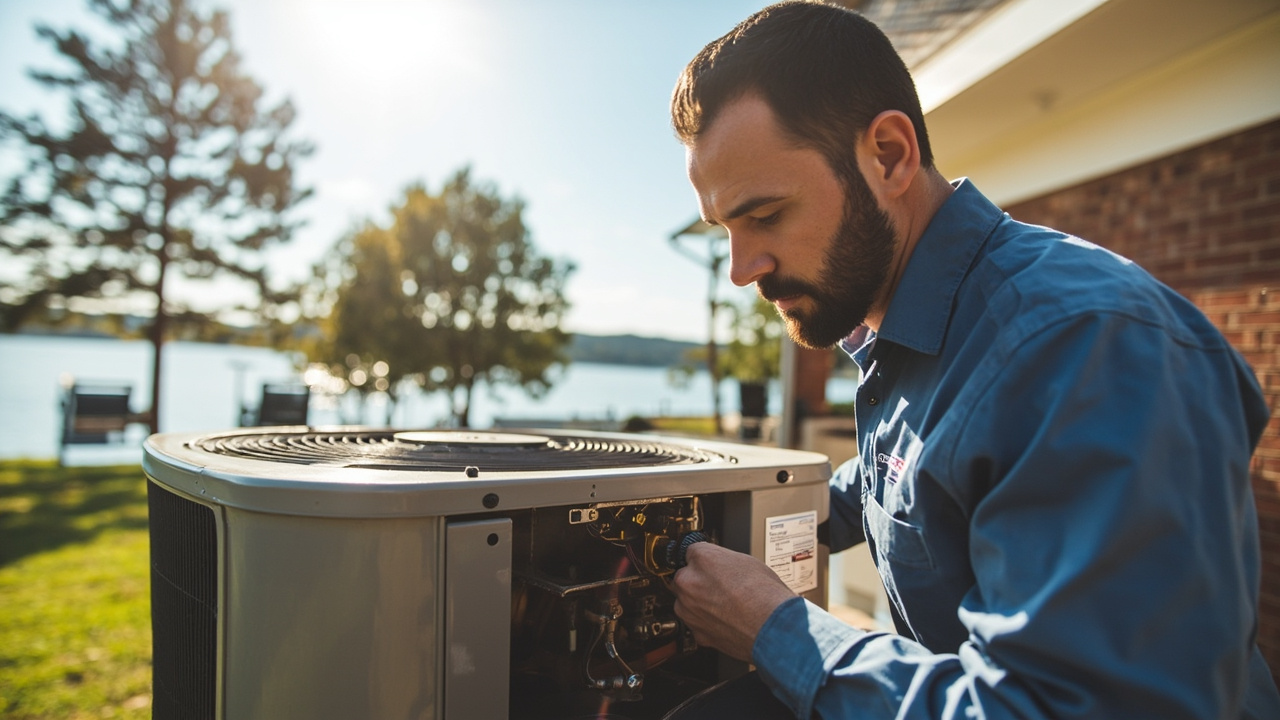
Living in Davidson during a North Carolina summer means dealing with heavy humidity and temperatures…
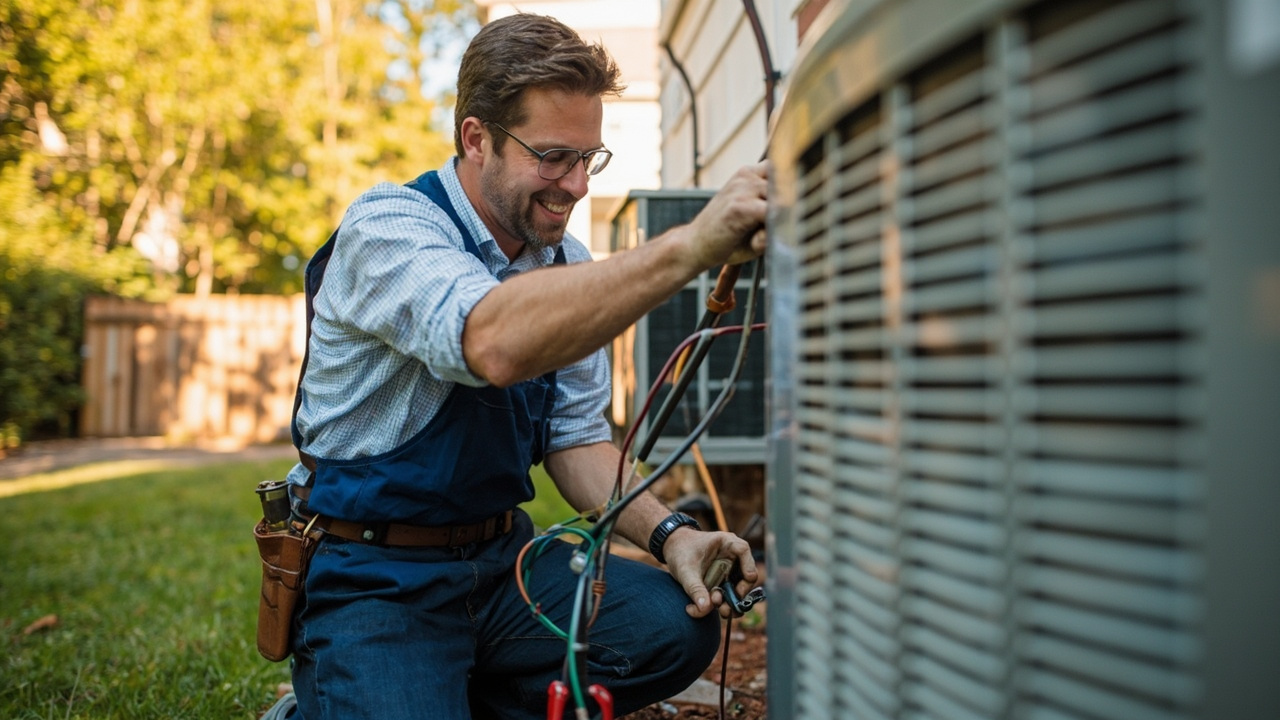
Expert Heat Pump Replacement in Cornelius NCHomeowners in Cornelius face a unique set of weather…
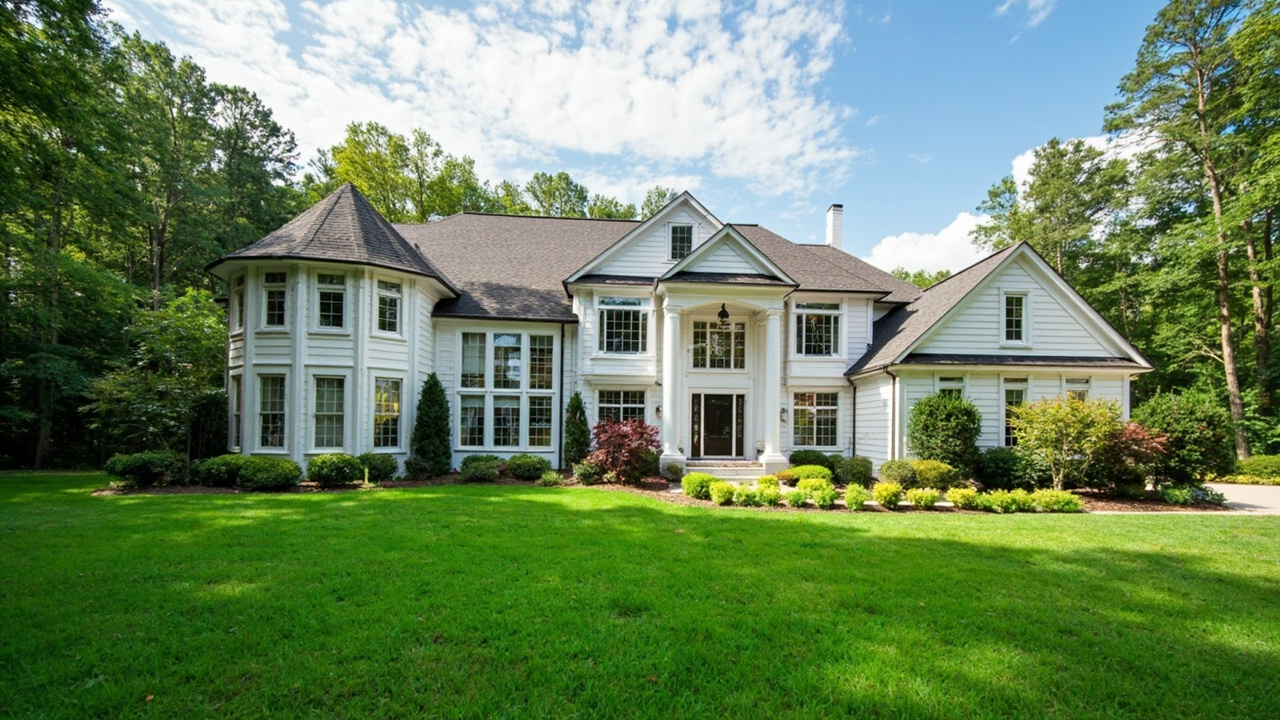
Smart Strategies to Lower Utility Bills for Large Quail Hollow Estates Managing a large estate…
Your comfort matters. Call (980) 342-9990 now for immediate dispatch throughout Charlotte and Mecklenburg County. We answer 24/7 and respond fast to every call. Whether you need emergency repairs or want to schedule maintenance, our local technicians are ready to help.