


Kannapolis sits in the North Carolina Piedmont where summers push heat indexes above 100 degrees and winter lows drop below freezing. Your air conditioner runs nearly six months straight fighting southern humidity that averages 70 percent. This constant cycling wears compressors, strains capacitors, and clogs condensate drains faster than systems in milder climates.
The red clay soil common throughout Cabarrus County holds moisture against foundation walls, creating condensation issues that affect ductwork in crawl spaces. Many homes near downtown Kannapolis and in neighborhoods around Dale Earnhardt Boulevard feature older HVAC installations that predate modern efficiency standards. These systems consume more energy while struggling to maintain consistent temperatures across multiple rooms.
Winter heating demand spikes when cold fronts drop temperatures 30 degrees overnight. Heat pumps common in this region work harder during these swings, and auxiliary heat strips kick on more frequently, driving up energy bills. The transition seasons stress systems with constant mode switching between heating and cooling. Understanding these local climate patterns helps us diagnose problems faster and recommend solutions that handle Kannapolis weather patterns year after year.
We built our reputation on showing up when other companies can't or won't. Our service area covers Kannapolis, Concord, and greater Cabarrus County with fully stocked trucks stationed locally for rapid response. When you call our emergency line at three in the morning because your air conditioner quit during a heat wave, a real technician answers and dispatches immediately, not an answering service taking messages.
Our technicians carry extensive parts inventory specific to systems common in this region. We stock compressors, air handlers, condensers, and thermostats for brands installed throughout Kannapolis neighborhoods. This means we fix problems on the first visit instead of scheduling return trips to retrieve parts. You get your comfort restored hours faster.
We price repairs upfront before starting work. No surprise charges appear on your invoice. Our diagnostic process identifies the actual problem, not the most expensive replacement option. If your system needs replacing rather than repairing, we explain why with specific evidence like cracked heat exchangers or failed compressor windings. We install equipment sized correctly for your home's square footage and insulation levels, not oversized units that cycle inefficiently.
Our service doesn't end when equipment starts running again. We document what failed, why it failed, and what you can monitor to prevent future breakdowns. We explain filter maintenance, thermostat settings, and outdoor unit clearance requirements in plain language. Building long-term relationships matters more than maximizing single transaction revenue.

Real technicians answer emergency calls day and night, dispatching immediately to homes across Kannapolis. Our trucks carry diagnostic equipment and common repair parts for same-day restoration. We understand climate control failures create genuine emergencies, especially for families with young children or elderly residents vulnerable to extreme temperatures.

We diagnose the problem, explain what failed, and quote repair costs before touching tools. You approve the price before we start work. No hidden fees appear later. If multiple repair options exist, we present each with honest recommendations about which delivers better long-term value for your specific system and budget.
Our service vehicles carry hundreds of parts for residential and light commercial HVAC systems. Compressors, motors, control boards, thermostats, and refrigerant stay onboard for immediate installation. We complete most repairs the same day without scheduling return visits. This reduces your downtime and gets your home comfortable faster than competitors ordering parts.
We've serviced HVAC systems throughout Kannapolis neighborhoods for years, from historic homes near downtown to newer developments off Highway 29. We understand how local clay soil affects ductwork, how Piedmont humidity challenges air conditioning, and which system types perform best in this climate. Regional knowledge means faster diagnosis and better recommendations.
Climate control systems fail in predictable patterns based on age, maintenance history, and local operating conditions. We handle everything from emergency breakdowns to planned system replacements. Our service range covers diagnostic troubleshooting, component-level repairs, complete system installations, and preventive maintenance programs.
Emergency repair calls represent about half our service volume. These involve compressor failures, refrigerant leaks, blower motor burnouts, and control board malfunctions that stop heating or cooling completely. We also handle comfort complaints where systems run constantly but fail to maintain set temperatures. Ductwork problems, thermostat calibration issues, and refrigerant undercharging often cause these situations.
Installation work includes complete system replacements, indoor air quality upgrades, ductwork modifications, and thermostat installations. We size equipment using Manual J load calculations that account for your home's insulation, window orientation, and occupancy patterns. Proper sizing prevents short cycling that wastes energy and reduces equipment lifespan. Our maintenance programs include seasonal tune-ups that catch small problems before they become expensive failures during peak summer or winter demand.
We diagnose and repair central air conditioning failures including compressor problems, refrigerant leaks, frozen evaporator coils, and condensate drainage issues. Our technicians use manifold gauges and superheat calculations to identify refrigerant problems accurately. We repair leaks at coil connections, valve cores, and line set joints before recharging systems to manufacturer specifications. Blower motor replacements, capacitor installations, and contactor repairs restore cooling fast.
Heat pump reversing valves, defrost controls, and auxiliary heat strips require specialized knowledge common in southern climates. We troubleshoot systems that won't switch modes or fail to defrost outdoor coils during winter operation. Gas furnace service includes ignition system repairs, flame sensor cleaning, and heat exchanger inspections. We test for carbon monoxide and verify proper combustion before restoring heating operation to keep your family safe.
When repair costs approach replacement value or equipment exceeds 15 years old, new system installation delivers better value. We install heat pumps, air conditioners, gas furnaces, and dual fuel systems sized correctly for your home. Our installations include new linesets, condensate drains, thermostat wiring, and electrical disconnects. We pull permits and coordinate inspections required in Cabarrus County. Equipment carries manufacturer warranties backed by our installation workmanship guarantee.
Piedmont climate conditions create specific failure patterns in residential HVAC systems. High humidity loads condensate pans beyond capacity, causing overflow damage to ceilings and ductwork. Temperature swings between seasons stress heat pump reversing valves more than systems in stable climates. Red clay soil moisture migrates into crawl space ductwork, promoting mold growth and reducing air quality.
Many Kannapolis homes feature systems installed before SEER efficiency standards increased to current minimums. These older units consume more electricity while struggling to dehumidify effectively. Undersized ductwork common in homes built before 2000 restricts airflow and reduces system capacity. Outdoor units positioned near dryer vents or landscaping accumulate lint and debris that blocks condenser coils. These local conditions accelerate wear and create predictable failure points we diagnose quickly.
Air conditioners that cool but leave your home feeling sticky indicate dehumidification problems. Oversized systems cycle too quickly to remove moisture. Dirty evaporator coils reduce latent cooling capacity. Low refrigerant charge drops coil temperatures below effective dehumidification range. We measure indoor humidity levels and identify which component needs correction to restore comfort.
Second floors that stay 10 degrees warmer or rooms that never reach thermostat settings indicate ductwork or airflow issues. Disconnected flex ducts in attics, crushed ductwork in crawl spaces, and closed supply vents create pressure imbalances. We perform static pressure testing and duct leakage measurements to find restrictions. Proper balancing and duct sealing restore even temperatures throughout your home.
Electricity costs that spike without usage changes often trace to HVAC system problems. Refrigerant leaks force compressors to run longer cycles. Dirty coils reduce heat transfer efficiency. Failed capacitors cause motors to draw excess amperage. Thermostat location near heat sources triggers unnecessary cooling cycles. We measure actual system performance against manufacturer specifications to identify efficiency losses.
Air conditioners that start and stop every few minutes waste energy and fail to dehumidify properly. Oversized equipment, dirty filters, refrigerant overcharge, and thermostat problems all cause short cycling. This pattern stresses compressors and contactors, accelerating component wear. We diagnose the root cause rather than treating symptoms. Proper repair restores normal run cycles and extends equipment life.
Our service process focuses on speed, transparency, and permanent solutions. When you call with an HVAC problem, we gather information about symptoms, system age, and maintenance history. This helps us send the right technician with appropriate parts. We provide arrival time windows and call ahead when our truck is 15 minutes away.
Technicians introduce themselves and ask permission to enter service areas. They wear shoe covers and use drop cloths to protect your floors. Diagnostic work begins with visual inspection, then progresses to testing with calibrated instruments. We measure temperatures, pressures, voltages, and amperages to identify problems accurately. You receive a clear explanation of what failed, why it failed, and what repair involves. We quote prices for different repair options when choices exist. After you approve work, we complete repairs efficiently and test system operation thoroughly before leaving.
Emergency calls receive immediate dispatch to the nearest available technician. We provide estimated arrival windows and update you if delays occur. Our trucks carry GPS tracking so we know exact locations and travel times. You receive a call 15 minutes before arrival with technician name and truck number. This eliminates waiting around wondering when help will arrive. For scheduled appointments, we offer morning or afternoon windows and honor those commitments.
We won't quote repair prices before understanding the actual problem. Technicians spend time testing components systematically rather than guessing at solutions. Manifold gauge readings, amp draw measurements, and temperature differentials provide objective data. We explain findings in plain language and show you failed parts when possible. You understand exactly what stopped working and why repair or replacement makes sense. This transparency builds trust and prevents surprise charges.
After completing repairs, we run your system through complete cycles to verify proper operation. Air conditioning repairs include temperature drop measurements and refrigerant pressure verification. Heating repairs include combustion analysis on gas furnaces and heat output measurements on heat pumps. We test safety controls and check electrical connections. You receive documentation of work performed and recommendations for maintenance. Our repairs come with service guarantees because we stand behind our workmanship.
We streamlined HVAC service into three clear phases that eliminate confusion and delays. This approach gets your comfort restored faster while keeping you informed throughout the process.
Your call triggers immediate dispatch to the closest available technician serving Kannapolis. We gather information about your system and symptoms to bring appropriate parts and tools. Upon arrival, our technician performs systematic diagnosis using calibrated instruments to measure temperatures, pressures, and electrical values. This testing identifies the actual problem rather than guessing at solutions. You receive a clear explanation of what failed and why.
We quote repair costs upfront based on diagnostic findings. If multiple options exist, we explain each approach with honest recommendations about which delivers better value. After you approve the work, our technician completes repairs using parts from truck inventory. Most service calls finish the same day without return trips. We test system operation thoroughly and verify proper performance before considering the job complete.
Your system runs through complete heating or cooling cycles while we monitor performance. We measure temperature outputs, check refrigerant pressures, and verify electrical draws match specifications. You receive documentation showing what we repaired, parts we installed, and maintenance recommendations. We explain filter changes, thermostat operation, and warning signs that indicate future problems. Our goal is keeping your system running reliably between service visits.
Proper HVAC service in Kannapolis requires compliance with North Carolina mechanical codes, manufacturer specifications, and EPA refrigerant handling regulations. The North Carolina Mechanical Code establishes minimum standards for equipment installation, ductwork fabrication, and ventilation requirements. Cabarrus County enforces these codes through permit and inspection processes for system replacements and major modifications.
Air conditioning and heat pump service involves EPA Section 608 regulations governing refrigerant recovery and charging procedures. Technicians must hold EPA certification proving knowledge of proper refrigerant handling. We use calibrated recovery machines and electronic scales to capture old refrigerant and charge systems precisely to manufacturer specifications. Overcharging reduces efficiency and damages compressors, while undercharging reduces capacity and allows compressor overheating.
Heat pump installations in this climate zone require proper auxiliary heat sizing and defrost control setup. The balance point where heat pumps switch to backup heat depends on your specific equipment and local design temperatures. Systems sized using Manual J calculations account for building orientation, insulation values, window areas, and typical occupancy. Proper sizing prevents short cycling that wastes energy and reduces dehumidification.
Ductwork installations must meet standards for minimum sizing, maximum velocity, and acceptable leakage rates. The Air Conditioning Contractors of America publishes Manual D guidelines for residential duct design. Undersized ductwork creates static pressure problems that reduce airflow and strain blower motors. We calculate required duct sizes based on actual system capacity and measure static pressures to verify proper operation. Supply register placement affects comfort in multi-story homes where temperature stratification occurs naturally. Our installations position airflow to counteract these effects and maintain even temperatures throughout your home.
EPA Section 608 certification is mandatory for any technician handling refrigerants. We use superheat and subcooling calculations rather than simple pressure charts because ambient conditions affect proper charge levels. R-410A refrigerant common in modern systems requires recovery before repairs. Cross-contamination between refrigerant types damages compressors permanently. Our technicians maintain EPA certification and use dedicated equipment for each refrigerant type.
Air conditioner sizing affects efficiency, comfort, and equipment lifespan. Manual J load calculations account for ceiling height, insulation levels, window orientation, and occupancy patterns. Oversized systems waste installation money and cycle too quickly to dehumidify. Undersized systems run constantly without reaching comfortable temperatures. We measure your home and calculate exact cooling and heating loads before recommending equipment sizes.
Proper airflow requires 400 cubic feet per minute per ton of cooling capacity. Static pressure measurements verify ductwork isn't restricting airflow. Excessive pressure drops indicate undersized ducts, crushed flex duct, or blocked returns. We use digital manometers to measure pressure and calculate actual airflow. Homes with restrictive ductwork need modifications before new equipment installs properly. Otherwise, new systems underperform despite correct sizing.
Cabarrus County requires mechanical permits for system replacements, gas line modifications, and ductwork installations. Permit fees cover plan review and final inspection to verify code compliance. Installations include required safety devices like electrical disconnects, overflow pans with float switches, and carbon monoxide detectors near gas furnaces. Our work passes inspection because we follow code requirements throughout installation.
This video explains HVAC repair services for Kannapolis, North Carolina homeowners. Topics include common air conditioning failures, heat pump problems, emergency repair processes, and system replacement decisions. The content covers climate-specific challenges in Cabarrus County including humidity control, temperature cycling stress, and crawl space ductwork issues. Viewers learn diagnostic processes, repair versus replacement considerations, and what to expect from professional HVAC service.
Keystone HVAC Charlotte provides emergency repair and installation services throughout Kannapolis and neighboring communities in Cabarrus County. We service homes and businesses from downtown Kannapolis near the North Carolina Research Campus eastward to neighborhoods around the Kannapolis Intimidators Stadium off Dale Earnhardt Boulevard. Our coverage extends through established areas like Village Park and newer developments near Highway 29.
The historic neighborhoods around West A Street feature older homes with original HVAC systems that need frequent service or complete replacement. These properties often have undersized ductwork and limited attic access that require creative solutions during repairs. Homes in the Jackson Park area face similar challenges, where split-level designs create zone temperature issues needing proper airflow balancing.
Residential growth along Cloverleaf Parkway and near Interstate 85 brings service calls from newer construction with modern HVAC installations. These systems still need routine maintenance and occasionally suffer from installation shortcuts that cause premature failures. We also serve the commercial corridor along Highway 29 where retail spaces and light industrial facilities require quick response to minimize business interruption during HVAC failures.
Our service area includes surrounding communities in Cabarrus County. We dispatch to Concord neighborhoods near Concord Mills and residential areas around Highway 73. China Grove residents receive the same rapid response times because our trucks cover the full county efficiently. The proximity to Charlotte means we maintain parts inventory for both residential and light commercial systems common throughout this growing region.
Clay soil conditions throughout Cabarrus County create consistent challenges with crawl space moisture affecting ductwork integrity. We understand these regional construction characteristics and inspect for moisture damage during service calls. The Piedmont climate pattern of hot summers and moderate winters means heat pumps dominate installations here rather than straight air conditioning with separate furnaces. Our technicians specialize in heat pump service specific to southern climates where these systems work year-round with seasonal mode changes.
The $5000 rule is a guideline for deciding between repairing or replacing your system. Multiply your unit's age by the repair cost. If the result exceeds $5000, replacement makes more financial sense. For example, a 12-year-old system needing a $450 compressor repair equals $5400, suggesting replacement. In Kannapolis, where summer humidity and heat stress older units, this rule helps homeowners avoid pouring money into aging equipment. Consider efficiency gains too. Modern systems use 20-40% less energy than units over 10 years old, which matters during Carolina's long cooling season.
HVAC job costs vary widely by scope. Minor repairs like thermostat replacement or capacitor fixes run lower, while major component work like compressor or evaporator coil replacement costs more. Complete system replacements represent the highest investment. In Kannapolis, costs reflect our climate demands. High humidity requires proper sizing and dehumidification capability. Your home's square footage, existing ductwork condition, and efficiency requirements all impact pricing. Most contractors provide free estimates. Get multiple quotes from licensed professionals. Focus on long-term value, not just the lowest initial price.
New HVAC system costs in North Carolina depend on home size, efficiency rating, and equipment brand. A standard split system for an average home typically falls in a moderate range, while high-efficiency units or larger homes require higher investment. Kannapolis homeowners face specific climate factors. Our humid summers demand systems with strong dehumidification. Proper sizing prevents short-cycling and moisture problems common in Carolina homes. Installation quality matters as much as equipment choice. Ductwork modifications, refrigerant line sets, and electrical upgrades can affect total project cost. Always request detailed written estimates.
The $5000 rule is a guideline for deciding between repairing or replacing your system. Multiply your unit's age by the repair cost. If the result exceeds $5000, replacement makes more financial sense. For example, a 12-year-old system needing a $450 compressor repair equals $5400, suggesting replacement. In Kannapolis, where summer humidity and heat stress older units, this rule helps homeowners avoid pouring money into aging equipment. Consider efficiency gains too. Modern systems use 20-40% less energy than units over 10 years old, which matters during Carolina's long cooling season.
HVAC job costs vary widely by scope. Minor repairs like thermostat replacement or capacitor fixes run lower, while major component work like compressor or evaporator coil replacement costs more. Complete system replacements represent the highest investment. In Kannapolis, costs reflect our climate demands. High humidity requires proper sizing and dehumidification capability. Your home's square footage, existing ductwork condition, and efficiency requirements all impact pricing. Most contractors provide free estimates. Get multiple quotes from licensed professionals. Focus on long-term value, not just the lowest initial price.
New HVAC system costs in North Carolina depend on home size, efficiency rating, and equipment brand. A standard split system for an average home typically falls in a moderate range, while high-efficiency units or larger homes require higher investment. Kannapolis homeowners face specific climate factors. Our humid summers demand systems with strong dehumidification. Proper sizing prevents short-cycling and moisture problems common in Carolina homes. Installation quality matters as much as equipment choice. Ductwork modifications, refrigerant line sets, and electrical upgrades can affect total project cost. Always request detailed written estimates.
Replacing HVAC for a 2000 square foot house depends on system type, efficiency rating, and installation complexity. Most Kannapolis homes this size need a properly sized system to handle our humid climate. Single-story homes often cost less than two-story installations due to simpler ductwork. Factors affecting your cost include existing ductwork condition, accessibility, refrigerant type, and SEER rating. Higher efficiency units cost more upfront but reduce monthly bills during Carolina's extended cooling season. Get multiple estimates from licensed contractors. Verify they perform Manual J load calculations to prevent oversizing.
Yes, but with conditions. The Inflation Reduction Act extends the Energy Efficient Home Improvement Credit through 2032. You can claim 30% of costs for qualifying systems, up to $2000 annually. The equipment must meet specific efficiency requirements: split systems need 16 SEER2 or higher, packaged units need 14 SEER2. Heat pumps qualify for higher credits. Keep all receipts and manufacturer certifications. Consult a tax professional for your situation. In Kannapolis, upgrading to qualifying equipment reduces both your tax burden and monthly cooling costs during our hot, humid summers.
Most HVAC systems last 15-20 years with proper maintenance. In Kannapolis, lifespan varies based on usage patterns and maintenance quality. Our long cooling season means systems work harder than in milder climates. Units running constantly through humid Carolina summers accumulate more wear. Heat pumps handling both heating and cooling may have shorter lifespans than air conditioners paired with gas furnaces. Regular maintenance extends life significantly. Annual tune-ups, filter changes, and prompt repairs prevent small issues from becoming system failures. Consider replacement when repair costs exceed half the replacement value.
The 3 minute rule protects your compressor from damage. After your AC shuts off, wait at least 3 minutes before restarting. This allows refrigerant pressure to equalize throughout the system. Starting too soon forces the compressor to work against high pressure, causing strain and potential failure. In Kannapolis homes with programmable thermostats or older units, respect this rule. Rapid cycling damages compressors and reduces efficiency. If your system short-cycles frequently, contact a technician. Short-cycling indicates sizing problems, refrigerant issues, or thermostat malfunctions common in humid climates.
The most common HVAC repairs include refrigerant leaks, capacitor failures, thermostat malfunctions, and drainage clogs. In Kannapolis, humidity causes frequent condensate line blockages. Dirty evaporator coils reduce efficiency and cause freeze-ups. Failed capacitors prevent compressors and fan motors from starting. Refrigerant leaks reduce cooling capacity and increase energy bills. Contactor failures stop outdoor units from running. Blower motor issues affect airflow. Regular maintenance prevents many repairs. Change filters monthly during heavy use. Annual professional tune-ups catch problems early. Address strange noises, weak airflow, or temperature inconsistencies immediately.
New HVAC costs depend on home size, system type, and efficiency rating. Standard split systems for average homes fall within a moderate range. High-efficiency units, multi-zone systems, or homes over 2500 square feet require higher investment. In Kannapolis, climate considerations matter. Our humid summers demand proper dehumidification and sizing. Installation quality affects long-term performance and efficiency. Costs include equipment, labor, permits, ductwork modifications, and disposal. Avoid contractors quoting without seeing your home. Proper load calculations prevent costly sizing errors. Focus on total value, warranty coverage, and contractor reputation.
Installing AC in a 1500 square foot house depends on whether ductwork exists. Homes with existing ducts cost less than new installations requiring complete duct systems. System efficiency, brand choice, and installation complexity affect pricing. Kannapolis homes this size typically need properly sized equipment to handle humidity. Single-story layouts usually cost less than multi-level homes. Factors include accessibility, electrical upgrades, refrigerant line length, and local permit requirements. Central air provides better comfort than window units in Carolina's humid climate. Get multiple estimates from licensed contractors who perform load calculations.
Replacing HVAC for a 2000 square foot house depends on system type, efficiency rating, and installation complexity. Most Kannapolis homes this size need a properly sized system to handle our humid climate. Single-story homes often cost less than two-story installations due to simpler ductwork. Factors affecting your cost include existing ductwork condition, accessibility, refrigerant type, and SEER rating. Higher efficiency units cost more upfront but reduce monthly bills during Carolina's extended cooling season. Get multiple estimates from licensed contractors. Verify they perform Manual J load calculations to prevent oversizing.
Yes, but with conditions. The Inflation Reduction Act extends the Energy Efficient Home Improvement Credit through 2032. You can claim 30% of costs for qualifying systems, up to $2000 annually. The equipment must meet specific efficiency requirements: split systems need 16 SEER2 or higher, packaged units need 14 SEER2. Heat pumps qualify for higher credits. Keep all receipts and manufacturer certifications. Consult a tax professional for your situation. In Kannapolis, upgrading to qualifying equipment reduces both your tax burden and monthly cooling costs during our hot, humid summers.
Most HVAC systems last 15-20 years with proper maintenance. In Kannapolis, lifespan varies based on usage patterns and maintenance quality. Our long cooling season means systems work harder than in milder climates. Units running constantly through humid Carolina summers accumulate more wear. Heat pumps handling both heating and cooling may have shorter lifespans than air conditioners paired with gas furnaces. Regular maintenance extends life significantly. Annual tune-ups, filter changes, and prompt repairs prevent small issues from becoming system failures. Consider replacement when repair costs exceed half the replacement value.
The 3 minute rule protects your compressor from damage. After your AC shuts off, wait at least 3 minutes before restarting. This allows refrigerant pressure to equalize throughout the system. Starting too soon forces the compressor to work against high pressure, causing strain and potential failure. In Kannapolis homes with programmable thermostats or older units, respect this rule. Rapid cycling damages compressors and reduces efficiency. If your system short-cycles frequently, contact a technician. Short-cycling indicates sizing problems, refrigerant issues, or thermostat malfunctions common in humid climates.
The most common HVAC repairs include refrigerant leaks, capacitor failures, thermostat malfunctions, and drainage clogs. In Kannapolis, humidity causes frequent condensate line blockages. Dirty evaporator coils reduce efficiency and cause freeze-ups. Failed capacitors prevent compressors and fan motors from starting. Refrigerant leaks reduce cooling capacity and increase energy bills. Contactor failures stop outdoor units from running. Blower motor issues affect airflow. Regular maintenance prevents many repairs. Change filters monthly during heavy use. Annual professional tune-ups catch problems early. Address strange noises, weak airflow, or temperature inconsistencies immediately.
New HVAC costs depend on home size, system type, and efficiency rating. Standard split systems for average homes fall within a moderate range. High-efficiency units, multi-zone systems, or homes over 2500 square feet require higher investment. In Kannapolis, climate considerations matter. Our humid summers demand proper dehumidification and sizing. Installation quality affects long-term performance and efficiency. Costs include equipment, labor, permits, ductwork modifications, and disposal. Avoid contractors quoting without seeing your home. Proper load calculations prevent costly sizing errors. Focus on total value, warranty coverage, and contractor reputation.
Installing AC in a 1500 square foot house depends on whether ductwork exists. Homes with existing ducts cost less than new installations requiring complete duct systems. System efficiency, brand choice, and installation complexity affect pricing. Kannapolis homes this size typically need properly sized equipment to handle humidity. Single-story layouts usually cost less than multi-level homes. Factors include accessibility, electrical upgrades, refrigerant line length, and local permit requirements. Central air provides better comfort than window units in Carolina's humid climate. Get multiple estimates from licensed contractors who perform load calculations.
Keystone proudly serves homes and businesses throughout Charlotte and nearby areas. Whether you’re looking for fast repairs, expert installations, or seasonal HVAC maintenance, our team is just a call away. Use the map below to locate our service area or office location, and don’t hesitate to reach out if you have questions. We’re committed to making your experience seamless from the first call to the final service. Let us show you why we’re Charlotte’s go-to HVAC experts.
Address:
Kannapolis, NC, 28081

Waxhaw is growing at a fast pace. New residential projects are popping up from the edges of the historic village to the sprawling developments near the state line. If you are building a custom home…
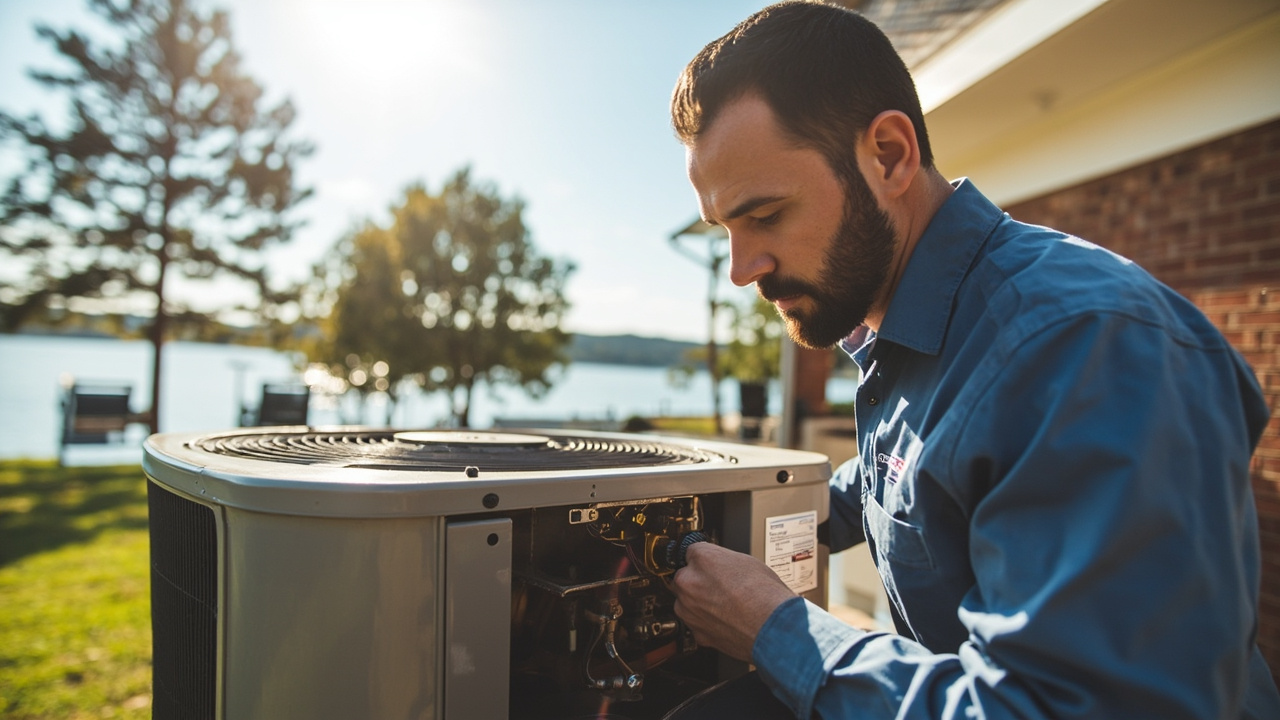
Living in Davidson during a North Carolina summer means dealing with heavy humidity and temperatures…
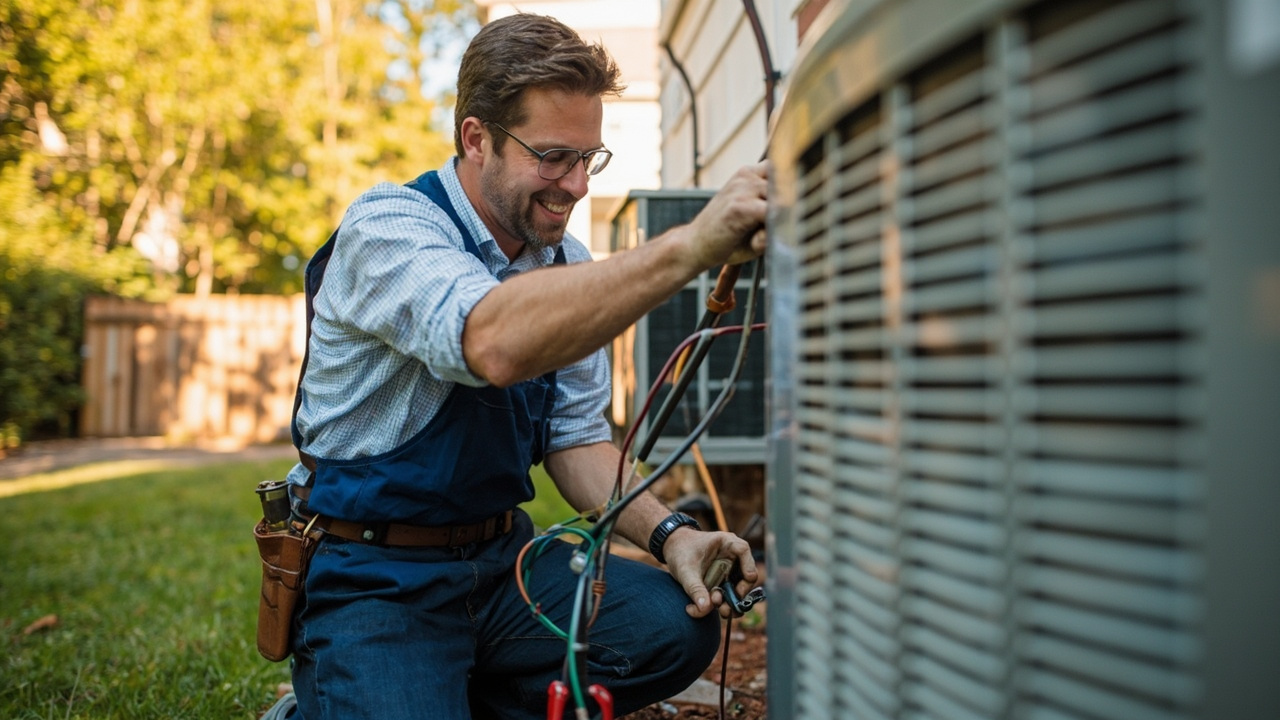
Expert Heat Pump Replacement in Cornelius NCHomeowners in Cornelius face a unique set of weather…
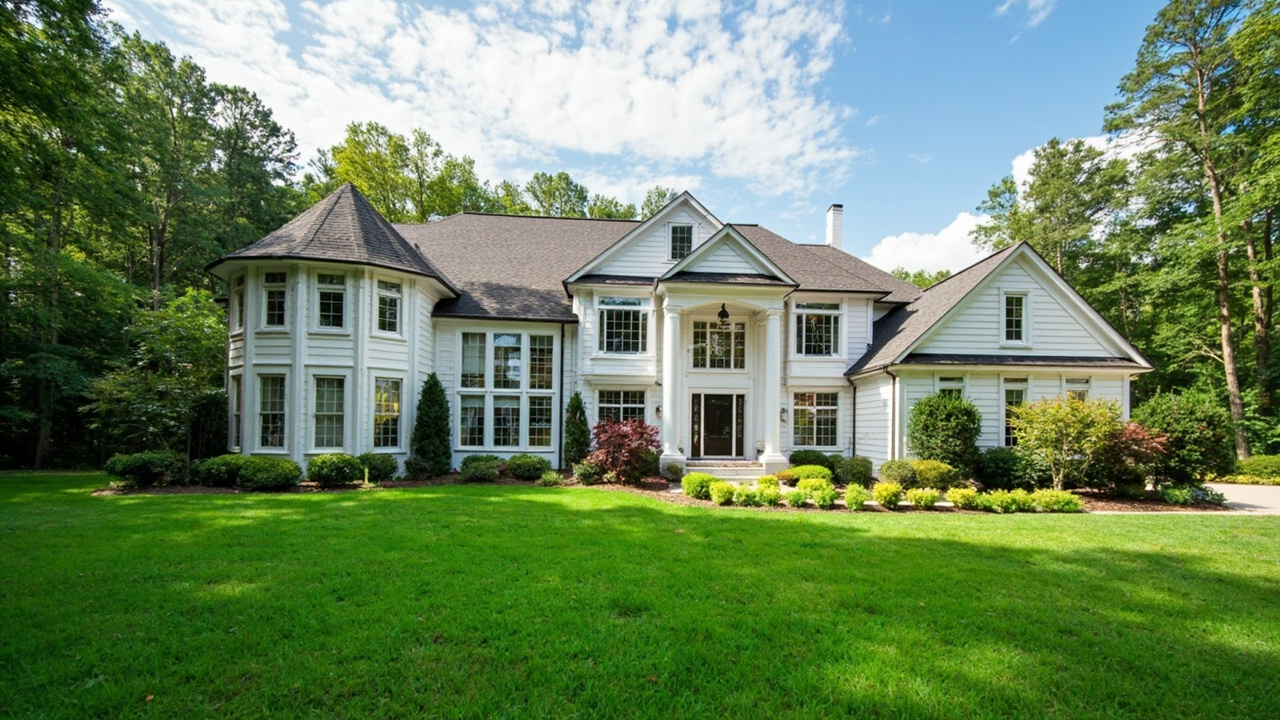
Smart Strategies to Lower Utility Bills for Large Quail Hollow Estates Managing a large estate…
Your home comfort can't wait for normal business hours. Call Keystone HVAC Charlotte now at (980) 342-9990 for immediate dispatch to your Kannapolis location. Our technicians arrive fast with parts and equipment to restore your heating or cooling the same day. Stop suffering through temperature extremes and call now.