menu

Weak Airflow from Vents in Charlotte – Expert Diagnosis and Permanent Repair

When your AC blows weakly or you notice reduced air flow from registers, our Charlotte technicians use diagnostic tools to identify the exact cause and restore proper airflow without guesswork or return visits.

Slider Image 1
Slider Image 2
Slider Image 3
Slider Image 4
Slider Image 5
Slider Image 7
Slider Image 8
Slider Image 9
Slider Image 10
Slider Image 11

Why Your Vents Are Barely Pushing Air

You stand in front of a register and feel nothing. The AC runs, but little air comes out of vents. Your upstairs bedroom stays hot while the thermostat reads 72 degrees. This is not normal.

Weak airflow from vents usually signals one of three problems. Your ductwork might be leaking conditioned air into the attic or crawlspace before it reaches the rooms you paid to cool. Your blower motor could be failing or running at reduced speed due to a worn capacitor. Or your evaporator coil is so clogged with dust and biological growth that air cannot pass through it.

Charlotte's high humidity accelerates mold and mildew buildup inside air handlers. When relative humidity stays above 60 percent for months, your evaporator coil becomes a breeding ground for spores that block airflow. The clay soil common throughout Mecklenburg County also shifts foundations, which can separate duct joints and create pressure losses you cannot see but definitely feel.

Poor airflow from AC does not fix itself. It worsens. Your compressor works harder to compensate for the reduced air volume, which increases wear and shortens its lifespan. Your electric bill climbs because the system runs longer cycles to reach setpoint. And your indoor air quality degrades because there is not enough air movement to dilute contaminants.

Low air pressure from vents is a diagnostic problem, not a maintenance issue. Changing your filter will not fix a collapsed duct or a failing blower motor. You need someone who can measure static pressure, check fan speeds, and inspect the air handler without guessing.

Why Your Vents Are Barely Pushing Air
How We Restore Full Airflow

How We Restore Full Airflow

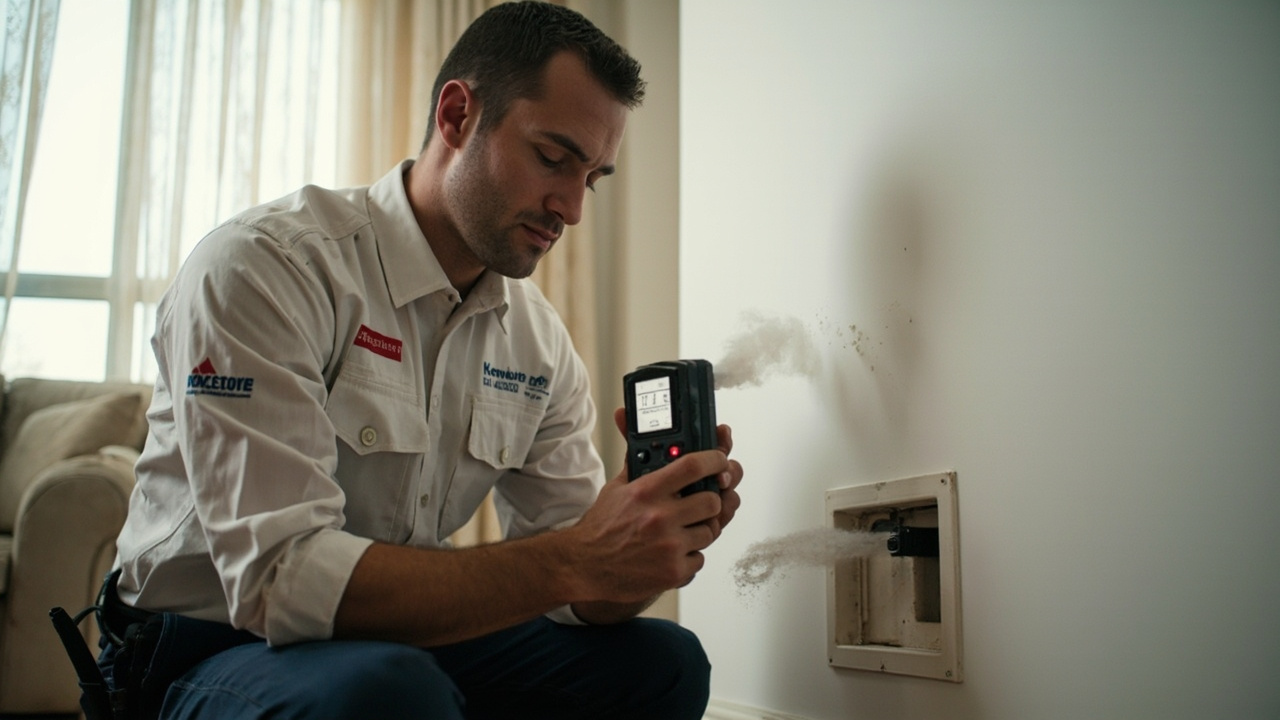
We do not start by selling you a new system. We start by measuring. Our technicians use a digital manometer to measure static pressure at the supply and return plenums. This tells us if the problem is upstream or downstream of the air handler.

If static pressure is high, the restriction is inside the unit or in the ductwork. We pull the blower assembly and inspect the evaporator coil for biological fouling. If the coil is blocked, we clean it with a foaming coil cleaner and a soft brush, then rinse it with a pump sprayer. This restores the design airflow without damaging the delicate aluminum fins.

If static pressure is normal but airflow is still weak, the blower motor or capacitor is failing. We test the motor's amp draw against the nameplate rating. If the motor is pulling low amps, the capacitor is not giving it enough starting torque. If it is pulling high amps, the bearings are worn and the motor is working too hard. We replace the failed component, not the entire air handler.

If static pressure is low, you have a duct leak. We inspect the ductwork in the attic or crawlspace and look for separated joints, torn flex duct, or missing dampers. We seal leaks with mastic and embedded mesh, not tape, because tape fails in Charlotte's attic heat. If the ductwork is beyond repair, we recommend a targeted replacement of the damaged sections, not a full duct system.

We verify the repair by measuring airflow at each register with a flow hood. This confirms that every room is getting the CFM it was designed to receive. You feel the difference immediately.

What Happens During an Airflow Diagnostic

Weak Airflow from Vents in Charlotte – Expert Diagnosis and Permanent Repair
01

System Performance Testing

We measure temperature split across the evaporator coil and compare it to manufacturer specifications. A low split indicates poor airflow. We check static pressure at the supply and return plenums to identify restrictions. We test amp draw on the blower motor to confirm it is running at full capacity. These measurements tell us exactly where the airflow loss is occurring.
02

Component Inspection

We remove the blower assembly and inspect the evaporator coil, blower wheel, and motor bearings. We look for biological growth on the coil, dust buildup on the wheel, and play in the motor shaft. We check the capacitor with a multimeter to ensure it is delivering the correct microfarads. We inspect accessible ductwork for leaks, collapsed sections, or disconnected dampers.
03

Repair and Verification

We clean or replace the failed component, then measure airflow at each register with a flow hood to confirm the repair restored design CFM. We retest static pressure and temperature split to verify the system is operating within manufacturer specifications. You receive a written report showing before and after measurements, so you know the problem is solved, not just temporarily improved.

Why Charlotte Homeowners Choose Keystone HVAC for Airflow Problems

Most HVAC companies in Charlotte do not carry diagnostic tools in their trucks. They look at the filter, check the thermostat, and recommend a system replacement if those two things do not fix it. That is not diagnostics. That is sales.

Keystone HVAC Charlotte trains our technicians to use manometers, flow hoods, and amp meters because reduced air flow from registers is a measurable problem with a specific cause. We do not guess. We test until we find the failure point, then we fix only what is broken.

We understand how Charlotte's climate affects HVAC performance. The humidity here keeps evaporator coils wet for most of the year, which accelerates mold growth and blocks airflow faster than in dry climates. The temperature swings between 90-degree summer days and 30-degree winter nights stress blower motors and cause capacitors to fail earlier than their rated lifespan. And the clay soil throughout Mecklenburg County shifts foundations just enough to separate duct joints and create leaks you cannot see but definitely pay for in higher electric bills.

Our technicians know the difference between a dirty coil that needs cleaning and a failing blower motor that needs replacement. They know when to seal a duct leak and when to recommend a section replacement. And they know how to explain the problem in terms you understand, not in jargon designed to confuse you into buying more than you need.

We also know Charlotte's building stock. Many homes here were built in the 1990s and early 2000s with undersized ductwork and marginal airflow from day one. If your system has always had weak airflow, we can tell you if it is a fixable problem or a design flaw that requires a more substantial solution.

You get honest answers, accurate diagnostics, and repairs that solve the problem the first time.

What to Expect When You Call Keystone HVAC Charlotte

Same-Day Diagnostics

We schedule airflow diagnostics within 24 hours of your call. Most appointments happen the same day. Our technicians arrive with the tools needed to measure static pressure, airflow, and motor performance. The diagnostic takes 45 to 90 minutes depending on system accessibility. You receive a written report with measurements and a clear explanation of the problem before we quote any repair work.

Transparent Diagnostics

We show you the measurements that led to our diagnosis. If your static pressure is too high, we show you the gauge reading and explain what it means. If your blower motor is pulling low amps, we show you the meter and the nameplate rating. If your ductwork is leaking, we take you to the attic or crawlspace and show you the separation. You see the problem with your own eyes, not just on a tablet screen with a sales pitch attached.

Restored Airflow

After the repair, we measure airflow at each register to confirm the system is delivering design CFM. You should feel strong, consistent airflow from every vent in your home. Temperature differences between rooms should be minimal. Your system should reach setpoint faster and run shorter cycles. If airflow is still weak after the repair, we return and investigate further at no additional diagnostic charge.

Preventive Maintenance Plans

Many airflow problems develop slowly and go unnoticed until they become severe. Our maintenance plans include annual coil cleaning, blower motor inspection, and ductwork checks to catch problems before they cause comfort issues or expensive secondary damage. Members receive priority scheduling and discounted repair rates. Maintenance visits include a written report with system measurements so you can track performance over time.

Frequently Asked Questions

You Have Questions,
We Have Answers

Why do I barely feel air coming out of my vents? +

Weak airflow usually points to a clogged air filter, blocked return vents, or failing blower motor. Start by checking your filter. In Charlotte's humid climate, filters collect dust, pollen, and moisture faster than drier regions. Replace it every 30 days during peak cooling months. Next, inspect return grilles for furniture or curtains blocking airflow. If the filter is clean and vents are clear, your blower motor or capacitor may be failing. Ductwork leaks are also common in older Charlotte homes. A professional can diagnose the root cause and restore proper airflow quickly.

Why is my AC not blowing hard through the vents? +

Your AC may not blow hard due to a dirty evaporator coil, undersized ductwork, or blower speed set too low. Charlotte's high humidity causes coils to collect grime and mold, restricting airflow. Check your thermostat fan setting. It should be on auto, not low speed. Inspect ductwork for crimps, disconnections, or poor design. Older homes in neighborhoods like Dilworth or Myers Park often have undersized ducts that cannot handle modern high-efficiency systems. A technician can measure static pressure, clean coils, and adjust blower speeds to fix weak airflow issues.

How to increase air flow in vents? +

To increase airflow, replace your filter monthly, open all supply vents fully, and clear obstructions around return grilles. Seal visible duct leaks with mastic sealant. Balance airflow by partially closing vents in unused rooms, forcing more air to occupied spaces. In Charlotte's older homes, ductwork often runs through unconditioned attics, where leaks waste conditioned air. Consider a duct inspection and sealing service. Upgrading to a variable-speed blower can also improve airflow and efficiency. Never close more than 20 percent of vents, as this increases system pressure and can damage your equipment.

What is the $5000 AC rule? +

The 5000 dollar AC rule is a guideline for deciding whether to repair or replace your air conditioner. Multiply the age of your unit by the repair cost. If the result exceeds 5000, replacement is smarter. For example, a 12-year-old system needing an 800 dollar compressor repair equals 9600, so replace it. Charlotte's heat and humidity stress AC units. Systems older than 10 years run inefficiently and break down frequently. Replacement with a high-efficiency model lowers energy bills and avoids repeated repair costs. Always get a second opinion before committing to expensive repairs.

What is the 2 foot rule for HVAC? +

The 2 foot rule for HVAC means keeping at least 2 feet of clearance around your outdoor condenser unit. This allows proper airflow for heat exchange. In Charlotte, vegetation grows fast. Shrubs, weeds, and vines can choke your condenser, reducing efficiency and causing overheating. Trim plants regularly and remove debris like leaves or grass clippings. Avoid stacking items against the unit. Good airflow extends equipment life and lowers energy costs. If your condenser sits in a tight enclosure or near a fence, airflow restriction may be causing your weak vent output indoors.

How to tell if a house has poor ventilation? +

Signs of poor ventilation include stuffy air, lingering odors, excessive humidity, mold growth, and condensation on windows. In Charlotte, high indoor humidity above 60 percent signals inadequate ventilation. You may notice uneven temperatures between rooms or weak airflow from vents. Check return air grilles. Blocked or insufficient returns starve your system. Older homes in historic districts often lack proper return pathways. Poor ventilation forces your AC to work harder, spiking energy bills. A home performance test measures airflow and identifies ventilation deficiencies that affect comfort and indoor air quality year-round.

What is the 3 minute rule for AC? +

The 3 minute rule for AC means waiting at least 3 minutes after shutting off your system before restarting it. This allows refrigerant pressures to equalize, preventing compressor damage. Modern thermostats have built-in delay timers. If you manually cycle power or reset a breaker, wait the full 3 minutes. Charlotte's frequent summer thunderstorms can cause power flickers. Repeated rapid cycling strains the compressor and can lead to failure. If your system short cycles or trips breakers often, you may have a failing capacitor, refrigerant leak, or electrical issue requiring professional diagnosis.

How do you fix a weak AC airflow? +

To fix weak AC airflow, start by replacing the air filter and clearing obstructions from vents. Check the outdoor condenser for dirt or debris blocking airflow. Inspect ductwork in your attic or crawlspace for disconnections or damage. Charlotte's clay soil can shift foundations, separating duct joints. Verify the blower motor runs at full speed. A failing capacitor reduces blower power. Clean the evaporator coil if accessible. For persistent issues, hire a technician to measure static pressure, seal duct leaks, and verify refrigerant charge. Professional duct cleaning may also help if buildup is severe.

Why is my AC set to 72 but reads 78? +

If your AC is set to 72 but reads 78, your system cannot keep up with the cooling load. Common causes include low refrigerant from a leak, a dirty condenser coil, undersized equipment, or poor insulation. Charlotte's summer heat and humidity stress aging systems. Check your air filter first. Inspect the outdoor unit for dirt or blocked airflow. If the system runs continuously without reaching setpoint, you may have a refrigerant leak or failing compressor. Attic insulation below R-30 allows heat to overwhelm your AC. A load calculation determines if your system is properly sized for your home.

Do air vent boosters really work? +

Air vent boosters rarely solve underlying airflow problems and can worsen system performance. These inline fans push air harder through one vent but increase static pressure elsewhere, stressing your blower motor. Charlotte homes with weak airflow usually have clogged filters, duct leaks, or undersized ductwork. Boosters mask symptoms without fixing the root cause. They also add noise and consume energy. Instead, balance your system by adjusting dampers, sealing duct leaks, and ensuring proper return airflow. A professional static pressure test identifies real problems. Save your money and address the actual issue for lasting results.

How Charlotte's Humidity Accelerates Coil Fouling and Airflow Loss

Charlotte averages over 200 days per year with relative humidity above 60 percent. When your evaporator coil stays wet this often, it becomes a surface for mold and mildew growth. The biological material blocks the spaces between the aluminum fins, which restricts airflow and reduces cooling capacity. A coil that is 30 percent blocked can reduce airflow by 50 percent. This is why AC blowing weakly is so common in Charlotte compared to drier climates. The problem is not just dust. It is living organisms that thrive in our humid environment.

Charlotte HVAC contractors who understand local climate do not just change filters and walk away. They know to inspect the evaporator coil for biological growth during every maintenance visit. They know to check condensate drain lines for algae blockages. And they know that airflow problems in this area almost always involve moisture-related fouling, not just dust accumulation. Choosing a local technician who works on Charlotte systems every day means faster diagnosis and better solutions than someone who learned HVAC in a different climate.
HVAC Services in The Charlotte Area

Keystone proudly serves homes and businesses throughout Charlotte and nearby areas. Whether you’re looking for fast repairs, expert installations, or seasonal HVAC maintenance, our team is just a call away. Use the map below to locate our service area or office location, and don’t hesitate to reach out if you have questions. We’re committed to making your experience seamless from the first call to the final service. Let us show you why we’re Charlotte’s go-to HVAC experts.

Address:
Keystone HVAC Charlotte, 6000 Fairview Rd, Charlotte, NC, 28210

Additional Services We Offer

Our news updates

Latest Articles & News from The Blogs

Expert Heat Pump Replacement in Cornelius NCHomeowners in Cornelius face a unique set of weather challenges. The moisture coming off…

Heat Pump Replacement Services in Cornelius and Lake Norman

Expert Heat Pump Replacement in Cornelius NCHomeowners in Cornelius face a unique set of weather challenges. The moisture coming off…

Smart Strategies to Lower Utility Bills for Large Quail Hollow Estates

Smart Strategies to Lower Utility Bills for Large Quail Hollow Estates Managing a large estate in the Quail Hollow neighborhood…

Oakhurst families need furnace heat exchanger inspections before the first cold snap

Oakhurst families need furnace heat exchanger inspections before the first cold snapThe transition from the humid Charlotte summer to the…

Contact Us

Call Keystone HVAC Charlotte at (980) 342-9990 to schedule a same-day airflow diagnostic. Our technicians carry the tools to measure the problem and fix it right the first time.