


Hickory sits in the humid subtropical zone where summers push into the 90s with thick humidity and winters drop below freezing. Your HVAC system runs hard from May through September fighting heat and moisture, then switches to heating mode when cold fronts sweep down from the mountains. This constant cycling stresses equipment year-round.
The foothills location creates unique challenges. Spring pollen from surrounding forests clogs outdoor coils and filters faster than in urban areas. Summer thunderstorms knock out power and surge electrical components. Winter ice storms can damage outdoor units when branches fall. Homes in neighborhoods like Ridgeview and St. Stephens need systems that handle both mountain cold and piedmont heat without failing.
Local red clay soil holds moisture against foundation walls, making crawl space humidity a real problem for ductwork and indoor air quality. Many Hickory homes were built in the 1970s and 1980s with original HVAC systems now past their useful life. Equipment failures happen without warning, and replacement parts for older models can be hard to find. Professional maintenance and fast emergency response protect your comfort investment in this demanding climate.
We serve Hickory with the same urgency we bring to Charlotte because equipment failures do not respect city limits. Our technicians carry extensive parts inventory in every truck, which means we fix most problems on the first visit without waiting for orders or making return trips. That matters when your AC quits on Saturday afternoon or your heat fails Sunday night.
We focus on honest diagnostics. Our technicians explain what failed, why it happened, and what options you have. If a repair makes sense, we do it. If replacement is smarter, we tell you why and show you the numbers. No pressure, no games, just straight answers about your system.
Every technician on our team completes ongoing training on modern equipment and refrigerant regulations. We work on all major brands and handle everything from basic service calls to complete system replacements. When we install new equipment, we size it correctly for your home's specific needs, not just swap the old unit for the same size.
Our service vehicles stay stocked and ready. We do not make you wait three days for a callback or leave you sweating while we order parts. When you call with an emergency, we treat it like one. Fast response, capable technicians, and honest pricing keep Hickory customers calling us first when their heating or cooling system fails.

Your AC does not wait for business hours to break. We answer emergency calls day and night, weekends and holidays. Our dispatch system gets technicians rolling fast with the tools and parts needed to restore your comfort. Real emergency service means we show up when you need us most.

We carry common parts, tools, and refrigerant in every vehicle. Most repairs get completed on the first visit because our technicians arrive prepared. No waiting days for parts orders or scheduling return trips. We fix your system now so you get back to normal life faster.
We tell you what your system needs, not what makes us the most money. Our technicians explain the problem in plain language, show you the failed component, and give you repair and replacement options with clear pricing. You make the decision with complete information.
We understand foothills climate challenges and how local soil conditions affect HVAC performance. Our technicians know which equipment holds up best in Hickory's heat and humidity and how to prevent the common failures that plague systems in this area. Regional knowledge matters for long-term reliability.
We handle every aspect of residential and commercial heating and cooling. Emergency repairs get you running again fast. Routine maintenance prevents breakdowns before they happen. System replacements give you modern efficiency and reliability when repair stops making sense.
Our service range covers central air conditioning, heat pumps, gas furnaces, electric heating, and ductwork. We service all major brands and work on equipment from basic builder-grade units to high-efficiency variable-speed systems. Commercial clients get the same fast response as homeowners because business downtime costs money.
Preventive maintenance programs keep systems running efficiently between emergencies. Seasonal tune-ups catch small problems before they become expensive failures. We clean coils, check refrigerant levels, test electrical components, and inspect ductwork for leaks that waste energy and money. Regular service extends equipment life and reduces the chance of failure during extreme weather when you need your system most.
AC breakdowns and heating failures need immediate attention. We dispatch technicians quickly with diagnostic tools and common replacement parts. Our team troubleshoots electrical problems, refrigerant leaks, compressor failures, and blower motor issues on site. Most emergency repairs get completed the same day because our trucks carry the parts needed to fix common failures. When your comfort system quits, we get it running again fast.
Old systems eventually cost more to repair than replace. We perform load calculations to size new equipment correctly for your home's square footage, insulation, and ductwork. Proper sizing prevents short cycling and ensures efficient operation. Our installations include new thermostats, updated electrical connections, refrigerant line sets, and tested ductwork connections. We pull permits, schedule inspections, and warranty our work so your new system delivers reliable comfort for years.
Regular tune-ups catch problems before they cause failures. We clean condenser coils, check refrigerant charge, test capacitors, lubricate motors, and inspect electrical connections twice a year. Spring service prepares your AC for summer heat. Fall maintenance gets your furnace ready for winter cold. Maintenance plans include priority scheduling and service discounts so you stay comfortable year-round without surprise breakdowns during peak seasons.
Foothills climate and local construction patterns create specific HVAC challenges. Summer humidity loads up systems with condensate that overwhelms drain lines. Pollen from surrounding forests clogs filters and coils faster than in urban areas. Many Hickory homes have undersized ductwork or poor insulation that makes systems work harder than necessary.
Older neighborhoods around downtown and near Lake Hickory have aging equipment that needs frequent repairs or replacement. New construction in areas like River Bend and Mountain View sometimes has cheap builder-grade systems that fail early. Understanding these common issues helps you recognize problems before they become emergencies. Here are the failures we see most often in Hickory homes.
Constant system cycling creates vibration that cracks refrigerant line connections over time. Low refrigerant makes your AC run constantly without cooling properly. We find leaks with electronic detectors, repair the damaged lines, and recharge the system to proper levels. Ignoring refrigerant loss destroys compressors and leads to expensive repairs.
High humidity creates gallons of condensate daily. When drain lines clog with algae or debris, water backs up and floods your home. We clear drain lines, install secondary overflow protection, and treat lines to prevent algae growth. Regular maintenance keeps drains flowing and protects your home from water damage.
Capacitors provide the electrical boost motors need to start. Heat and power surges from summer storms weaken capacitors until they fail completely. Your system clicks but will not start when capacitors die. We carry replacement capacitors in multiple sizes and restore your system to operation immediately. Simple fixes prevent service calls during peak season.
Outdoor condenser coils collect pollen, grass clippings, and cottonwood seeds that block airflow. Restricted airflow makes systems run hot and work harder to cool your home. We clean coils with professional equipment and straighten bent fins that restrict air movement. Clean coils improve efficiency and extend compressor life significantly.
We respect your time and property. From the first phone call to final cleanup, our process focuses on fast, professional service that solves your problem without drama or delay. You get clear communication at every step so you know what to expect.
Our dispatch team gathers information about your problem and gives you an accurate arrival window. Technicians call when they are on the way so you are not waiting around all day. They arrive in clean uniforms with identification and explain what they need to do before starting work. You stay informed and in control of the service process from start to finish.
Our technicians inspect your system thoroughly and test components to find the root cause of failure. They explain the problem in plain language without technical jargon and show you the failed part when possible. You get a written estimate before any repair work begins so there are no surprise charges. We answer your questions completely and make sure you understand what your system needs.
Technicians protect your floors with mats and keep work areas clean. We bring our own trash bags and remove all old parts and packaging. Your home looks the same when we leave, just with working HVAC. Professional service means respecting your property and leaving no mess behind. We take pride in thorough work and complete cleanup after every service call.
After repairs or installation, we test the complete system to verify proper operation. You see your system running correctly before we leave. We document all work performed, parts installed, and system readings for your records. This documentation helps with warranty claims and future service needs. We stand behind our work and want you completely satisfied before we consider the job complete.
Getting your HVAC fixed should not be complicated. We keep the process simple and transparent so you get help fast without confusion or delays.
Phone (980) 342-9990 and describe your problem. Our dispatch team schedules the earliest available technician and gives you an accurate arrival window. We gather information about your system and symptoms so technicians arrive prepared with likely parts. Emergency calls get priority scheduling. You receive a confirmation call when your technician is on the way to your location.
Our technician inspects your system, tests components, and identifies the failure. You get a clear explanation of the problem and a written estimate before work begins. Most repairs are completed immediately because our trucks carry common parts. Complex issues might require ordering specialty components, and we give you honest timelines. We complete the repair and test your system thoroughly to ensure proper operation.
We run your system through complete heating or cooling cycles to verify the repair solved your problem. You receive documentation of all work performed and parts installed. We explain any maintenance recommendations and answer questions about system operation. Our work is guaranteed, and we follow up to make sure you stay comfortable. Call us immediately if any issues arise after service.
Professional HVAC work in North Carolina requires proper licensing, permitting, and adherence to state mechanical codes. The North Carolina Mechanical Code sets minimum standards for equipment installation, ductwork sizing, ventilation requirements, and refrigerant handling. These regulations protect homeowners from substandard work that wastes energy or creates safety hazards.
Refrigerant regulations changed significantly with the EPA phase-out of R-22 refrigerant. Systems manufactured before 2010 often use R-22, which is now expensive and difficult to obtain. Modern systems use R-410A refrigerant, which requires different equipment and handling procedures. Technicians must hold EPA Section 608 certification to legally purchase and handle refrigerants. Unlicensed work leads to improper charges, system damage, and voided warranties.
Load calculations determine proper system sizing based on your home's square footage, insulation levels, window area, and ductwork capacity. Manual J calculations prevent oversized equipment that short cycles or undersized systems that run constantly. Proper sizing affects comfort, efficiency, and equipment longevity. Many installation problems trace back to skipped load calculations and incorrect equipment selection.
Ductwork leakage wastes up to 30 percent of heating and cooling energy in typical homes. Proper duct sealing uses mastic or approved tape on all connections. Flex duct must be pulled tight without compression or kinks. Return air pathways need adequate sizing to prevent negative pressure that pulls unconditioned air into your home. Quality installation addresses the complete system, not just the equipment.
Permits and inspections verify code compliance and protect your investment. Unpermitted work can affect home resale and insurance coverage. Inspectors verify proper electrical connections, refrigerant line installation, condensate drainage, and combustion venting on gas systems. Professional contractors handle permits and schedule required inspections as part of normal service.
Refrigerant charge must match manufacturer specifications exactly. Too little refrigerant reduces cooling capacity and can damage compressors. Too much refrigerant increases head pressure and shortens equipment life. We measure charge by superheat and subcooling methods, not just pressure gauges. Accurate charging requires calibrated instruments and proper technique.
Equipment efficiency ratings, system capacity, and installation complexity affect replacement costs. Higher SEER ratings cost more upfront but reduce operating costs. Two-stage and variable-speed systems provide better comfort and efficiency than single-stage equipment. Ductwork modifications, electrical upgrades, and permit fees add to total project cost. We provide detailed estimates that break down all costs clearly.
Most repairs take two to four hours depending on the problem and parts availability. System replacements typically require one to two days for residential installations. Complex jobs with ductwork modifications or electrical upgrades take longer. We give honest timelines and keep you informed of any delays. Quality work takes time, and rushing installations causes problems later.
North Carolina requires contractors to hold a state license for HVAC work. Our technicians maintain EPA refrigerant certification and complete ongoing education on code changes and new equipment. We carry liability insurance and workers compensation coverage that protects your property and our team. Always verify contractor credentials before allowing work on your home.
This video explains common HVAC failures in Hickory, North Carolina and how to address them. Topics include refrigerant leaks from vibration damage, clogged condensate drains in humid climates, failed capacitors preventing startup, and dirty coils reducing efficiency. Learn warning signs that indicate your air conditioner or furnace needs professional service, what proper AC maintenance includes, and how foothills climate affects heating and cooling equipment. Keystone HVAC Charlotte provides emergency repair, system replacement, and preventive maintenance throughout the Hickory area.
Keystone HVAC Charlotte serves the greater Hickory metro area with the same fast response and professional service we bring to Charlotte. Our coverage extends throughout Catawba County and into surrounding communities where residents need reliable heating and cooling solutions.
Downtown Hickory and the historic neighborhoods around Union Square feature older homes with aging HVAC systems that need frequent service or replacement. These established areas have mature trees that drop debris on outdoor units and ductwork in tight crawl spaces that require experienced technicians to service properly. We handle the unique challenges of vintage construction while preserving the character of these homes.
The Ridgeview and St. Stephens areas contain a mix of 1970s and 1980s construction where original equipment is reaching the end of useful life. Many homes in these neighborhoods have undersized ductwork and inadequate insulation that make systems work harder than necessary. We help homeowners balance repair and replacement decisions based on equipment condition and cost-effectiveness.
Growing communities around Lake Hickory and toward Conover attract families who need reliable service providers. New construction in areas like River Bend and Mountain View sometimes comes with builder-grade equipment that fails early or performs poorly. We service all major brands and help new homeowners understand maintenance needs for long-term reliability.
Highway 321 connects Hickory to Lenoir and provides easy access from the north, while Highway 70 runs east toward Statesville. We serve communities along these corridors including Bethlehem, Long View, and Granite Falls. Our service area extends throughout the foothills region where mountain weather patterns create demanding conditions for heating and cooling equipment.
The Catawba County line defines our primary service zone, but we help customers in adjacent areas when scheduling allows. Whether you live near the Catawba River or up in the foothills, we bring the same fully stocked trucks and experienced technicians to every service call. Local knowledge matters for understanding regional climate challenges and building practices that affect HVAC performance.
The $5000 rule helps you decide whether to repair or replace your HVAC system. Multiply the age of your system by the repair cost. If the total exceeds $5000, replacement makes more financial sense. For example, a 12-year-old unit needing a $500 compressor repair equals $6000, so you should replace it. In Hickory, where high humidity and temperature swings stress systems, this rule guides smart investment decisions. Consider energy efficiency gains and warranty coverage when applying this guideline to your aging equipment.
HVAC jobs in Hickory vary widely based on scope. A standard tune-up runs a few hundred dollars. Compressor replacements or ductwork repairs fall in the mid-range. Full system replacements cost several thousand. Variables include system size, efficiency rating, refrigerant type, and ductwork condition. Hickory's climate demands reliable cooling and heating, which affects equipment selection. Labor costs reflect local market rates. Get multiple written estimates that itemize equipment, labor, permits, and warranty details before committing to any project.
A new HVAC system in North Carolina costs several thousand dollars for complete installation. Price depends on unit size, efficiency rating, ductwork condition, and installation complexity. In Hickory, you need equipment sized for humid summers and cold winter nights. Higher SEER ratings cost more upfront but reduce energy bills year-round. Installation includes removal of old equipment, refrigerant handling, electrical work, and thermostat upgrades. Local building codes and permit fees also factor into total cost. Quality installation protects your investment long-term.
The $5000 rule helps you decide whether to repair or replace your HVAC system. Multiply the age of your system by the repair cost. If the total exceeds $5000, replacement makes more financial sense. For example, a 12-year-old unit needing a $500 compressor repair equals $6000, so you should replace it. In Hickory, where high humidity and temperature swings stress systems, this rule guides smart investment decisions. Consider energy efficiency gains and warranty coverage when applying this guideline to your aging equipment.
HVAC jobs in Hickory vary widely based on scope. A standard tune-up runs a few hundred dollars. Compressor replacements or ductwork repairs fall in the mid-range. Full system replacements cost several thousand. Variables include system size, efficiency rating, refrigerant type, and ductwork condition. Hickory's climate demands reliable cooling and heating, which affects equipment selection. Labor costs reflect local market rates. Get multiple written estimates that itemize equipment, labor, permits, and warranty details before committing to any project.
A new HVAC system in North Carolina costs several thousand dollars for complete installation. Price depends on unit size, efficiency rating, ductwork condition, and installation complexity. In Hickory, you need equipment sized for humid summers and cold winter nights. Higher SEER ratings cost more upfront but reduce energy bills year-round. Installation includes removal of old equipment, refrigerant handling, electrical work, and thermostat upgrades. Local building codes and permit fees also factor into total cost. Quality installation protects your investment long-term.
Installing AC in a 2000 square foot house in Hickory requires properly sized equipment for our humid climate. A 3-ton to 4-ton system handles this square footage in most cases. Total cost varies based on existing ductwork, insulation quality, window efficiency, and system type. Split systems differ from packaged units in price. Factor in zone control options, thermostat upgrades, and electrical panel capacity. Proper load calculations prevent oversizing, which causes short cycling and humidity problems common in our area.
A 4000 square foot home in Hickory needs a substantial HVAC system, typically 5 tons or larger. Cost depends on whether you install one large system or zone multiple smaller units for better efficiency. Two-story homes common in Hickory neighborhoods benefit from zoned systems. Price includes ductwork evaluation, insulation upgrades, electrical requirements, and permit fees. High-efficiency equipment costs more initially but reduces operating costs significantly. Complex installations with multiple zones or custom ductwork increase labor expenses.
The 3-minute rule prevents compressor damage after your AC cycles off. Wait at least three minutes before restarting the system. This allows refrigerant pressure to equalize throughout the lines. Starting too soon forces the compressor to work against high pressure, causing premature wear or failure. In Hickory's humid climate where systems run frequently, this rule protects your equipment. Modern thermostats include built-in delays. Repeatedly flipping the thermostat on and off damages components and shortens system lifespan significantly.
HVAC systems in Hickory last 12 to 18 years with proper maintenance. Our humid summers and variable winters stress equipment more than moderate climates. Heat pumps typically last 10 to 15 years due to year-round operation. Furnaces reach 15 to 20 years. Coastal humidity accelerates corrosion on outdoor units. Regular filter changes, annual tune-ups, and keeping outdoor coils clean extend lifespan. Systems installed in shaded locations last longer. Quality installation and proper sizing significantly affect longevity and performance.
Common HVAC repairs in Hickory include refrigerant leaks, faulty capacitors, failed contactors, and clogged condensate drains. Our humidity causes drain line blockages that lead to water damage and shutdowns. Dirty evaporator coils from pollen and dust reduce efficiency. Blower motor failures occur from constant use during hot summers. Thermostat malfunctions cause comfort complaints. Frozen coils result from airflow restrictions or low refrigerant. Electrical issues stem from power surges during summer storms. Regular maintenance catches most problems before they cause breakdowns.
A new HVAC system should reflect your home size, insulation quality, and comfort needs. In Hickory, budget for equipment that handles humidity effectively. Costs include the outdoor condenser, indoor air handler or furnace, thermostat, installation labor, permits, and startup. Higher SEER ratings increase upfront cost but lower monthly bills. Quality installation matters more than equipment brand. Compare itemized quotes that specify equipment models, warranty terms, and included services. Financing options spread costs over time while you enjoy immediate comfort and efficiency improvements.
Replace your HVAC when repairs become frequent, energy bills spike unexpectedly, or rooms heat and cool unevenly. Listen for grinding, squealing, or banging noises indicating mechanical failure. Watch for excessive dust, poor humidity control, or weak airflow from vents. Systems older than 12 years using R-22 refrigerant face expensive repairs due to phaseout costs. In Hickory, if your system struggles during July heat or January cold snaps, replacement prevents emergency breakdowns. Rising repair frequency signals the end of reliable service life.
Installing AC in a 2000 square foot house in Hickory requires properly sized equipment for our humid climate. A 3-ton to 4-ton system handles this square footage in most cases. Total cost varies based on existing ductwork, insulation quality, window efficiency, and system type. Split systems differ from packaged units in price. Factor in zone control options, thermostat upgrades, and electrical panel capacity. Proper load calculations prevent oversizing, which causes short cycling and humidity problems common in our area.
A 4000 square foot home in Hickory needs a substantial HVAC system, typically 5 tons or larger. Cost depends on whether you install one large system or zone multiple smaller units for better efficiency. Two-story homes common in Hickory neighborhoods benefit from zoned systems. Price includes ductwork evaluation, insulation upgrades, electrical requirements, and permit fees. High-efficiency equipment costs more initially but reduces operating costs significantly. Complex installations with multiple zones or custom ductwork increase labor expenses.
The 3-minute rule prevents compressor damage after your AC cycles off. Wait at least three minutes before restarting the system. This allows refrigerant pressure to equalize throughout the lines. Starting too soon forces the compressor to work against high pressure, causing premature wear or failure. In Hickory's humid climate where systems run frequently, this rule protects your equipment. Modern thermostats include built-in delays. Repeatedly flipping the thermostat on and off damages components and shortens system lifespan significantly.
HVAC systems in Hickory last 12 to 18 years with proper maintenance. Our humid summers and variable winters stress equipment more than moderate climates. Heat pumps typically last 10 to 15 years due to year-round operation. Furnaces reach 15 to 20 years. Coastal humidity accelerates corrosion on outdoor units. Regular filter changes, annual tune-ups, and keeping outdoor coils clean extend lifespan. Systems installed in shaded locations last longer. Quality installation and proper sizing significantly affect longevity and performance.
Common HVAC repairs in Hickory include refrigerant leaks, faulty capacitors, failed contactors, and clogged condensate drains. Our humidity causes drain line blockages that lead to water damage and shutdowns. Dirty evaporator coils from pollen and dust reduce efficiency. Blower motor failures occur from constant use during hot summers. Thermostat malfunctions cause comfort complaints. Frozen coils result from airflow restrictions or low refrigerant. Electrical issues stem from power surges during summer storms. Regular maintenance catches most problems before they cause breakdowns.
A new HVAC system should reflect your home size, insulation quality, and comfort needs. In Hickory, budget for equipment that handles humidity effectively. Costs include the outdoor condenser, indoor air handler or furnace, thermostat, installation labor, permits, and startup. Higher SEER ratings increase upfront cost but lower monthly bills. Quality installation matters more than equipment brand. Compare itemized quotes that specify equipment models, warranty terms, and included services. Financing options spread costs over time while you enjoy immediate comfort and efficiency improvements.
Replace your HVAC when repairs become frequent, energy bills spike unexpectedly, or rooms heat and cool unevenly. Listen for grinding, squealing, or banging noises indicating mechanical failure. Watch for excessive dust, poor humidity control, or weak airflow from vents. Systems older than 12 years using R-22 refrigerant face expensive repairs due to phaseout costs. In Hickory, if your system struggles during July heat or January cold snaps, replacement prevents emergency breakdowns. Rising repair frequency signals the end of reliable service life.
Keystone proudly serves homes and businesses throughout Charlotte and nearby areas. Whether you’re looking for fast repairs, expert installations, or seasonal HVAC maintenance, our team is just a call away. Use the map below to locate our service area or office location, and don’t hesitate to reach out if you have questions. We’re committed to making your experience seamless from the first call to the final service. Let us show you why we’re Charlotte’s go-to HVAC experts.
Address:
Hickory, NC, 28601

Waxhaw is growing at a fast pace. New residential projects are popping up from the edges of the historic village to the sprawling developments near the state line. If you are building a custom home…
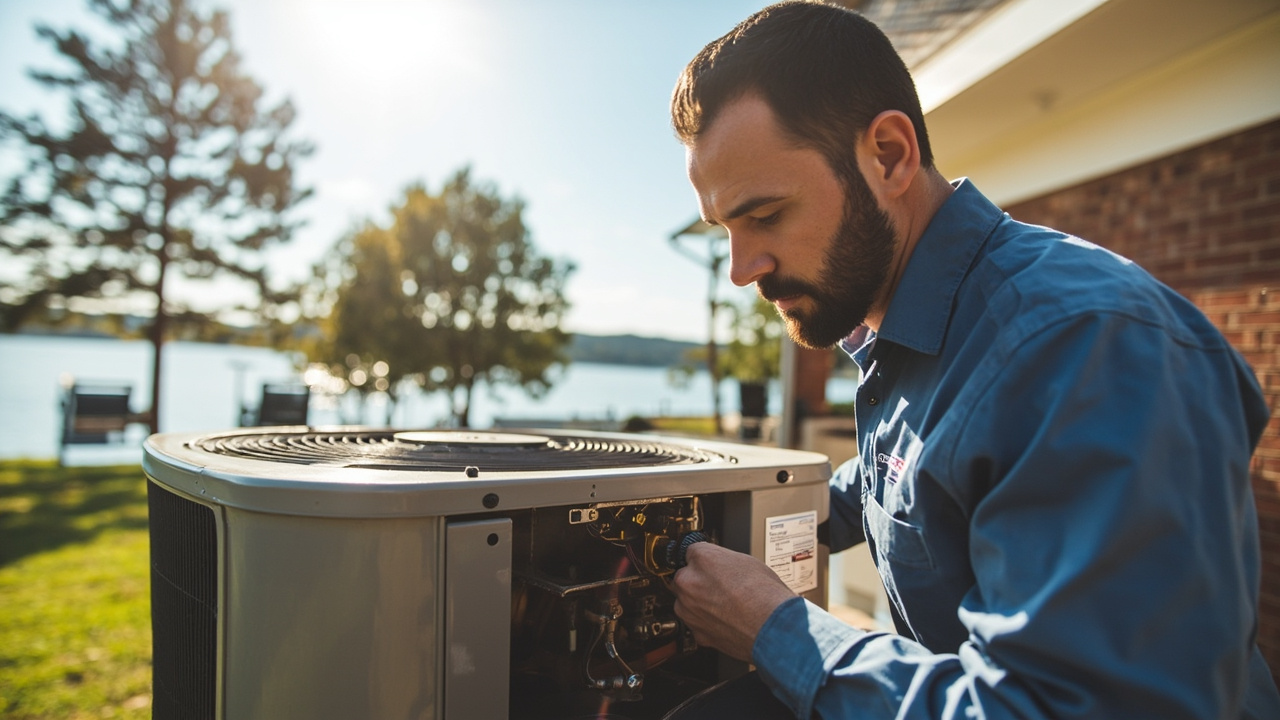
Living in Davidson during a North Carolina summer means dealing with heavy humidity and temperatures…
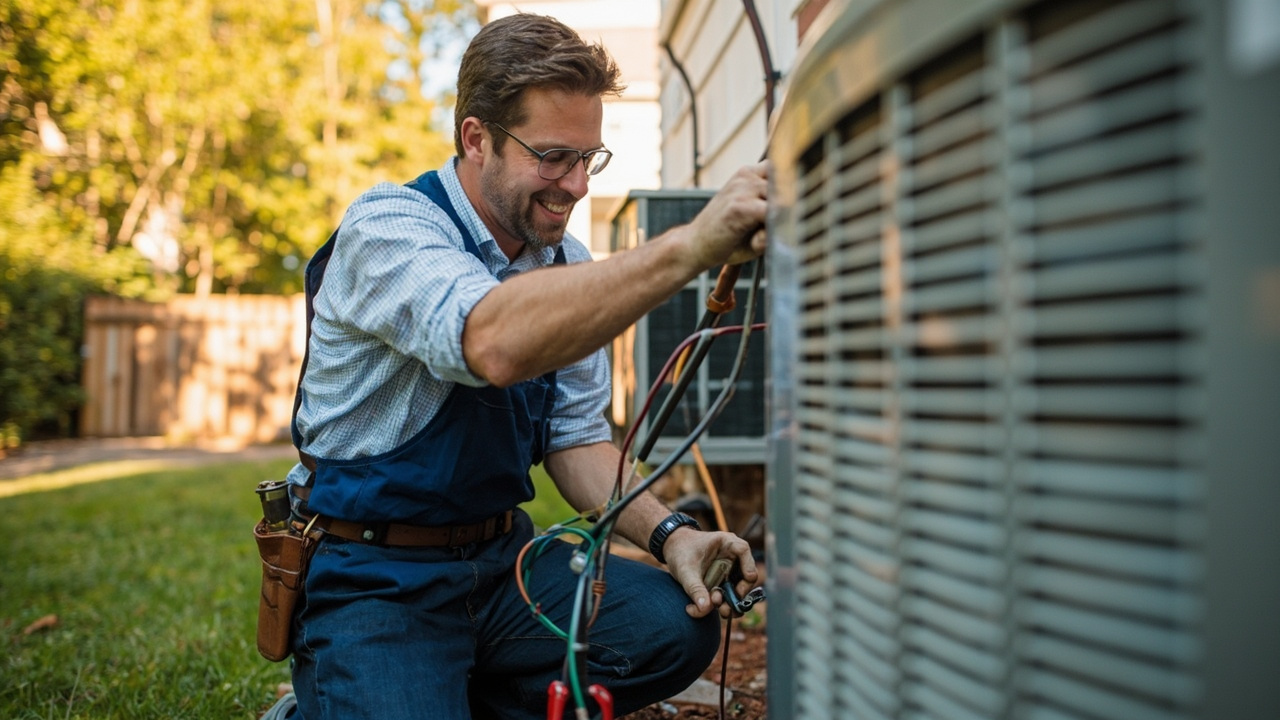
Expert Heat Pump Replacement in Cornelius NCHomeowners in Cornelius face a unique set of weather…
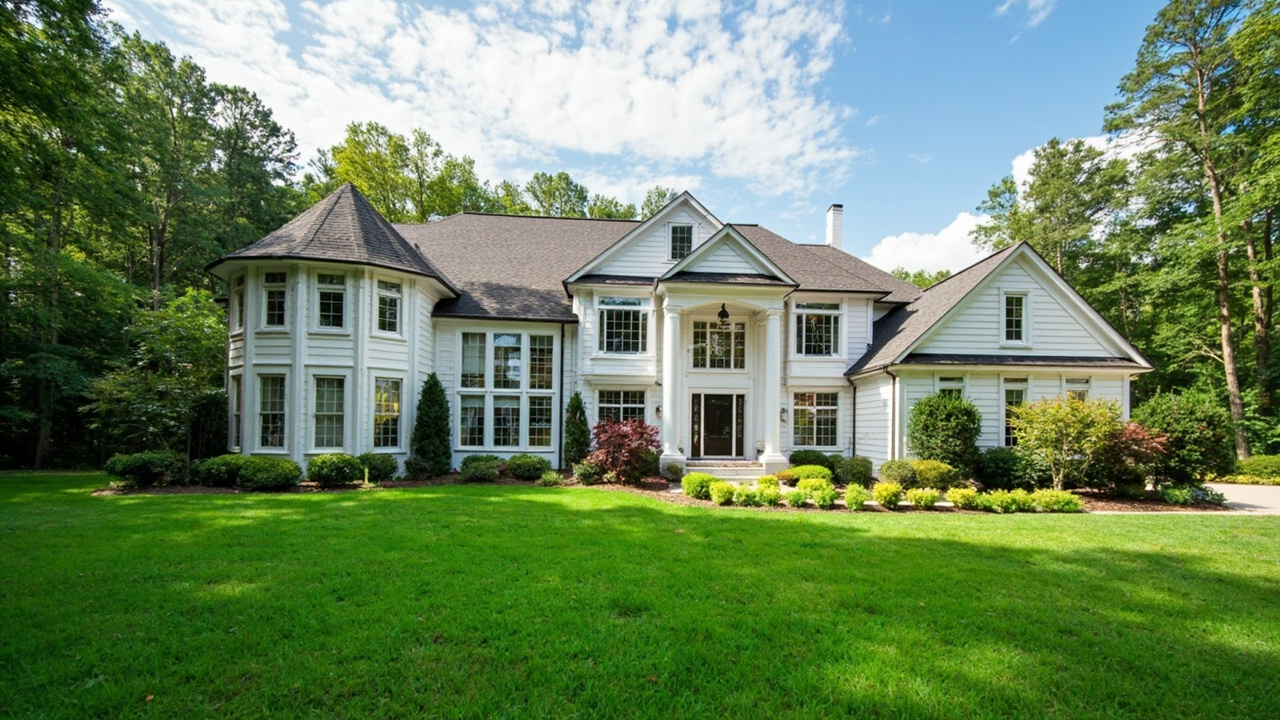
Smart Strategies to Lower Utility Bills for Large Quail Hollow Estates Managing a large estate…
Your comfort cannot wait. Call Keystone HVAC Charlotte at (980) 342-9990 for immediate dispatch to your Hickory location. We answer 24/7 and bring the parts and skills needed to fix your system today. Professional service is just one phone call away.