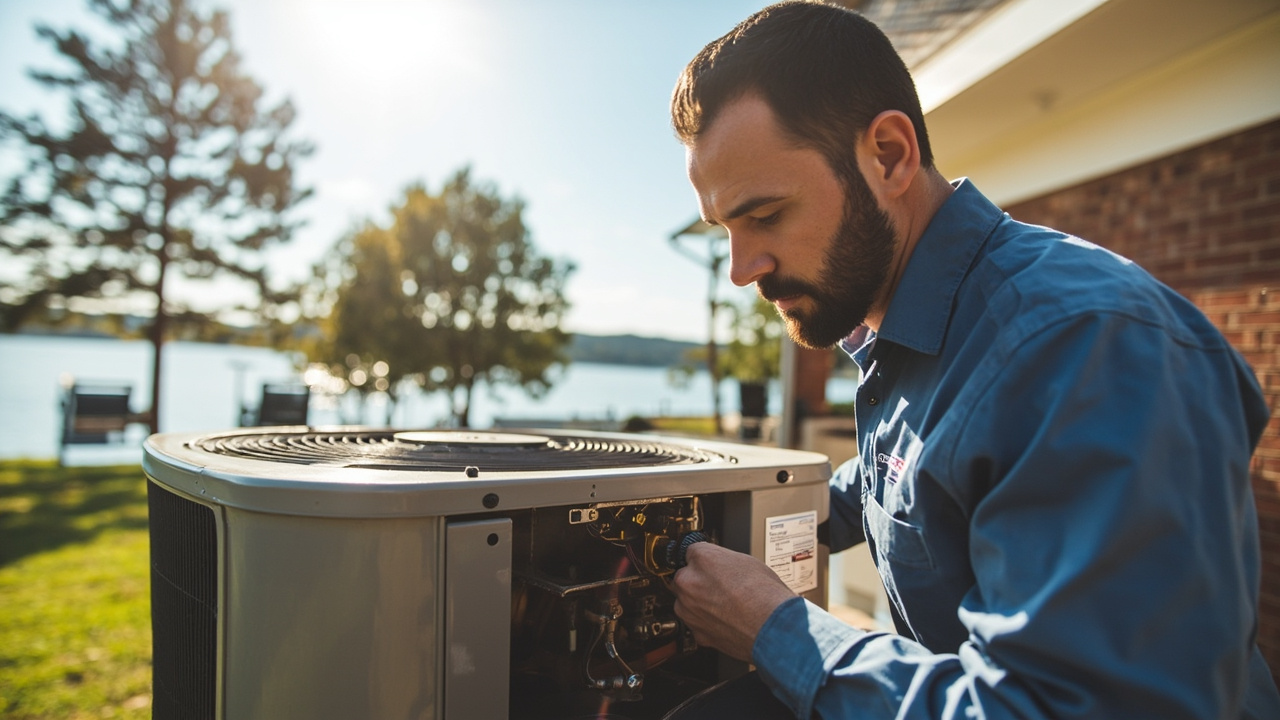
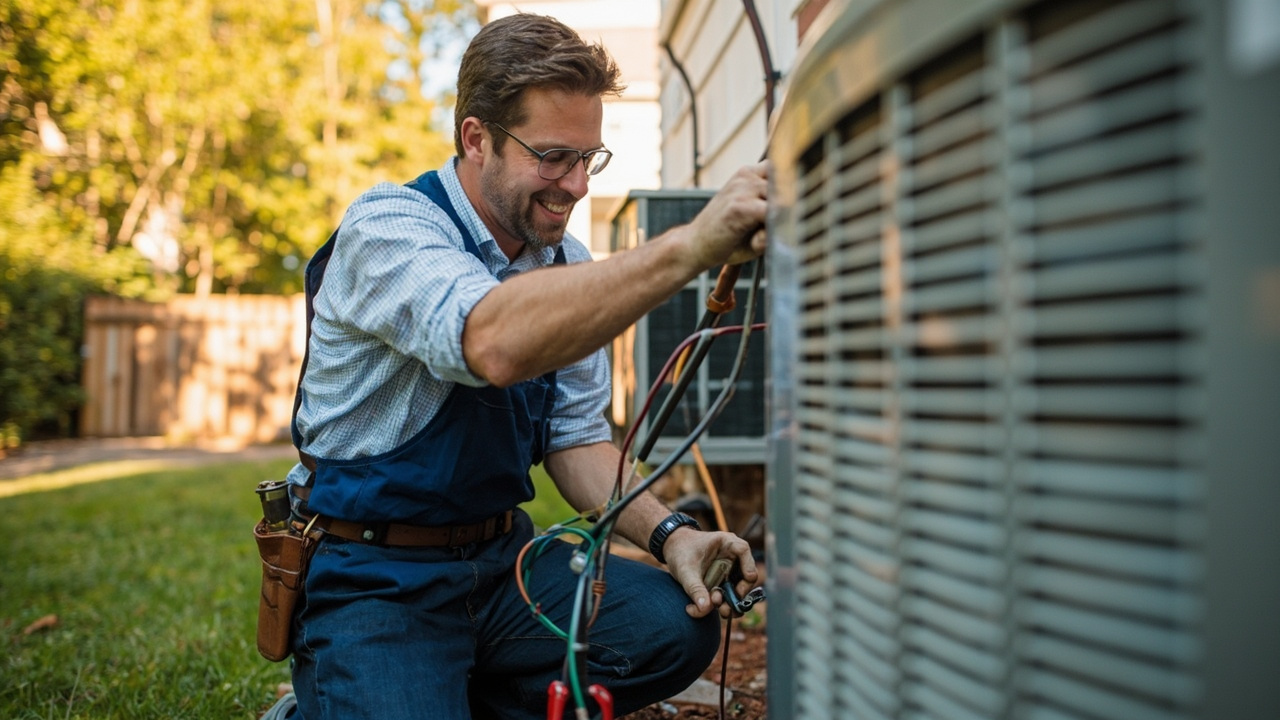
Charlotte averages 77 percent relative humidity during summer mornings, which forces heat pumps to work harder removing moisture than cooling air. This constant latent load stresses compressors and shortens their lifespan compared to drier climates. Spring and fall temperature swings create frequent cycling between heating and cooling modes, which wears reversing valves and increases refrigerant leak potential at connection points. Heat pump installers who do not account for Charlotte's humidity often undersize equipment, leading to short cycling and premature failure. Proper heat pump system installation requires matching equipment capacity to both sensible cooling and dehumidification needs specific to our Piedmont location.
Charlotte's building codes follow North Carolina mechanical and energy requirements that mandate specific SEER ratings, proper load calculations, and duct leakage testing for new installations. Keystone HVAC Charlotte pulls permits and coordinates inspections so your heat pump replacement meets legal requirements and qualifies for utility rebates. We maintain relationships with Mecklenburg County building inspectors and understand their specific documentation requirements. This local knowledge prevents failed inspections and project delays. When you hire heat pump installers familiar with Charlotte's regulatory environment, your project moves smoothly from permit application through final approval without costly surprises.