


Concord sits in the humid subtropical zone where summers hit 95 degrees with crushing humidity and winters drop below freezing. Your HVAC system runs harder here than in milder climates. The Piedmont clay soil shifts with seasonal moisture changes, stressing ductwork connections and refrigerant lines in crawl spaces and attics. Summer thunderstorms knock out power, surging compressors when electricity returns.
The older homes near downtown and around historic districts like Gibson Village were built before modern insulation standards. These homes leak conditioned air through original windows and inadequate attic insulation, forcing systems to cycle constantly. Newer construction in areas like Afton Ridge and Christenbury Plantation use builder-grade equipment that often fails within five years of installation.
Spring pollen from Concord's oak and pine trees clogs outdoor condenser coils, reducing efficiency by 30 percent. The annual freeze-thaw cycle cracks condensate drain lines, flooding air handlers. When your system fails here, it's not just uncomfortable. It's a health risk during heat advisories and a burst pipe risk during hard freezes. Your HVAC system is not optional in Concord. It's survival equipment that needs professional maintenance and fast emergency response when it fails.
We built our reputation in the Charlotte metro by showing up fast and fixing problems correctly. No upselling. No scare tactics. No pushing new systems when repairs make sense. When you call Keystone HVAC Charlotte, you get a technician who diagnoses the actual failure, not someone reading from a replacement sales script.
Our trucks carry common repair parts for Trane, Carrier, Lennox, Rheem, and Goodman systems. We fix most breakdowns during the first visit because we stock what fails most often in Piedmont homes. We don't make three trips for a capacitor replacement or refrigerant leak. We carry manifold gauges, leak detectors, and refrigerant on every truck.
We serve Concord because we understand how systems fail here. We know the clay soil foundation shifts that crack refrigerant lines. We recognize the brown staining on coils that means your drain line backs up every summer. We spot the electrical damage from lightning strikes that took out your compressor contactor. This knowledge comes from hundreds of service calls in neighborhoods from downtown to the northeast corridor near Concord Mills.
You won't get a different technician every visit. Our team stays consistent so we remember your system's history. We know if you replaced your blower motor last year or if your outdoor unit sits in afternoon sun that shortens compressor life. That continuity means faster diagnosis and repairs that consider your system's specific wear patterns. We treat your home like it's ours because our reputation depends on your comfort and your referrals to neighbors.

We answer calls seven days a week and dispatch within two hours for no cooling or no heat emergencies. Your family shouldn't sweat through a 95-degree night or shiver through a freezing morning waiting for help. We prioritize comfort emergencies because we know Concord's weather doesn't respect business hours.

We tell you what failed and what it costs to fix before touching your system. If repair costs approach replacement value, we explain that too. You decide what makes financial sense for your home. We're technicians, not commissioned salespeople. Our job is fixing problems, not manufacturing them.
Our trucks carry the parts that fail most in Carolina climates. Capacitors, contactors, thermostats, blower motors, and refrigerant. We complete most repairs during the first visit instead of ordering parts and rescheduling. That means your system gets fixed today, not next week.
We work exclusively in the Charlotte metro, which means faster response times to Concord addresses. We're not driving from two counties away. We know your neighborhoods, your home construction types, and the HVAC challenges specific to Piedmont clay soil and humid summers.
Your heating and cooling system has multiple failure points. The outdoor condenser, indoor air handler, ductwork, thermostat, and refrigerant lines all work together. When one component fails, your entire home loses comfort. Keystone HVAC Charlotte handles every aspect of residential climate control from emergency breakdowns to planned replacements.
We repair all major brands including systems installed by builders, big box stores, and previous HVAC companies. We service central air conditioning, heat pumps, gas furnaces, and electric heating systems. Our work covers mechanical failures, electrical problems, refrigerant leaks, airflow issues, and thermostat malfunctions.
Beyond emergency repairs, we perform maintenance that prevents breakdowns during extreme weather. We also handle full system replacements when repair costs no longer make financial sense. Whether your compressor failed on a Sunday afternoon or you're planning to replace a 15-year-old system before next summer, we provide the service that matches your situation. Our three core service areas cover immediate emergencies, ongoing system care, and complete installations for Concord homes.
Your air conditioner stopped cooling or your heat quit working. We respond the same day for comfort emergencies. Our technicians diagnose compressor failures, refrigerant leaks, blower motor burnouts, electrical failures, and frozen coils. We carry common replacement parts on every truck to complete most repairs during the first visit. You get your comfort back fast without multiple appointments or overnight waits. Emergency service includes evenings and weekends when breakdowns happen most.
Regular maintenance catches problems before they cause breakdowns. We clean condenser coils clogged with Concord pollen, check refrigerant levels, test capacitors, inspect electrical connections, and verify airflow. Spring tune-ups prepare your AC for summer heat. Fall service ensures your furnace fires safely when temperatures drop. Maintenance visits include filter changes, thermostat calibration, and condensate drain cleaning. This scheduled service extends equipment life and prevents the middle-of-the-night emergency calls that cost more.
Systems over 12 years old often fail expensively. Compressor replacement can cost half of a new system. We provide honest assessments about when replacement makes better financial sense than continued repairs. New installations include proper sizing calculations based on your home's square footage and insulation levels. We handle permits, remove old equipment, install new systems, and verify refrigerant charge and airflow. Replacement service covers matching indoor and outdoor units for maximum efficiency and reliability.
Concord's climate and construction patterns create predictable HVAC failures. The humid summers stress cooling systems while sudden winter freezes challenge heating equipment. Older homes near downtown lack proper insulation, forcing systems to run constantly. Newer subdivisions use builder-grade equipment that fails prematurely. The Piedmont red clay soil shifts seasonally, cracking refrigerant lines in crawl spaces.
Spring pollen from oak and pine trees blankets outdoor condenser units, restricting airflow and reducing cooling capacity. Summer thunderstorms cause power surges that damage compressors and control boards. Winter ice dams in gutters back up onto roofs, flooding attic air handlers when they melt. These local conditions combine with normal wear on motors, capacitors, and contactors to create the breakdowns we repair daily.
Understanding these patterns helps us diagnose problems faster. When a Concord homeowner calls about weak cooling in July, we check the outdoor coil for pollen buildup first. When someone reports no heat after a January cold snap, we inspect the condensate drain for ice blockage. Local knowledge turns generic troubleshooting into targeted repairs that fix your specific problem.
Your air conditioner runs but doesn't cool when you need it most. The compressor failed, refrigerant leaked out, or the outdoor coil is so clogged with pollen that it can't release heat. We diagnose which component failed and restore cooling fast. Most causes get fixed the same day.
Your thermostat calls for heat but nothing happens. The igniter cracked, the gas valve failed, or the flame sensor is covered in carbon deposits. We carry replacement igniters and sensors on every truck. Most furnace no-heat calls get resolved during the first visit so your family stays warm.
Water drips from your air handler or pools around the indoor unit. The condensate drain line clogged with algae, the drain pan rusted through, or the evaporator coil froze and is now melting. We clear blocked drains, replace pans, and fix the airflow problems that cause coil freezing.
One room stays hot while others feel comfortable. Ductwork in your attic or crawl space came apart at seams, insulation fell away from supply ducts, or dampers closed accidentally. We find the disconnected or damaged ductwork and restore proper airflow to every room in your home.
We answer your call personally, not through an automated system or offshore call center. You speak with someone who understands HVAC problems and can assess your situation immediately. We ask about symptoms, when they started, and whether you have cooling or heating. For emergencies like no air conditioning during heat advisories or no heat during freezes, we dispatch within two hours.
Our technician arrives in a marked truck with your scheduled time window. We call 30 minutes before arrival so you're not waiting around all day. The technician introduces himself, puts on shoe covers, and asks detailed questions about what you've noticed. We inspect your system thoroughly before diagnosing the problem.
After diagnosis, we explain what failed in plain language. No technical jargon designed to confuse you into approving unnecessary work. We provide a flat-rate price for the repair before starting work. You decide if you want to proceed. If you approve, we complete the repair using parts from our truck. We test the system to verify it works correctly, clean up our work area, and answer your questions about preventing future problems. You get a written invoice detailing exactly what we fixed and what parts we installed. Professional HVAC service shouldn't feel complicated or stressful. We make it straightforward.
You'll never wonder what's happening with your service call. We confirm your appointment time, call before arrival, and explain our findings in detail. Our technician shows you the failed part when possible and explains why it failed. You get a written estimate before we start any repair work. After completion, we walk you through what we fixed and answer questions about system care.
We provide flat-rate pricing for repairs after diagnosis. You know the total cost before we touch your system. No hidden fees for weekends, evenings, or emergency calls. The price we quote is the price you pay. If we discover additional problems during repair, we stop and get your approval before proceeding. You control what gets fixed based on your budget and priorities.
Our technicians complete repairs correctly using proper parts and procedures. We don't rig temporary fixes that fail next month. We install manufacturer-specified components, braze refrigerant connections properly, and verify system performance before leaving. If something doesn't work right after our service, we come back and make it right at no additional charge. Your satisfaction determines our reputation.
HVAC repairs shouldn't take multiple visits or drag out for days. We complete most service calls in three clear steps. You get fast diagnosis, honest pricing, and same-visit repairs.
Our technician tests your system using manifold gauges for refrigerant pressure, multimeters for electrical continuity, and amp meters for motor performance. We check airflow, inspect ductwork connections, and verify thermostat operation. This thorough diagnosis identifies the actual problem, not just the symptoms. We explain what failed and what caused the failure so you understand the repair need.
After you approve the repair estimate, we complete the work using parts from our truck. We replace failed components, braze refrigerant lines, wire electrical connections, and clean affected areas. For air conditioning service, we pull vacuum on the refrigerant system and verify proper charge. For furnace repair, we test ignition sequence and verify flame operation. Professional installation means the repair lasts.
We run your system through complete heating or cooling cycles to verify proper operation. We measure supply air temperature, check refrigerant pressures, and confirm the thermostat controls the system correctly. You see the system working before we leave. We clean our work area and provide maintenance recommendations to prevent future breakdowns. You get a detailed invoice showing what we repaired and what parts we installed.
Professional HVAC work in North Carolina follows strict codes and manufacturer specifications. The North Carolina Mechanical Code requires permits for system replacements and major repairs involving refrigerant recovery. Licensed technicians must hold EPA Section 608 certification to handle refrigerants legally. We maintain both state contractor licenses and EPA certifications for our entire team.
Refrigerant work requires pulling vacuum to 500 microns before charging to remove moisture and air from the system. Moisture in refrigerant lines causes acid formation that eats compressor windings from inside. We use micron gauges to verify proper vacuum levels, not the shortcut methods that leave systems vulnerable to early failure. Brazing copper refrigerant lines requires flowing nitrogen through the line during heating to prevent internal oxidation. Those black flakes inside your lines are oxidation scale from improper brazing that clogs metering devices and wrecks compressors.
Electrical work must follow National Electrical Code standards for wire sizing, disconnect placement, and overcurrent protection. Undersized wire causes voltage drop that burns out compressor motors. Improperly sized fuses allow motors to overheat without tripping protection. We verify electrical installations with voltage and amperage measurements under load conditions, not just visual inspection.
Air conditioning systems in Concord's humid climate need proper condensate drainage. We install traps in drain lines to maintain proper air pressure in the drain pan. Without traps, negative pressure in ductwork pulls water back into the pan and eventually overflows. We pitch drain lines properly and install secondary overflow switches that shut down the system before water damages ceilings. These technical details separate professional installation from handyman shortcuts that cause expensive callbacks and property damage.
Federal law requires EPA Section 608 certification to purchase, handle, or install refrigerants. We recover old refrigerant properly instead of venting it illegally. We charge systems by weight using calibrated scales, not by guessing with gauge pressure. Proper refrigerant charge directly affects system efficiency and compressor life. Overcharging causes high head pressure that kills compressors.
We calculate cooling loads using Manual J procedures that account for your home's insulation, window area, orientation, and occupancy. Oversized systems cost more and cool poorly because they short-cycle without removing humidity. Undersized systems run constantly without reaching target temperature. Proper sizing requires measurements and calculations, not rules of thumb based on square footage alone.
Air handlers require 400 cubic feet per minute of airflow per ton of cooling capacity. Restricted airflow from undersized ducts or dirty filters causes evaporator coils to freeze. We measure static pressure in ductwork to verify proper design. Flex duct must be stretched tight without compression or sagging that restricts flow. Poorly installed ductwork wastes energy and causes comfort problems regardless of equipment quality.
Cabarrus County requires mechanical permits for system replacements and substantial modifications. Permitted work includes inspection to verify proper installation before receiving final approval. We pull permits, coordinate inspections, and provide documentation for your records. Unpermitted work can complicate home sales and void equipment warranties. Professional contractors handle permitting as part of installation service.
Educational video explaining the HVAC repair process for Concord, North Carolina homeowners experiencing heating and cooling system failures. Covers common breakdowns like compressor failures, refrigerant leaks, and furnace problems specific to Piedmont climate conditions. Explains diagnostic procedures, repair methods, and proper service standards for residential air conditioning and heating systems. Provides guidance on choosing repair versus replacement for failed equipment.
Keystone HVAC Charlotte provides heating and cooling service throughout Concord's diverse neighborhoods and surrounding Cabarrus County communities. We respond quickly to calls from downtown's historic Gibson Village district where older homes need specialized ductwork solutions for century-old construction. The tree-lined streets near the Cabarrus County Courthouse feature homes with original HVAC systems that require expert repair and eventual replacement.
Northeast Concord's newer developments like Afton Ridge and Christenbury Plantation present different challenges. These subdivisions feature builder-grade HVAC equipment installed during construction booms that often fails within the first five years. We handle warranty work and system upgrades for homeowners discovering their builder chose the cheapest equipment available. The neighborhoods around Concord Mills and the Speedway Boulevard corridor include both residential and light commercial properties that need flexible service schedules.
South Concord communities near Weddington Road and the Union County line feature larger homes on bigger lots where ductwork runs get longer and systems work harder to maintain even temperatures. We size replacement systems properly for these homes instead of simply matching existing tonnage. Western Concord areas approaching Charlotte Douglas International Airport deal with construction vibration and noise concerns that affect HVAC installations.
The communities along Highway 29 north toward Kannapolis and south toward Charlotte represent our core service area. We know these neighborhoods well from years of service calls. We understand which subdivisions have chronic ductwork problems from poor original installation and which areas have hard water that clogs condensate drains faster. We serve Harrisburg to the east and Kannapolis to the north with the same fast response times Concord residents expect.
Our service area includes the Rural parts of Cabarrus County where homes use heat pumps exclusively because natural gas service isn't available. We maintain these systems year-round since they provide both heating and cooling. Whether you live in a historic downtown home, a new subdivision, or a rural property outside town, we provide the same professional service and fast emergency response. Local knowledge matters in HVAC service because we've already solved the problems your neighborhood faces.
The $5000 rule helps you decide between repair or replacement. If your system's age multiplied by the repair cost exceeds $5000, replacement makes more sense. For example, a 15-year-old unit needing a $400 repair equals $6000, so replacement wins. In Concord's humid climate, older systems work harder and fail faster due to constant moisture stress on coils and compressors. This rule accounts for efficiency loss over time. A new system cuts energy bills and prevents repeat breakdowns during our sweltering summers when you need reliability most.
Average HVAC systems in Concord range widely based on size, efficiency rating, and ductwork condition. A standard residential replacement typically falls in the mid-range for equipment and installation combined. Factors affecting your cost include tonnage needed for square footage, SEER rating for energy efficiency, and whether your existing ductwork needs modification. Concord's clay soil can shift foundations and stress ductwork over time, potentially adding to installation complexity. High-efficiency units cost more upfront but save money monthly in our climate where AC runs six months yearly.
Concord is not a manufacturer name. You may be thinking of brand confusion or a local company name. Major HVAC manufacturers include Carrier, Trane, Lennox, Rheem, Goodman, and York. These brands produce the actual equipment. Local Concord contractors install and service various brands. When choosing equipment for Concord homes, focus on humidity control features and efficiency ratings suited to North Carolina's sticky summers. The installer matters more than brand alone. Poor installation ruins even premium equipment, while quality installation maximizes any brand's performance and lifespan.
The $5000 rule helps you decide between repair or replacement. If your system's age multiplied by the repair cost exceeds $5000, replacement makes more sense. For example, a 15-year-old unit needing a $400 repair equals $6000, so replacement wins. In Concord's humid climate, older systems work harder and fail faster due to constant moisture stress on coils and compressors. This rule accounts for efficiency loss over time. A new system cuts energy bills and prevents repeat breakdowns during our sweltering summers when you need reliability most.
Average HVAC systems in Concord range widely based on size, efficiency rating, and ductwork condition. A standard residential replacement typically falls in the mid-range for equipment and installation combined. Factors affecting your cost include tonnage needed for square footage, SEER rating for energy efficiency, and whether your existing ductwork needs modification. Concord's clay soil can shift foundations and stress ductwork over time, potentially adding to installation complexity. High-efficiency units cost more upfront but save money monthly in our climate where AC runs six months yearly.
Concord is not a manufacturer name. You may be thinking of brand confusion or a local company name. Major HVAC manufacturers include Carrier, Trane, Lennox, Rheem, Goodman, and York. These brands produce the actual equipment. Local Concord contractors install and service various brands. When choosing equipment for Concord homes, focus on humidity control features and efficiency ratings suited to North Carolina's sticky summers. The installer matters more than brand alone. Poor installation ruins even premium equipment, while quality installation maximizes any brand's performance and lifespan.
Installing AC in a 2000 square foot Concord home depends on several factors. You need a 3 to 4 ton system for that size, assuming standard 8-foot ceilings and average insulation. If adding AC to a house without existing ductwork, costs jump significantly because you need full duct installation throughout walls and attic spaces. Concord's older homes near the historic district often lack ducts, making mini-split systems a viable alternative. Climate matters here since our humidity demands proper sizing to control moisture, not just temperature.
Yes, but only for high-efficiency systems meeting specific criteria. The Inflation Reduction Act extends tax credits through 2032 for qualifying HVAC equipment. Your system must meet ENERGY STAR efficiency thresholds. Heat pumps and central AC units qualify if they hit minimum SEER2 and EER2 ratings. The credit covers a percentage of project costs up to annual limits. Concord homeowners benefit because upgraded efficiency cuts summer cooling bills substantially. Keep all receipts and manufacturer certification statements. Consult a tax professional since rules change and income limits apply.
The 3 minute rule protects your compressor from short cycling damage. After your AC shuts off, wait at least 3 minutes before restarting it. This allows refrigerant pressure to equalize between the high and low sides of the system. Restarting too quickly forces the compressor to work against unbalanced pressure, causing strain and potential failure. In Concord's heat, thermostats cycling rapidly during peak afternoon temps can trigger this issue. Modern systems have built-in delay timers. If yours lacks one or you manually control the thermostat, respect this rule.
A 1200 square foot house in Concord typically needs a 2 to 2.5 ton system. Costs vary based on efficiency rating, ductwork condition, and installation complexity. Smaller homes often have tighter budgets but need properly sized equipment. Oversizing wastes money and creates humidity problems in our climate since the unit cools too quickly without adequate dehumidification time. Undersizing runs constantly and fails early. Concord's ranch-style homes common in older neighborhoods fit this square footage. Attic duct condition matters since summer attic temps exceed 140 degrees, stressing equipment.
Average HVAC lifespan runs 15 to 20 years with proper maintenance. Concord's climate shortens this slightly due to extended cooling seasons and high humidity stressing components. Systems running eight months yearly accumulate wear faster than northern units operating four months. Furnaces last longer than AC units. Heat pumps, which work year-round, fall on the shorter end. Lack of annual maintenance cuts lifespan dramatically. Dirty coils, clogged filters, and refrigerant leaks accelerate failure. Regular professional service and filter changes extend equipment life and maintain efficiency throughout the system's operational years.
No single brand dominates. Tier-one manufacturers like Carrier, Trane, and Lennox offer premium features and build quality. Mid-tier brands like Rheem, Ruud, and American Standard provide solid reliability at lower price points. Budget brands like Goodman deliver basic function affordably. For Concord homes, prioritize proper sizing, quality installation, and humidity control features over brand name. A perfectly installed mid-tier system outperforms a poorly installed premium unit. Choose contractors based on training, experience, and local reputation. The installer's skill matters more than the equipment badge on your condenser.
Costco partners with Lennox for HVAC sales and installation. They offer package deals through approved local contractors who install Lennox equipment. Pricing includes equipment, installation, and extended warranties. The value depends on your specific home needs and existing ductwork condition. Concord residents should verify the installing contractor's local experience and licensing. Big-box purchasing works for straightforward replacements but may lack customization for unique situations like homes with damaged ductwork or zoning needs. Compare quotes from independent contractors who offer multiple brands and flexible solutions tailored to your home's specific requirements.
Installing AC in a 2000 square foot Concord home depends on several factors. You need a 3 to 4 ton system for that size, assuming standard 8-foot ceilings and average insulation. If adding AC to a house without existing ductwork, costs jump significantly because you need full duct installation throughout walls and attic spaces. Concord's older homes near the historic district often lack ducts, making mini-split systems a viable alternative. Climate matters here since our humidity demands proper sizing to control moisture, not just temperature.
Yes, but only for high-efficiency systems meeting specific criteria. The Inflation Reduction Act extends tax credits through 2032 for qualifying HVAC equipment. Your system must meet ENERGY STAR efficiency thresholds. Heat pumps and central AC units qualify if they hit minimum SEER2 and EER2 ratings. The credit covers a percentage of project costs up to annual limits. Concord homeowners benefit because upgraded efficiency cuts summer cooling bills substantially. Keep all receipts and manufacturer certification statements. Consult a tax professional since rules change and income limits apply.
The 3 minute rule protects your compressor from short cycling damage. After your AC shuts off, wait at least 3 minutes before restarting it. This allows refrigerant pressure to equalize between the high and low sides of the system. Restarting too quickly forces the compressor to work against unbalanced pressure, causing strain and potential failure. In Concord's heat, thermostats cycling rapidly during peak afternoon temps can trigger this issue. Modern systems have built-in delay timers. If yours lacks one or you manually control the thermostat, respect this rule.
A 1200 square foot house in Concord typically needs a 2 to 2.5 ton system. Costs vary based on efficiency rating, ductwork condition, and installation complexity. Smaller homes often have tighter budgets but need properly sized equipment. Oversizing wastes money and creates humidity problems in our climate since the unit cools too quickly without adequate dehumidification time. Undersizing runs constantly and fails early. Concord's ranch-style homes common in older neighborhoods fit this square footage. Attic duct condition matters since summer attic temps exceed 140 degrees, stressing equipment.
Average HVAC lifespan runs 15 to 20 years with proper maintenance. Concord's climate shortens this slightly due to extended cooling seasons and high humidity stressing components. Systems running eight months yearly accumulate wear faster than northern units operating four months. Furnaces last longer than AC units. Heat pumps, which work year-round, fall on the shorter end. Lack of annual maintenance cuts lifespan dramatically. Dirty coils, clogged filters, and refrigerant leaks accelerate failure. Regular professional service and filter changes extend equipment life and maintain efficiency throughout the system's operational years.
No single brand dominates. Tier-one manufacturers like Carrier, Trane, and Lennox offer premium features and build quality. Mid-tier brands like Rheem, Ruud, and American Standard provide solid reliability at lower price points. Budget brands like Goodman deliver basic function affordably. For Concord homes, prioritize proper sizing, quality installation, and humidity control features over brand name. A perfectly installed mid-tier system outperforms a poorly installed premium unit. Choose contractors based on training, experience, and local reputation. The installer's skill matters more than the equipment badge on your condenser.
Costco partners with Lennox for HVAC sales and installation. They offer package deals through approved local contractors who install Lennox equipment. Pricing includes equipment, installation, and extended warranties. The value depends on your specific home needs and existing ductwork condition. Concord residents should verify the installing contractor's local experience and licensing. Big-box purchasing works for straightforward replacements but may lack customization for unique situations like homes with damaged ductwork or zoning needs. Compare quotes from independent contractors who offer multiple brands and flexible solutions tailored to your home's specific requirements.
Keystone proudly serves homes and businesses throughout Charlotte and nearby areas. Whether you’re looking for fast repairs, expert installations, or seasonal HVAC maintenance, our team is just a call away. Use the map below to locate our service area or office location, and don’t hesitate to reach out if you have questions. We’re committed to making your experience seamless from the first call to the final service. Let us show you why we’re Charlotte’s go-to HVAC experts.
Address:
Concord, NC, 28025

Waxhaw is growing at a fast pace. New residential projects are popping up from the edges of the historic village to the sprawling developments near the state line. If you are building a custom home…
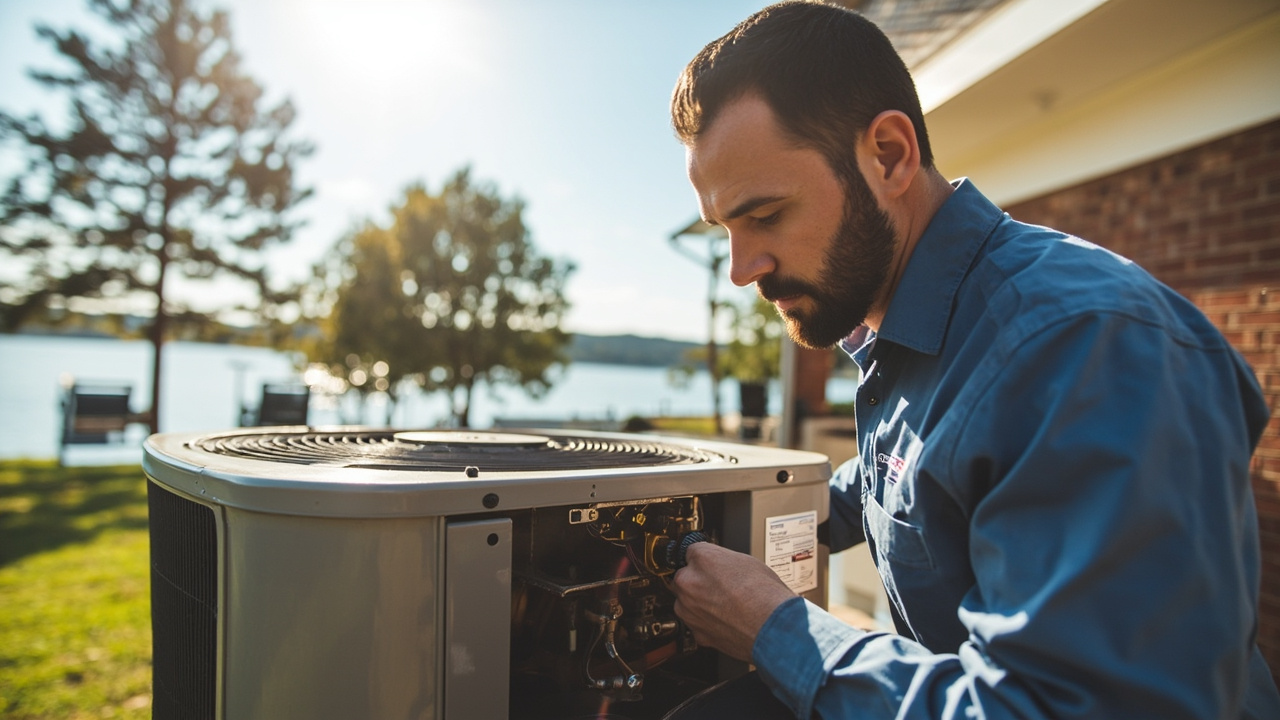
Living in Davidson during a North Carolina summer means dealing with heavy humidity and temperatures…
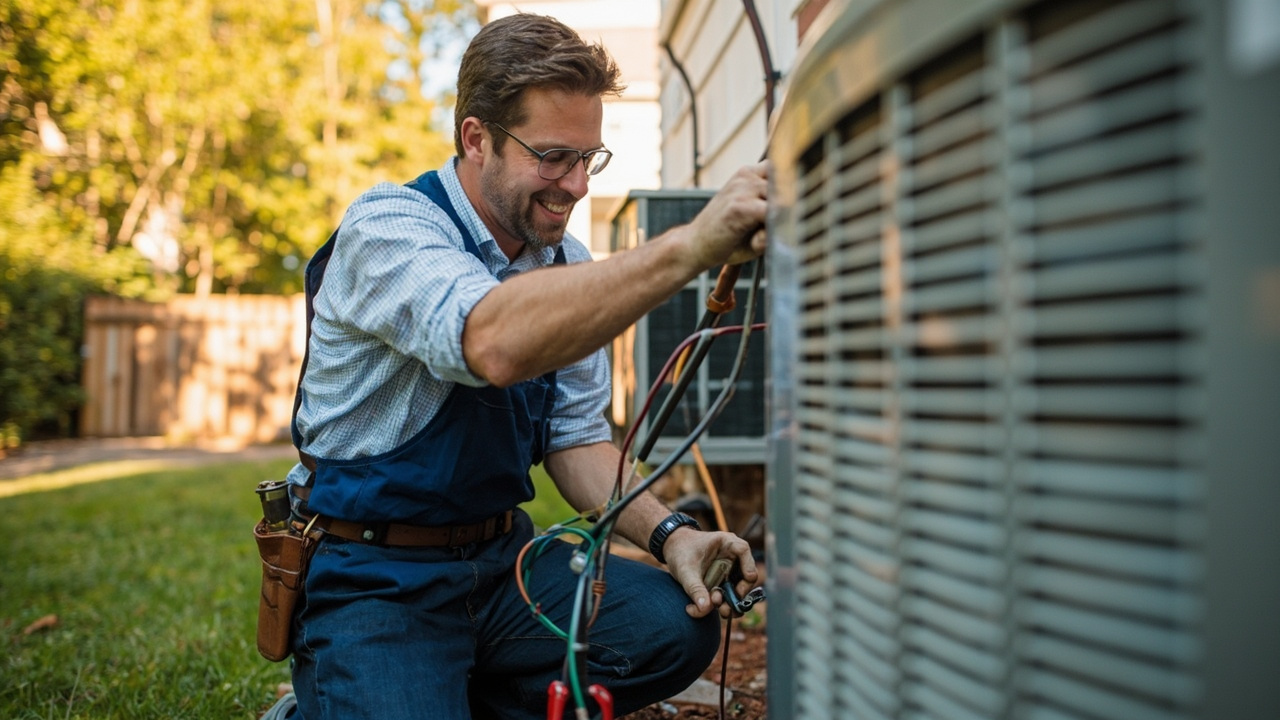
Expert Heat Pump Replacement in Cornelius NCHomeowners in Cornelius face a unique set of weather…
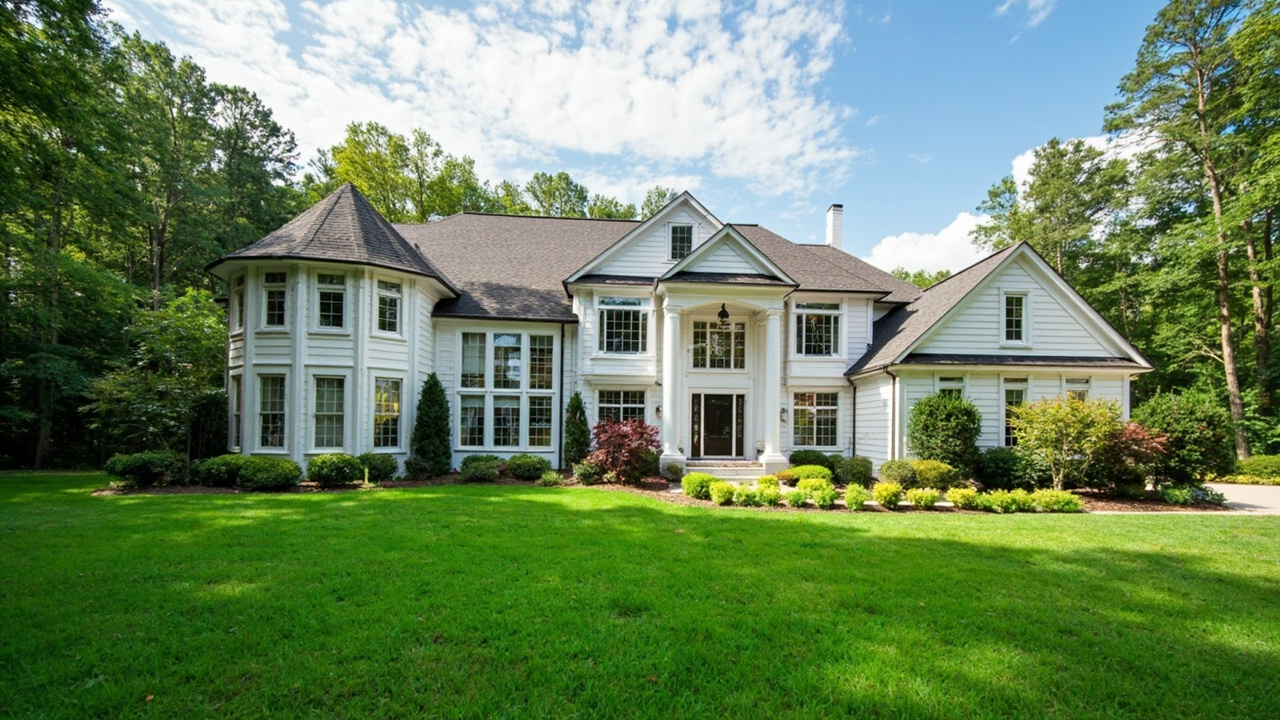
Smart Strategies to Lower Utility Bills for Large Quail Hollow Estates Managing a large estate…
Your comfort can't wait when your system fails. Call Keystone HVAC Charlotte now at (980) 342-9990 for same-day emergency service. We'll diagnose your problem, provide honest pricing, and fix it right. Available seven days a week for Concord heating and cooling emergencies.