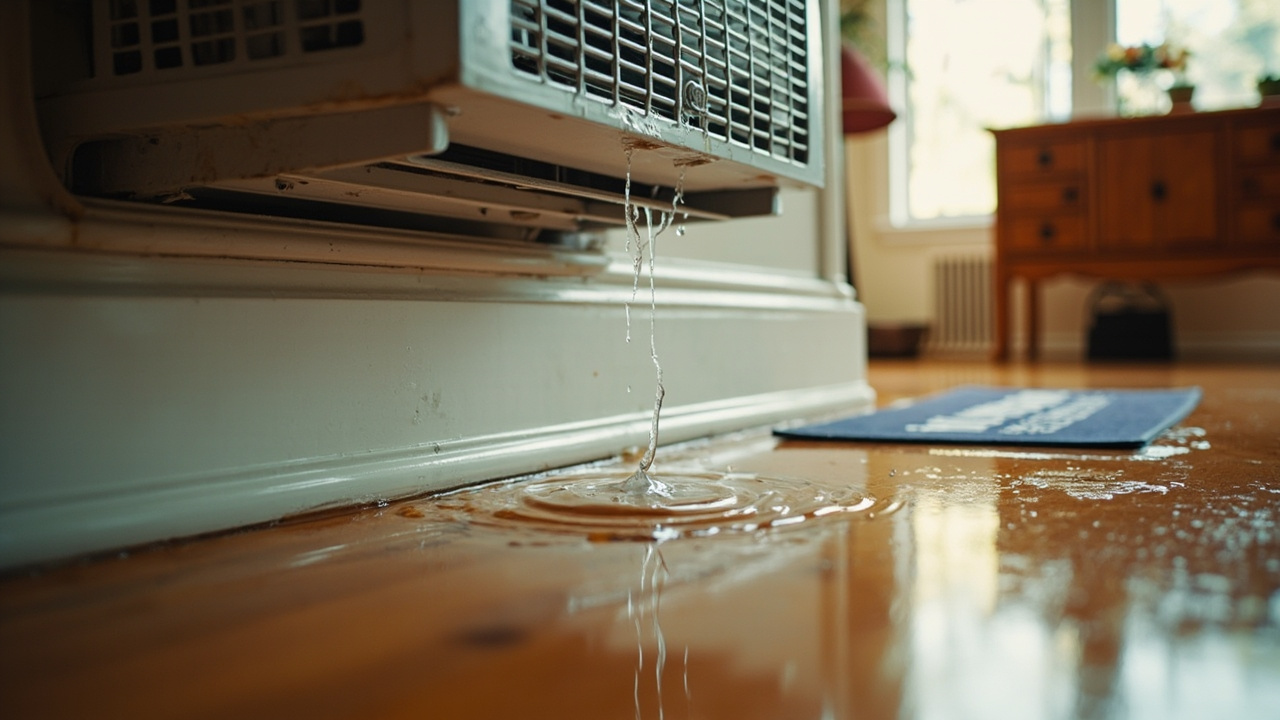
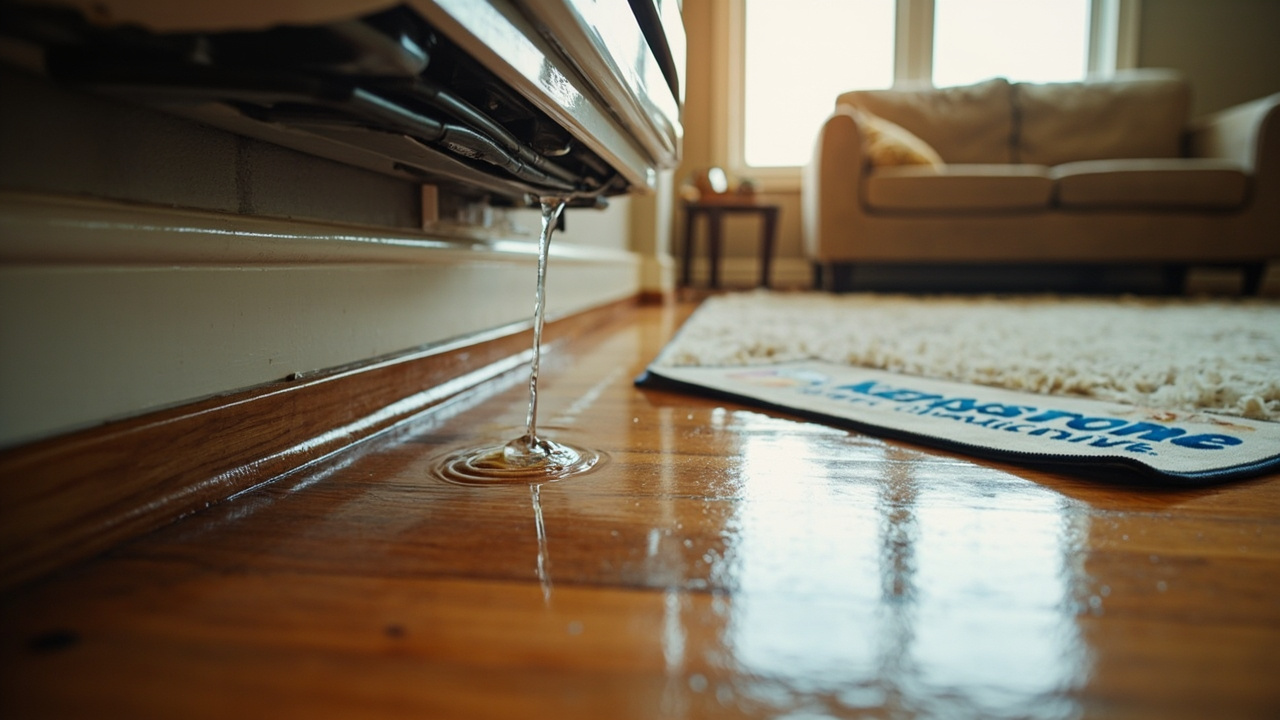
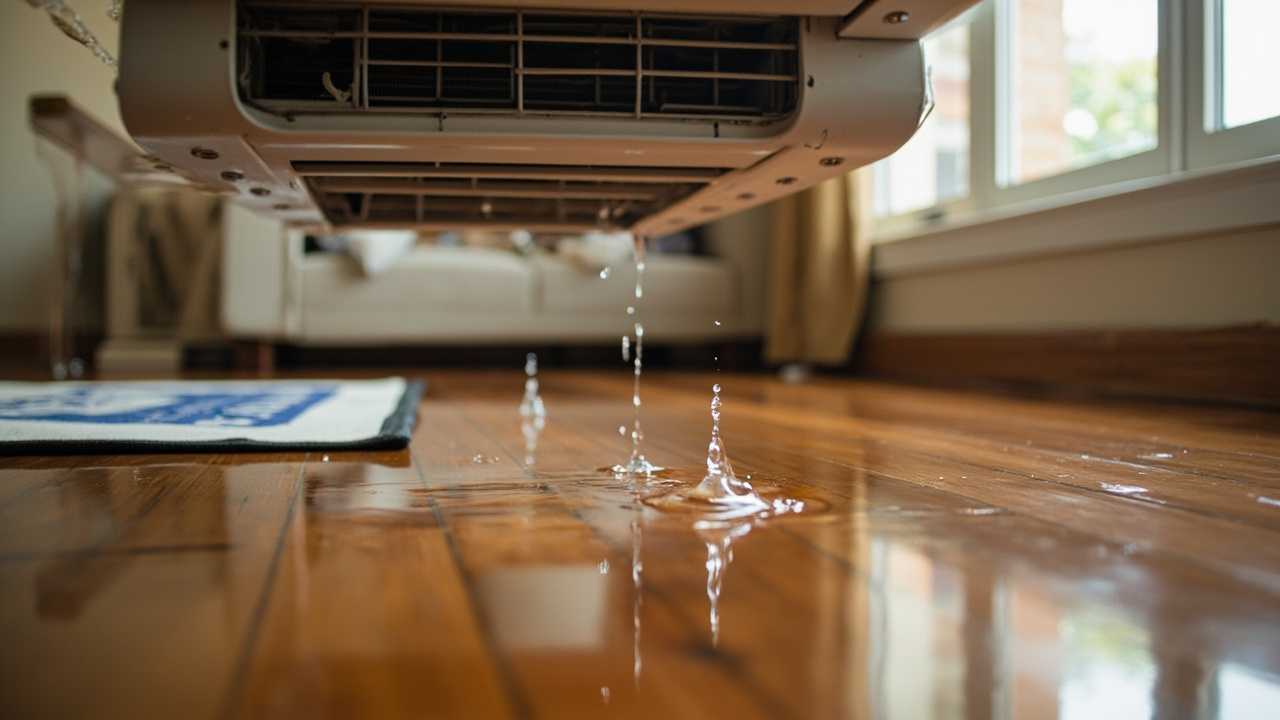
Charlotte sits in the Piedmont region, where summer humidity regularly hits 70% to 90%. Your air conditioner pulls that moisture from the air, and during peak cooling season, a properly functioning AC system can produce 20 gallons of condensate per day. That water flows through a drain line that is only three-quarters of an inch wide. One algae bloom or one insect nest in that line causes a backup, and suddenly you have water dripping from your AC unit onto your floor. The same humidity that causes the leak also accelerates mold growth once water enters your walls or ceiling. You have less time to fix the problem before secondary damage starts.
Mecklenburg County building codes require secondary drain pans and float switches on certain HVAC installations, but older homes built before these codes were updated often lack these safeguards. If your home was built before 2000, there is a good chance your AC system does not have a backup drain pan or an emergency shutoff switch. That means if your primary drain line clogs, water goes straight into your home with no warning. We know the local code requirements and we bring older systems up to current standards during repairs. You get protection that matches what new construction requires.