


Fort Mill sits in a climate zone that punishes heating and cooling equipment. Summer temperatures push past 95 degrees with humidity levels that make your air conditioner run 12 hours a day just to keep your home comfortable. Winter brings freeze-thaw cycles that stress furnace components and ductwork. The red clay soil common throughout Baxter, Springfield, and the areas near Lake Wylie shifts foundations, which can separate duct connections and create air leaks that waste energy.
Carolina pollen counts rank among the highest in the nation. Your HVAC filter clogs faster here than in drier climates, restricting airflow and forcing your system to work harder. This constant strain means Fort Mill systems need more frequent maintenance and typically fail sooner than equipment in milder regions.
Local building codes require specific SEER ratings for new installations, and older homes near Downtown Fort Mill often have undersized ductwork that creates hot and cold spots. Understanding these regional factors separates competent HVAC service from guesswork. Your system is not just cooling air. It is fighting humidity, managing temperature extremes, and filtering massive amounts of particulates every single day.
Keystone HVAC Charlotte earned its reputation in Fort Mill by showing up when other companies send you to voicemail. We staff technicians around the clock because air conditioners fail at 9 PM on Saturday and furnaces quit at 6 AM on the coldest morning of the year. Our dispatch system gets a qualified technician to your door within hours, not days.
Every truck carries diagnostic equipment and the most common replacement parts for residential and light commercial systems. We do not make multiple trips to solve one problem. Our technicians assess the issue, explain what failed and why, give you a clear price before starting work, and complete most repairs the same visit.
We invest in ongoing training because HVAC technology changes constantly. Variable-speed compressors, smart thermostats, zoned systems, and high-efficiency heat pumps require knowledge that goes beyond changing a capacitor. Our team holds certifications in refrigerant handling, electrical diagnostics, and ductwork design. We work on all major brands and have factory training on the systems most common in Fort Mill neighborhoods.
Fort Mill families choose us because we communicate clearly, show up on time, and fix the problem right. We do not upsell unnecessary equipment, and we do not patch failing systems when replacement makes more financial sense. You get honest assessments, fair pricing, and work that passes inspection every time. Our repeat customer rate proves we deliver what we promise.

Real technicians answer our phones at 2 AM, not an answering service that takes messages. When your system fails during a heatwave or cold snap, we dispatch immediately. Most Fort Mill emergency calls get same-day service with fully stocked trucks ready to complete repairs on the first visit.

Our trucks carry extensive parts inventory for all major brands. We diagnose accurately using professional testing equipment, not guesswork. This preparation means we solve most problems the same day without return trips or waiting for parts orders. You get your comfort back fast.
Every technician maintains EPA certifications for refrigerant handling and receives ongoing factory training on new systems. We invest in education because modern HVAC equipment requires advanced diagnostics and repair skills. Our team solves complex problems that less-trained competitors cannot diagnose correctly.
We understand the unique challenges of Carolina climate, from humidity control to seasonal temperature extremes. Our experience with local home construction, soil conditions, and regional building codes ensures installations and repairs meet Fort Mill requirements while maximizing system performance and longevity.
Keystone HVAC Charlotte handles every type of heating and cooling need in Fort Mill. Whether your central air system quit working, your furnace makes strange noises, or you need a complete system replacement, our team has the equipment and expertise to solve it. We service residential homes from single-story ranch houses to large estates, plus light commercial properties including offices, retail spaces, and small warehouses.
Our service range covers emergency repairs when systems fail unexpectedly, scheduled maintenance that prevents breakdowns, and new installations for construction projects or equipment upgrades. We work on split systems, package units, heat pumps, gas furnaces, electric heating, and zoned climate control. Each service category requires different skills, tools, and approaches. Understanding what you need helps us respond with the right technician and equipment the first time.
Air conditioners quit during heatwaves. Furnaces fail on the coldest nights. When your system stops working, you need immediate response from technicians who can diagnose and fix the problem fast. We dispatch within hours, arrive with fully stocked trucks, and complete most emergency repairs the same visit. Our team handles refrigerant leaks, compressor failures, electrical problems, blower motor issues, and control board malfunctions. We test thoroughly, explain what failed, and restore your comfort quickly.
Scheduled maintenance extends equipment life and prevents emergency failures. Our tune-up service includes cleaning coils, checking refrigerant levels, testing electrical connections, lubricating moving parts, inspecting ductwork, and replacing filters. We catch small problems before they become expensive repairs. Regular service keeps your system running efficiently, lowers utility bills, and maintains manufacturer warranties. Fort Mill climate demands twice-yearly maintenance for reliable performance.
Old systems become inefficient and unreliable. New installations require proper sizing, ductwork assessment, and equipment selection matched to your home. We perform load calculations to determine correct capacity, evaluate existing ductwork for leaks or design problems, recommend appropriate SEER ratings for Fort Mill climate, and install systems that meet local building codes. Our installations include complete startup, testing, and registration of manufacturer warranties.
Fort Mill's climate and construction patterns create predictable HVAC challenges. The combination of extreme heat, high humidity, rapid temperature changes, and clay soil conditions stresses heating and cooling equipment in ways that milder climates do not. Homes in neighborhoods like Baxter Village and areas near the Catawba River face moisture issues that corrode components and promote mold growth in ductwork.
Older homes near downtown Fort Mill often have undersized ductwork or aging equipment that cannot keep up with modern efficiency standards. New construction in developments near Highway 160 sometimes suffers from rushed installations that create airflow problems and hot spots. Understanding these patterns helps diagnose problems faster and recommend solutions that actually work long-term. These are the issues we see most often across Fort Mill.
Ice forming on your outdoor unit or indoor coils during peak cooling season means restricted airflow, low refrigerant, or both. Dirty filters, clogged coils, or ductwork problems reduce airflow below minimum requirements. Refrigerant leaks drop pressure and cause freezing. Both issues make your system work harder while cooling less, driving up electric bills before complete failure.
Uneven temperatures indicate ductwork problems, improper system sizing, or failed zone controls. Leaking ducts in attics or crawlspaces waste conditioned air before it reaches living spaces. Undersized equipment cannot move enough air to cool distant rooms. Broken dampers or zone controllers create temperature imbalances. Professional duct testing and airflow measurement identify the real problem.
HVAC systems that never shut off indicate undersized equipment, refrigerant loss, failing compressors, or severe duct leakage. Fort Mill summer heat stresses marginal systems past their capacity. Low refrigerant reduces cooling power while increasing compressor workload. Duct leaks waste up to 30 percent of conditioned air. Accurate diagnosis requires pressure testing and airflow measurement, not guesswork.
Grinding sounds indicate failing bearings or motor problems. Hissing suggests refrigerant leaks. Banging points to loose components or ductwork issues. Squealing means belt problems or bearing wear. Ignoring unusual noises leads to complete system failure and more expensive repairs. Most noise problems get worse quickly once they start, so early diagnosis prevents catastrophic breakdowns.
Calling for HVAC service creates stress, especially during emergency breakdowns. You wonder how long you will wait, what the problem might cost, and whether the technician will try to sell unnecessary equipment. We built our service process to eliminate that uncertainty. From the first phone call to final testing, you know what to expect and what happens next.
Our process focuses on clear communication, accurate diagnosis, and honest recommendations. We arrive on time with professional equipment and the parts needed for common repairs. You receive straightforward explanations about what failed, why it happened, and what it costs to fix. No surprises, no pressure, no upselling. Here is what the experience looks like when you work with us.
Real technicians answer our phones, not offshore call centers or voicemail systems. We gather information about your problem, schedule a service window that works for your schedule, and send text updates when the technician is on the way. Emergency calls get priority dispatch with same-day service in most cases. You receive direct contact information for your assigned technician, so you can call with questions or updates.
Our technicians use professional testing equipment to diagnose problems accurately. We measure refrigerant pressures, test electrical components, check airflow rates, and inspect all system parts before recommending repairs. You receive a clear explanation of what failed, what caused the problem, and whether other components show signs of wear. We provide written quotes for recommended work before starting any repairs.
Repairs include testing to confirm proper operation and performance. We verify correct refrigerant charge, measure temperature splits, check electrical draws, and ensure all safety controls function properly. You receive documentation of work completed and recommendations for future maintenance. Our repairs come with warranty coverage on parts and labor, so you have protection if problems develop after service.
We designed our service process around speed and clarity. Most HVAC problems get resolved in three steps, from initial contact to restored comfort. This streamlined approach works for emergency repairs, scheduled maintenance, and system installations.
Call our Fort Mill service line at (980) 342-9990 any time, day or night. We gather information about your system and symptoms, schedule a service window, and dispatch a qualified technician with the right equipment. Emergency calls get immediate response. Scheduled maintenance appointments fit your calendar. You receive text updates with technician arrival times and direct contact information.
The technician inspects your system, performs diagnostic tests, and identifies all problems affecting performance. You receive a clear explanation of what failed, why it happened, and what repairs are needed. We provide written quotes before starting any work. For major repairs or replacements, we discuss options and help you make informed decisions about your investment.
Once you approve the quote, we complete repairs using quality parts and professional techniques. Every repair includes testing to verify proper operation, correct refrigerant charge, and safe performance. We clean the work area, explain what we fixed, and provide maintenance recommendations to prevent future problems. You receive written documentation and warranty information for parts and labor.
Professional HVAC service requires more than replacing broken parts. Modern heating and cooling systems operate as integrated units where refrigerant charge, airflow rates, electrical parameters, and control sequences must all meet manufacturer specifications. Fort Mill climate adds complications because high humidity and temperature extremes amplify small installation errors into major performance problems.
North Carolina building code mandates minimum SEER ratings for new installations based on climate zone. Fort Mill falls under Zone 3A requirements, which specify equipment efficiency levels designed for hot, humid summers. Proper refrigerant charging requires precise measurement using superheat and subcooling calculations, not just pressure gauges. Installing the wrong charge by even 10 percent reduces efficiency and shortens compressor life.
Ductwork design follows ACCA Manual D standards for sizing supply and return ducts. Undersized ducts create high static pressure that reduces airflow, wastes energy, and makes systems noisy. Oversized ducts allow temperature stratification and poor humidity control. Professional installation includes duct leakage testing using calibrated blower door equipment to verify sealed connections. Studies show that typical duct systems leak 20 to 30 percent of conditioned air, wasting money and stressing equipment.
Electrical connections require torque specifications to prevent loose terminals that arc and overheat. Refrigerant lines need proper brazing techniques with nitrogen purge to prevent oxidation inside copper tubing. Condensate drains must slope correctly and include traps to prevent sewer gas backup. These details separate quality installations from rushed jobs that fail early and cost more long-term.
Correct refrigerant charge requires measuring superheat and subcooling values, not just gauge pressures. Fort Mill humidity affects these calculations. Overcharge floods the compressor with liquid refrigerant and causes early failure. Undercharge creates high discharge temperatures that break down oil and damage valves. Professional charging uses manufacturer specifications adjusted for outdoor temperature and indoor humidity levels.
Proper equipment sizing requires Manual J load calculations that account for home square footage, insulation levels, window types, orientation, and occupancy. Oversized systems short-cycle and fail to control humidity. Undersized systems run constantly and never reach comfortable temperatures. Fort Mill climate demands accurate sizing because summer humidity loads add significant capacity requirements beyond simple square footage estimates.
Ductwork must deliver designed airflow to each room without excessive pressure drop or leakage. Manual D calculations determine proper duct sizing based on airflow requirements and available static pressure. Sealed ducts prevent conditioned air loss in attics and crawlspaces. Professional installations include duct leakage testing to verify less than 10 percent loss, ensuring efficient operation and comfortable temperatures throughout your home.
Fort Mill requires permits for HVAC replacements and new installations. Inspections verify proper refrigerant handling, electrical connections, combustion venting, and condensate drainage. Licensed contractors carry EPA certifications for refrigerant work and maintain proper insurance coverage. Unpermitted work creates liability issues, voids manufacturer warranties, and may require expensive corrections when discovered during home sales.
This video explains common HVAC problems in Fort Mill, North Carolina, and what homeowners should know before calling for air conditioning repair or furnace service. Topics include how Fort Mill climate affects heating and cooling systems, warning signs of equipment failure, refrigerant issues, ductwork problems, and maintenance requirements. The video covers emergency AC repair, preventive maintenance, and complete system replacement considerations specific to Fort Mill homes and York County building requirements.
Keystone HVAC Charlotte serves the entire Fort Mill area and surrounding York County communities. Our service territory extends throughout historic downtown Fort Mill near the Confederate Park area, where older homes often need ductwork upgrades and system replacements. We work extensively in Baxter Village, where the mixed-use development and variety of home styles create diverse HVAC needs from townhouses to larger single-family homes.
The Springfield community along Highway 21 includes both established neighborhoods and new construction, each with different service requirements. Homes near Tega Cay and the Lake Wylie shoreline face unique humidity challenges from proximity to water, requiring careful attention to condensate drainage and dehumidification capacity. The newer developments off Highway 160 toward Indian Land often need warranty service and correction of builder-grade installations that did not meet professional standards.
Commercial properties throughout the Gold Hill Road corridor and near the Fort Mill Parkway interchange require different expertise than residential service. Office buildings, retail centers, and light industrial facilities use package units and rooftop systems that demand commercial-grade repair skills and equipment access capabilities.
Our technicians know these areas well because we have served Fort Mill families and businesses for years. We understand that homes near the Catawba River deal with different moisture conditions than properties on higher ground toward the North Carolina-South Carolina state line. Older neighborhoods near the Fort Mill Township offices have mature trees that drop leaves and debris into outdoor units, requiring more frequent coil cleaning. New construction in rapidly developing areas sometimes suffers from rushed installations that create warranty issues within the first year.
Whether you live in an established Fort Mill neighborhood or a new development, our local knowledge helps us respond faster and service your equipment more effectively.
The $5000 rule is a simple calculation to decide between repair or replacement. Multiply your system's age by the repair cost. If the total exceeds $5000, replace the unit. If you have a 12-year-old system needing a $500 repair, that equals $6000, so replacement makes financial sense. In Fort Mill's humid climate, older systems also lose efficiency quickly. Replacing aging equipment often saves you money on monthly energy bills while preventing future breakdowns during our hot summers. This rule helps you make a smart investment decision based on your unit's remaining lifespan.
HVAC job costs vary based on scope. Routine maintenance runs lower than emergency repairs or full system replacements. Simple fixes like thermostat adjustments or filter changes cost less than compressor replacements or ductwork modifications. In Fort Mill, factors include your home's size, existing ductwork condition, and equipment efficiency level. Installation complexity also matters. A straightforward unit swap differs from adding zoning or upgrading electrical panels. Get multiple quotes that detail parts, labor, and warranty coverage. Reputable contractors provide transparent pricing and explain what you are paying for without hidden fees.
For a 2000 square foot home in Fort Mill, expect system costs to reflect our climate demands. Your home requires adequate cooling capacity to handle humid summers and moderate heating for winters. Equipment efficiency ratings, brand selection, and installation complexity affect final pricing. Two-stage or variable-speed systems cost more upfront but deliver better humidity control and lower operating costs. Existing ductwork condition matters too. Homes with older ducts may need sealing or replacement. Request load calculations from contractors to ensure proper sizing. Oversized or undersized systems waste money and fail early.
The $5000 rule is a simple calculation to decide between repair or replacement. Multiply your system's age by the repair cost. If the total exceeds $5000, replace the unit. If you have a 12-year-old system needing a $500 repair, that equals $6000, so replacement makes financial sense. In Fort Mill's humid climate, older systems also lose efficiency quickly. Replacing aging equipment often saves you money on monthly energy bills while preventing future breakdowns during our hot summers. This rule helps you make a smart investment decision based on your unit's remaining lifespan.
HVAC job costs vary based on scope. Routine maintenance runs lower than emergency repairs or full system replacements. Simple fixes like thermostat adjustments or filter changes cost less than compressor replacements or ductwork modifications. In Fort Mill, factors include your home's size, existing ductwork condition, and equipment efficiency level. Installation complexity also matters. A straightforward unit swap differs from adding zoning or upgrading electrical panels. Get multiple quotes that detail parts, labor, and warranty coverage. Reputable contractors provide transparent pricing and explain what you are paying for without hidden fees.
For a 2000 square foot home in Fort Mill, expect system costs to reflect our climate demands. Your home requires adequate cooling capacity to handle humid summers and moderate heating for winters. Equipment efficiency ratings, brand selection, and installation complexity affect final pricing. Two-stage or variable-speed systems cost more upfront but deliver better humidity control and lower operating costs. Existing ductwork condition matters too. Homes with older ducts may need sealing or replacement. Request load calculations from contractors to ensure proper sizing. Oversized or undersized systems waste money and fail early.
A 1200 square foot house typically needs a smaller tonnage system than larger homes. In Fort Mill, proper sizing accounts for insulation quality, window orientation, and ceiling height. Single-story homes often require different approaches than multi-level layouts. Equipment type matters too. A basic single-stage system differs from a high-efficiency variable-speed model. Installation variables include ductwork condition, thermostat upgrades, and electrical requirements. Some Fort Mill homes need humidity control enhancements due to our climate. Get three quotes with detailed equipment specifications. Verify contractors perform Manual J load calculations to prevent sizing mistakes.
The 2025 federal tax code includes energy efficiency credits that may apply to qualifying HVAC systems. High-efficiency equipment meeting specific SEER2 and HSPF2 ratings can qualify for tax credits. Fort Mill homeowners should verify current thresholds with their tax professional. Credits typically apply to equipment costs, not labor. Keep all receipts, manufacturer certifications, and installation documentation. State-level incentives may also exist. Standard replacements without efficiency upgrades typically do not qualify. Consult a tax advisor familiar with energy credits before purchasing. Rules change annually, so verify eligibility requirements before claiming deductions on your return.
Most HVAC systems last 15 to 20 years with proper maintenance. In Fort Mill's humid environment, neglected systems fail sooner due to condensation damage and coil corrosion. Your system's lifespan depends on installation quality, maintenance frequency, and usage patterns. Homes with programmable thermostats and regular filter changes see longer equipment life. Coastal humidity accelerates wear on outdoor components. Annual tune-ups catch small issues before they become expensive failures. Signs your system is aging include rising energy bills, frequent repairs, and uneven temperatures. Once repairs exceed half the replacement cost, consider upgrading to newer, more efficient equipment.
The 3 minute rule protects your compressor from damage. After your air conditioner shuts off, wait three full minutes before restarting it. This delay allows refrigerant pressure to equalize throughout the system. Restarting too quickly forces the compressor to start against high pressure, causing mechanical stress and potential failure. Fort Mill homeowners should avoid rapidly cycling thermostats or flipping breakers during troubleshooting. Modern systems have built-in delay timers, but older units may not. Frequent short-cycling indicates deeper problems like refrigerant leaks or thermostat malfunctions. Protect your investment by respecting this simple rule.
Common HVAC repairs in Fort Mill include refrigerant leaks, capacitor failures, and drainage clogs. Humidity causes condensate line blockages, leading to water damage and system shutdowns. Dirty coils reduce efficiency and freeze up during operation. Thermostat malfunctions create comfort issues and wasted energy. Blower motor failures stop airflow completely. Contactor and relay problems prevent system startup. Ductwork leaks waste conditioned air and spike utility bills. Regular maintenance catches these issues early. Strange noises, weak airflow, or inconsistent temperatures signal problems. Address repairs quickly to prevent secondary damage. Small fixes prevent expensive replacements.
HVAC technician hourly pay varies by experience, certifications, and specialization. Entry-level technicians earn less than master technicians with EPA certifications and years of field experience. Commercial specialists often command higher rates than residential techs. In Fort Mill's market, experienced technicians with refrigeration expertise and diagnostic skills earn top wages. Pay scales reflect demand for skilled labor in our growing area. Technicians who handle emergency calls, complex installations, or commercial work typically earn more. This question focuses on technician wages, not customer service rates. Hourly pay does not equal what contractors charge customers, which includes overhead and business expenses.
The best months to buy HVAC systems in Fort Mill are late fall and early spring. Contractors face lower demand between peak seasons, creating opportunities for better pricing and faster installation. October through November and March through April offer ideal timing. You avoid summer's emergency replacement panic and winter's heating rush. Manufacturers often release rebates during shoulder seasons. Scheduling is flexible, so installers spend more time on quality work. Planning ahead prevents emergency purchases when your system fails during extreme weather. Fort Mill's mild winters make fall replacements comfortable. Spring installations prepare you for summer heat without the urgency premium.
A 1200 square foot house typically needs a smaller tonnage system than larger homes. In Fort Mill, proper sizing accounts for insulation quality, window orientation, and ceiling height. Single-story homes often require different approaches than multi-level layouts. Equipment type matters too. A basic single-stage system differs from a high-efficiency variable-speed model. Installation variables include ductwork condition, thermostat upgrades, and electrical requirements. Some Fort Mill homes need humidity control enhancements due to our climate. Get three quotes with detailed equipment specifications. Verify contractors perform Manual J load calculations to prevent sizing mistakes.
The 2025 federal tax code includes energy efficiency credits that may apply to qualifying HVAC systems. High-efficiency equipment meeting specific SEER2 and HSPF2 ratings can qualify for tax credits. Fort Mill homeowners should verify current thresholds with their tax professional. Credits typically apply to equipment costs, not labor. Keep all receipts, manufacturer certifications, and installation documentation. State-level incentives may also exist. Standard replacements without efficiency upgrades typically do not qualify. Consult a tax advisor familiar with energy credits before purchasing. Rules change annually, so verify eligibility requirements before claiming deductions on your return.
Most HVAC systems last 15 to 20 years with proper maintenance. In Fort Mill's humid environment, neglected systems fail sooner due to condensation damage and coil corrosion. Your system's lifespan depends on installation quality, maintenance frequency, and usage patterns. Homes with programmable thermostats and regular filter changes see longer equipment life. Coastal humidity accelerates wear on outdoor components. Annual tune-ups catch small issues before they become expensive failures. Signs your system is aging include rising energy bills, frequent repairs, and uneven temperatures. Once repairs exceed half the replacement cost, consider upgrading to newer, more efficient equipment.
The 3 minute rule protects your compressor from damage. After your air conditioner shuts off, wait three full minutes before restarting it. This delay allows refrigerant pressure to equalize throughout the system. Restarting too quickly forces the compressor to start against high pressure, causing mechanical stress and potential failure. Fort Mill homeowners should avoid rapidly cycling thermostats or flipping breakers during troubleshooting. Modern systems have built-in delay timers, but older units may not. Frequent short-cycling indicates deeper problems like refrigerant leaks or thermostat malfunctions. Protect your investment by respecting this simple rule.
Common HVAC repairs in Fort Mill include refrigerant leaks, capacitor failures, and drainage clogs. Humidity causes condensate line blockages, leading to water damage and system shutdowns. Dirty coils reduce efficiency and freeze up during operation. Thermostat malfunctions create comfort issues and wasted energy. Blower motor failures stop airflow completely. Contactor and relay problems prevent system startup. Ductwork leaks waste conditioned air and spike utility bills. Regular maintenance catches these issues early. Strange noises, weak airflow, or inconsistent temperatures signal problems. Address repairs quickly to prevent secondary damage. Small fixes prevent expensive replacements.
HVAC technician hourly pay varies by experience, certifications, and specialization. Entry-level technicians earn less than master technicians with EPA certifications and years of field experience. Commercial specialists often command higher rates than residential techs. In Fort Mill's market, experienced technicians with refrigeration expertise and diagnostic skills earn top wages. Pay scales reflect demand for skilled labor in our growing area. Technicians who handle emergency calls, complex installations, or commercial work typically earn more. This question focuses on technician wages, not customer service rates. Hourly pay does not equal what contractors charge customers, which includes overhead and business expenses.
The best months to buy HVAC systems in Fort Mill are late fall and early spring. Contractors face lower demand between peak seasons, creating opportunities for better pricing and faster installation. October through November and March through April offer ideal timing. You avoid summer's emergency replacement panic and winter's heating rush. Manufacturers often release rebates during shoulder seasons. Scheduling is flexible, so installers spend more time on quality work. Planning ahead prevents emergency purchases when your system fails during extreme weather. Fort Mill's mild winters make fall replacements comfortable. Spring installations prepare you for summer heat without the urgency premium.
Keystone proudly serves homes and businesses throughout Charlotte and nearby areas. Whether you’re looking for fast repairs, expert installations, or seasonal HVAC maintenance, our team is just a call away. Use the map below to locate our service area or office location, and don’t hesitate to reach out if you have questions. We’re committed to making your experience seamless from the first call to the final service. Let us show you why we’re Charlotte’s go-to HVAC experts.
Address:
Fort Mill, NC, 29715

Waxhaw is growing at a fast pace. New residential projects are popping up from the edges of the historic village to the sprawling developments near the state line. If you are building a custom home…
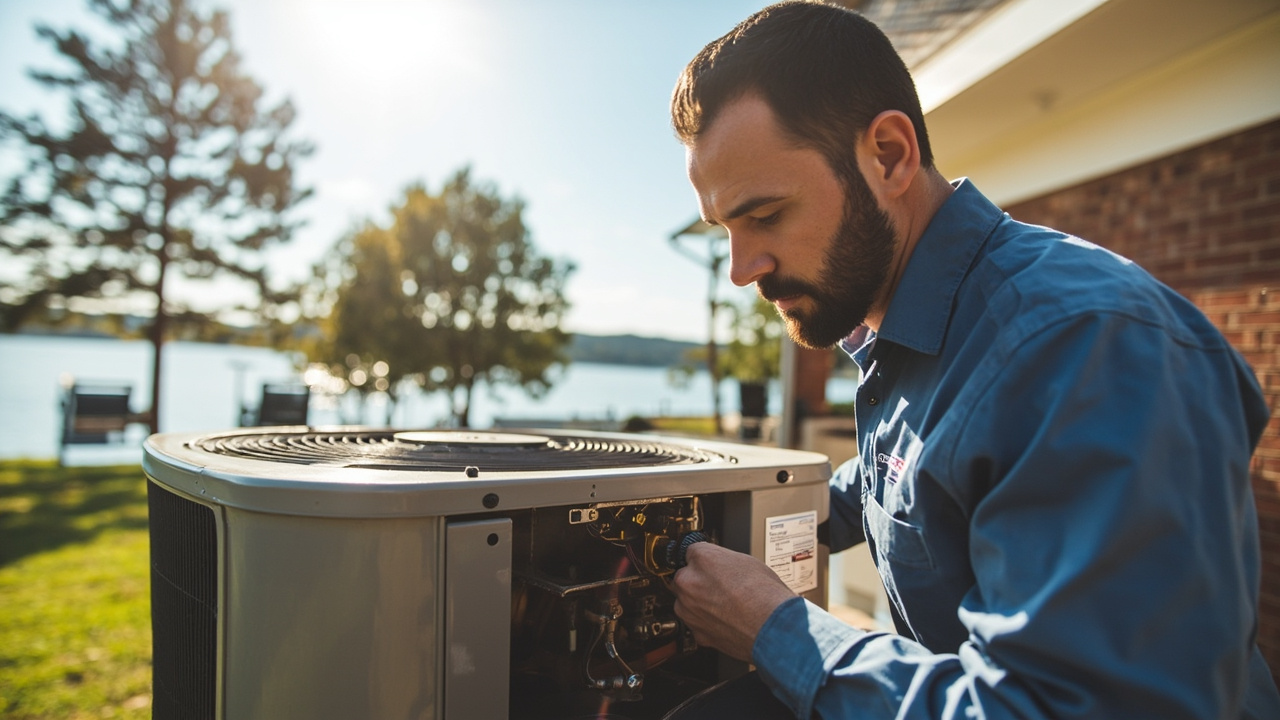
Living in Davidson during a North Carolina summer means dealing with heavy humidity and temperatures…
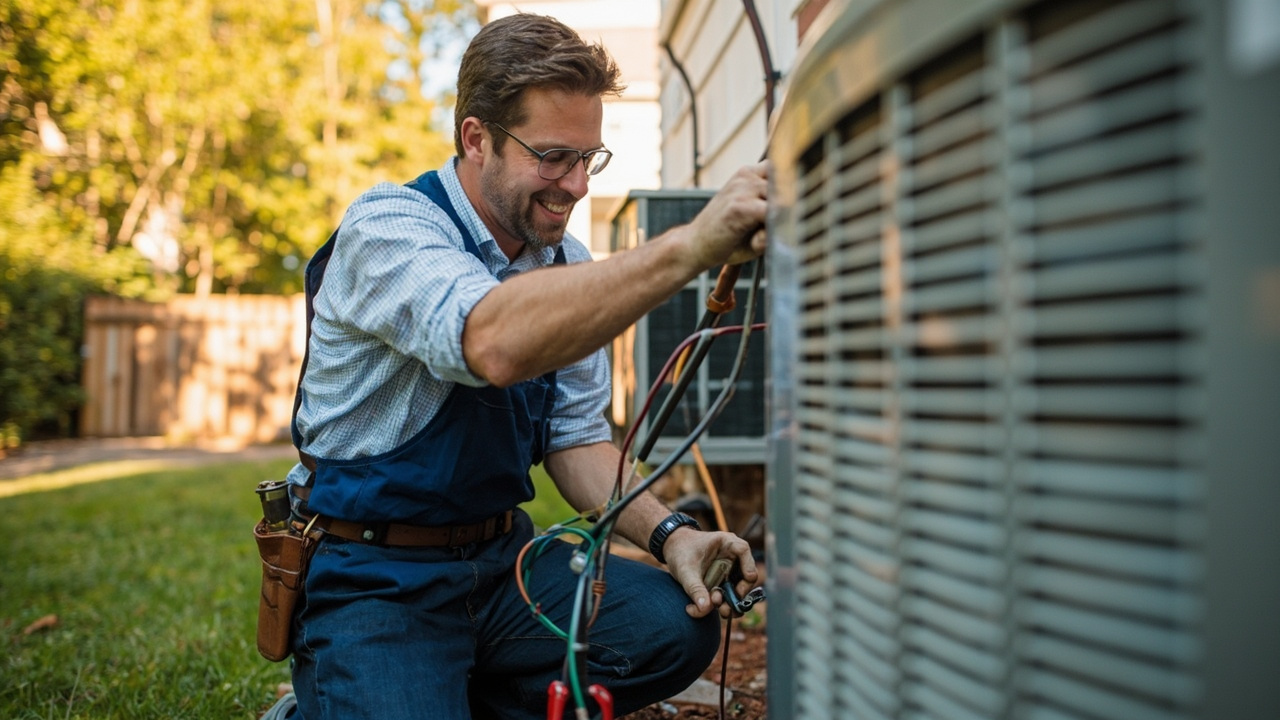
Expert Heat Pump Replacement in Cornelius NCHomeowners in Cornelius face a unique set of weather…
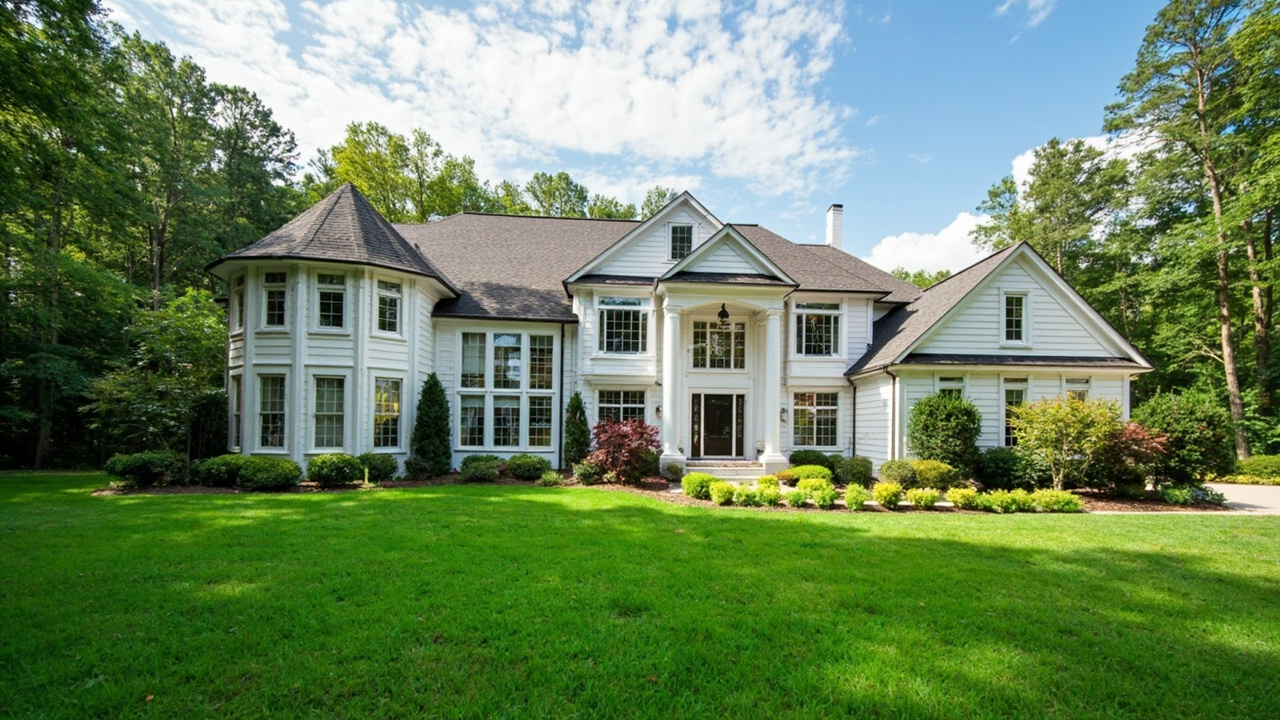
Smart Strategies to Lower Utility Bills for Large Quail Hollow Estates Managing a large estate…
Your comfort cannot wait when your HVAC system fails. Call Keystone HVAC Charlotte at (980) 342-9990 right now for same-day service. We answer 24/7, dispatch immediately for emergencies, and fix most problems the first visit.