


Matthews sits in the humid subtropical zone where air conditioners run eight months a year. Summer temperatures hit 95 degrees with 80 percent humidity, forcing your AC to remove moisture while cooling. This double workload wears compressors and evaporator coils faster than dry climates. Winter brings freezing nights that stress heat pumps, the most common heating system in Matthews homes built after 1990.
The red clay soil under Matthews foundations holds water, creating damp crawl spaces that rust ductwork and breed mold. Neighborhoods near McMullen Creek and Goose Creek face higher groundwater tables that accelerate corrosion. Your HVAC system fights moisture damage that homeowners in drier regions never see.
Spring pollen from oak and pine trees clogs outdoor condenser coils, reducing efficiency by 20 percent or more. Fall brings temperature swings from 45 degrees at night to 75 during the day, forcing your system to switch between heating and cooling. This constant cycling wears contactors and capacitors. Matthews HVAC equipment works harder than systems in stable climates, which means more repairs and shorter lifespans without proper maintenance.
Keystone HVAC Charlotte has served Matthews and Mecklenburg County since our founding, building a reputation on fast response and honest assessments. We don't upsell unnecessary replacements. Our technicians diagnose the actual problem, explain your options in plain language, and give you the information to make the right choice for your home and budget.
We stock our trucks with parts for Carrier, Trane, Lennox, Rheem, Goodman, and York systems because these brands dominate Matthews installations. That means we complete most repairs in one visit instead of ordering parts and coming back days later. Your time matters, and so does getting your home comfortable again.
Our technicians live in the Charlotte metro area. They know Matthews streets, understand local building practices, and recognize the HVAC challenges specific to homes in Windsor Park versus older houses near downtown Matthews. They've worked in crawl spaces with clay soil moisture and attics with insufficient ventilation. This local knowledge speeds diagnosis and prevents comeback visits.
We answer our phones 24 hours a day, every day. When your AC fails at 9 PM on a Saturday in July, you reach a real person who dispatches a technician, not an answering service that takes a message. Emergency service costs more than scheduled appointments, but we quote the price upfront before we roll. No surprises on your bill.

When your system fails, we dispatch technicians to Matthews within two hours during business days and four hours for after-hours emergencies. We stock common parts on every truck to complete most repairs in one visit. Your family gets relief fast, not promises.

Our technicians diagnose the actual failure, not what generates the biggest invoice. We explain what broke, why it happened, and what you can do to prevent it next time. If repair costs approach replacement value, we tell you. You make informed decisions, not pressured ones.
We service and repair every major residential HVAC brand installed in Matthews homes. Our technicians receive ongoing training on new equipment and diagnostic techniques. Whether you have a ten-year-old builder-grade unit or a high-efficiency system, we have the expertise and parts to fix it.
Our technicians work exclusively in Matthews and surrounding Mecklenburg County communities. They understand local installation practices, common failure points in area homes, and how humidity affects system performance. This focused service area means faster response and better outcomes for your repair.
Keystone HVAC Charlotte handles everything from emergency breakdowns to planned installations. Our service range covers air conditioning repair when your system quits cooling, heating repair when winter temperatures drop, and preventive maintenance that stops problems before they start. We work on split systems, heat pumps, gas furnaces, and ductless mini-splits installed in Matthews homes.
Most service calls involve AC failures during summer months when compressors and capacitors fail from overwork. We also handle refrigerant leaks, frozen evaporator coils, and outdoor units that won't start. Winter brings furnace ignition problems, blower motor failures, and heat pump defrost issues. Our diagnostic process identifies the root cause, not just symptoms.
Installation and replacement services include load calculations to size equipment correctly for your home's square footage, insulation levels, and window exposure. Undersized units run constantly and wear out fast. Oversized units short-cycle and fail to remove humidity. We match equipment capacity to your specific home, not generic rules of thumb. Whether you need emergency AC service, central air repair, or complete system replacement, we have the crews and expertise to handle your project right.
When your AC or furnace quits working, we respond fast with same-day service for most Matthews calls. Our technicians diagnose compressor failures, refrigerant leaks, blower motor problems, ignition failures, and electrical issues that stop your system cold. We stock common replacement parts for immediate repairs. Emergency service includes nights, weekends, and holidays because comfort emergencies don't wait for business hours. You get a real technician, not a callback promise.
Old systems eventually cost more to repair than replace. We install high-efficiency air conditioners, heat pumps, gas furnaces, and dual-fuel systems matched to your home's heating and cooling load. Our installation includes proper refrigerant charging, ductwork modifications if needed, new thermostats, and startup testing. We pull permits and schedule inspections for Mecklenburg County compliance. Financing options help spread costs over time. You get a system sized and installed correctly the first time.
Regular maintenance catches small problems before they become expensive failures. Our spring and fall tune-ups include refrigerant level checks, electrical connection testing, condenser coil cleaning, drain line clearing, and blower motor lubrication. We measure temperature splits to verify proper operation and catch declining efficiency. Maintenance customers get priority scheduling for service calls and discounted repair rates. Most breakdowns happen because of neglected maintenance. Two service visits per year cost less than one emergency repair.
Matthews homes experience specific HVAC failures tied to local climate and construction practices. High humidity accelerates rust and mold growth in ductwork. Temperature extremes stress compressors and heat pump reversing valves. Homes built before 2000 often have undersized return ducts that starve the blower motor for air, causing overheating and premature failure.
Spring pollen clogs outdoor condenser coils, forcing the compressor to work harder and draw excessive amperage. This burns contactors and capacitors. Summer thunderstorms cause power surges that damage control boards and compressors. Winter freezing temperatures cause heat pumps to run defrost cycles more frequently, which increases electricity costs and wear.
Older neighborhoods near downtown Matthews have houses with original ductwork from the 1970s and 1980s. This metal ductwork rusts through in crawl spaces with moisture problems. Flex duct in newer homes gets crushed or disconnected during pest control work or storage access. These problems reduce airflow and comfort while increasing energy bills. Recognizing these common patterns helps homeowners understand what might be wrong when their system starts acting up.
Your system runs constantly but can't reach the thermostat setting. This usually means low refrigerant from a leak, a failing compressor that can't build pressure, or blocked airflow from a dirty evaporator coil. Sometimes the outdoor condenser coil is packed with pollen and dirt. We measure refrigerant pressures, temperature splits, and airflow to isolate the problem.
Air comes from the vents but it's not cold. The compressor might not be running because of a bad capacitor, failed contactor, or tripped breaker. Sometimes the reversing valve on a heat pump sticks in heating mode. Refrigerant leaks also cause this symptom. Our technicians test electrical components and refrigerant levels to find the cause fast.
Water pools around your air handler or drips through the ceiling. The condensate drain line is clogged with algae or mold, backing water into the drain pan. If the pan is rusted through, water leaks into your home. Matthews humidity feeds drain line clogs faster than dry climates. We clear lines, treat them to prevent regrowth, and replace failed pans.
You turn on heat but nothing happens. Gas furnaces often have ignition problems, failed flame sensors, or tripped limit switches. Heat pumps suffer from bad defrost boards, stuck reversing valves, or failed contactors. Thermostat problems cause no-start conditions too. We test power, controls, and safety devices to diagnose why your heating system won't fire.
When you contact Keystone HVAC Charlotte for service in Matthews, you talk to someone who listens and asks the right questions. We want to understand what's happening with your system so we can send the right technician with the right tools and parts. You get an estimated arrival time, not a vague four-hour window.
Our technicians arrive in marked trucks with your appointment details already loaded. They introduce themselves, wear shoe covers inside your home, and ask about the problem before they start working. You see the diagnostic process happen. They explain what they're testing and why. If they find a problem, they show you the failed part and explain what caused it to fail.
You receive a written estimate before any repair work begins. The estimate breaks down parts and labor separately so you understand what you're paying for. If multiple repairs are needed, we prioritize them by urgency and let you decide what to fix now versus later. Some companies push total system replacement when a simple repair works fine. We give you honest assessments based on the actual condition of your equipment and your budget reality.
Our phone staff asks specific questions about your system symptoms to dispatch the right technician. You get a confirmed appointment time and a call when the technician is 30 minutes away. No sitting home all day waiting. We respect your time by showing up when we say we will. If something delays us, we call immediately to update you. You stay informed throughout the process.
Our technicians test voltages, measure refrigerant pressures, check temperature splits, and inspect components systematically. They don't guess. If your compressor tests fine but the capacitor is weak, they replace the capacitor, not the whole outdoor unit. You get a written diagnosis that explains what failed and why. We present options with different price points when possible so you can choose the solution that fits your needs.
After repairs, we test the full system through a complete cooling or heating cycle. We verify proper refrigerant charge, check temperature output, and make sure safety controls work correctly. You receive documentation of the work performed and any recommendations for future maintenance. If something doesn't work right after we leave, we come back and fix it at no additional charge. Your satisfaction matters more than closing the ticket quickly.
We built our service process around speed and transparency. You shouldn't need a degree in mechanical engineering to understand what's wrong with your air conditioner. Our three-step approach gets your system running again fast.
Contact us at (980) 342-9990 and describe the problem. Our team asks targeted questions about symptoms, system age, and recent weather to understand urgency. We schedule same-day service for most Matthews calls placed before 2 PM on weekdays. Emergency calls outside business hours get four-hour response times. You receive a confirmed arrival window, not a vague estimate. We dispatch the closest available technician with the right expertise for your issue.
The technician arrives, assesses your system, and runs diagnostic tests to isolate the failure. You see the failed component and get an explanation of what it does and why it broke. We provide a written estimate before starting repairs. Most fixes happen the same visit because we stock common parts. If we need to order a part, we explain the timeline and can sometimes install a temporary fix to restore partial function until the part arrives.
After repairs, we run the system through full heating or cooling cycles to verify proper operation. We measure output temperatures, check refrigerant pressures, and test safety controls. You get documentation of work completed and a warranty on parts and labor. We clean up our work area and answer any questions about system operation or maintenance. If issues arise after we leave, we return to make it right at no extra cost.
Professional HVAC service follows specific technical protocols that separate quality work from quick fixes. Keystone HVAC Charlotte adheres to manufacturer specifications, EPA refrigerant handling regulations, and North Carolina mechanical codes for all service and installation work in Matthews.
Refrigerant charging requires precision. Systems designed for R-410A refrigerant must be charged by superheat or subcooling method depending on metering device type. Simply adding refrigerant by pressure alone causes compressor damage and reduced efficiency. We use calibrated manifold gauges and digital thermometers to measure exact refrigerant charge. EPA Section 608 certification is mandatory for anyone handling refrigerants, and all our technicians maintain current certification.
Electrical diagnostics require understanding three-phase power, single-phase power, voltage drops, and amp draw measurements. We test capacitors with calibrated meters, not by tapping them with a screwdriver. Failed capacitors show low microfarad readings or high ESR values. Contactors are tested for pitting, voltage drop, and proper coil operation. Control boards get tested with multimeters to verify proper voltage output to components.
Ductwork modifications must maintain proper static pressure and airflow. Adding return air vents or supply registers changes the system balance. We calculate total effective length of duct runs and size grilles appropriately. Undersized ducts increase static pressure, which reduces blower motor life and system efficiency. North Carolina requires mechanical permits for duct modifications exceeding specific thresholds, and we pull permits when required.
Combustion analysis on gas furnaces measures carbon monoxide levels, oxygen content, and flue gas temperature to verify safe and efficient operation. Draft pressure must be negative in natural draft systems. Heat exchangers get inspected visually and with camera equipment to detect cracks that leak combustion gases into living spaces. These technical details protect your family from carbon monoxide poisoning and ensure your furnace runs safely.
Systems must be charged to exact specifications using superheat or subcooling measurements. Overcharging damages compressors and reduces capacity. Undercharging causes frozen coils and compressor overheating. We recover, recycle, and document all refrigerant handling per EPA requirements. Leak detection uses electronic sniffers and ultraviolet dye to find even small leaks before adding refrigerant.
Repair prices depend on failed component cost, labor time, refrigerant type, and system accessibility. Compressor replacements cost more than capacitor swaps. R-410A refrigerant costs less than older R-22. Attic-mounted air handlers take longer to access than closet units. We quote prices upfront based on your specific system and situation. Parts availability affects timeline but not our diagnostic fee.
Most repairs complete in two to four hours including diagnosis, part replacement, and testing. Compressor replacements take longer because of refrigerant recovery, brazing, and system evacuation requirements. If we need to order parts, you get a specific timeline based on supplier availability. Emergency repairs get priority over scheduled maintenance. We communicate delays immediately and work to restore at least partial function while waiting on parts.
North Carolina requires state licensing for HVAC contractors and EPA certification for refrigerant handling. Our company maintains proper licensing and insurance for work in Mecklenburg County. We pull mechanical permits when required and schedule inspections for installation work. Code compliance protects you from liability and ensures safe operation. Unpermitted work creates problems when you sell your home.
Comprehensive HVAC repair guide for Matthews, NC homeowners covering common air conditioning failures, heating system problems, and climate-specific challenges. Explains diagnostic processes, repair costs, and when to repair versus replace systems. Features information about refrigerant leaks, compressor failures, frozen coils, and heat pump troubleshooting. Includes technical details about proper refrigerant charging, electrical diagnosis, and combustion safety specific to Matthews area homes and local climate conditions.
Keystone HVAC Charlotte provides air conditioning repair, heating service, and HVAC maintenance throughout Matthews and the greater Mecklenburg County area. Our service territory covers neighborhoods from downtown Matthews east to Mint Hill, south to Weddington, and west toward Charlotte proper.
Windsor Park and Walden Pond subdivisions near Highway 51 have newer construction with high-efficiency heat pumps and zoned systems. These homes benefit from our expertise in multi-zone troubleshooting and smart thermostat integration. The Sardis Woods and Crestdale areas feature older homes with original ductwork that often needs modification to improve comfort and efficiency.
Downtown Matthews and the historic district around Stumptown Park contain homes built in the 1970s and 1980s. Many still run original R-22 air conditioners that need refrigerant service or replacement. We help these homeowners decide between recharging aging systems or upgrading to modern high-efficiency equipment. The established trees in these neighborhoods create shade that affects cooling loads differently than newer subdivisions.
East Matthews communities near Providence Road South have mixed construction ages with both older split-levels and new two-story homes. Ductwork design varies widely, and we frequently diagnose airflow imbalances that leave second floors hot in summer. The McMullen Creek Greenway area faces higher humidity from creek proximity, which accelerates ductwork corrosion in crawl spaces.
Stallings borders Matthews to the east, and we serve this area daily. Homes near Highway 74 experience road dust that clogs outdoor condenser coils faster than protected locations. Indian Trail and Wesley Chapel residents also call us for service because we stock parts for the equipment builders commonly installed in these subdivisions during their rapid growth period.
Our focused service area in Matthews and nearby communities means faster response times and better familiarity with local housing stock. Our technicians recognize common installation practices, know which builder-grade equipment was popular in different years, and understand how local soil and humidity affect system longevity. This concentrated expertise delivers better outcomes than companies that scatter technicians across multiple counties.
The $5000 rule helps you decide between repair and replacement. If your system's age multiplied by the repair cost exceeds $5000, replace it. For example, a 12-year-old unit needing a $500 repair equals $6000, so replacement makes sense. In Matthews, high humidity accelerates wear on compressors and coils, meaning older systems often fail more frequently. This rule gives you a quick math check, but also consider efficiency losses. A 15-year-old system running in our Carolina summers costs more monthly than a new high-efficiency model, even without breakdowns.
Full HVAC replacement in Matthews typically ranges from several thousand to over ten thousand dollars, depending on system size, efficiency rating, and ductwork condition. A basic split system costs less than a high-efficiency heat pump with variable speed technology. Matthews homes often need humidity control features due to our climate, which adds to the price. Repairs range from a few hundred for minor fixes to several thousand for major component replacement like compressors. Your specific price depends on your home's square footage, insulation quality, and whether existing ductwork needs modification.
A 2000 square-foot home in Matthews typically needs a 3 to 4-ton HVAC system. Total replacement costs vary based on efficiency level, brand, and installation complexity. Higher SEER ratings reduce monthly bills during our long cooling season, which matters in North Carolina's climate. Homes in neighborhoods like Weddington or Stallings may need zoning systems if they have multiple stories or additions. Ductwork condition affects final pricing. Older Matthews homes sometimes need duct sealing or replacement, which increases the project scope beyond just the equipment itself.
The $5000 rule helps you decide between repair and replacement. If your system's age multiplied by the repair cost exceeds $5000, replace it. For example, a 12-year-old unit needing a $500 repair equals $6000, so replacement makes sense. In Matthews, high humidity accelerates wear on compressors and coils, meaning older systems often fail more frequently. This rule gives you a quick math check, but also consider efficiency losses. A 15-year-old system running in our Carolina summers costs more monthly than a new high-efficiency model, even without breakdowns.
Full HVAC replacement in Matthews typically ranges from several thousand to over ten thousand dollars, depending on system size, efficiency rating, and ductwork condition. A basic split system costs less than a high-efficiency heat pump with variable speed technology. Matthews homes often need humidity control features due to our climate, which adds to the price. Repairs range from a few hundred for minor fixes to several thousand for major component replacement like compressors. Your specific price depends on your home's square footage, insulation quality, and whether existing ductwork needs modification.
A 2000 square-foot home in Matthews typically needs a 3 to 4-ton HVAC system. Total replacement costs vary based on efficiency level, brand, and installation complexity. Higher SEER ratings reduce monthly bills during our long cooling season, which matters in North Carolina's climate. Homes in neighborhoods like Weddington or Stallings may need zoning systems if they have multiple stories or additions. Ductwork condition affects final pricing. Older Matthews homes sometimes need duct sealing or replacement, which increases the project scope beyond just the equipment itself.
A 1200 square-foot house in Matthews generally requires a 2 to 2.5-ton system. Smaller homes mean lower equipment costs, but installation labor stays similar regardless of size. Matthews ranch-style homes common in established neighborhoods often have straightforward installations with accessible attics and exterior pad locations. Your actual tonnage depends on insulation, window quality, and sun exposure. South-facing homes near the downtown Matthews area may need slightly larger capacity. Factor in ductwork assessment, as older smaller homes sometimes have undersized or leaky ducts that reduce system performance.
The federal Energy Efficient Home Improvement Credit allows up to 30% back on qualifying high-efficiency HVAC systems installed in 2025, with annual limits. Your new system must meet specific efficiency thresholds. Heat pumps, central air conditioners, and certain furnaces qualify if they exceed minimum SEER2 and HSPF2 ratings. Matthews homeowners should keep all receipts and manufacturer certification statements for tax filing. This credit applies to existing homes, not new construction. Consult your tax professional about eligibility and limitations, as rules change and income caps may apply to your situation.
The 3-minute rule prevents compressor damage after your AC cycles off. When your system shuts down, refrigerant pressure needs time to equalize between the high and low sides. Restarting too quickly forces the compressor to work against unbalanced pressure, causing strain and potential failure. Most modern thermostats have built-in delay timers that enforce this waiting period automatically. In Matthews, where AC units run constantly during summer, this protection matters. If your system short-cycles or restarts immediately after stopping, you have a control board issue or thermostat problem requiring professional diagnosis.
A 1200 square-foot house in Matthews generally requires a 2 to 2.5-ton system. Smaller homes mean lower equipment costs, but installation labor stays similar regardless of size. Matthews ranch-style homes common in established neighborhoods often have straightforward installations with accessible attics and exterior pad locations. Your actual tonnage depends on insulation, window quality, and sun exposure. South-facing homes near the downtown Matthews area may need slightly larger capacity. Factor in ductwork assessment, as older smaller homes sometimes have undersized or leaky ducts that reduce system performance.
The federal Energy Efficient Home Improvement Credit allows up to 30% back on qualifying high-efficiency HVAC systems installed in 2025, with annual limits. Your new system must meet specific efficiency thresholds. Heat pumps, central air conditioners, and certain furnaces qualify if they exceed minimum SEER2 and HSPF2 ratings. Matthews homeowners should keep all receipts and manufacturer certification statements for tax filing. This credit applies to existing homes, not new construction. Consult your tax professional about eligibility and limitations, as rules change and income caps may apply to your situation.
The 3-minute rule prevents compressor damage after your AC cycles off. When your system shuts down, refrigerant pressure needs time to equalize between the high and low sides. Restarting too quickly forces the compressor to work against unbalanced pressure, causing strain and potential failure. Most modern thermostats have built-in delay timers that enforce this waiting period automatically. In Matthews, where AC units run constantly during summer, this protection matters. If your system short-cycles or restarts immediately after stopping, you have a control board issue or thermostat problem requiring professional diagnosis.
Keystone proudly serves homes and businesses throughout Charlotte and nearby areas. Whether you’re looking for fast repairs, expert installations, or seasonal HVAC maintenance, our team is just a call away. Use the map below to locate our service area or office location, and don’t hesitate to reach out if you have questions. We’re committed to making your experience seamless from the first call to the final service. Let us show you why we’re Charlotte’s go-to HVAC experts.
Address:
Matthews, NC, 28105

Waxhaw is growing at a fast pace. New residential projects are popping up from the edges of the historic village to the sprawling developments near the state line. If you are building a custom home…
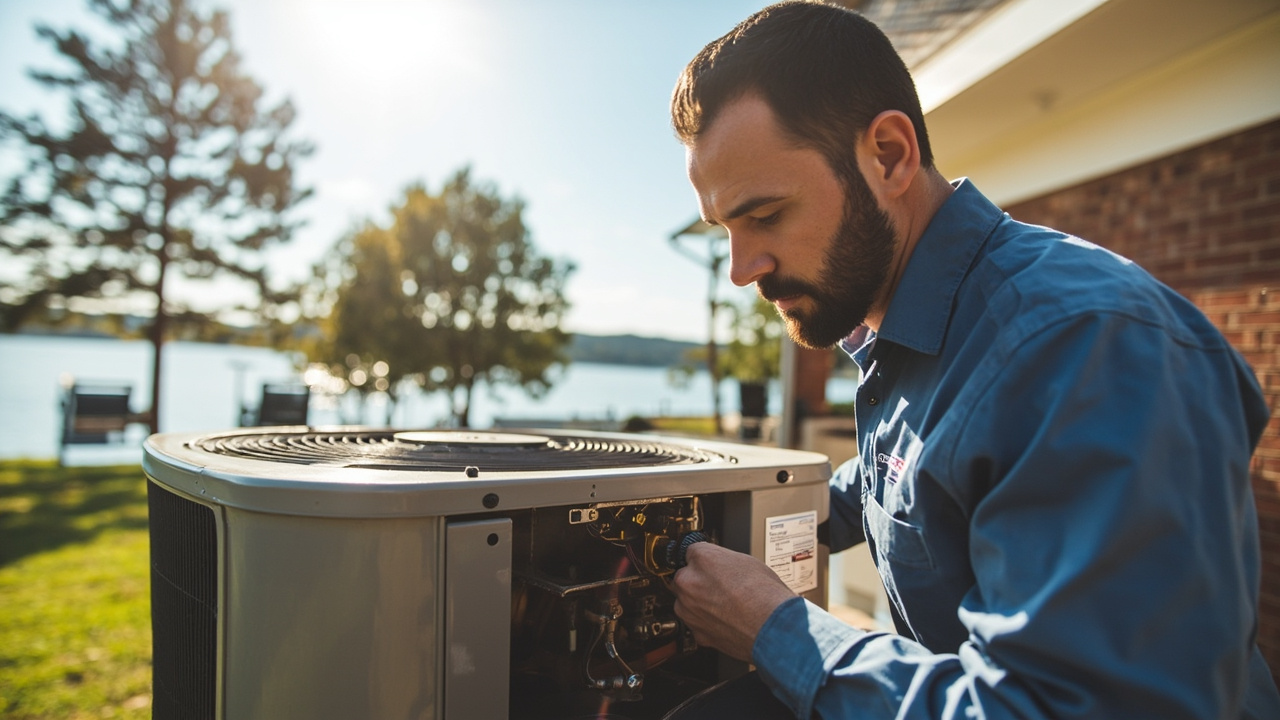
Living in Davidson during a North Carolina summer means dealing with heavy humidity and temperatures…
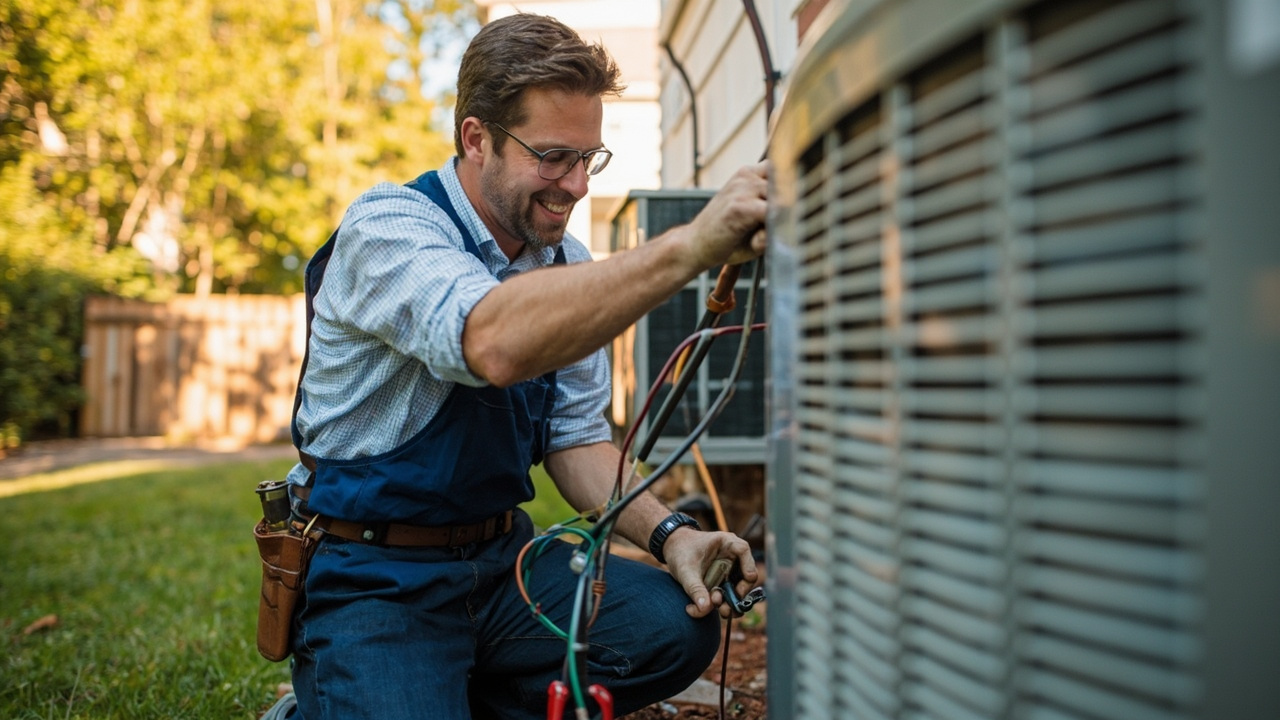
Expert Heat Pump Replacement in Cornelius NCHomeowners in Cornelius face a unique set of weather…
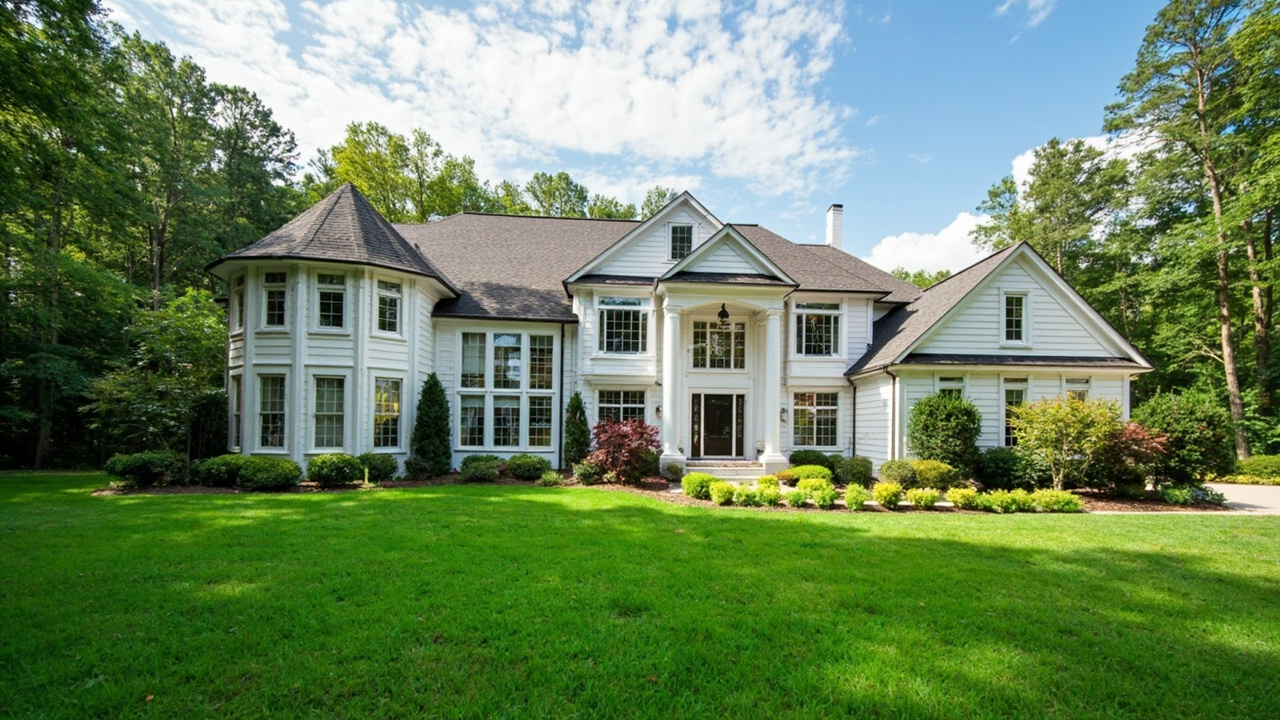
Smart Strategies to Lower Utility Bills for Large Quail Hollow Estates Managing a large estate…
Your comfort can't wait. Call Keystone HVAC Charlotte now at (980) 342-9990 for same-day service in Matthews. We'll diagnose the problem, explain your options, and get your system running right. Available 24/7 for emergencies.