


Monroe sits in the humid subtropical zone where cooling systems run seven months a year. Summer temperatures push past 90 degrees with crushing humidity that makes heat pumps and air conditioners cycle constantly. This constant load wears compressors, strains capacitors, and clogs condensate drains faster than in drier climates.
Winter brings freezing nights that stress heat pumps running in reverse. The frequent temperature swings between 30 and 60 degrees force systems to switch modes repeatedly, wearing reversing valves and defrost controls. Monroe's red clay soil holds moisture against foundation walls, creating basement humidity that overworks dehumidification systems and promotes mold in ductwork.
Older homes near downtown Monroe and in Walkup Avenue neighborhoods often have undersized ductwork from retrofit central air installations. These systems fight static pressure, reducing efficiency and shortening equipment life. Newer construction in areas near Skyway Business Park and around Monroe High School features tighter building envelopes that require proper fresh air integration and humidity control. Without balanced ventilation, these homes trap moisture and volatile organic compounds that damage indoor air quality and stress HVAC components.
Keystone HVAC Charlotte built its reputation fixing what other companies misdiagnose. We serve Monroe with technicians who understand how local climate and construction methods affect system performance. Our diagnostic process identifies root causes instead of selling parts replacements that mask deeper problems.
When your system fails, we arrive with fully stocked trucks carrying the components that fail most often in Monroe's climate. Compressors, capacitors, contactors, and reversing valves are on hand because we know what breaks in humid, cycling conditions. This means repairs completed in one visit instead of multiple trips waiting for parts.
We price our service calls and repairs upfront before starting work. You see the cost, understand what needs fixing, and approve the work before we touch your system. No hidden diagnostic fees, no surprise charges, no pressure to buy equipment you don't need. Our technicians earn their pay fixing systems, not upselling replacements.
Our relationship with Monroe started by serving frustrated homeowners who were tired of companies that showed up late, diagnosed wrong, or disappeared after taking payment. We answer our phones, show up on time, and stand behind our repairs. When we fix something, it stays fixed. If a part fails within our warranty period, we return and make it right at no additional cost.
Most Monroe HVAC companies subcontract their after-hours calls to answering services that route you to whoever is available. We handle our own emergency dispatch, which means you talk to someone who knows your system history and can send the right technician with the right parts.

No AC in August or no heat in January means discomfort or danger. We dispatch technicians to Monroe homes within hours, not days. Our trucks carry common failure parts so most repairs complete in a single visit. You call, we come, your system runs.

You see the total cost before work begins. No hidden fees for diagnostics, no surprise charges after the repair. We explain what failed, why it failed, and what it costs to fix. You approve the price or we pack up and leave with no hard feelings.
Most Monroe systems can be repaired instead of replaced. We fix what's broken rather than selling new equipment on every service call. When replacement makes more sense, we show you the math and let you decide. No pressure, just honest assessment.
We understand how Monroe's humidity and temperature swings stress HVAC components. Our technicians know which parts fail first in local conditions and how to prevent repeat failures. This knowledge means accurate diagnosis and repairs that last through multiple seasons.
Keystone HVAC Charlotte handles every aspect of residential climate control in Monroe. Air conditioning repair, furnace service, heat pump maintenance, and indoor air quality solutions all fall under our scope. We work on all major brands including Carrier, Trane, Lennox, Rheem, Goodman, and York systems.
Our service range covers emergency breakdowns, seasonal maintenance, system diagnostics, and performance optimization. Whether your system stopped working completely, runs but doesn't cool properly, or costs too much to operate, we identify the problem and present your options. Monroe's climate demands reliable heating and cooling, which means having a service provider who can handle urgent repairs and preventive care equally well.
We separate our services into three main categories based on what Monroe homeowners need most. Emergency repairs address immediate failures that leave homes without climate control. System maintenance prevents breakdowns and extends equipment life through seasonal tune-ups and inspections. Air quality services tackle the humidity, allergens, and ventilation problems common in Monroe's climate. This structure ensures you get the right service for your specific situation without paying for services you don't need.
Your air conditioner stopped cooling or your furnace won't ignite. We dispatch immediately to diagnose and repair failed components. Compressor failures, refrigerant leaks, electrical problems, frozen coils, and ignition system failures all get resolved the same day in most cases. Our trucks stock the parts that fail most often in Monroe so repairs complete in one visit. You get your comfort back fast without waiting for parts orders or callback appointments.
Twice-yearly maintenance catches problems before they become emergency breakdowns. We inspect electrical connections, test capacitors, measure refrigerant charge, clean coils, check airflow, and calibrate thermostats. Spring cooling prep and fall heating checks keep your system running efficiently through Monroe's demanding seasons. Maintenance extends equipment life, reduces energy costs, and prevents the midnight failures that leave families uncomfortable. Most breakdowns start as small problems that maintenance visits catch early.
Monroe's humidity creates mold, dust mites, and stale indoor air. We install and service whole-home dehumidifiers, air purifiers, UV lights, and fresh air ventilation systems. These solutions work with your existing HVAC system to control moisture, remove allergens, and bring in filtered outside air. Proper humidity control protects your home from mold damage and makes indoor temperatures feel more comfortable. Better air quality means fewer allergy symptoms and respiratory problems for your family.
Monroe's climate creates specific HVAC challenges that frustrate homeowners. The combination of high humidity, temperature extremes, and constant system cycling wears components faster than in milder climates. Understanding these common problems helps you recognize when your system needs professional attention before a minor issue becomes an expensive emergency.
Most Monroe HVAC problems stem from moisture, electrical stress, or airflow restriction. Summer humidity overworks condensate drains and promotes biological growth in ductwork. Winter temperature swings stress heat pump components that cycle between heating and cooling modes. Spring and fall bring pollen loads that clog filters and reduce system efficiency. Recognizing these patterns helps homeowners maintain systems proactively instead of waiting for complete failure. The problems listed below represent what we fix most often in Monroe homes across all neighborhoods and construction types.
Indoor coils freeze when airflow drops or refrigerant runs low. Dirty filters, closed vents, or failing blower motors restrict airflow enough to ice the coil completely. Your system runs constantly but produces little cooling. Ice buildup can crack the coil and cause refrigerant leaks that require expensive repairs.
Monroe humidity creates gallons of condensation daily. Drain lines clog with algae and mold, causing water to back up into the air handler or overflow into your home. Clogged drains trigger float switches that shut down the entire system. Regular cleaning prevents water damage and system shutdowns during peak cooling season.
Capacitors start compressors and fan motors. Monroe's heat causes capacitor failures more often than in cooler climates. A failed capacitor leaves your outdoor unit silent or causes hard starting that damages the compressor. Replacing capacitors before they fail completely prevents more expensive motor and compressor damage.
Vibration and corrosion create leaks in copper refrigerant lines. Low refrigerant reduces cooling capacity and forces your system to run longer. The compressor works harder trying to cool your home, increasing energy costs and shortening equipment life. Finding and repairing leaks requires specialized equipment and EPA certification.
From your first phone call to final system testing, we focus on clear communication and efficient service. You talk to real people who understand HVAC problems and can schedule service appointments that fit your availability. Our dispatch system tracks technician locations so we provide accurate arrival windows instead of vague all-day appointments.
When our technician arrives, they assess your system thoroughly before recommending repairs. You receive a clear explanation of what failed, why it failed, and what it costs to fix. If your system needs multiple repairs, we prioritize them by urgency and let you decide which to address immediately and which can wait. This approach respects your budget while ensuring your home stays comfortable.
After repairs, we test system operation to verify proper function. You see the system running correctly before the technician leaves. We explain what we fixed and answer questions about system operation or maintenance. Our invoices detail parts and labor clearly so you understand exactly what you paid for and what warranty coverage you have.
You speak with trained staff who understand HVAC problems and can schedule service quickly. We ask about your system symptoms to send the right technician with appropriate parts. Emergency calls get priority dispatch, often within hours. Routine maintenance schedules at your convenience. We call or text when the technician is on the way so you know exactly when to expect arrival.
Our technician examines your system completely and explains the problem in plain language. You see the failed component and understand why it stopped working. We provide written pricing before starting repairs. No work begins until you approve the cost. If you decline the repair, you pay only the service call fee. We never guilt or pressure customers into repairs they cannot afford.
Every repair includes warranty coverage on parts and labor. If a component we installed fails during the warranty period, we return and fix it at no charge. We stand behind our work because we use quality parts and install them correctly. Your invoice clearly states warranty terms. We keep service records so future technicians can reference previous repairs and warranty coverage.
We streamlined our process to minimize disruption and maximize results. Most repairs complete in a single visit because our trucks carry common parts and our technicians diagnose accurately the first time.
Call our direct line at (980) 342-9990 to reach our dispatch team. We gather information about your system problem and schedule service based on urgency. Emergency calls get same-day dispatch. Routine service schedules at your convenience. You receive confirmation with technician name and arrival window. We text when the technician is 30 minutes away so you don't waste time waiting.
Our technician examines your entire system, not just the obvious problem. We test electrical components, measure refrigerant pressures, check airflow, and inspect all system controls. This thorough approach finds underlying issues that cause repeated failures. You receive a written diagnosis with repair options and upfront pricing. We explain each option so you can make an informed decision about your repair.
After you approve the repair, we complete the work efficiently using proper tools and techniques. All repairs follow manufacturer specifications and local codes. We test system operation thoroughly after repairs to ensure proper function. You see your system running correctly before we leave. We clean up completely and answer any questions about system operation or maintenance.
All HVAC work in Monroe must comply with North Carolina mechanical codes and local Union County permitting requirements. These regulations protect homeowners by ensuring safe installation and proper system operation. Understanding code requirements helps you recognize when contractors cut corners or skip required steps.
North Carolina adopted the 2018 International Mechanical Code with state amendments specific to climate zone requirements. Monroe falls in climate zone 3A, which mandates specific insulation values for ductwork, minimum SEER ratings for cooling equipment, and proper refrigerant handling procedures. All refrigerant work requires EPA Section 608 certification because federal law prohibits venting refrigerants to atmosphere.
Local permits are required for system replacements, major repairs involving refrigerant circuits, and any ductwork modifications. Permit inspections verify proper equipment sizing, adequate combustion air for fuel-burning appliances, correct electrical connections, and code-compliant condensate drainage. These inspections protect you from unsafe installations that could cause carbon monoxide leaks, electrical fires, or system failures.
Proper load calculation using Manual J methodology determines correct equipment sizing for Monroe homes. Oversized systems cycle too frequently, increasing wear and reducing humidity removal. Undersized systems run constantly without achieving comfortable temperatures. Manual J accounts for insulation levels, window types, home orientation, and occupancy to size equipment accurately. Duct design follows Manual D standards to ensure proper airflow and system efficiency.
Refrigerant charging requires precise measurement, not guesswork. We use digital manifolds and superheat/subcooling calculations to charge systems to manufacturer specifications. Improper refrigerant charge reduces efficiency by up to 20 percent and shortens compressor life. Every refrigerant connection must be leak-tested and properly insulated to prevent energy loss and system damage.
Monroe's 3A climate zone requires minimum 14 SEER cooling equipment and R-8 duct insulation in unconditioned spaces. These requirements ensure systems operate efficiently in our humid subtropical climate. Equipment below these minimums costs more to operate and may not control humidity properly in Monroe's summer conditions.
Repair costs depend on failed component complexity, refrigerant type, and labor requirements. Compressor replacement represents the highest repair cost because it requires refrigerant recovery, system evacuation, and precise recharging. Simple repairs like capacitors or contactors cost significantly less. We explain cost factors clearly so you understand what drives pricing for your specific repair.
Most Monroe HVAC repairs complete in two to four hours when parts are available. Refrigerant leak repairs take longer because we must locate leaks, repair them, evacuate the system, and recharge precisely. Emergency repairs get priority scheduling with same-day or next-day service. Routine maintenance visits take about 90 minutes for thorough inspection and cleaning.
North Carolina requires HVAC contractors to hold state licensing for any work exceeding $30,000 annually. All technicians handling refrigerants must have EPA 608 certification. We maintain general liability insurance and workers compensation coverage to protect Monroe homeowners from liability. Always verify contractor licensing and insurance before allowing work on your system.
Educational video explaining common HVAC failures in Monroe, North Carolina's humid climate. Covers frozen evaporator coils, condensate drain clogs, capacitor failures, and refrigerant leaks. Explains why these problems occur more frequently in Monroe's climate zone and how homeowners can recognize early warning signs. Provides realistic repair timelines and explains the diagnostic process for central air conditioning and heat pump systems.
Keystone HVAC Charlotte provides complete heating and cooling services throughout Monroe and the greater Union County area. We serve established neighborhoods around downtown Monroe near the historic courthouse square, where older homes often need ductwork upgrades and system replacements. The Walkup Avenue corridor and surrounding streets feature mid-century construction with original HVAC systems that require modernization for efficiency and reliability.
East Monroe neighborhoods near Monroe High School and the Skyway Business Park area contain newer construction with modern HVAC systems that benefit from preventive maintenance and air quality upgrades. These tighter homes need proper ventilation to prevent moisture buildup and maintain healthy indoor air. We service residential areas along Highway 74 east toward Wingate and Indian Trail, where suburban growth brought diverse housing stock with varying HVAC needs.
North Monroe residential areas stretching toward Rocky River and the Twelve Mile Creek watershed present unique challenges with homes built across several decades. Split-level and ranch homes in these areas often have complex ductwork routing that affects system efficiency. We understand how these floor plans impact heating and cooling distribution and can optimize airflow for better comfort.
West Monroe properties near Union County Airport and along Concord Highway include everything from older manufactured homes to new custom construction. Each property type requires different service approaches, from specialized ductwork for manufactured homes to zoned systems for larger custom builds. Our technicians have experience with all construction types common to Monroe and Union County.
South Monroe extends toward the Lancaster County line and includes rural properties with propane furnaces and heat pumps serving larger square footage. These systems work harder due to home size and sometimes limited insulation in older construction. We help these homeowners optimize system performance and explore efficiency upgrades that reduce operating costs. Our service area also covers Unionville, Wesley Chapel, Stallings, and the growing communities between Monroe and Charlotte along the 485 corridor.
The $5000 rule is a repair-versus-replace guideline. Multiply the age of your system by the repair cost. If the result exceeds $5000, replacement makes better financial sense. For example, a 12-year-old unit needing $500 in repairs equals $6000, suggesting replacement. Monroe's humid summers stress aging systems, making them less efficient over time. This rule helps you avoid throwing money at a failing unit. Always get a second opinion on major repairs. Consider energy savings from newer, high-efficiency models when making your decision.
Most HVAC installers in Monroe charge between $75 and $150 per hour for labor. The rate depends on the technician's experience, certification level, and the complexity of the work. Emergency calls after hours or on weekends typically cost more. Installation jobs are usually quoted as flat-rate projects rather than hourly because they involve multiple steps like ductwork, refrigerant lines, and electrical connections. Always get written estimates before work begins. Experienced technicians cost more upfront but prevent costly mistakes.
Installing central AC in a 2000 square-foot house in Monroe typically runs $5000 to $10,000. The price depends on the system's efficiency rating, brand, ductwork condition, and whether you need a complete furnace and air handler setup or just the outdoor condenser. Monroe's clay soil can affect outdoor unit placement and drainage. Higher SEER ratings cost more upfront but save money during our long cooling seasons. Get at least three detailed quotes that include equipment specs, labor, permits, and warranty coverage.
The $5000 rule is a repair-versus-replace guideline. Multiply the age of your system by the repair cost. If the result exceeds $5000, replacement makes better financial sense. For example, a 12-year-old unit needing $500 in repairs equals $6000, suggesting replacement. Monroe's humid summers stress aging systems, making them less efficient over time. This rule helps you avoid throwing money at a failing unit. Always get a second opinion on major repairs. Consider energy savings from newer, high-efficiency models when making your decision.
Most HVAC installers in Monroe charge between $75 and $150 per hour for labor. The rate depends on the technician's experience, certification level, and the complexity of the work. Emergency calls after hours or on weekends typically cost more. Installation jobs are usually quoted as flat-rate projects rather than hourly because they involve multiple steps like ductwork, refrigerant lines, and electrical connections. Always get written estimates before work begins. Experienced technicians cost more upfront but prevent costly mistakes.
Installing central AC in a 2000 square-foot house in Monroe typically runs $5000 to $10,000. The price depends on the system's efficiency rating, brand, ductwork condition, and whether you need a complete furnace and air handler setup or just the outdoor condenser. Monroe's clay soil can affect outdoor unit placement and drainage. Higher SEER ratings cost more upfront but save money during our long cooling seasons. Get at least three detailed quotes that include equipment specs, labor, permits, and warranty coverage.
A complete HVAC system for a 1200 square-foot house in Monroe typically costs $4000 to $8000. This includes a furnace or air handler, outdoor condenser, and installation labor. Smaller homes need appropriately sized equipment to avoid short cycling, which wastes energy and shortens system life. Monroe's humidity requires proper sizing to control moisture, not just temperature. If your existing ductwork needs modification or replacement, add $1500 to $3000. Energy-efficient models cost more initially but reduce summer electric bills.
Yes, if your new HVAC system qualifies under the federal Energy Efficient Home Improvement Credit for 2025. The system must meet ENERGY STAR standards with specific SEER2 and HSPF2 ratings. You can claim up to 30% of the equipment and installation costs, with an annual cap. Keep all receipts and manufacturer certifications for your tax filing. Consult a tax professional for your specific situation. This credit makes upgrading to high-efficiency equipment more affordable for Monroe homeowners facing rising energy costs.
The 3-minute rule prevents compressor damage by requiring a minimum three-minute wait between system cycles. Your thermostat should have a built-in time delay that stops the compressor from restarting immediately after shutting off. This pause lets refrigerant pressures equalize throughout the system. Restarting too quickly forces the compressor to work against high pressure, causing premature wear. Monroe's hot summers can trigger frequent cycling if your system is oversized. If your AC cycles on and off rapidly, call a technician to check sizing and controls.
Replacing a complete HVAC system in Monroe costs $5000 to $12,000 for most homes. This includes the outdoor condenser, indoor air handler or furnace, thermostat, refrigerant lines, and labor. Larger homes, complex ductwork modifications, or premium high-efficiency equipment push costs higher. Monroe's building codes require proper permits and inspections. Two-story homes cost more due to zoning needs. Get detailed written quotes that break down equipment specifications, labor, permits, and warranty terms. Financing options can spread the cost over manageable monthly payments.
Running your AC for two hours in Monroe typically costs $0.50 to $2.00, depending on your system's efficiency, size, and current electricity rates. A 3-ton unit at 14 SEER uses about 3 kilowatts per hour. Monroe's average electricity rate fluctuates seasonally. Older, less efficient systems cost significantly more to operate. Dirty filters, leaking ducts, or low refrigerant increase costs further. Installing a programmable thermostat and maintaining your system regularly keeps operating costs down during our extended cooling season.
A complete HVAC installation in Monroe takes one to three days for most homes. A straightforward changeout with existing ductwork takes one day. New construction or major ductwork modifications require two to three days. The timeline includes removing the old system, installing the new equipment, running refrigerant lines, connecting electrical, testing airflow, and final inspection. Monroe building inspectors must approve the work. Weather delays can extend the schedule. Experienced crews work efficiently while maintaining quality. Plan to be home during installation for access and final walkthrough.
A properly maintained AC unit in Monroe lasts 12 to 15 years on average. Monroe's high humidity and extended cooling seasons stress systems more than moderate climates. Units that run constantly during summer wear out faster. Regular maintenance, including annual tune-ups, filter changes, and keeping the outdoor coil clean, extends lifespan. Cheap builder-grade units may fail sooner. Quality installation matters as much as equipment brand. If your system exceeds 12 years and needs major repairs, replacement often makes better financial sense.
A complete HVAC system for a 1200 square-foot house in Monroe typically costs $4000 to $8000. This includes a furnace or air handler, outdoor condenser, and installation labor. Smaller homes need appropriately sized equipment to avoid short cycling, which wastes energy and shortens system life. Monroe's humidity requires proper sizing to control moisture, not just temperature. If your existing ductwork needs modification or replacement, add $1500 to $3000. Energy-efficient models cost more initially but reduce summer electric bills.
Yes, if your new HVAC system qualifies under the federal Energy Efficient Home Improvement Credit for 2025. The system must meet ENERGY STAR standards with specific SEER2 and HSPF2 ratings. You can claim up to 30% of the equipment and installation costs, with an annual cap. Keep all receipts and manufacturer certifications for your tax filing. Consult a tax professional for your specific situation. This credit makes upgrading to high-efficiency equipment more affordable for Monroe homeowners facing rising energy costs.
The 3-minute rule prevents compressor damage by requiring a minimum three-minute wait between system cycles. Your thermostat should have a built-in time delay that stops the compressor from restarting immediately after shutting off. This pause lets refrigerant pressures equalize throughout the system. Restarting too quickly forces the compressor to work against high pressure, causing premature wear. Monroe's hot summers can trigger frequent cycling if your system is oversized. If your AC cycles on and off rapidly, call a technician to check sizing and controls.
Replacing a complete HVAC system in Monroe costs $5000 to $12,000 for most homes. This includes the outdoor condenser, indoor air handler or furnace, thermostat, refrigerant lines, and labor. Larger homes, complex ductwork modifications, or premium high-efficiency equipment push costs higher. Monroe's building codes require proper permits and inspections. Two-story homes cost more due to zoning needs. Get detailed written quotes that break down equipment specifications, labor, permits, and warranty terms. Financing options can spread the cost over manageable monthly payments.
Running your AC for two hours in Monroe typically costs $0.50 to $2.00, depending on your system's efficiency, size, and current electricity rates. A 3-ton unit at 14 SEER uses about 3 kilowatts per hour. Monroe's average electricity rate fluctuates seasonally. Older, less efficient systems cost significantly more to operate. Dirty filters, leaking ducts, or low refrigerant increase costs further. Installing a programmable thermostat and maintaining your system regularly keeps operating costs down during our extended cooling season.
A complete HVAC installation in Monroe takes one to three days for most homes. A straightforward changeout with existing ductwork takes one day. New construction or major ductwork modifications require two to three days. The timeline includes removing the old system, installing the new equipment, running refrigerant lines, connecting electrical, testing airflow, and final inspection. Monroe building inspectors must approve the work. Weather delays can extend the schedule. Experienced crews work efficiently while maintaining quality. Plan to be home during installation for access and final walkthrough.
A properly maintained AC unit in Monroe lasts 12 to 15 years on average. Monroe's high humidity and extended cooling seasons stress systems more than moderate climates. Units that run constantly during summer wear out faster. Regular maintenance, including annual tune-ups, filter changes, and keeping the outdoor coil clean, extends lifespan. Cheap builder-grade units may fail sooner. Quality installation matters as much as equipment brand. If your system exceeds 12 years and needs major repairs, replacement often makes better financial sense.
Keystone proudly serves homes and businesses throughout Charlotte and nearby areas. Whether you’re looking for fast repairs, expert installations, or seasonal HVAC maintenance, our team is just a call away. Use the map below to locate our service area or office location, and don’t hesitate to reach out if you have questions. We’re committed to making your experience seamless from the first call to the final service. Let us show you why we’re Charlotte’s go-to HVAC experts.
Address:
Monroe, NC, 28112

Waxhaw is growing at a fast pace. New residential projects are popping up from the edges of the historic village to the sprawling developments near the state line. If you are building a custom home…
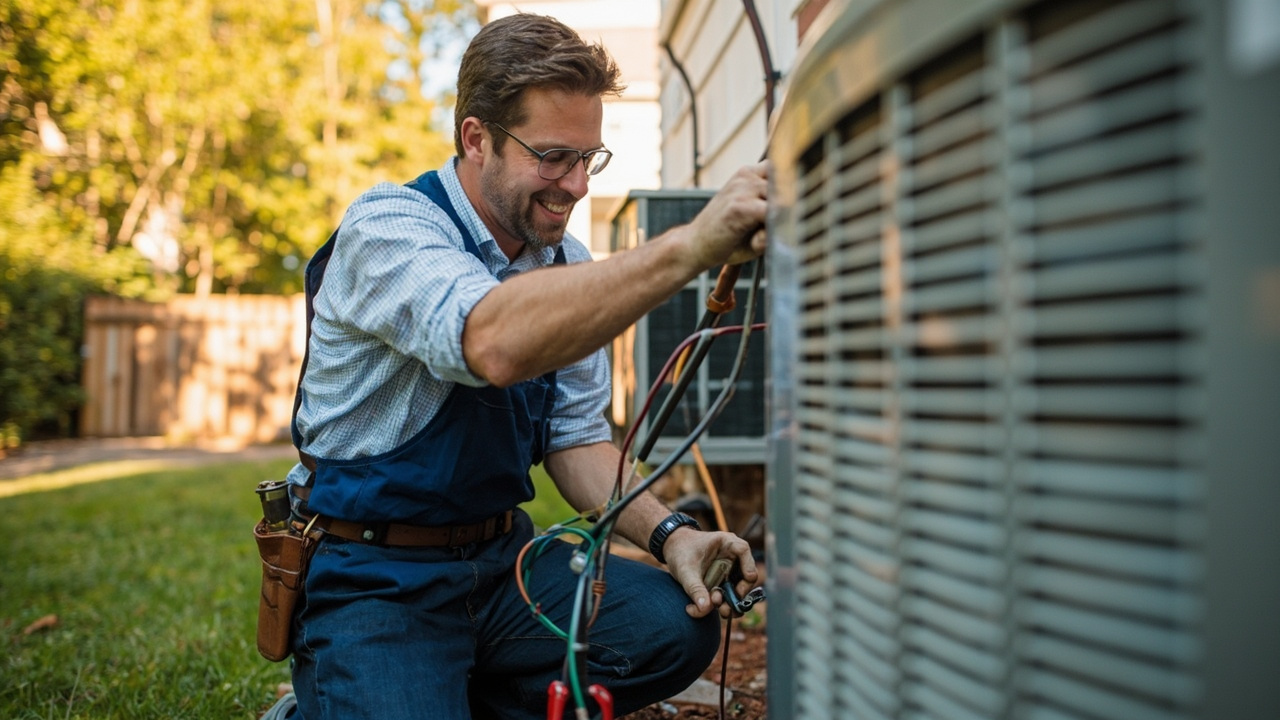
Living in Davidson during a North Carolina summer means dealing with heavy humidity and temperatures…
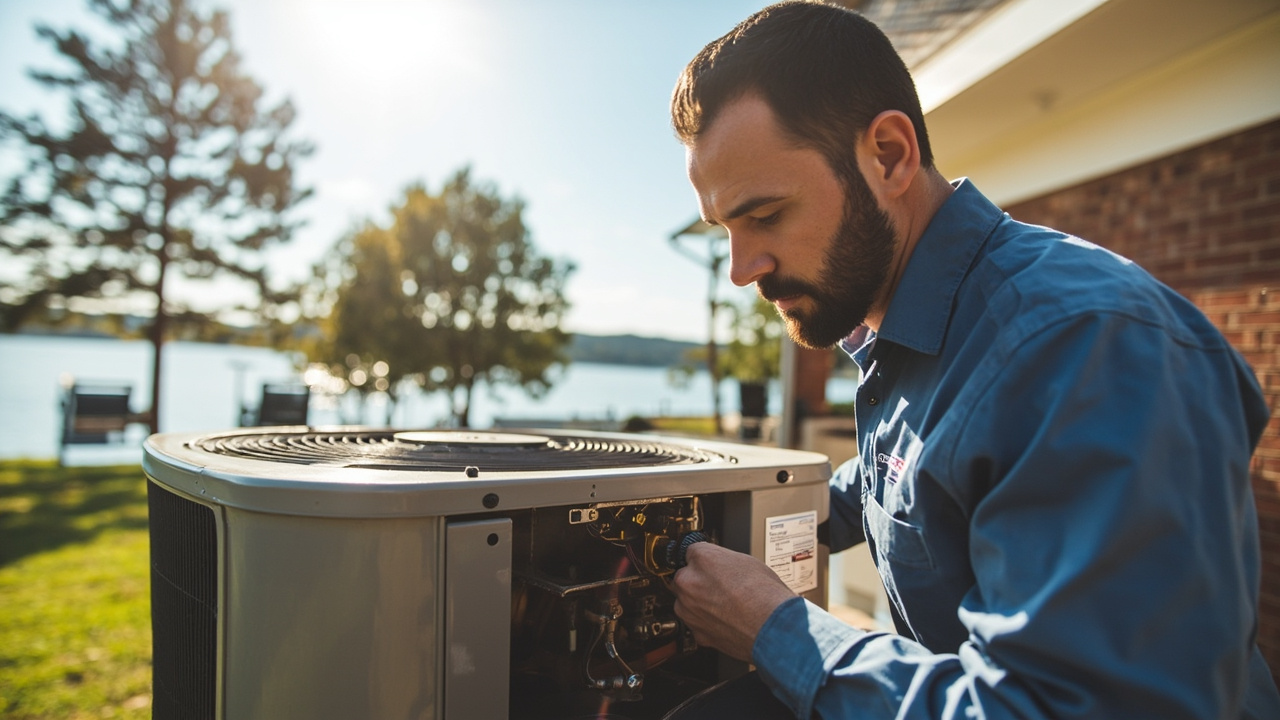
Expert Heat Pump Replacement in Cornelius NCHomeowners in Cornelius face a unique set of weather…
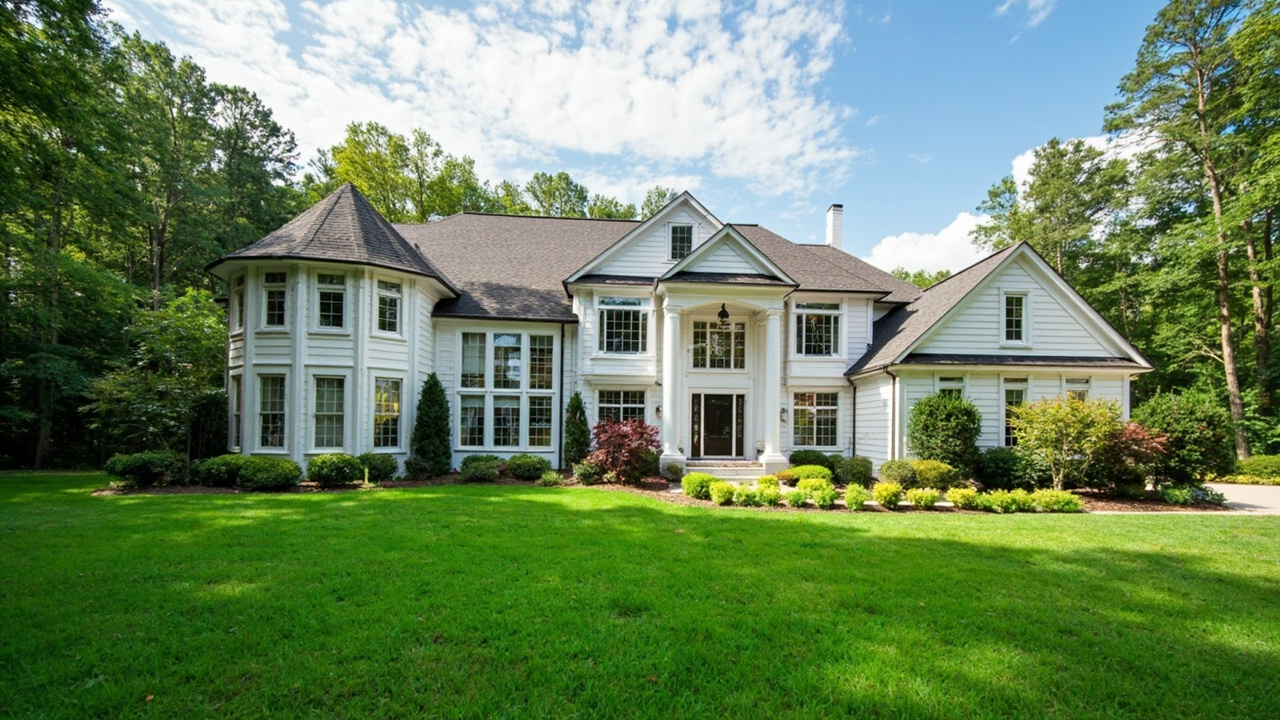
Smart Strategies to Lower Utility Bills for Large Quail Hollow Estates Managing a large estate…
Your comfort matters. Call (980) 342-9990 now for same-day service in Monroe. We answer our phones, show up on time, and fix your system right the first time. No surprises, no pressure, just working climate control when you need it.