
menu

AC Blowing Warm Air in Charlotte – Expert Diagnosis and Fast Repair to Restore Cold Air Today

When your AC blowing warm air disrupts your comfort, you need skilled technicians who can diagnose refrigerant leaks, compressor failures, and airflow restrictions quickly to get your system cooling properly again.

Slider Image 1
Slider Image 2
Slider Image 3
Slider Image 4
Slider Image 5
Slider Image 7
Slider Image 8
Slider Image 9
Slider Image 10
Slider Image 11

Why Your Air Conditioner Is Blowing Hot Air in Charlotte's Heat and Humidity

You walk over to the vent expecting cool relief and get hit with warm air instead. Your air conditioning not blowing cold air on a 92-degree Charlotte afternoon with 70% humidity is not just frustrating. It is dangerous.

Charlotte's brutal summer heat stresses air conditioning systems harder than most homeowners realize. When outside temperatures spike and humidity climbs, your AC runs longer cycles trying to keep up. This extended runtime exposes weaknesses in aging components. A refrigerant leak that was minor in April becomes critical in July when your system cannot produce cold air anymore.

The problem gets worse because Charlotte's clay soil shifts with seasonal moisture changes. This movement can stress refrigerant lines running along foundation walls or through crawl spaces. A tiny crack in a line joint starts leaking refrigerant slowly. You notice your central air blowing warm air weeks later when the refrigerant charge drops below the minimum threshold.

High humidity compounds the issue. When your AC vents blowing hot air, the moisture in your home skyrockets. You feel sticky and miserable even though the thermostat says 72 degrees. The air feels thick because the evaporator coil is not cold enough to condense water vapor out of the air.

Sometimes the issue is simple. A tripped breaker might cut power to the outdoor condensing unit while the indoor air handler keeps running. You get airflow but zero cooling. Other times the problem runs deeper. A failed compressor, a clogged expansion valve, or a frozen evaporator coil all produce the same symptom: your AC running but not cooling your home when you need it most.

Why Your Air Conditioner Is Blowing Hot Air in Charlotte's Heat and Humidity
How We Fix Air Conditioners Blowing Hot Air the Right Way

How We Fix Air Conditioners Blowing Hot Air the Right Way

When your air conditioner blowing hot air needs professional attention, guessing wastes time and money. We use a systematic diagnostic approach that identifies the root cause fast.

First, we verify electrical power to both the air handler and the condensing unit. A single tripped breaker or blown fuse can disable outdoor components while indoor components keep running. This creates the illusion of normal operation with zero cooling capacity.

Next, we check refrigerant pressures at the service ports. Low suction pressure combined with low superheat readings tells us refrigerant is leaking. High head pressure with normal subcooling points to airflow restriction or a failing condenser fan motor. We measure temperature differentials across the evaporator coil and the condensing coil to verify heat exchange efficiency.

We inspect the compressor for proper amperage draw and listen for unusual sounds that signal mechanical failure. A compressor pulling low amps but running hot indicates internal valve failure. One drawing excessive amps points to seized bearings or electrical issues.

Airflow gets measured at supply registers using a digital anemometer. Your system might have adequate refrigerant and a working compressor but still blow warm air because a clogged filter or collapsed ductwork chokes airflow across the evaporator coil. Without proper airflow, the coil cannot absorb heat from your indoor air.

We also check the reversing valve on heat pump systems. A stuck valve prevents the system from switching to cooling mode. You get warm air because the refrigerant flow never reverses from heating cycle to cooling cycle.

Keystone HVAC Charlotte technicians carry the diagnostic tools and refrigerants needed to repair most issues the same day. We do not leave until your system blows cold air again.

What Happens When You Call About Warm Air From Your Vents

AC Blowing Warm Air in Charlotte – Expert Diagnosis and Fast Repair to Restore Cold Air Today
01

Emergency Dispatch and Arrival

You call our emergency line and speak directly with a technician who asks targeted questions about your symptoms. We prioritize calls based on indoor temperature and household vulnerability. A truck with full diagnostic equipment and common repair parts gets dispatched to your Charlotte address. You receive a text with technician name, photo, and estimated arrival window within 15 minutes of your call.
02

Comprehensive System Diagnosis

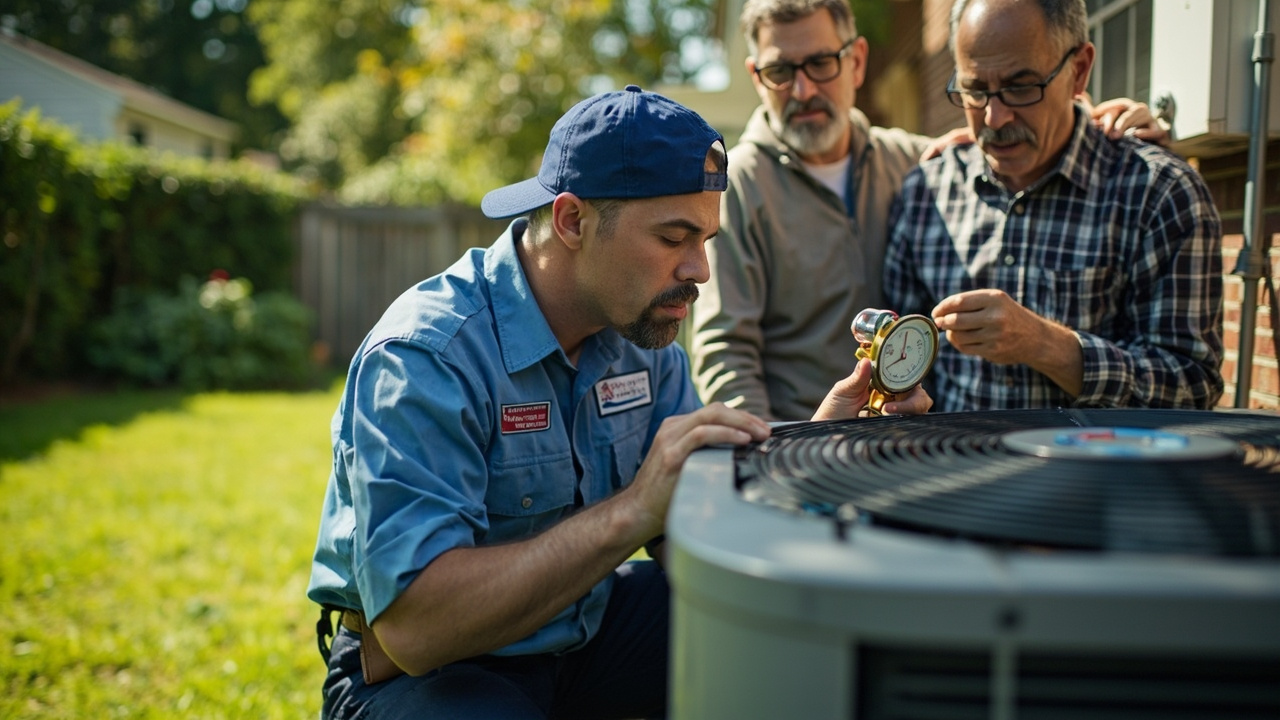
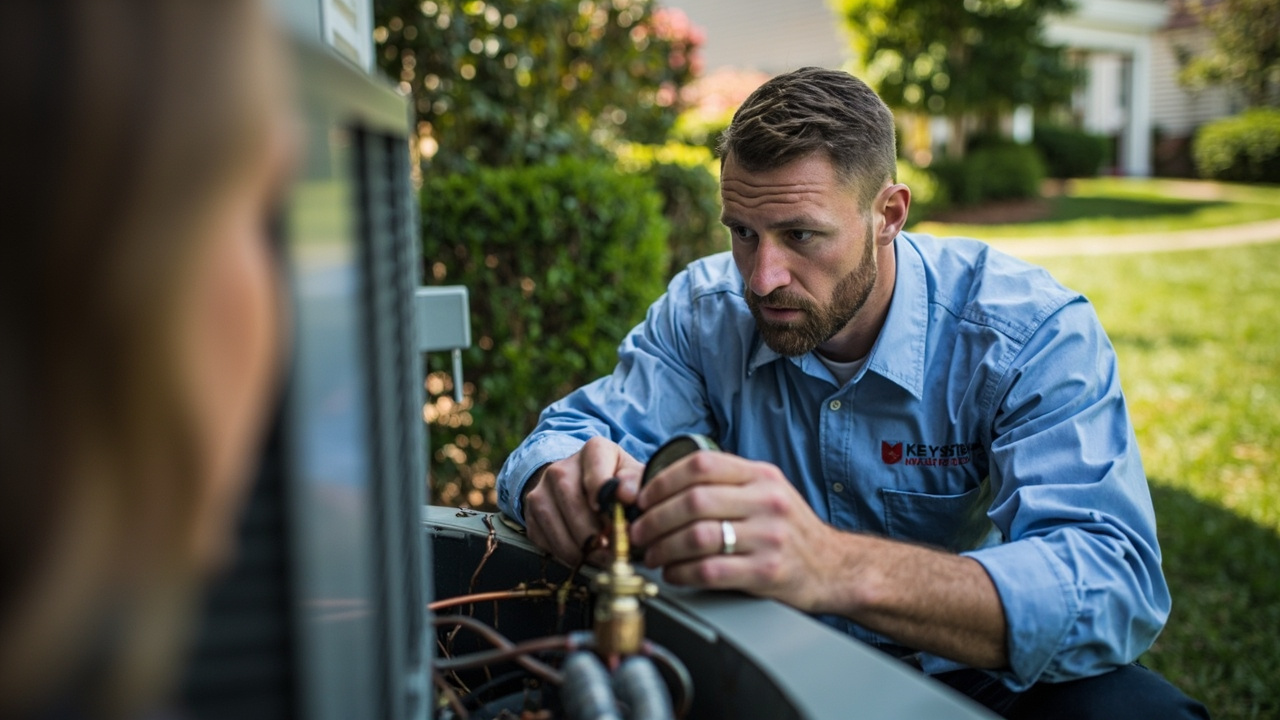
Our technician connects manifold gauges to your system and measures operating pressures and temperatures at key points in the refrigerant cycle. We inspect electrical connections, test capacitors, verify proper airflow, and check for refrigerant leaks using electronic leak detectors. This diagnostic process takes 30 to 45 minutes and identifies exactly why your AC vents blowing hot air instead of cold. You get a clear explanation of the problem before any repair work begins.
03

Repair and Cool Air Restoration

Once you approve the repair, we fix the issue using manufacturer-spec parts and proper refrigerant handling procedures. After repairs, we verify system performance by measuring supply air temperature, checking refrigerant charge accuracy, and confirming proper electrical draw. We run the system through a complete cooling cycle to ensure your central air blowing warm air problem is completely resolved. You feel cold air at the vents before we leave your property.

Why Charlotte Homeowners Trust Us With AC Problems

Charlotte's mix of older homes in Dilworth and Myers Park alongside newer construction in Ballantyne creates unique HVAC challenges. We work on 40-year-old heat pumps in historic districts and brand-new variable-speed systems in South End high-rises. This range of experience means we diagnose problems faster because we have seen every failure mode across every system type.

Local building codes require specific refrigerant handling procedures and permit requirements for major repairs. We stay current on Mecklenburg County mechanical code updates and maintain proper EPA certifications for refrigerant work. When we repair your system, the work meets local inspection standards if your situation requires permit filing.

Charlotte's summer humidity creates specific problems other cities do not face. Condensate drain lines clog faster here because of algae growth in high moisture conditions. We check drain lines during every service call because a blocked drain can trigger a safety float switch that shuts down your system. You think you have a major compressor failure when the real problem is a clogged quarter-inch PVC line.

We also understand how Charlotte's clay soil affects outdoor equipment. Condensing units settle unevenly as soil shifts with wet and dry seasons. This tilting stresses refrigerant line connections and can cause vibration damage to compressor mounts. We check unit level and foundation stability during diagnostics because addressing these issues prevents future refrigerant leaks.

Keystone HVAC Charlotte keeps common repair parts on every truck. Capacitors, contactor relays, condenser fan motors, and refrigerant cylinders ride with our technicians so repairs get completed the same day. You do not wait three days for a part order while your house bakes in 90-degree heat.

What You Can Expect When We Service Your Air Conditioning System

Same-Day Service Response

We dispatch technicians to warm air emergencies within two hours during business hours and within four hours for after-hours calls. Our trucks carry the diagnostic equipment and common parts needed to complete most repairs in a single visit. You get a confirmed arrival window by text message and a phone call when the technician is 15 minutes away. We understand that waiting days for service when your AC running but not cooling is unacceptable in Charlotte summers.

Transparent Diagnostic Process

Before any repair work starts, you receive a detailed explanation of what failed and why your air conditioning not blowing cold air. We show you pressure readings, temperature measurements, and failed components when possible. You get a written estimate for repair costs before we start work. There are no hidden diagnostic fees or surprise charges. If you decide not to proceed with repairs, you pay only the service call fee. Our goal is to give you the information needed to make a confident decision about your system.

Verified Cooling Performance

After completing repairs, we verify your system produces proper cooling by measuring supply air temperature at multiple vents throughout your home. We check that refrigerant pressures fall within manufacturer specifications and confirm proper airflow across the evaporator coil. The system runs through a complete cooling cycle while we monitor performance. You feel cold air blowing from your vents before we pack up our tools. We do not consider the job complete until your home reaches comfortable temperature.

Maintenance Recommendations

Once your immediate problem gets resolved, we provide specific maintenance recommendations based on your system's age and condition. You learn what components show wear and might need replacement in the next 12 to 24 months. We explain how routine maintenance like filter changes and coil cleaning prevents future problems. You receive a written maintenance schedule customized to your equipment and usage patterns. Our maintenance plans include priority service scheduling and discounted repair rates if problems occur between service visits.

Frequently Asked Questions

You Have Questions,
We Have Answers

How do I fix my AC blowing warm air? +

Start by checking your thermostat. Confirm it's set to cool and the temperature is below your current indoor temperature. Next, check your air filter. A clogged filter blocks airflow and causes warm air. Replace it if dirty. Inspect your outdoor unit. Clear away debris, leaves, or grass clippings blocking the condenser coils. Check your circuit breaker to confirm the outdoor unit has power. If these steps don't fix the problem, you likely need a professional. Refrigerant leaks, frozen evaporator coils, or compressor failure require a licensed technician in Charlotte to diagnose and repair safely.

Why is my AC running but not cooling? +

Your AC runs but doesn't cool when critical components fail or lose efficiency. The most common cause is low refrigerant from a leak. Refrigerant doesn't burn off. It leaks. A dirty condenser coil can also prevent heat transfer, making your system work hard with no results. A faulty compressor won't circulate refrigerant properly. In Charlotte's humid climate, frozen evaporator coils happen when airflow drops due to clogged filters or blocked return vents. Finally, a broken capacitor prevents the compressor or fan motor from starting. Each issue requires different fixes. A diagnostic visit pinpoints the exact problem.

What is the 3 minute rule for air conditioners? +

The 3 minute rule prevents compressor damage. After your AC shuts off, wait at least 3 minutes before restarting it. This allows pressure in the refrigerant lines to equalize. If you restart too soon, the compressor works against high pressure, which can damage internal components or trip the breaker. This rule applies after power outages, thermostat adjustments, or manual shutdowns. Modern thermostats include built-in delay timers, but older systems may not. Following this rule extends compressor life and prevents expensive repairs. Charlotte's frequent summer storms and power fluctuations make this rule even more important for protecting your investment.

How to reset AC not blowing cold air? +

First, turn off your AC at the thermostat and wait 30 seconds. Turn it back on and set it 5 degrees below room temperature. If that doesn't work, locate your circuit breaker panel. Find the breaker labeled for your AC. Flip it completely off, wait 60 seconds, then flip it back on. This hard reset clears minor electronic glitches. Next, check your outdoor disconnect box near the condenser unit. Flip the switch off and back on. If your system still blows warm air after these resets, the issue is mechanical or refrigerant-related. You need a technician to inspect the compressor, coils, and refrigerant levels.

Should I turn off the AC if it blows hot air? +

Yes, turn off your AC if it blows hot air for more than 30 minutes. Running a malfunctioning system can cause additional damage and drive up your electric bill. Hot air often signals a refrigerant leak, frozen coils, or compressor failure. Continuing to run the system stresses the compressor and can lead to burnout, which costs thousands to replace. In Charlotte's summer heat, this is frustrating, but protecting your system saves money long-term. Turn off the unit at the thermostat, check your air filter and outdoor unit for obvious problems, then call a technician. Running a broken AC makes repairs more expensive.

How do I know if my AC condensate line is clogged? +

A clogged condensate line shows several warning signs. Check your drain pan under the indoor unit. Standing water means the line is blocked. You may notice water pooling around your indoor unit or water stains on nearby walls and ceilings. Your AC may shut off unexpectedly when the float switch activates to prevent overflow. In Charlotte's humid climate, condensate lines clog faster due to algae and mold growth in the moisture. You might smell musty odors near your indoor unit. To confirm, locate the PVC pipe exiting your home near the outdoor unit. If no water drips during cooling, the line is likely clogged.

Should I turn off AC if it's not cooling? +

Yes, turn off your AC if it's not cooling. Running a malfunctioning system wastes energy and risks serious damage. If the compressor runs without cooling, it can overheat and fail completely. Replacement costs range into the thousands. If your evaporator coil is frozen, continued operation prevents thawing and worsens the problem. In Charlotte's summer heat, you want relief fast, but patience protects your wallet. Turn off the system, check your air filter, and inspect the outdoor unit for debris or tripped breakers. If the issue isn't obvious, call a technician. Two hours of diagnosis beats a week without cooling and a major repair bill.

What is the $5000 rule for AC? +

The 5000 rule helps you decide between repair and replacement. Multiply the age of your AC by the repair cost estimate. If the result exceeds 5000, replace the unit instead of repairing it. For example, if your 12 year old system needs a 500 dollar compressor repair, the calculation is 12 times 500, which equals 6000. That exceeds 5000, so replacement makes more financial sense. This rule accounts for efficiency losses in aging systems and the likelihood of future breakdowns. In Charlotte, newer systems handle humidity better and lower energy bills. This rule simplifies a tough decision and prevents throwing money at a dying system.

How to tell if AC is low on refrigerant? +

Low refrigerant shows distinct symptoms. Your AC runs constantly but struggles to reach the set temperature. Ice forms on the refrigerant lines or evaporator coil, even in Charlotte's summer heat. You hear a hissing or bubbling sound near the indoor or outdoor unit, signaling a leak. Your energy bills spike as the system works harder with less refrigerant. Warm air blows from your vents despite the system running. Refrigerant doesn't evaporate or get used up. It only decreases through leaks. If you suspect low refrigerant, turn off your system and call a technician. Only licensed professionals can legally handle refrigerant and locate leaks properly.

How cool should my house be if it's 100 outside? +

Your AC should maintain an indoor temperature about 15 to 20 degrees cooler than the outdoor temperature. If it's 100 degrees outside, expect your home to reach 80 to 85 degrees, not 70. Charlotte's humidity makes this feel warmer than dry heat climates. Your system's capacity has limits. Expecting 70 degrees when it's 100 outside overworks your compressor and risks damage. Help your AC by closing blinds during peak sun, using ceiling fans, and avoiding heat-generating activities like cooking or running the dryer during the hottest hours. Realistic expectations prevent unnecessary service calls and extend your system's lifespan in extreme heat.

How Charlotte's Climate Accelerates AC Failures That Cause Warm Air Problems

Charlotte sits at the intersection of Piedmont heat and coastal humidity. Summer outdoor temperatures regularly hit 95 degrees with dew points in the low 70s. This combination forces air conditioning systems to run 12 to 16 hours per day during peak summer months. Extended runtime accelerates wear on compressor bearings, fan motors, and capacitors. Components designed for 8 hours of daily operation get pushed to their limits. A capacitor that would last six years in Denver fails in four years here because of constant electrical cycling under high load conditions. Your AC blowing warm air often traces back to a failed start capacitor or run capacitor that could not handle Charlotte's brutal summer duty cycle.

Choosing a local Charlotte HVAC company means working with technicians who understand these climate-specific failure patterns. We stock capacitors rated for high-temperature operation and know which compressor models handle extended runtime better than others. We also understand local code requirements for refrigerant handling and disposal. Mecklenburg County requires specific permitting for refrigerant line modifications and system replacements. Working with a company familiar with these local regulations prevents compliance issues and ensures repairs meet inspection standards if your home sale or insurance claim requires documentation of proper HVAC work.
HVAC Services in The Charlotte Area

Keystone proudly serves homes and businesses throughout Charlotte and nearby areas. Whether you’re looking for fast repairs, expert installations, or seasonal HVAC maintenance, our team is just a call away. Use the map below to locate our service area or office location, and don’t hesitate to reach out if you have questions. We’re committed to making your experience seamless from the first call to the final service. Let us show you why we’re Charlotte’s go-to HVAC experts.

Address:
Keystone HVAC Charlotte, 6000 Fairview Rd, Charlotte, NC, 28210

Additional Services We Offer

Our news updates

Latest Articles & News from The Blogs

Expert Heat Pump Replacement in Cornelius NCHomeowners in Cornelius face a unique set of weather challenges. The moisture coming off…

Heat Pump Replacement Services in Cornelius and Lake Norman

Expert Heat Pump Replacement in Cornelius NCHomeowners in Cornelius face a unique set of weather challenges. The moisture coming off…

Smart Strategies to Lower Utility Bills for Large Quail Hollow Estates

Smart Strategies to Lower Utility Bills for Large Quail Hollow Estates Managing a large estate in the Quail Hollow neighborhood…

Oakhurst families need furnace heat exchanger inspections before the first cold snap

Oakhurst families need furnace heat exchanger inspections before the first cold snapThe transition from the humid Charlotte summer to the…

Contact Us

Your home should be comfortable and safe. Call Keystone HVAC Charlotte now at (980) 342-9990 for same-day diagnosis and repair. Our technicians are ready to restore your cool air.