


Mint Hill sits in the humid subtropical zone where HVAC systems work overtime year-round. Summer temperatures hit the mid-90s with humidity that makes your air conditioner run constantly, cycling on and off until capacitors burn out and compressors seize. The strain is brutal. Winter brings freeze-thaw cycles that crack heat exchangers and ice over outdoor units, forcing furnaces to work harder than they're designed to handle. This isn't like the mountains where systems coast through mild summers. This is the Piedmont, where HVAC equipment ages in dog years.
The clay soil under Mint Hill shifts with moisture changes, settling foundations and pulling ductwork apart at the seams. You'll have perfect airflow in spring, then lose half your cooling by July because seams separated in your crawlspace. The pollen here clogs filters faster than anywhere else in North Carolina, choking airflow until coils freeze and systems shut down. Every spring, we pull outdoor units apart and find them packed solid with cottonwood seeds and pine pollen. Near Lawyers Road and around Wilgrove, older homes have undersized ductwork that never matched modern HVAC loads, creating pressure imbalances that burn through blower motors every few years.
We've been fixing HVAC systems across Mint Hill since before the population boom, back when Lawyers Road was still quiet and Fairview was mostly farmland. That history matters because we've seen every HVAC configuration in this town. We know which subdivisions got cheap builder-grade units that fail at year seven. We know which neighborhoods have ductwork in vented crawlspaces where humidity rots insulation. We know the brick ranches near downtown Mint Hill have original 1970s furnaces with cracked heat exchangers that leak carbon monoxide. This isn't knowledge you get from a training manual.
Our trucks carry parts for every major brand because we refuse to tell customers we need to order components and come back tomorrow. When your AC quits at 9 PM on a Saturday, we're not showing up to diagnose the problem and schedule a return visit. We're fixing it tonight. Our technicians have worked this territory long enough to know that Goodman units dominate the eastern subdivisions, Trane systems fill the newer developments off Highway 51, and Carrier equipment runs in most commercial buildings along Lawyers Road. We stock accordingly.
We don't send salespeople to your house pretending to be technicians. The person who answers your emergency call is qualified to repair your system, not upsell you into replacement equipment you don't need. We've built our reputation in Mint Hill by fixing what's broken and being honest about when a system is truly dead. That approach doesn't maximize revenue per call, but it keeps customers calling us back for twenty years. We're not chasing one-time emergency service fees. We're building relationships with homeowners and businesses that trust us to shoot straight about what their HVAC system needs.

We answer emergency calls at 2 AM on Christmas morning because HVAC failures don't wait for convenient hours. Your furnace quits when temperatures drop below freezing. Your AC dies during the first heat wave. Our technicians live in the Charlotte metro and reach most Mint Hill locations within an hour of your call, with fully stocked trucks ready to complete repairs on the spot.

We stock parts for every major HVAC brand and carry the capacitors, contactors, and thermostats that fail most often in this climate. Our technicians have the components, tools, and experience to complete most repairs in a single visit. You won't hear us say we need to order parts and come back next week while your family sweats through August nights.
We tell you what's actually wrong with your HVAC system and what it costs to fix, without pushing replacement equipment you don't need. If your fifteen-year-old system needs a $400 repair and has five good years left, we'll say exactly that. If your heat exchanger is cracked and replacement makes sense, we'll explain why with evidence you can see yourself.
We've serviced HVAC systems in every Mint Hill neighborhood from Wilgrove to Fairview, in homes built in 1960 and subdivisions finished last year. We know the undersized ductwork in older ranches near downtown. We know the builder-grade equipment failing in eastern subdivisions. We know which crawlspaces flood and which attics hit 140 degrees. This local knowledge means faster diagnosis and better solutions.
HVAC repair in Mint Hill isn't one-size-fits-all service. Your air conditioner that's frozen solid needs different expertise than your furnace that won't ignite. Your ten-year-old system making strange noises requires different solutions than your brand-new installation that never cooled properly. We organize our services around what you're actually experiencing, whether that's an emergency breakdown at midnight, ongoing comfort problems that drain your wallet, or planned replacement of equipment that's reached the end.
Emergency HVAC repair means we respond immediately when your system fails and you need it working now. Diagnostic services identify why your energy bills doubled or why some rooms stay hot while others freeze. System replacement and installation covers new equipment when repair no longer makes financial sense. Maintenance and tune-ups prevent breakdowns before they happen, catching failing components while they're still cheap to replace. Commercial HVAC service handles the rooftop units, split systems, and package units that keep Mint Hill businesses comfortable. We separate these services because each requires different response times, different expertise, and different equipment. You need to know we can handle whatever your HVAC system throws at you.
Your air conditioner quit during a heat wave. Your furnace won't start when it's 28 degrees outside. Your heat pump is blowing cold air in January. These aren't problems that wait until Monday morning. Our emergency HVAC repair service responds day and night, weekends and holidays, with technicians and parts ready to restore your comfort immediately. We diagnose the failure, explain what happened and why, and complete repairs on the spot in most cases. Common emergency repairs include failed capacitors, burned contactors, frozen evaporator coils, cracked heat exchangers, seized compressors, and failed blower motors.
Your fifteen-year-old air conditioner needs its third major repair this year. Your heat exchanger is cracked and replacement costs more than the furnace is worth. Your R-22 system needs refrigerant that costs $150 per pound. Sometimes replacement makes more sense than repair. We provide honest assessments about when you've crossed that line, then handle complete HVAC system installation including equipment sizing, ductwork modifications, thermostat upgrades, and permit coordination. We install Trane, Carrier, Goodman, Lennox, and other major brands, matching equipment to your home's actual cooling and heating loads.
Most HVAC failures give warnings weeks before they actually quit. Capacitors weaken gradually. Contactors pit over time. Refrigerant leaks start small and grow. Blower motors draw more amperage as bearings wear. Our maintenance service catches these problems while they're still cheap to fix, before they strand you without cooling in August or heating in January. We clean coils, test electrical components, measure refrigerant charge, inspect ductwork, replace filters, and calibrate thermostats. Members get priority emergency response and discounted repair rates. Most customers save enough on prevented emergency calls to cover the annual maintenance cost.
The Piedmont climate creates specific HVAC problems you won't find in the mountains or at the coast. The combination of extreme heat, heavy humidity, sudden temperature swings, and clay soil movement stresses systems in ways that shorten equipment life and create repeated failures. We see the same problems across Mint Hill neighborhoods every season because the climate and construction methods create predictable stress points. Understanding what commonly fails helps you recognize problems early, before a minor issue becomes an expensive emergency.
Older homes near downtown Mint Hill and around Fairview face different challenges than newer subdivisions off Highway 51. The brick ranches built in the 1960s and 1970s have undersized ductwork, inadequate insulation, and original HVAC equipment that's decades past its design life. The subdivisions built in the 2000s have builder-grade equipment chosen for low cost rather than longevity, with predicted failure points around year seven to ten. Commercial buildings along Lawyers Road face rooftop unit problems unique to flat-roof installations in humid climates. Every area of Mint Hill has its HVAC vulnerabilities.
Your air conditioner is running constantly but not cooling. Ice builds up on the copper lines running to your outdoor unit. The indoor coil freezes solid and blocks all airflow. This happens when refrigerant charge drops due to leaks, when dirty filters choke airflow, or when blower motors slow down from worn bearings. The humidity in Mint Hill accelerates filter clogging and the freeze-thaw cycles stress refrigerant lines until they develop leaks. We diagnose the root cause, not just thaw the ice and walk away.
Your outdoor unit hums but won't start. Your air conditioner clicks off after a few seconds. Your fan runs but the compressor won't engage. Failed capacitors cause most of these symptoms. Capacitors provide the electrical jolt that starts motors spinning, and they weaken over time from heat stress and voltage fluctuations. The constant cycling in Mint Hill's humid climate, where air conditioners run six months straight, burns through capacitors faster than in milder regions. This is a simple repair if caught early but causes compressor damage if ignored.
Your furnace is fifteen years old and makes strange popping sounds when it heats up. You smell something metallic when the heat runs. Your carbon monoxide detector goes off during heating cycles. These symptoms point to cracked heat exchangers, the metal chambers that separate combustion gases from the air circulating through your home. Cracks develop from thermal expansion stress and corrode faster in humid climates. This isn't a repair situation. Cracked heat exchangers mean furnace replacement because carbon monoxide leaks can kill.
Some rooms stay hot while others freeze. Your energy bills doubled but your HVAC system seems fine. You hear air rushing in your crawlspace or attic. Disconnected or damaged ductwork dumps conditioned air into spaces you're not trying to heat or cool, wasting energy and leaving rooms uncomfortable. The clay soil movement under Mint Hill homes pulls duct seams apart over time, and the humidity rots the mastic and tape used to seal connections. We find and seal these leaks using pressure testing and thermal imaging.
You need to know exactly what happens when you call us for HVAC service in Mint Hill. We don't play games with diagnosis fees, trip charges, or surprise costs. We don't send salespeople disguised as technicians. We don't show up to tell you we need to order parts and come back next week. Our process is built around fixing your HVAC problem as fast as possible with complete transparency about what we're doing and what it costs.
When you call our main number at (980) 342-9990, you talk to someone who can actually help you, not a call center reading from a script. For emergency calls, we dispatch a technician immediately and give you a realistic arrival window based on where our trucks are and how far you are from them. For scheduled service, we arrive during the window we promise and call if we're running late. The technician who shows up is qualified to repair your system right then, not just look at it and schedule a follow-up. We carry the parts that fail most often in this climate, and our trucks stock components for every major brand. This preparation means most repairs finish in a single visit.
We answer our phones 24 hours a day, every day of the year. When you call for emergency HVAC service, we dispatch a technician immediately and tell you when to expect arrival based on real conditions, not optimistic guesses. Most Mint Hill locations get response within an hour for true emergencies. For scheduled service, we give you a specific arrival window and stick to it. If something delays us, we call ahead instead of leaving you wondering if we're still coming. You'll know who's coming to your home, what truck to look for, and how to reach them directly.
Our technicians diagnose the actual problem with your HVAC system, explain what failed and why it failed, then tell you exactly what the repair costs before starting work. No surprise charges. No hidden fees. If we find multiple problems, we explain which ones are urgent and which ones can wait. If your system needs replacement instead of repair, we'll show you the evidence and explain the math. We don't pressure you into buying new equipment when a repair makes sense. You make the decision after getting complete information.
We fix your HVAC system right the first time, test it thoroughly to confirm proper operation, and clean up completely before we leave. You get a detailed explanation of what we repaired, what to watch for, and how to prevent the same failure in the future. All repairs come with parts and labor warranties that we honor without argument. If something goes wrong after we leave, you call the same number and talk to someone who can see your service history and dispatch help immediately. We stand behind our work completely.
We've streamlined HVAC service into three clear steps because confusion benefits no one. You need to know what happens from the moment you call until your system is running properly again. Our process removes uncertainty and keeps you informed every step of the way.
You call (980) 342-9990 and explain what's wrong with your HVAC system. We ask a few questions to understand the problem and determine urgency. For emergencies, we dispatch the nearest available technician immediately and give you a realistic arrival window. For scheduled service, we find a time that works for your schedule. You get the technician's name, a description of the truck, and a direct contact number. If you have questions before we arrive, you can reach the person who's actually coming to your home.
The technician arrives during your scheduled window, examines your HVAC system, and runs tests to identify the failure. You get a clear explanation of what's broken, why it failed, and what the repair costs. If you approve the repair, we complete it immediately in most cases using parts we carry on the truck. We test the system thoroughly to confirm proper operation, check refrigerant levels, measure airflow, and verify all safety controls work correctly. You see the old parts we replaced and understand exactly what we fixed.
Before we leave, your HVAC system is running correctly and you understand what we repaired. We explain what to watch for, how to prevent similar failures, and when to schedule your next maintenance service. You get written documentation of the repair, warranty information, and our direct contact information. If anything goes wrong after we leave, you call the same number and we respond immediately. We don't consider a job finished until you're completely satisfied with how your system is operating.
Mint Hill falls under North Carolina's mechanical code requirements that mandate specific HVAC installation standards, minimum efficiency ratings, and safety protocols. All HVAC work requires permits and inspections, which protect homeowners from substandard installations that fail prematurely or create safety hazards. The state requires HVAC contractors to hold current licenses and insurance, though many companies operate illegally hoping homeowners won't check credentials. We maintain all required licenses and pull permits for every installation because unpermitted work creates liability problems when you sell your home and voids equipment warranties.
The Piedmont region creates unique demands on HVAC equipment that coastal and mountain systems don't face. Summer cooling loads in Mint Hill run higher than ACCA Manual J calculations predict because the combination of temperature and humidity forces air conditioners to remove moisture while cooling air. Systems sized purely on temperature will run constantly without achieving comfortable humidity levels. Heat pumps provide efficient heating down to about 35 degrees, then require auxiliary heat strips that consume massive amounts of electricity. Many Mint Hill homes need supplemental heating capacity beyond what the heat pump provides because winter temperatures regularly drop into the 20s.
Ductwork design matters more than most homeowners realize. The Manual D standards specify duct sizing based on airflow requirements and available static pressure, but builders often install undersized ductwork to save money on installation. This creates high-velocity airflow that's noisy, reduces system efficiency, and accelerates equipment wear. Properly sized ductwork allows the system to move air quietly and efficiently while maintaining even temperatures throughout the home. We measure actual airflow and static pressure during diagnostics because these numbers reveal ductwork problems that waste energy and shorten equipment life.
Refrigerant regulations have changed dramatically over the past decade. R-22 refrigerant was phased out in 2020, making it increasingly expensive and difficult to obtain. Systems using R-22 that develop leaks face a choice between expensive refrigerant recharges or system replacement. Newer systems use R-410A refrigerant, which operates at higher pressures and requires different components. You cannot simply convert an R-22 system to R-410A because the pressure differences will destroy components designed for lower pressures. We explain these options clearly so homeowners understand the true costs of repairing older systems versus replacement with modern equipment.
HVAC systems must match your home's actual heating and cooling loads, calculated using ACCA Manual J methodology that accounts for square footage, insulation levels, window area, air infiltration, and occupancy. Oversized systems cycle on and off rapidly without removing humidity. Undersized systems run constantly without reaching desired temperatures. We perform detailed load calculations before recommending equipment sizes, refusing to simply match the tonnage of your old system because that equipment might have been wrong from day one.
Emergency HVAC repairs cost more than scheduled service because technicians and parts must be available 24/7. Complex repairs requiring refrigerant recovery, brazing, or electrical troubleshooting take longer than simple component replacement. System age affects repair value because older equipment may fail again soon even after successful repairs. Replacement costs vary based on equipment efficiency ratings, required ductwork modifications, electrical upgrades, and permit fees. We explain these factors clearly so you understand what you're paying for and why.
Most emergency HVAC repairs finish within two to four hours from arrival, assuming we carry the needed parts. System replacements typically require one to two days depending on complexity, ductwork modifications, and inspection scheduling. Refrigerant leak repairs may need a second visit to verify the fix holds pressure over time. We give honest timeline estimates based on actual experience, not optimistic guesses designed to win your business. Some repairs genuinely require ordering parts and returning later, though this is uncommon.
North Carolina requires HVAC contractors to hold mechanical licenses and maintain liability insurance. All system replacements and significant repairs require permits and inspections to verify code compliance. Unpermitted work creates problems when selling your home and voids equipment warranties. We handle all permit coordination and schedule inspections as part of our service. Many competitors skip permits to save time and money, leaving homeowners exposed to liability and code violations that become expensive problems later.
Expert overview of HVAC repair challenges specific to Mint Hill NC and the Piedmont climate. Covers common air conditioning and heating failures, climate factors affecting system longevity, emergency repair versus replacement decisions, and what to expect from professional HVAC service. Includes discussion of humidity effects on AC performance, clay soil impact on ductwork, refrigerant regulations, and realistic cost considerations for repairs and system replacement in the Mint Hill area.
Keystone HVAC Charlotte provides complete heating and cooling services throughout Mint Hill and the surrounding communities. Our service area extends from downtown Mint Hill east to Hemby Bridge, north through Fairview and into Matthews, and west along Highway 51 toward Charlotte. We've repaired and installed HVAC systems in every neighborhood across this territory, from the established homes around Wilgrove to the newer developments spreading east toward Unionville.
The Wilgrove area, centered around Lawyers Road and Blair Road, contains many of Mint Hill's older homes. These brick ranches and split-levels date from the 1960s through 1980s and often retain original HVAC equipment or first-generation replacements. We've serviced these neighborhoods extensively and know the common issues: undersized ductwork that never matched modern HVAC capacity, crawlspace installations where humidity attacks components, and electrical panels that lack capacity for high-efficiency heat pumps. The tree canopy in these established neighborhoods provides shade that reduces cooling loads but drops leaves and pollen that clog outdoor units twice as fast as newer subdivisions.
Downtown Mint Hill, around the intersection of Highway 51 and Lawyers Road, mixes residential and commercial properties that require different HVAC approaches. Commercial buildings here typically use rooftop package units or split systems with condenser pads behind the buildings. Restaurants along this corridor need specialized HVAC solutions that handle kitchen heat loads and maintain comfortable dining areas. Retail spaces require zone control systems that adjust for varying occupancy and large window areas. We maintain commercial HVAC systems throughout this district and respond to after-hours emergencies that can't wait until morning.
The subdivisions spreading east from Mint Hill toward Hemby Bridge represent the town's growth over the past twenty years. These developments feature modern construction standards with better insulation and more efficient HVAC equipment than older areas, but they face different problems. Builder-grade systems installed in 2005 through 2015 are reaching predicted failure points now. We see repeated capacitor failures, compressor problems, and heat exchanger cracks in systems that looked fine until suddenly they didn't. The open terrain in these newer areas exposes outdoor units to direct sun that accelerates wear on electrical components. Many of these homes have two-story designs with zone control systems that require different maintenance approaches than single-zone installations.
North of downtown Mint Hill, the communities around Fairview and approaching Matthews feature a mix of older farms being converted to subdivisions and established neighborhoods dating back decades. HVAC needs vary widely here based on home age and construction quality. The older homes near Fairview Road often have propane furnaces or heat pumps serving additions that were never properly integrated with original ductwork. We've handled countless projects bringing these systems up to modern standards while preserving historic home character. The Matthews border area tends toward larger homes with multiple HVAC zones, whole-house humidification systems, and smart thermostats that require specialized service knowledge.
Highway 51 forms Mint Hill's western boundary with Charlotte, and the corridor along this route includes everything from small homes to large commercial properties. Traffic noise and proximity to Charlotte make these properties rely heavily on air conditioning keeping windows closed year-round. HVAC systems here work harder and accumulate road dust faster than properties in quieter areas. We service numerous businesses along this corridor that can't afford downtime during operating hours, requiring after-hours installation and maintenance scheduling.
No matter where you're located in the Mint Hill area, our technicians know how to reach you quickly and understand the HVAC challenges specific to your neighborhood. We've built our service territory knowledge over years of responding to calls across every part of town, learning the street layouts, the construction patterns, and the common HVAC problems that plague each area. That local expertise means faster response times and better solutions tailored to your specific situation.
HVAC systems in Mint Hill need regular attention due to North Carolina's humid climate and temperature swings. Your heating and cooling equipment works harder here than in milder regions. Schedule professional maintenance twice yearly, once before summer and once before winter. Replace air filters monthly during peak seasons. Watch for warning signs like odd noises, weak airflow, or rising energy bills. Local technicians understand the specific challenges Mint Hill weather creates for HVAC systems. Most homes here use central air conditioning with gas or electric heating. Proper maintenance extends equipment life and prevents unexpected breakdowns during extreme weather.
HVAC service in Mint Hill typically includes inspection, cleaning, and adjustment of your system components. Technicians check refrigerant levels, test electrical connections, and examine the condensate drain. They clean or replace filters, inspect ductwork for leaks, and lubricate moving parts. For heating systems, they test ignition systems and heat exchangers for safety. Air conditioning service includes cleaning coils and checking thermostat accuracy. Emergency repairs address immediate failures. Installation services cover new construction and replacement systems. Many providers offer annual maintenance plans that include priority scheduling and discounted repairs. Local technicians arrive prepared with common parts for quick fixes.
Your HVAC system needs professional attention when you notice reduced comfort or efficiency. Call a technician if rooms heat or cool unevenly, if energy bills spike without explanation, or if you hear grinding, squealing, or banging sounds. Strange odors from vents indicate potential electrical issues or mold growth. Weak airflow suggests duct problems or failing components. Systems older than 10 years benefit from annual inspections even without obvious problems. Schedule maintenance before peak seasons to avoid waiting during hot summers or cold winters. Address small issues quickly before they become expensive emergencies. Trust your instincts when something feels wrong with your system.
HVAC systems in Mint Hill need regular attention due to North Carolina's humid climate and temperature swings. Your heating and cooling equipment works harder here than in milder regions. Schedule professional maintenance twice yearly, once before summer and once before winter. Replace air filters monthly during peak seasons. Watch for warning signs like odd noises, weak airflow, or rising energy bills. Local technicians understand the specific challenges Mint Hill weather creates for HVAC systems. Most homes here use central air conditioning with gas or electric heating. Proper maintenance extends equipment life and prevents unexpected breakdowns during extreme weather.
HVAC service in Mint Hill typically includes inspection, cleaning, and adjustment of your system components. Technicians check refrigerant levels, test electrical connections, and examine the condensate drain. They clean or replace filters, inspect ductwork for leaks, and lubricate moving parts. For heating systems, they test ignition systems and heat exchangers for safety. Air conditioning service includes cleaning coils and checking thermostat accuracy. Emergency repairs address immediate failures. Installation services cover new construction and replacement systems. Many providers offer annual maintenance plans that include priority scheduling and discounted repairs. Local technicians arrive prepared with common parts for quick fixes.
Your HVAC system needs professional attention when you notice reduced comfort or efficiency. Call a technician if rooms heat or cool unevenly, if energy bills spike without explanation, or if you hear grinding, squealing, or banging sounds. Strange odors from vents indicate potential electrical issues or mold growth. Weak airflow suggests duct problems or failing components. Systems older than 10 years benefit from annual inspections even without obvious problems. Schedule maintenance before peak seasons to avoid waiting during hot summers or cold winters. Address small issues quickly before they become expensive emergencies. Trust your instincts when something feels wrong with your system.
Choosing an HVAC company in Mint Hill requires research and comparison. Look for established businesses with local references and positive reviews. Ask neighbors and friends about their experiences. Verify the company employs trained technicians who stay current with new technology. Request detailed written estimates before approving work. Compare pricing structures and service offerings from multiple providers. Check response times for emergency calls and regular appointments. Quality companies explain problems clearly and offer solutions without pressure. They provide straightforward answers about repair versus replacement decisions. Look for providers who stand behind their work and offer maintenance plans for ongoing support.
Regular HVAC maintenance prevents expensive breakdowns and extends equipment life. Schedule professional service twice yearly to keep your system running efficiently. Change air filters every 30 to 90 days depending on usage and household conditions. Keep outdoor units clear of debris, leaves, and vegetation. Maintain at least two feet of clearance around condensers. Clean supply and return vents inside your home. Check thermostat batteries annually. Listen for unusual sounds during operation. Monitor energy bills for unexpected increases. Inspect visible ductwork for damage or disconnection. These simple tasks reduce strain on your system and help technicians spot developing problems before they cause failures.
Mint Hill experiences hot, humid summers and cold winters that stress HVAC systems year-round. High humidity makes air conditioning work harder to maintain comfort. Summer temperatures regularly exceed 90 degrees, requiring reliable cooling. Winter lows drop below freezing, demanding efficient heating. Seasonal pollen and allergens clog filters faster here. Afternoon thunderstorms and occasional ice storms affect power supply and outdoor equipment. Your system runs more hours annually than in moderate climates. This constant use accelerates wear on components. Choose equipment sized for local conditions and invest in quality installation. Proper maintenance becomes essential when your HVAC system faces challenging weather conditions regularly.
Most HVAC systems in Mint Hill last 12 to 20 years with proper maintenance. Air conditioners typically need replacement after 15 years. Furnaces often last longer, around 20 years. Heat pumps usually require replacement after 15 years. Lifespan depends on installation quality, maintenance frequency, and usage patterns. Systems that run constantly in extreme weather wear out faster. Annual professional service extends equipment life significantly. Poor installation shortens lifespan regardless of maintenance. Replace aging systems before they fail completely to avoid emergency situations. Modern equipment offers better efficiency than older units. Plan for replacement when repairs become frequent or your system approaches 15 years old.
Air quality in Mint Hill homes depends on proper HVAC maintenance and filtration. Change filters regularly to remove dust, pollen, and allergens. Upgrade to higher-rated filters for better particle capture. Schedule duct cleaning every few years to remove accumulated debris. Control humidity levels between 30 and 50 percent to prevent mold growth. Clean supply and return vents monthly. Consider adding air purifiers or UV lights to your system for enhanced filtration. Address moisture problems quickly to prevent mold. Keep outdoor units clean to maintain efficient operation. Good indoor air quality reduces allergies and respiratory issues. Your HVAC system is your primary tool for maintaining healthy air throughout your home.
HVAC system size matters more than most homeowners realize. Oversized equipment cycles on and off too frequently, wasting energy and failing to control humidity. Undersized systems run constantly without reaching desired temperatures. Professional technicians calculate proper sizing based on your home's square footage, insulation levels, window placement, and ceiling height. They consider local climate conditions and your specific comfort preferences. Proper sizing improves efficiency and extends equipment life. Replacing an old system requires new calculations since home modifications affect heating and cooling needs. Never assume your current system is correctly sized. Accurate sizing requires detailed assessment by qualified professionals who understand load calculations.
Emergency HVAC situations require immediate attention in Mint Hill. Complete system failure during extreme heat or cold threatens health and safety. Water leaking from your air handler causes property damage. Gas odors near your furnace indicate dangerous conditions. Electrical burning smells suggest fire risk. Ice buildup on refrigerant lines signals serious problems. Loud metal-on-metal grinding means component failure. Complete loss of heating in freezing weather puts pipes at risk. No cooling during heat waves endangers vulnerable household members. Most HVAC companies offer emergency service outside normal hours. Keep your provider's emergency number accessible. Address urgent issues immediately rather than waiting for regular business hours.
Choosing an HVAC company in Mint Hill requires research and comparison. Look for established businesses with local references and positive reviews. Ask neighbors and friends about their experiences. Verify the company employs trained technicians who stay current with new technology. Request detailed written estimates before approving work. Compare pricing structures and service offerings from multiple providers. Check response times for emergency calls and regular appointments. Quality companies explain problems clearly and offer solutions without pressure. They provide straightforward answers about repair versus replacement decisions. Look for providers who stand behind their work and offer maintenance plans for ongoing support.
Regular HVAC maintenance prevents expensive breakdowns and extends equipment life. Schedule professional service twice yearly to keep your system running efficiently. Change air filters every 30 to 90 days depending on usage and household conditions. Keep outdoor units clear of debris, leaves, and vegetation. Maintain at least two feet of clearance around condensers. Clean supply and return vents inside your home. Check thermostat batteries annually. Listen for unusual sounds during operation. Monitor energy bills for unexpected increases. Inspect visible ductwork for damage or disconnection. These simple tasks reduce strain on your system and help technicians spot developing problems before they cause failures.
Mint Hill experiences hot, humid summers and cold winters that stress HVAC systems year-round. High humidity makes air conditioning work harder to maintain comfort. Summer temperatures regularly exceed 90 degrees, requiring reliable cooling. Winter lows drop below freezing, demanding efficient heating. Seasonal pollen and allergens clog filters faster here. Afternoon thunderstorms and occasional ice storms affect power supply and outdoor equipment. Your system runs more hours annually than in moderate climates. This constant use accelerates wear on components. Choose equipment sized for local conditions and invest in quality installation. Proper maintenance becomes essential when your HVAC system faces challenging weather conditions regularly.
Most HVAC systems in Mint Hill last 12 to 20 years with proper maintenance. Air conditioners typically need replacement after 15 years. Furnaces often last longer, around 20 years. Heat pumps usually require replacement after 15 years. Lifespan depends on installation quality, maintenance frequency, and usage patterns. Systems that run constantly in extreme weather wear out faster. Annual professional service extends equipment life significantly. Poor installation shortens lifespan regardless of maintenance. Replace aging systems before they fail completely to avoid emergency situations. Modern equipment offers better efficiency than older units. Plan for replacement when repairs become frequent or your system approaches 15 years old.
Air quality in Mint Hill homes depends on proper HVAC maintenance and filtration. Change filters regularly to remove dust, pollen, and allergens. Upgrade to higher-rated filters for better particle capture. Schedule duct cleaning every few years to remove accumulated debris. Control humidity levels between 30 and 50 percent to prevent mold growth. Clean supply and return vents monthly. Consider adding air purifiers or UV lights to your system for enhanced filtration. Address moisture problems quickly to prevent mold. Keep outdoor units clean to maintain efficient operation. Good indoor air quality reduces allergies and respiratory issues. Your HVAC system is your primary tool for maintaining healthy air throughout your home.
HVAC system size matters more than most homeowners realize. Oversized equipment cycles on and off too frequently, wasting energy and failing to control humidity. Undersized systems run constantly without reaching desired temperatures. Professional technicians calculate proper sizing based on your home's square footage, insulation levels, window placement, and ceiling height. They consider local climate conditions and your specific comfort preferences. Proper sizing improves efficiency and extends equipment life. Replacing an old system requires new calculations since home modifications affect heating and cooling needs. Never assume your current system is correctly sized. Accurate sizing requires detailed assessment by qualified professionals who understand load calculations.
Emergency HVAC situations require immediate attention in Mint Hill. Complete system failure during extreme heat or cold threatens health and safety. Water leaking from your air handler causes property damage. Gas odors near your furnace indicate dangerous conditions. Electrical burning smells suggest fire risk. Ice buildup on refrigerant lines signals serious problems. Loud metal-on-metal grinding means component failure. Complete loss of heating in freezing weather puts pipes at risk. No cooling during heat waves endangers vulnerable household members. Most HVAC companies offer emergency service outside normal hours. Keep your provider's emergency number accessible. Address urgent issues immediately rather than waiting for regular business hours.
Keystone proudly serves homes and businesses throughout Charlotte and nearby areas. Whether you’re looking for fast repairs, expert installations, or seasonal HVAC maintenance, our team is just a call away. Use the map below to locate our service area or office location, and don’t hesitate to reach out if you have questions. We’re committed to making your experience seamless from the first call to the final service. Let us show you why we’re Charlotte’s go-to HVAC experts.
Address:
Mint Hill, NC, 28227

Waxhaw is growing at a fast pace. New residential projects are popping up from the edges of the historic village to the sprawling developments near the state line. If you are building a custom home…
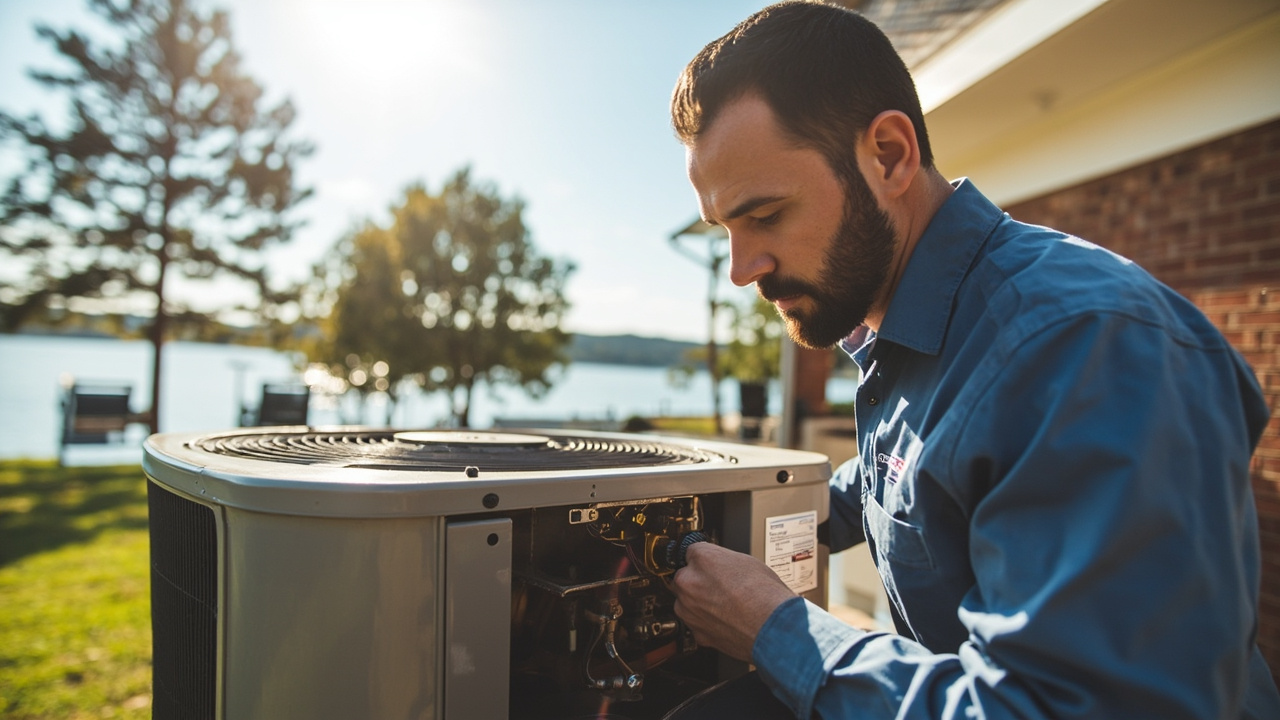
Living in Davidson during a North Carolina summer means dealing with heavy humidity and temperatures…
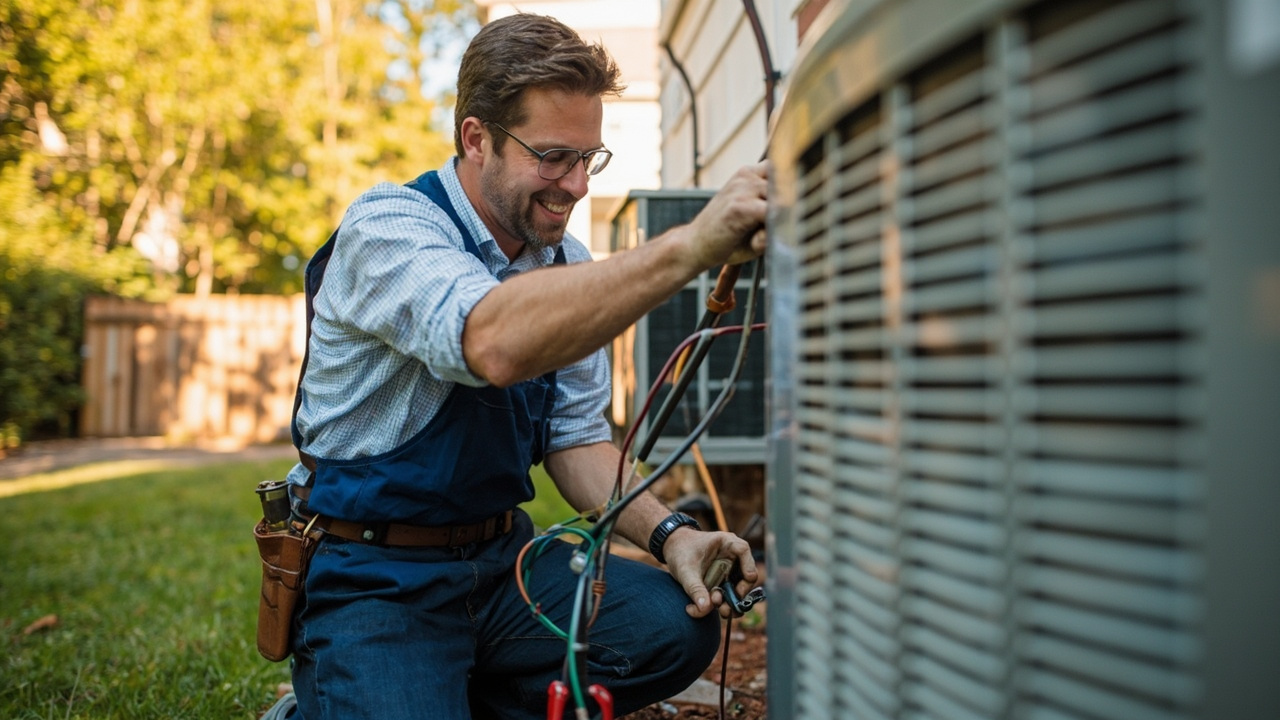
Expert Heat Pump Replacement in Cornelius NCHomeowners in Cornelius face a unique set of weather…
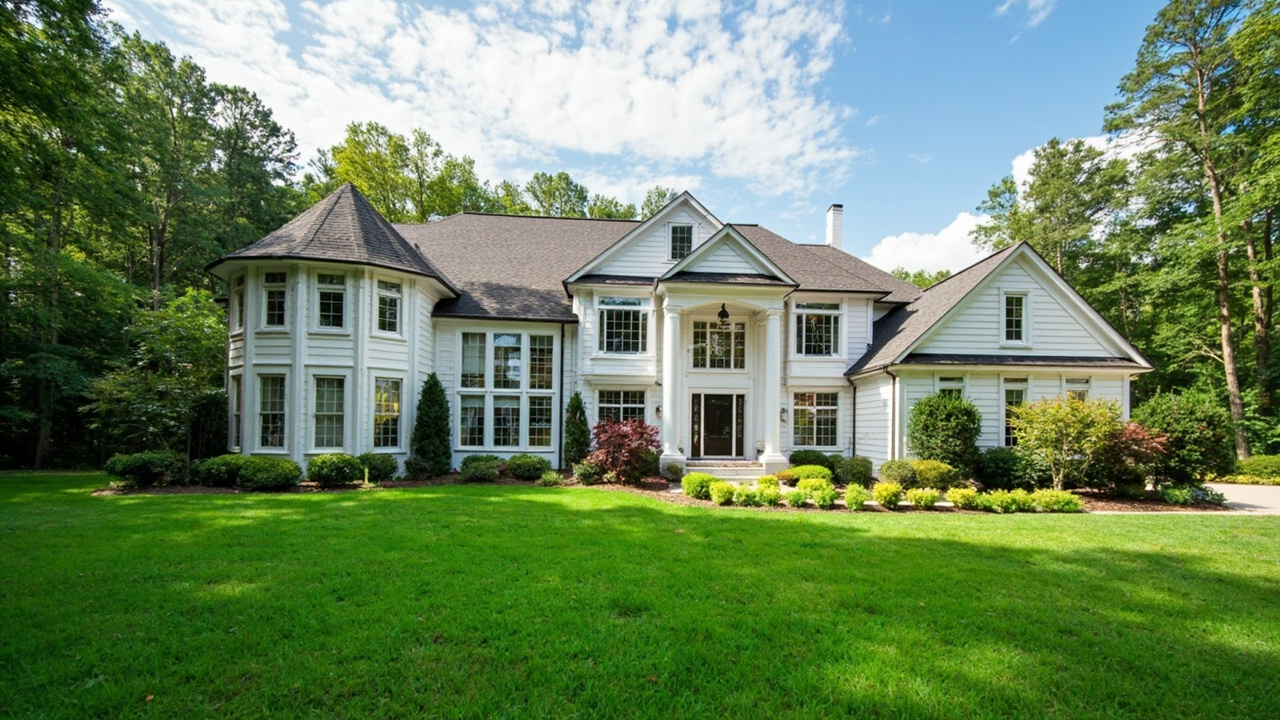
Smart Strategies to Lower Utility Bills for Large Quail Hollow Estates Managing a large estate…
Stop sweating through another hour wondering if you can find reliable HVAC service in Mint Hill. Call Keystone HVAC Charlotte at (980) 342-9990 right now. Our technicians are responding to emergency calls across town, with fully stocked trucks and the parts to fix your system tonight. We answer our phones 24/7 because air conditioners don't fail during business hours.