menu

Commercial Heating Services in Charlotte | Industrial-Grade Solutions That Keep Your Business Running

When your commercial heating system fails, every minute of downtime costs money. Our industrial heating services deliver fast diagnostics, code-compliant repairs, and preventive solutions that protect your bottom line across Charlotte's commercial districts.

Slider Image 1
Slider Image 2
Slider Image 3
Slider Image 4
Slider Image 5
Slider Image 7
Slider Image 8
Slider Image 9
Slider Image 10
Slider Image 11

Why Charlotte's Commercial Buildings Face Unique Heating Challenges

Charlotte's commercial heating demands differ dramatically from residential systems. Your warehouse, office building, or manufacturing facility operates under constant thermal stress that residential units never face.

The temperature swings between Charlotte's humid summers and unpredictable winter freezes create expansion and contraction cycles that strain commercial boilers, rooftop units, and duct systems. When outdoor temperatures drop to 20 degrees overnight in January, your heat exchanger works overtime. Add the humidity fluctuations between 30% winter lows and 90% summer peaks, and you create conditions that corrode commercial heating components faster than in drier climates.

Charlotte's commercial districts, from South End's mixed-use developments to the University Research Park industrial corridors, house buildings with diverse heating loads. A 50,000-square-foot distribution center near Charlotte Douglas International Airport has different requirements than a three-story medical office in Ballantyne. Your system must handle employee comfort zones, process heating needs, and strict ventilation requirements simultaneously.

Local building codes require specific combustion air ratios and flue gas venting that residential systems ignore. When commercial heating contractors evaluate your system, they must account for makeup air requirements, zoning regulations, and ASHRAE ventilation standards that directly impact your heating capacity.

The clay soil common throughout Mecklenburg County shifts with moisture content changes. This movement affects foundation-mounted boilers and underground fuel lines, creating alignment issues and potential gas leaks that threaten both safety and efficiency. Commercial heating solutions must account for these geological realities that most business owners never consider until a problem emerges.

Why Charlotte's Commercial Buildings Face Unique Heating Challenges
How Professional Commercial Heating Companies Diagnose and Solve Business-Critical Issues

How Professional Commercial Heating Companies Diagnose and Solve Business-Critical Issues

Commercial HVAC heating services start with load calculations that residential technicians never perform. We measure your building's actual heating demand using blower door tests, thermal imaging, and BTU-per-square-foot calculations that account for insulation R-values, window U-factors, and occupancy patterns.

Your rooftop unit or boiler system requires pressure testing on both the supply and return sides. We use manometers to verify static pressure across heat exchangers, checking for the 0.5-inch water column differential that indicates clean, efficient operation. When readings exceed manufacturer specifications, we know you have blocked passages, failed dampers, or undersized ductwork choking your system.

Gas-fired commercial heating systems demand combustion analysis that goes beyond simple flame observation. We insert probes into the flue stack to measure oxygen levels, carbon monoxide concentration, and stack temperature. Optimal combustion shows 9-10% oxygen, under 50 ppm carbon monoxide, and stack temperatures within 300-400 degrees of supply air temperature. Deviations indicate burner adjustment needs, heat exchanger cracks, or venting problems that waste fuel and risk liability.

Industrial heating services for manufacturing spaces require zone-by-zone airflow verification. We use anemometers at each diffuser to confirm CFM delivery matches design specifications. A metal fabrication shop needs different air distribution than a cold storage facility, and we verify your system delivers the right volumes to the right spaces.

We document every reading in detailed reports that your facility manager or corporate office requires for compliance audits. This data-driven approach separates professional commercial heating solutions from guesswork repairs that leave you vulnerable to repeated failures and unnecessary capital expenditures.

Our Commercial Heating Service Approach

Commercial Heating Services in Charlotte | Industrial-Grade Solutions That Keep Your Business Running
01

Emergency Response and Triage

We dispatch a technician within two hours for heating failures affecting your operations. Our truck arrives with diagnostic equipment and common commercial parts to minimize your downtime. We assess whether your system needs immediate temporary heat, partial operation restoration, or complete shutdown for safety. You receive a preliminary diagnosis and timeline before we begin work, so you can communicate accurate information to your staff and customers about building conditions.
02

System Analysis and Repair

Our technicians perform the combustion analysis, pressure testing, and electrical diagnostics described above to identify root causes, not just symptoms. We explain findings in operational terms you understand. You learn whether the issue stems from deferred maintenance, equipment age, incorrect installation, or normal wear. We provide repair options with different cost and longevity tradeoffs, allowing you to make informed business decisions about immediate fixes versus system upgrades that prevent future failures.
03

Verification and Documentation

After repairs, we run your system through complete heating cycles while monitoring all critical parameters. We verify temperature rise across the heat exchanger, proper burner operation, and correct thermostat response throughout your building. You receive documentation including before-and-after readings, parts replaced, and recommended maintenance intervals. This report satisfies insurance requirements, supports your maintenance records, and provides baseline data for future service calls. We schedule follow-up contact to confirm sustained performance.

Why Charlotte Businesses Trust Local Commercial Heating Expertise

Charlotte's commercial heating landscape requires knowledge that out-of-town contractors cannot replicate. We understand how Mecklenburg County inspectors interpret the North Carolina Mechanical Code for commercial installations. When you need permits for equipment replacement or system modifications, we know which documentation your local jurisdiction requires and how to expedite approval.

Our experience across Charlotte's commercial sectors means we have solved problems similar to yours. We have maintained heating systems in University City office parks, South End restaurants, NoDa breweries, and Airport industrial facilities. This breadth gives us pattern recognition that accelerates diagnosis. When your rooftop unit fails, we have likely seen that failure mode in similar equipment under similar conditions.

Charlotte's utility infrastructure affects commercial heating performance in ways that business owners rarely consider. Duke Energy's natural gas pressure varies by location and time of day. Buildings near major transmission lines see steadier pressure than those at the end of distribution branches. We account for these variations when sizing gas piping and setting regulator pressures, ensuring your burners receive consistent fuel supply during peak demand periods.

The seasonal temperature swings in Charlotte create transition periods where your building needs heating in the morning and cooling by afternoon. Commercial heating companies familiar with local climate patterns program your controls for these daily cycles, preventing the energy waste and comfort complaints that plague buildings with generic programming.

We maintain relationships with local suppliers who stock commercial heating components. When your induced draft motor fails or your gas valve needs replacement, we source parts locally rather than waiting for shipments. This supply chain advantage cuts your downtime from days to hours.

Our technicians live in Charlotte and respond to service calls from their homes rather than dispatching from distant regional offices. This proximity means faster emergency response and better accountability.

What Charlotte Business Owners Should Expect from Commercial Heating Services

Response Time and Scheduling

Commercial heating failures demand urgency that residential service does not. We provide two-hour emergency response for complete heating loss and same-day service for partial failures or comfort complaints. Routine maintenance visits schedule around your business hours to avoid disrupting operations. You receive appointment confirmations 24 hours in advance with technician names and estimated arrival windows. Our dispatchers communicate directly with your facility manager or designated contact, not through automated systems. When delays occur due to parts availability or prior job complications, you receive immediate notification with revised timelines. This communication discipline respects your planning needs and maintains the professional relationship your business requires.

Comprehensive System Assessment

Our initial evaluation examines your entire heating system, not just the failed component. We inspect heat exchangers for cracks using visual examination and carbon monoxide testing. Burner assemblies receive cleaning and adjustment to restore proper flame characteristics. Gas piping undergoes pressure testing to verify leak-free operation. Electrical connections receive thermal scanning to identify loose terminals or undersized conductors before they fail. Ductwork inspection identifies disconnected sections, damaged insulation, or improper damper positions that waste heated air. You receive a written report prioritizing issues by safety risk and operational impact. This comprehensive approach prevents the repeat service calls that plague businesses working with technicians who fix only the immediate complaint without investigating underlying conditions.

Reliable Performance Restoration

Commercial heating repairs must deliver sustained performance, not temporary fixes that fail during your next cold snap. We install commercial-grade components designed for the operating hours and thermal cycling your equipment endures. Residential parts have no place in systems running 12-16 hours daily. Our repairs include recalibration of safety controls, verification of proper venting, and adjustment of combustion parameters to manufacturer specifications. We run your system through multiple heating cycles before leaving your facility, confirming stable operation under actual load conditions. You receive specific performance metrics including supply air temperature, temperature rise, and gas pressure readings that establish your system's restored baseline. These measurements provide objective evidence of proper repair and create reference points for future service needs.

Preventive Maintenance Planning

Commercial heating equipment requires scheduled maintenance that prevents the majority of emergency failures. We develop maintenance plans based on your equipment type, operating hours, and business cycle. Manufacturing facilities need quarterly service to handle dust and process contaminants. Office buildings typically require semi-annual visits. Restaurants need monthly burner cleaning due to grease-laden exhaust air. Your maintenance agreement includes all labor, routine parts like filters and belts, and priority emergency response. We schedule visits during your slow seasons or maintenance windows to minimize business impact. Each service includes combustion testing, safety control verification, and detailed reporting that documents your due diligence for insurance and liability purposes. This proactive approach reduces your annual heating costs by 20-30% compared to reactive repair strategies.

Frequently Asked Questions

You Have Questions,
We Have Answers

What is the $5000 rule for HVAC? +

The $5000 rule is a decision-making guideline for commercial property managers. If your repair cost exceeds $5000 and your unit is older than 10-15 years, replacement often makes more financial sense than repair. Calculate the repair cost and divide by the replacement cost. If the result exceeds 50%, replacement typically delivers better ROI. In Charlotte's high-humidity climate, older units lose efficiency faster. Factor in downtime costs, energy waste, and potential code compliance issues. A new system offers predictable operating costs and eliminates repeated service calls that disrupt business operations.

How much does a commercial HVAC system cost? +

Commercial HVAC system costs vary based on building size, system type, and complexity. Rooftop units for small retail spaces start differently than multi-zone systems for office buildings. Key cost drivers include tonnage requirements, ductwork condition, zoning needs, and control integration. Charlotte's climate demands robust dehumidification capacity, which affects equipment selection. Budget for installation labor, electrical upgrades, and permits. Energy-efficient models cost more upfront but reduce operating expenses significantly. Get a detailed load calculation and equipment proposals from contractors who understand commercial building codes and Charlotte's specific climate demands.

What is the most common commercial HVAC system? +

Packaged rooftop units dominate Charlotte's commercial landscape. These self-contained systems sit on roof curbs and serve single zones efficiently. They keep mechanical equipment off valuable floor space and simplify maintenance access. Split systems work well for smaller buildings or tenant spaces. Larger facilities often use variable refrigerant flow systems or chilled water plants. Charlotte's commercial stock includes many retail strips and low-rise offices where rooftop units make the most sense. The choice depends on building size, occupancy type, and operational requirements. Consult with contractors experienced in commercial installations.

How often should a commercial HVAC be serviced? +

Commercial HVAC systems require quarterly maintenance at minimum. Schedule service before cooling season starts in April and before heating season begins in October. High-use facilities like restaurants or healthcare offices need monthly inspections. Charlotte's humidity accelerates wear on coils and drains. Quarterly service includes filter changes, refrigerant checks, electrical connections, and control calibration. This prevents mid-season breakdowns that halt business operations. Document all maintenance for warranty compliance and lease requirements. Preventive maintenance costs far less than emergency repairs and protects your ROI. Missed maintenance voids manufacturer warranties and shortens equipment lifespan significantly.

How Charlotte's Commercial Growth Impacts Your Heating Infrastructure

Charlotte ranks among the fastest-growing metro areas in the Southeast, with commercial construction transforming former residential neighborhoods into mixed-use districts. This rapid development strains existing utility infrastructure in ways that affect your heating reliability. South End and Plaza Midwood saw gas main capacity expansions within the past five years to handle increased demand. Buildings connected to older distribution systems experience pressure drops during peak heating days when temperatures fall below 25 degrees. Your commercial heating system may have worked perfectly for a decade, but new construction on your street changes the supply equation. Industrial heating services now require pressure monitoring and potential regulator upgrades that were unnecessary when your building stood alone. This infrastructure reality makes local commercial heating contractors essential because they track these utility changes and proactively address capacity issues before they cause operational failures.

Charlotte's commercial heating companies that maintain long-term relationships with Mecklenburg County's building inspection department navigate permitting efficiently. Commercial heating solutions requiring mechanical permits must meet current code even when replacing grandfathered equipment. The 2018 North Carolina Mechanical Code adoption changed combustion air requirements for enclosed boiler rooms and rooftop equipment. Inspectors familiar with contractors who consistently meet standards expedite approvals. This relationship value extends to emergency repairs requiring same-day inspection sign-off. When your heating system fails on a Friday afternoon, connections with local inspectors mean the difference between weekend restoration and Monday morning delays. Businesses throughout University Research Park, Charlotte Douglas corridor, and Steele Creek industrial areas depend on contractors who maintain these professional relationships for responsive, compliant commercial HVAC heating services.
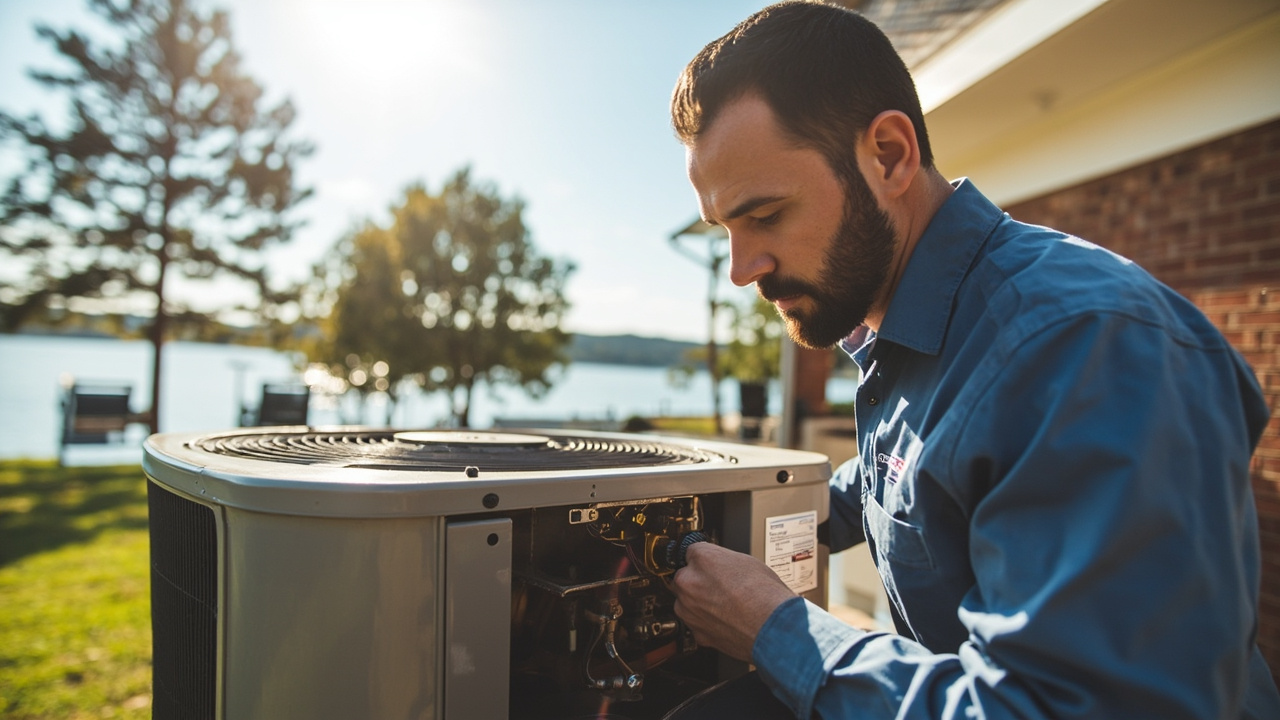
HVAC Services in The Charlotte Area

Keystone proudly serves homes and businesses throughout Charlotte and nearby areas. Whether you’re looking for fast repairs, expert installations, or seasonal HVAC maintenance, our team is just a call away. Use the map below to locate our service area or office location, and don’t hesitate to reach out if you have questions. We’re committed to making your experience seamless from the first call to the final service. Let us show you why we’re Charlotte’s go-to HVAC experts.

Address:
Keystone HVAC Charlotte, 6000 Fairview Rd, Charlotte, NC, 28210

Additional Services We Offer

Our news updates

Latest Articles & News from The Blogs

Expert Heat Pump Replacement in Cornelius NCHomeowners in Cornelius face a unique set of weather challenges. The moisture coming off…

Heat Pump Replacement Services in Cornelius and Lake Norman

Expert Heat Pump Replacement in Cornelius NCHomeowners in Cornelius face a unique set of weather challenges. The moisture coming off…

Smart Strategies to Lower Utility Bills for Large Quail Hollow Estates

Smart Strategies to Lower Utility Bills for Large Quail Hollow Estates Managing a large estate in the Quail Hollow neighborhood…

Oakhurst families need furnace heat exchanger inspections before the first cold snap

Oakhurst families need furnace heat exchanger inspections before the first cold snapThe transition from the humid Charlotte summer to the…

Contact Us

Every hour your heating system underperforms costs you in energy waste and reduced productivity. Call (980) 342-9990 now for same-day commercial heating diagnosis. Our technicians carry the diagnostic equipment and commercial parts your business needs to restore reliable operation.