menu

HVAC Maintenance & Tune-Ups in Charlotte – Protect Your System from Humidity Damage and Extend Equipment Life

Keystone HVAC Charlotte delivers comprehensive heating and cooling tune ups that prevent costly breakdowns, maximize energy efficiency, and keep your system running through Charlotte's extreme seasonal swings and high humidity.

Slider Image 1
Slider Image 2
Slider Image 3
Slider Image 4
Slider Image 5
Slider Image 7
Slider Image 8
Slider Image 9
Slider Image 10
Slider Image 11

Why Charlotte's Climate Makes HVAC Preventative Maintenance Critical

Charlotte's humid subtropical climate creates a punishing environment for HVAC systems. Summer humidity averages over 70 percent, which forces air conditioners to run longer cycles and work harder to dehumidify indoor air. This extra strain accelerates wear on compressors, evaporator coils, and capacitors. Winter temperature swings from freezing nights to mild afternoons force your furnace to cycle on and off repeatedly, stressing heat exchangers and ignition components.

Without regular HVAC system inspection, these conditions lead to refrigerant leaks, clogged condensate drains, and blower motor failures. The red clay soil common throughout Mecklenburg County also creates dust that clogs air filters faster than in other regions, reducing airflow and forcing your system to work harder.

Most Charlotte homeowners wait until their system fails during a July heatwave or a January cold snap. A seasonal HVAC check up identifies small problems before they become emergency repairs. Dirty coils reduce cooling capacity by up to 30 percent. A failing capacitor shows warning signs weeks before it leaves you without air conditioning.

Regular AC and furnace maintenance addresses these local challenges directly. Technicians clean coils covered in pollen from Charlotte's heavy tree canopy, test refrigerant levels that drop faster in high humidity, and inspect ductwork connections that loosen as homes settle on clay soil. This proactive approach keeps your system efficient and prevents the 2 a.m. phone call when your heat stops working.

Why Charlotte's Climate Makes HVAC Preventative Maintenance Critical
How Professional Heating and Cooling Tune Ups Actually Work

How Professional Heating and Cooling Tune Ups Actually Work

A real HVAC preventative maintenance visit goes far beyond changing a filter. Keystone HVAC Charlotte technicians perform a 32-point system inspection that targets the components most likely to fail under local operating conditions.

The process starts with airflow measurement using a manometer to verify your system moves the correct CFM (cubic feet per minute) through the ductwork. Low airflow indicates a clogged evaporator coil, undersized ductwork, or a failing blower motor. We measure static pressure at multiple points to diagnose restriction locations.

Refrigerant charge verification requires checking superheat and subcooling values, not just adding refrigerant until pressures look normal. Overcharged systems waste energy and damage compressors. Undercharged systems freeze coils and reduce cooling capacity. We use digital manifold gauges and compare readings against manufacturer specifications for your specific equipment model and Charlotte's average outdoor temperature.

Electrical testing catches problems before they cause failures. We measure voltage and amperage at the compressor, blower motor, and contactor. High amp draw signals a motor wearing out. Voltage drop across a contactor indicates pitting that will soon cause a no-start condition. Capacitor testing with a multimeter reveals weak capacitance that affects motor starting and running efficiency.

Combustion analysis on gas furnaces measures flue gas temperature and carbon monoxide levels. A cracked heat exchanger or blocked vent shows up as abnormal readings. We inspect burner flames for proper color and pattern, check for rollout, and verify limit switches operate correctly. These steps prevent carbon monoxide hazards and ensure complete combustion.

What Happens During Your System Tune Up

HVAC Maintenance & Tune-Ups in Charlotte – Protect Your System from Humidity Damage and Extend Equipment Life
01

Initial System Diagnostics

We start by running your system through a complete heating and cooling cycle while monitoring performance data. This reveals how your equipment actually operates under load, not just at rest. We check thermostat calibration, verify proper staging on multi-speed systems, and document baseline efficiency metrics. This diagnostic phase identifies immediate safety issues and establishes performance benchmarks we track over time to predict component life expectancy.
02

Component Cleaning and Adjustment

After diagnostics, we clean evaporator and condenser coils using appropriate cleaners for aluminum or copper fins. We clear condensate drains with a wet vac and treat drain pans with algaecide tablets to prevent future clogs. Blower wheels get cleaned of dust and debris that reduces airflow. We tighten electrical connections that loosen from thermal expansion cycles, lubricate motors with oil ports, and adjust belt tension on older systems using proper tension gauges.
03

Testing and Documentation

We run final performance tests to verify improvements. Temperature split across the evaporator coil should measure 18 to 22 degrees for proper cooling. Furnace temperature rise must stay within the manufacturer's specified range. You receive a detailed report showing all measurements, photos of components that need attention, and a timeline for recommended repairs. This documentation helps you budget for future needs and provides proof of maintenance for warranty claims.

Why Charlotte Homeowners Choose Keystone HVAC for System Maintenance

Local knowledge matters when maintaining HVAC equipment. Technicians who understand Charlotte's specific challenges deliver better results than national chains following generic checklists.

We know which system components fail first in this climate. Condensate drain clogs cause more air conditioning problems in Charlotte than refrigerant leaks because of high humidity. We inspect and clear drain lines on every visit, not just when you report a problem. Expansion valves stick from acid formation in systems that run long cooling cycles. We catch this early by measuring superheat trends over multiple visits.

Charlotte's building codes changed significantly in 2012 and again in 2018. Homes built before these updates often have undersized ductwork or inadequate return air paths. During seasonal HVAC check ups, we identify these deficiencies and explain how they affect comfort and efficiency. New construction in areas like Ballantyne and Northlake often has zone systems with dampers that require different maintenance procedures than single-zone equipment.

Our technicians live and work in the Charlotte metro. We service systems in historic Dilworth bungalows with original ductwork, sprawling ranch homes in Matthews with additions that stressed the original HVAC capacity, and new construction in Huntersville with high-efficiency variable-speed equipment. This range of experience means we recognize problems quickly and know the right fix for your specific situation.

We maintain detailed service history for every system we touch. When you call about a problem, we already know your equipment age, past repairs, and maintenance patterns. This continuity prevents misdiagnosis and helps us recommend the right repair versus replacement decision when major components fail.

What You Get with Professional HVAC Maintenance

Service Speed and Scheduling Flexibility

We schedule preventative maintenance visits within three to five business days during shoulder seasons and within one week during peak demand. Appointments include two-hour arrival windows, not all-day waits. Most tune ups take 90 minutes to two hours depending on system type and accessibility. We offer evening and Saturday appointments for homeowners who cannot take time off work. Our maintenance members get priority scheduling during extreme weather when service demand spikes. If we discover a safety issue during your tune up, we explain the problem clearly and offer same-day repair when possible.

Comprehensive System Assessment

Your AC and furnace maintenance includes testing every component that affects performance and safety. We measure supply and return air temperatures, calculate temperature split, and verify airflow meets design specifications. Electrical testing covers voltage, amperage, and capacitance on all motors and the compressor. Refrigerant charge gets verified through superheat and subcooling calculations. Gas furnaces receive combustion analysis with carbon monoxide testing and heat exchanger inspection. You receive a written report with all measurements and photographs of any components showing wear or damage. This documentation tracks your system's health over time and helps you plan for future repairs.

Guaranteed Performance Improvements

After your heating and cooling tune up, your system will cool or heat more effectively and run more efficiently. Clean coils and proper refrigerant charge improve cooling capacity and reduce runtime. Adjusted burners and cleaned flame sensors help your furnace ignite reliably and heat evenly. Tightened electrical connections prevent voltage drop that causes motors to overheat. You should notice more consistent temperatures throughout your home and lower utility bills compared to running a neglected system. If you experience problems within 30 days of your tune up related to items we serviced, we return to address the issue at no additional diagnostic charge.

Ongoing Support and Follow-Up

Regular HVAC system inspection creates a service relationship that protects your equipment long-term. We recommend tune ups twice per year, before cooling season and before heating season. This schedule catches problems during mild weather when repairs are less urgent and less expensive. Maintenance members receive reminders when service is due, priority scheduling during extreme weather, and discounts on repairs. We track your system's performance history and alert you when components approach end of life so you can budget accordingly. Our technicians know your equipment and your home, which speeds diagnosis when problems occur and prevents unnecessary part replacement.

Frequently Asked Questions

You Have Questions,
We Have Answers

What does a HVAC tune up include? +

A professional HVAC tune up includes a thorough inspection of your heating and cooling system. The technician cleans or replaces your air filter, checks refrigerant levels, inspects electrical connections, and tests your thermostat calibration. They clean condenser and evaporator coils, lubricate moving parts, and inspect ductwork for leaks. In Charlotte's humid climate, your technician also examines the condensate drain line to prevent clogs that can cause water damage. The process includes testing system airflow, measuring temperature differentials, and confirming your unit cycles properly. This preventive service identifies small issues before they become expensive repairs.

How much should a HVAC tune up cost? +

Charlotte homeowners typically pay between $75 and $200 for a standard HVAC tune up. The cost varies based on your system type, home size, and service provider. Single-zone systems cost less than multi-zone or complex setups. Many local companies offer seasonal tune up specials or discounted maintenance plans that include biannual visits. Higher prices often reflect more comprehensive inspections or companies with better training and equipment. Avoid extremely low prices, as they often signal rushed work or hidden upsell tactics. Given Charlotte's intense summer heat and humid conditions, investing in quality preventive maintenance protects your system and prevents emergency breakdowns.

What is the difference between HVAC tune up and maintenance? +

The terms are often used interchangeably, but maintenance is the broader category. HVAC maintenance includes all service activities that keep your system running efficiently, including tune ups, filter changes, duct cleaning, and repairs. A tune up is a specific maintenance task focused on seasonal preparation and system optimization. Think of maintenance as the ongoing care plan, while a tune up is the detailed checkup you schedule before cooling season starts in Charlotte. Both prevent breakdowns, but tune ups happen once or twice yearly, while basic maintenance tasks like filter changes occur monthly. Comprehensive maintenance programs include tune ups as part of the package.

What is the $5000 rule for HVAC? +

The $5000 rule is a guideline for repair versus replacement decisions. You multiply the repair cost by your system's age in years. If the result exceeds $5000, replacement makes more financial sense. For example, a $600 repair on a 10-year-old unit equals $6000, suggesting replacement. A $400 repair on an 8-year-old system equals $3200, making the repair worthwhile. This rule accounts for diminishing returns on older equipment. In Charlotte's climate, where systems work hard year-round, aging units lose efficiency faster. The rule helps you avoid throwing money at a failing system that will need replacement soon anyway.

What is the average cost of a full tune up? +

A full HVAC tune up in Charlotte averages $100 to $175 for a complete inspection and service of one system. This includes both heating and cooling components. Prices increase if you have multiple units, zoned systems, or specialized equipment like geothermal or high-efficiency variable-speed systems. Companies offering maintenance agreements typically charge less per visit, often $80 to $120 per tune up, because you commit to biannual service. The cost reflects labor, materials like filters, refrigerant testing equipment, and the technician's expertise. Charlotte's high humidity demands extra attention to moisture management components, which quality providers include in their standard service.

Is a HVAC tune up worth it? +

Yes. Regular HVAC tune ups save you money by preventing expensive emergency repairs and extending your system's lifespan. In Charlotte's hot, humid climate, your air conditioner works overtime from May through September. A well-maintained system runs 15 to 20 percent more efficiently, reducing monthly utility bills. Tune ups catch small problems like refrigerant leaks or worn belts before they cause system failure. They also maintain your manufacturer's warranty, which often requires proof of annual maintenance. The $100 to $175 tune up cost is minimal compared to a $400 emergency repair or $5000 replacement. Clean systems also improve indoor air quality.

How long does an HVAC tune up take? +

A thorough HVAC tune up takes 60 to 90 minutes for a standard residential system. The timeframe depends on your equipment's age, accessibility, and condition. Multi-zone systems or homes with both heating and cooling equipment require more time. If the technician discovers issues like a clogged condensate line or dirty coils, the service takes longer. Charlotte's high pollen counts and humidity mean local systems accumulate more debris, potentially extending cleaning time. Companies that rush through tune ups in 30 minutes typically skip critical steps. Expect to block off a two-hour window to give the technician adequate time for a comprehensive inspection.

What is the 3 minute rule for AC? +

The 3-minute rule protects your compressor from damage. After your air conditioner shuts off, you must wait at least three minutes before restarting it. This delay allows refrigerant pressure to equalize throughout the system. Restarting too quickly forces the compressor to start against high pressure, causing strain and potential failure. The rule applies when you adjust your thermostat, reset a breaker, or power cycle your system. Modern thermostats often have built-in delays to enforce this rule automatically. In Charlotte's heat, homeowners sometimes frantically restart systems during outages, but patience prevents expensive compressor damage that can cost $1500 to replace.

What is the most expensive part in an HVAC unit? +

The compressor is the most expensive component in your HVAC system. This motorized pump circulates refrigerant between indoor and outdoor coils, making cooling possible. Compressor replacement costs $1200 to $2500 for the part and labor, depending on your unit's size and refrigerant type. In Charlotte's climate, compressors work hard from spring through fall, making them vulnerable to failure from overheating, electrical issues, or refrigerant problems. A failing compressor often signals it's time to replace the entire outdoor unit, especially if your system is over 10 years old. Regular tune ups protect this critical component by maintaining proper refrigerant levels and electrical connections.

What are the 4 types of maintenance? +

The four maintenance types are preventive, predictive, corrective, and reactive. Preventive maintenance includes scheduled tune ups before problems occur. Predictive maintenance uses data like unusual noises or rising energy bills to anticipate failures. Corrective maintenance addresses known issues before they worsen, like replacing a frayed belt. Reactive maintenance means emergency repairs after breakdowns. For Charlotte homeowners, preventive maintenance is most cost effective because it catches problems early. Scheduling biannual tune ups before cooling season and heating season keeps your system in the preventive category, avoiding expensive reactive repairs when your air conditioner fails during a July heat wave or your furnace quits in January.

How Charlotte's Humidity and Clay Soil Impact HVAC System Longevity

Charlotte's 72 percent average summer humidity forces air conditioners to remove moisture and cool air simultaneously. This extended runtime stresses compressors and evaporator coils more than dry climates where systems reach temperature setpoint quickly and shut off. Condensate drains carry three to five gallons of water daily during peak summer, and Charlotte's pollen-heavy environment clogs these drains faster than other regions. The expansive red clay soil throughout Mecklenburg County creates foundation movement that stresses ductwork connections, causing air leaks that reduce system efficiency by up to 30 percent. Regular HVAC preventative maintenance addresses these location-specific challenges before they cause breakdowns.

Keystone HVAC Charlotte maintains relationships with local building inspectors and stays current on Mecklenburg County code requirements that affect HVAC installations and repairs. We understand which neighborhoods have older homes with inadequate electrical service for modern high-efficiency equipment and which new developments require specific duct sizing to meet energy codes. Our technicians recognize the difference between maintenance needs for homes in established areas like Myers Park versus new construction in growing suburbs like Waxhaw. This local expertise ensures your seasonal HVAC check up addresses problems specific to your home's age, construction type, and location within the Charlotte metro area.
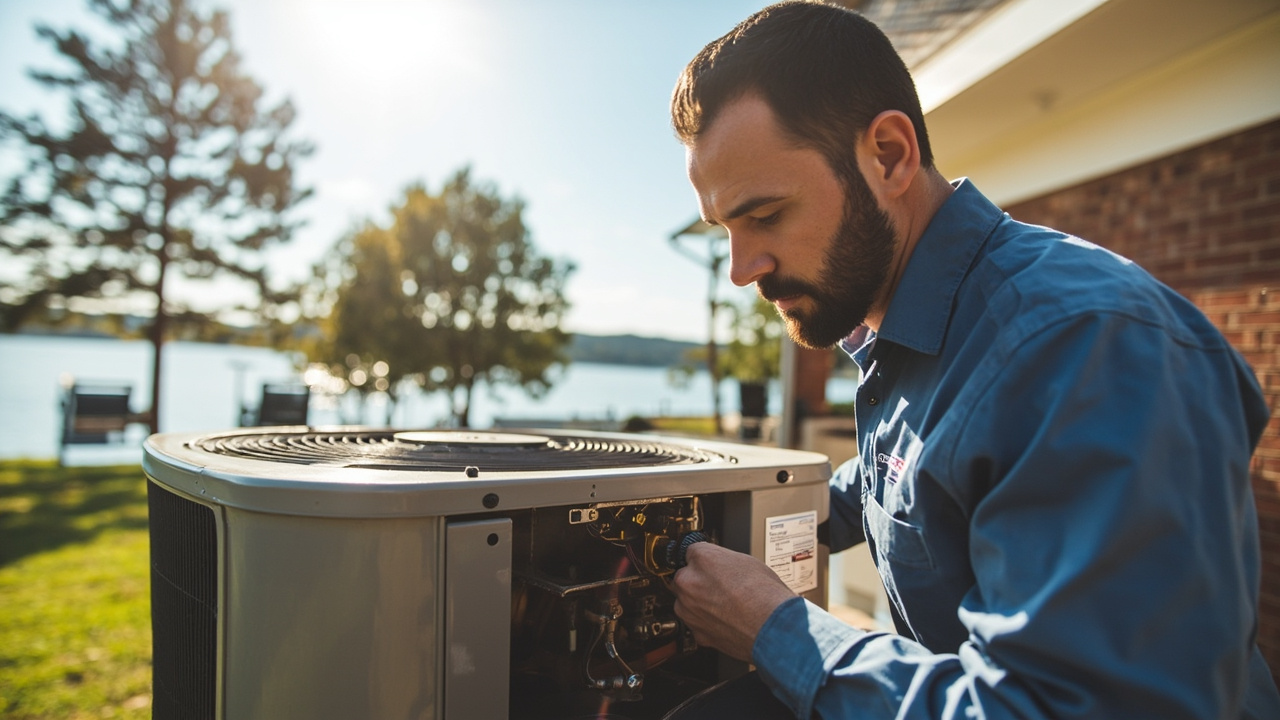
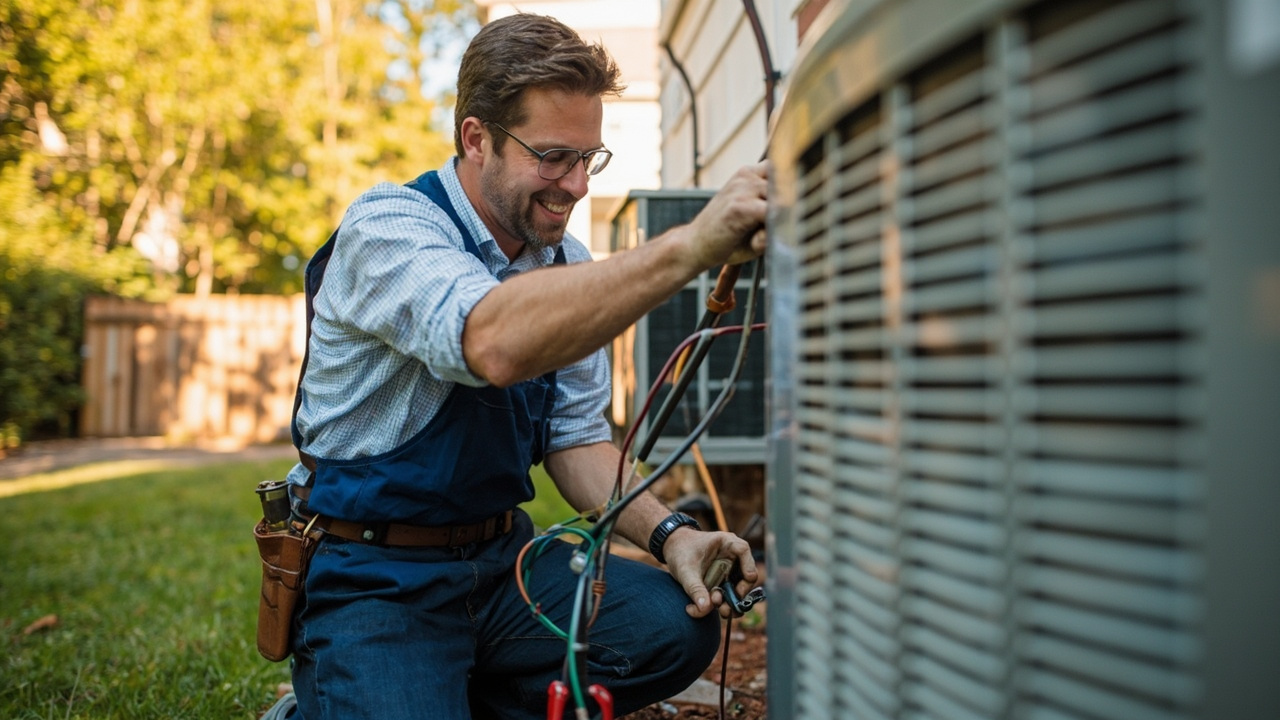
HVAC Services in The Charlotte Area

Keystone proudly serves homes and businesses throughout Charlotte and nearby areas. Whether you’re looking for fast repairs, expert installations, or seasonal HVAC maintenance, our team is just a call away. Use the map below to locate our service area or office location, and don’t hesitate to reach out if you have questions. We’re committed to making your experience seamless from the first call to the final service. Let us show you why we’re Charlotte’s go-to HVAC experts.

Address:
Keystone HVAC Charlotte, 6000 Fairview Rd, Charlotte, NC, 28210

Additional Services We Offer

Our news updates

Latest Articles & News from The Blogs

Living in Davidson during a North Carolina summer means dealing with heavy humidity and temperatures that frequently climb into the…

Fast Air Conditioning Repair in Davidson When the Heat Is Unbearable

Living in Davidson during a North Carolina summer means dealing with heavy humidity and temperatures that frequently climb into the…

Heat Pump Replacement Services in Cornelius and Lake Norman

Expert Heat Pump Replacement in Cornelius NCHomeowners in Cornelius face a unique set of weather challenges. The moisture coming off…

Smart Strategies to Lower Utility Bills for Large Quail Hollow Estates

Smart Strategies to Lower Utility Bills for Large Quail Hollow Estates Managing a large estate in the Quail Hollow neighborhood…

Contact Us

Do not wait for a breakdown during the next heatwave or cold snap. Call Keystone HVAC Charlotte at (980) 342-9990 to schedule your heating and cooling tune up. We will inspect your system, catch small problems before they become expensive repairs, and keep your home comfortable year-round.