menu

AC Repair Services in Charlotte | Fast Diagnosis and Expert Repairs for All Central Air Systems

When your air conditioner fails in Charlotte's sweltering heat, you need experienced technicians who can quickly diagnose compressor failures, refrigerant leaks, and electrical issues to restore comfort to your home or business.

Slider Image 1
Slider Image 2
Slider Image 3
Slider Image 4
Slider Image 5
Slider Image 7
Slider Image 8
Slider Image 9
Slider Image 10
Slider Image 11

Why Charlotte's Climate Demands Reliable AC Repair

Charlotte's combination of high humidity and summer temperatures pushing into the mid-90s creates relentless demand on your air conditioning system. From May through September, your AC runs almost continuously, and when it fails, indoor temperatures can climb to dangerous levels within hours.

The humidity here does more than make you uncomfortable. It accelerates corrosion on evaporator coils and condenser units. Salt from winter road treatments drifts onto outdoor units in neighborhoods near I-277 and I-485, eating away at fins and reducing heat transfer efficiency. Clay soil common throughout Mecklenburg County retains moisture around foundation-mounted units, promoting rust and electrical connection failures.

You know something is wrong when you hear grinding noises from the air handler, notice ice buildup on refrigerant lines, or feel warm air blowing from vents. These symptoms indicate compressor failure, low refrigerant charge, or failed reversing valves. Each problem worsens rapidly in our climate.

Central air repair cannot wait in Charlotte. A failed capacitor on a 95-degree afternoon puts elderly residents and pets at risk. Commercial businesses lose customers when dining rooms or retail spaces become unbearable. The longer you delay HVAC repair, the more secondary damage occurs. A refrigerant leak that starts small can damage the compressor, turning a modest air conditioner repair into a complete system replacement.

Air conditioning repair demands immediate attention here because our weather offers no mercy and no cool nights for relief.

Why Charlotte's Climate Demands Reliable AC Repair
Our Diagnostic-First Approach to AC Service

Our Diagnostic-First Approach to AC Service

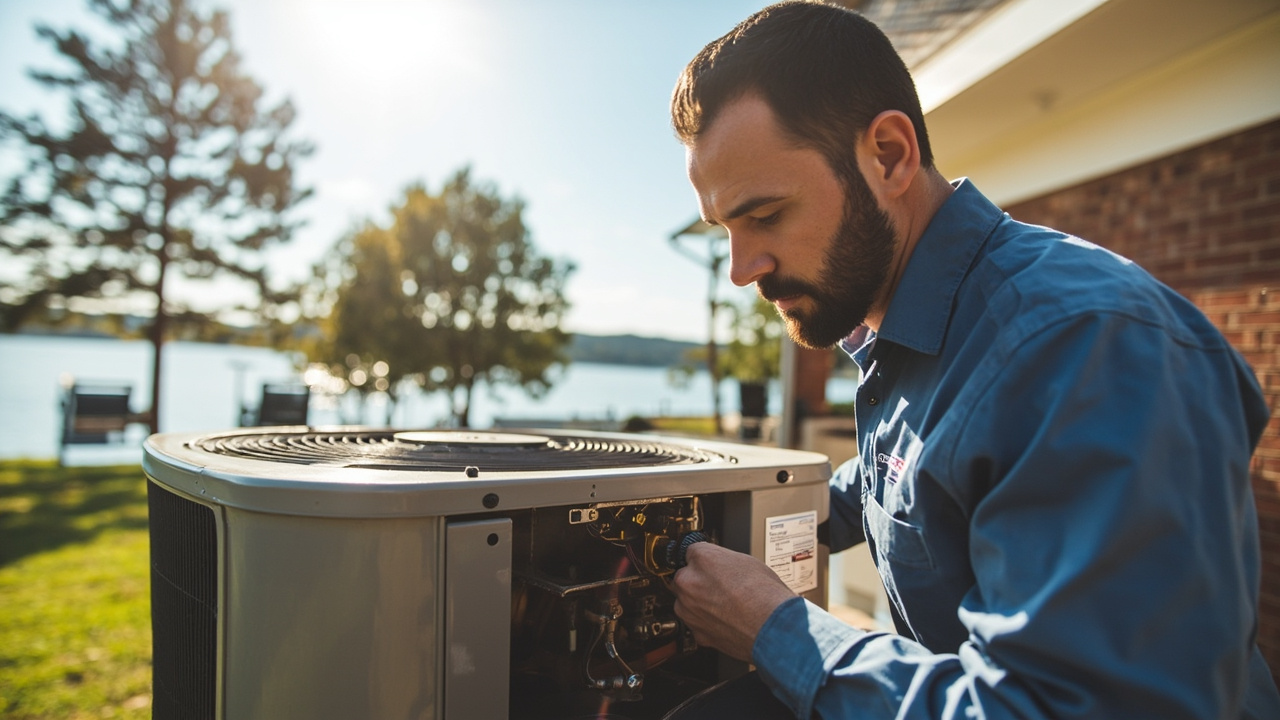
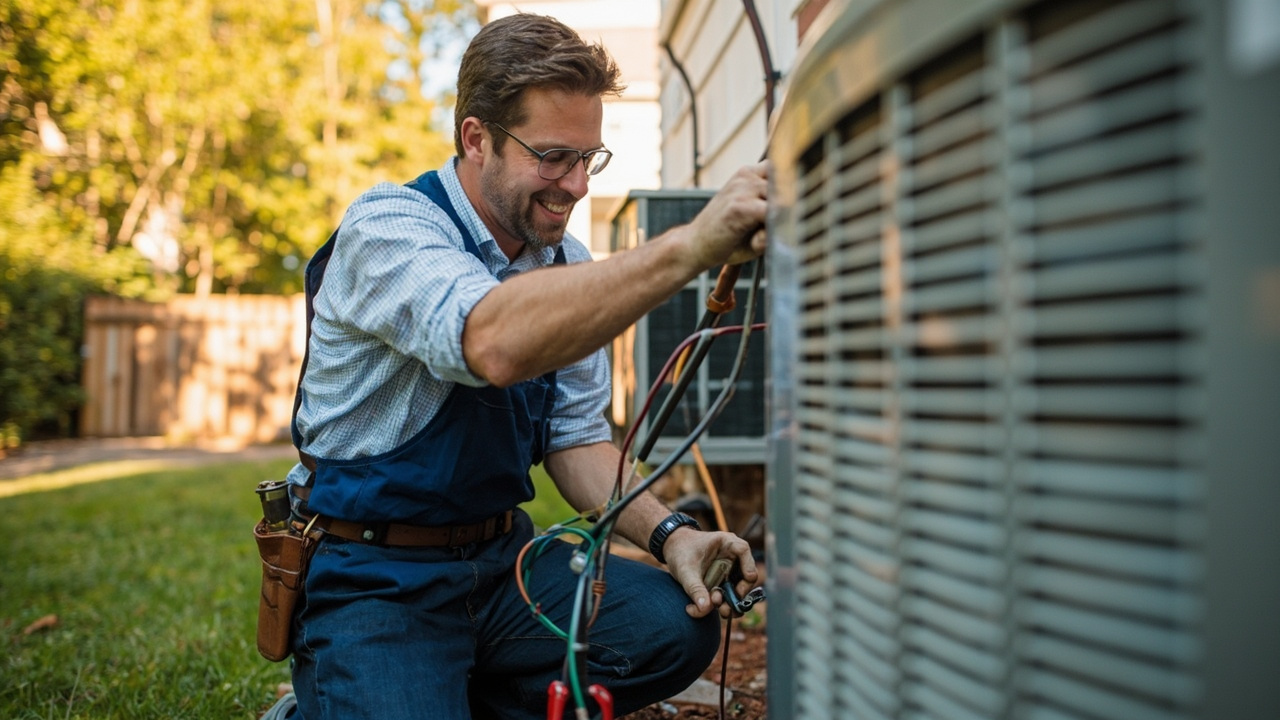
We do not guess at AC problems. Our technicians arrive with refrigerant gauges, amp meters, and capacitor testers to identify the exact failure point in your system. We measure superheat and subcooling values to determine if your system is overcharged, undercharged, or has a restriction in the refrigerant circuit.

Most air conditioning repair calls in Charlotte stem from five issues: failed start capacitors, refrigerant leaks, clogged condensate drains, contactor failures, or bad compressors. We test each component in sequence. We check voltage at the disconnect, measure amp draw on the compressor and fan motors, and inspect contactors for pitting and burn marks.

When we find a refrigerant leak, we do not just add refrigerant and leave. We use electronic leak detectors and UV dye to locate the exact leak point, whether it is a Schrader valve, a brazed joint, or a pinhole in the evaporator coil. We repair it properly or recommend replacement if the coil has multiple leaks.

For compressor failures, we verify the diagnosis by checking start and run windings with an ohmmeter. A compressor with open windings or one that is grounded cannot be saved. We explain what failed, why it failed, and what it will take to fix it.

Our AC repair services focus on getting your system running correctly, not just temporarily. We pull vacuum on refrigerant systems after repairs to remove moisture and air. We verify correct refrigerant charge by weight or superheat method, depending on your system type. We test the repaired system under load to confirm it reaches target temperatures and pressures before we leave your property.

How We Handle Your AC Repair Call

AC Repair Services in Charlotte | Fast Diagnosis and Expert Repairs for All Central Air Systems
01

Emergency Dispatch and Arrival

You call our dispatch line and speak with a real person who logs your symptoms and address. We prioritize calls based on outdoor temperature, household occupants, and system condition. Our technician contacts you with an arrival window, usually within two to four hours for emergency calls. The truck arrives fully stocked with capacitors, contactors, refrigerant, and common motors to minimize return trips.
02

System Diagnosis and Testing

Our technician inspects the thermostat, air handler, and condenser unit. We test electrical components, measure refrigerant pressures, and check airflow across the evaporator coil. We identify the failed component and explain what caused the failure. You receive a clear explanation of the problem, the repair options, and the cost before any work begins. No surprises, no upselling.
03

Repair and System Verification

Once you approve the repair, we complete the work using proper brazing techniques, torque specifications, and refrigerant handling procedures. We test the repaired system, verify it reaches correct operating pressures and temperatures, and confirm adequate airflow at the registers. We clean up our work area, show you what we replaced, and answer any questions about system operation or maintenance.

Why Charlotte Residents Trust Our HVAC Expertise

Keystone HVAC Charlotte understands the specific challenges your air conditioning system faces in this region. We have repaired thousands of units in neighborhoods from Dilworth to University City, from Myers Park to NoDa. We know which brands hold up best in our climate and which components fail most frequently on systems installed in the 2010s when builders cut costs.

We understand Charlotte's building patterns. Homes built in the 1970s and 1980s around South Boulevard often have undersized ductwork and inadequate insulation. New construction in Ballantyne and Weddington features high-efficiency variable-speed systems that require specialized diagnostic tools and training. We handle both.

Our familiarity with local HVAC installation practices helps us diagnose problems faster. We know the common shortcuts previous contractors took, the ductwork layouts typical in ranch homes versus two-story colonials, and the outdoor unit placement issues that plague homes with minimal side yard clearance.

We stock parts for the brands most common in Charlotte: Carrier, Trane, Lennox, Goodman, and Rheem. Our trucks carry the capacitors, contactors, and motors that fail most often in our humidity and heat. This means we complete most repairs on the first visit.

You do not need to wonder if a contractor understands your system or your climate challenges. We have diagnosed every type of AC failure that occurs here, from failed compressors on 20-year-old builder-grade units to complex control board failures on new communicating systems. We speak the technical language and we know what works in Charlotte.

What You Can Expect from Our AC Repair Service

Response Time and Availability

We answer calls seven days a week during cooling season. Emergency calls receive priority dispatch, with most technicians arriving within two to four hours. For non-emergency service calls, we offer same-day or next-day appointments. We understand that a broken air conditioner in July is not a convenience issue; it is a health and safety concern. Our dispatch system tracks technician locations in real time so we can route the closest available truck to your address. We keep you informed with text updates when the technician is on the way.

Thorough Diagnostic Process

Our technicians spend the time necessary to identify the root cause of your AC failure. We do not replace parts based on guesses. We use calibrated gauges to measure refrigerant pressures, multimeters to test electrical components, and airflow meters to verify adequate air movement across coils. You receive a written diagnosis that explains what failed, why it failed, and what repair or replacement is necessary. We walk you through the findings so you understand exactly what your system needs and why.

Quality Repairs That Last

We use OEM or equivalent quality parts for all repairs. When we braze refrigerant lines, we purge with nitrogen to prevent oxide formation. When we replace capacitors or contactors, we use components rated for the electrical load and ambient temperature conditions in Charlotte. We torque electrical connections to specification and verify proper refrigerant charge using industry-standard methods. Before we leave, we test the system under full load to confirm it operates correctly. You get a system that works right, not a temporary patch.

Maintenance Recommendations

After completing your repair, we provide specific maintenance recommendations based on your system type and age. We explain which components are likely to fail next and what you can do to extend system life. If your air filter is restricting airflow or your condensate drain needs attention, we address those issues. We offer maintenance plans that include annual inspections, coil cleaning, and refrigerant level checks. Regular maintenance prevents many common failures and keeps your energy bills lower during our long cooling season.

Frequently Asked Questions

You Have Questions,
We Have Answers

What is the $5000 AC rule? +

The $5000 AC rule is a guideline to help you decide between repair and replacement. Multiply the age of your unit by the repair cost. If the total exceeds $5000, replacement makes more sense. For example, a 12-year-old unit needing a $500 repair equals $6000, so you should replace it. Charlotte's humid climate stresses AC systems, reducing lifespan. If your unit struggles with the summer heat and needs frequent repairs, replacement often saves money long-term. Consider efficiency ratings too. Newer units cut energy bills significantly in our hot, muggy summers.

How much does an AC service call cost? +

AC service calls in Charlotte typically cost between $75 and $150 for the diagnostic visit. This fee covers the technician's time to inspect your system, identify the problem, and provide a repair quote. Many companies apply the service call fee toward the repair if you proceed. Emergency calls after hours or on weekends cost more. The actual repair adds to this base fee depending on parts and labor. Charlotte's high cooling demand means summer service calls book fast. Get quotes from multiple licensed contractors and ask if they waive the diagnostic fee with repair approval.

What is the most expensive repair on an AC unit? +

Compressor replacement is the most expensive AC repair, often costing $1500 to $3000 or more. The compressor is the heart of your system, pressurizing refrigerant to cool your home. When it fails, labor is intensive because technicians must recover refrigerant, replace the unit, and recharge the system. In Charlotte's heat, compressors work overtime from May through September, increasing failure risk. If your compressor fails and your unit is over 10 years old, replacement makes more financial sense than repair. Age, warranty status, and refrigerant type all impact the final decision.

Can I write off my new AC unit on my taxes? +

You may write off a new AC unit on your taxes under specific conditions. If you work from home and use a dedicated home office, you can deduct a portion through home office expenses. Medical necessity, documented by a physician, can also qualify the expense. Energy-efficient units may qualify for federal tax credits under the Inflation Reduction Act, offering up to $2000 for qualifying systems. Landlords can depreciate AC units as property improvements. Consult a tax professional familiar with North Carolina and federal tax codes to determine your eligibility and maximize available deductions and credits.

What is the 3 minute rule for AC? +

The 3-minute rule for AC means waiting at least three minutes between system restarts. When you shut off your AC, refrigerant pressure needs time to equalize throughout the system. Restarting too quickly forces the compressor to start against high pressure, causing electrical stress and potential damage. This rule applies after power outages, thermostat adjustments, or manual shutdowns. Charlotte experiences summer thunderstorms that cause brief outages. Let your system rest before restarting. Most modern thermostats have built-in delay timers, but if you manually control your system, always wait three to five minutes between cycles.

What is the average lifespan of an AC unit? +

AC units in Charlotte typically last 12 to 15 years with proper maintenance. Our humid subtropical climate and long cooling season stress systems more than moderate climates. Units run from April through October, logging heavy hours. Factors affecting lifespan include installation quality, maintenance frequency, thermostat settings, and home insulation. Coastal humidity accelerates corrosion on outdoor components. Annual maintenance, clean filters, and shade for the outdoor unit extend life. If your system approaches 12 years and needs major repairs, replacement often makes financial sense. Newer units offer better efficiency and lower energy bills in our demanding climate.

Can I service my AC myself? +

You can perform basic AC maintenance yourself, but technical repairs require a licensed professional. DIY tasks include changing air filters monthly, clearing debris from the outdoor unit, straightening bent condenser fins, and keeping vents unblocked. These simple steps improve efficiency and prevent breakdowns. However, refrigerant work, electrical repairs, and component replacement require EPA certification and specialized tools. Charlotte's building codes and insurance policies often require licensed contractors for major work. Improper DIY repairs void warranties and create safety hazards. Handle the basics yourself, but call a professional for anything involving refrigerant, wiring, or internal components.

What are common AC problems? +

Common AC problems in Charlotte include refrigerant leaks, frozen evaporator coils, failed capacitors, clogged condensate drains, and dirty filters. Our high humidity clogs drains and promotes mold growth. Electrical issues like faulty capacitors or contactors cause hard starting or complete failure. Refrigerant leaks reduce cooling capacity and force the system to run constantly. Frozen coils result from restricted airflow or low refrigerant. Thermostat malfunctions create temperature inconsistencies. Dirty outdoor coils, common with our pollen-heavy springs, reduce efficiency. Regular maintenance catches these issues early. If your system runs constantly, makes strange noises, or fails to cool, call a technician immediately.

Is AC repair covered by insurance? +

Homeowners insurance typically does not cover AC repair unless the damage results from a covered peril like fire, lightning, vandalism, or falling trees. Normal wear and tear, age-related failure, and lack of maintenance are excluded. If a hurricane damages your outdoor unit, your policy may cover replacement minus your deductible. Charlotte experiences severe thunderstorms that can damage electrical components through power surges. Review your policy for equipment breakdown coverage, which may include AC systems. Home warranties often cover HVAC repairs with service fees. Document damage with photos and get repair estimates before filing claims.

What is the most expensive part to replace on an air conditioner? +

The compressor is the most expensive part to replace on an air conditioner. This component pressurizes and circulates refrigerant through the system. Replacement costs vary by unit size, refrigerant type, and labor intensity. The evaporator coil ranks second, requiring refrigerant recovery and extensive labor. Condenser coils also cost significantly to replace. Charlotte's humidity and heat stress these components. If your unit uses older R-22 refrigerant, parts cost even more due to phase-out regulations. When major components fail on units over 10 years old, total replacement often makes better financial sense than expensive repairs.

How Charlotte's Humidity and Clay Soil Accelerate AC System Failures

Charlotte averages 70 to 80 percent humidity during summer months, which means your air conditioner removes gallons of water from your indoor air every day. This constant condensation accelerates corrosion on evaporator coils and drain pans. The clay soil throughout Mecklenburg County holds water around foundation-mounted condenser pads, keeping outdoor units in a constantly damp environment. This combination causes rust on cabinet panels, electrical connection corrosion, and premature failure of fan motors and contactors. Air conditioning repair in this climate requires attention to moisture-related failures that do not occur in drier regions.

Keystone HVAC Charlotte has built relationships with homeowners and property managers throughout the metro area because we understand these local failure patterns. We know that homes near Lake Norman deal with different humidity loads than homes in uptown high-rises. We recognize the signs of long-term moisture damage and we know which preventive measures actually work in this climate. When you choose local HVAC repair expertise, you get technicians who have seen your exact problem dozens of times and know the correct fix for Charlotte conditions.
HVAC Services in The Charlotte Area

Keystone proudly serves homes and businesses throughout Charlotte and nearby areas. Whether you’re looking for fast repairs, expert installations, or seasonal HVAC maintenance, our team is just a call away. Use the map below to locate our service area or office location, and don’t hesitate to reach out if you have questions. We’re committed to making your experience seamless from the first call to the final service. Let us show you why we’re Charlotte’s go-to HVAC experts.

Address:
Keystone HVAC Charlotte, 6000 Fairview Rd, Charlotte, NC, 28210

Additional Services We Offer

Our news updates

Latest Articles & News from The Blogs

Expert Heat Pump Replacement in Cornelius NCHomeowners in Cornelius face a unique set of weather challenges. The moisture coming off…

Heat Pump Replacement Services in Cornelius and Lake Norman

Expert Heat Pump Replacement in Cornelius NCHomeowners in Cornelius face a unique set of weather challenges. The moisture coming off…

Smart Strategies to Lower Utility Bills for Large Quail Hollow Estates

Smart Strategies to Lower Utility Bills for Large Quail Hollow Estates Managing a large estate in the Quail Hollow neighborhood…

Oakhurst families need furnace heat exchanger inspections before the first cold snap

Oakhurst families need furnace heat exchanger inspections before the first cold snapThe transition from the humid Charlotte summer to the…

Contact Us

Your comfort cannot wait. Call (980) 342-9990 now for fast AC repair service in Charlotte. Our technicians are ready to diagnose your system and get cool air flowing again. We answer calls seven days a week during cooling season.