menu

Outdoor Unit Not Spinning in Charlotte – Expert Diagnosis Finds the Real Problem Fast

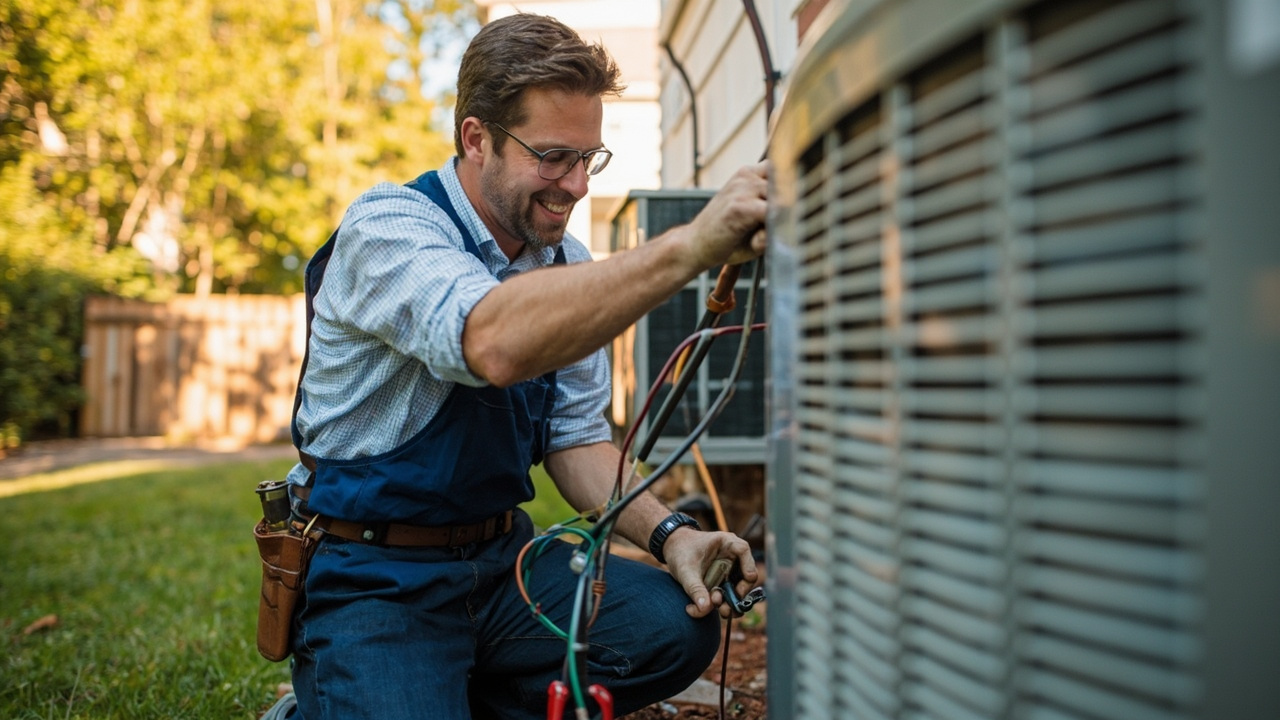
When your outdoor AC fan stops turning, Keystone HVAC Charlotte pinpoints the exact cause using precise diagnostic tools and fixes the condenser fan motor, capacitor, or contactor issue the right way.

Slider Image 1
Slider Image 2
Slider Image 3
Slider Image 4
Slider Image 5
Slider Image 7
Slider Image 8
Slider Image 9
Slider Image 10
Slider Image 11

Why Your AC Condenser Fan Stopped Working

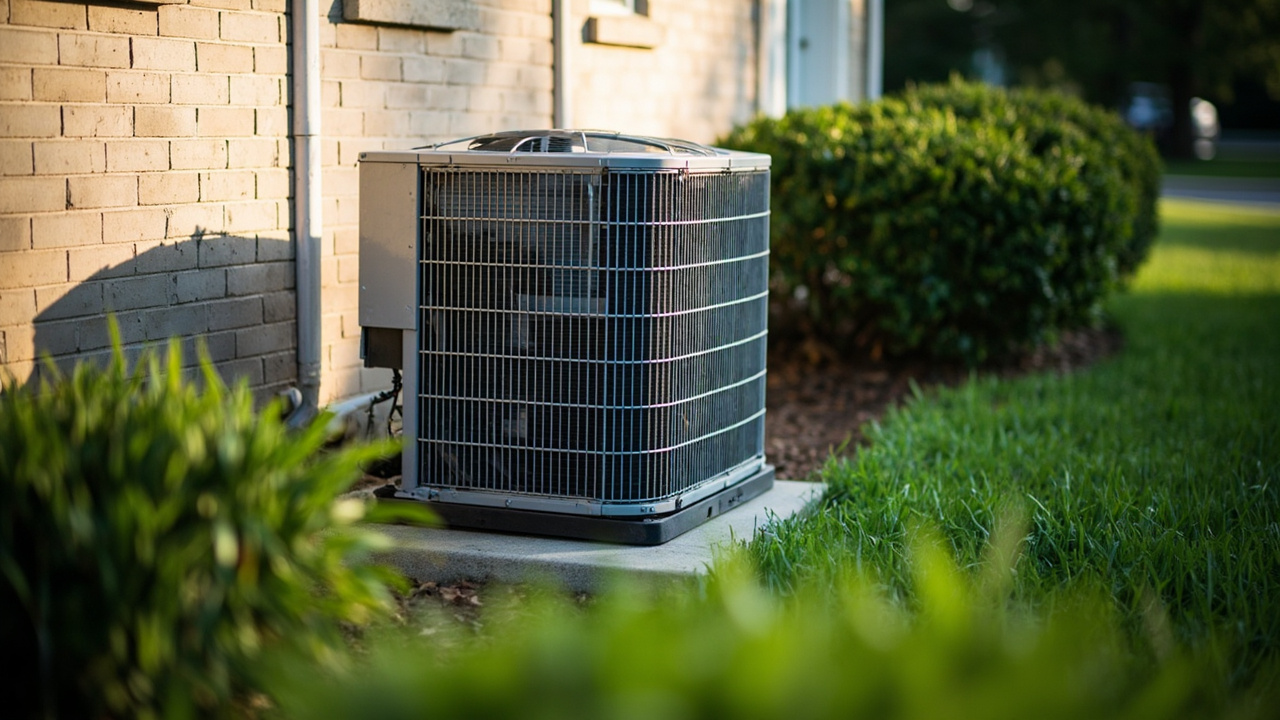
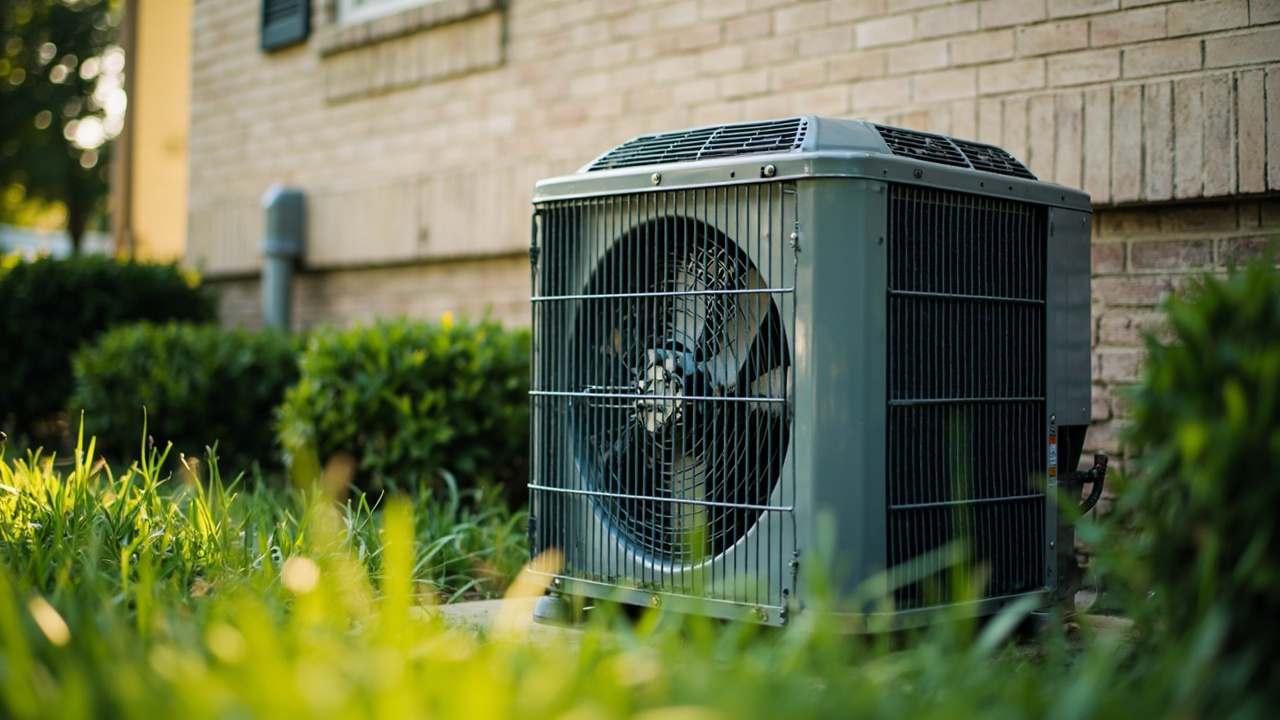
You step outside and notice your outdoor unit is silent. The compressor might be humming, but the condenser fan is not spinning. The air inside your home grows warmer by the hour.

Charlotte's intense summer heat and high humidity put extreme stress on outdoor AC components. When your outside AC fan stops turning, the condenser cannot release heat. The compressor begins to overheat. If you let this run unchecked, you risk compressor failure, which costs thousands to replace.

A non-spinning fan has specific causes. The capacitor may have failed. This small cylinder stores electrical charge and gives the fan motor the jolt it needs to start. Capacitors degrade faster in Charlotte's heat, failing after five to seven years. The fan motor itself might have seized due to dirt accumulation or worn bearings. The contactor, which sends power to the fan, can pit and fail. A tripped breaker or blown fuse can cut power entirely.

Some homeowners see the air conditioner outdoor fan not running and assume the entire system needs replacement. That is rarely true. Most condenser fan issues involve repairable components. The key is identifying the right one.

You need a technician who knows the difference between a failed capacitor and a locked rotor, between a bad contactor and a control board issue. Guessing leads to wasted money and repeat failures. Keystone HVAC Charlotte uses multimeters, capacitor testers, and amp clamps to pinpoint the exact failure point before replacing any part.

Why Your AC Condenser Fan Stopped Working
How We Diagnose and Fix a Condenser Fan Not Spinning

How We Diagnose and Fix a Condenser Fan Not Spinning

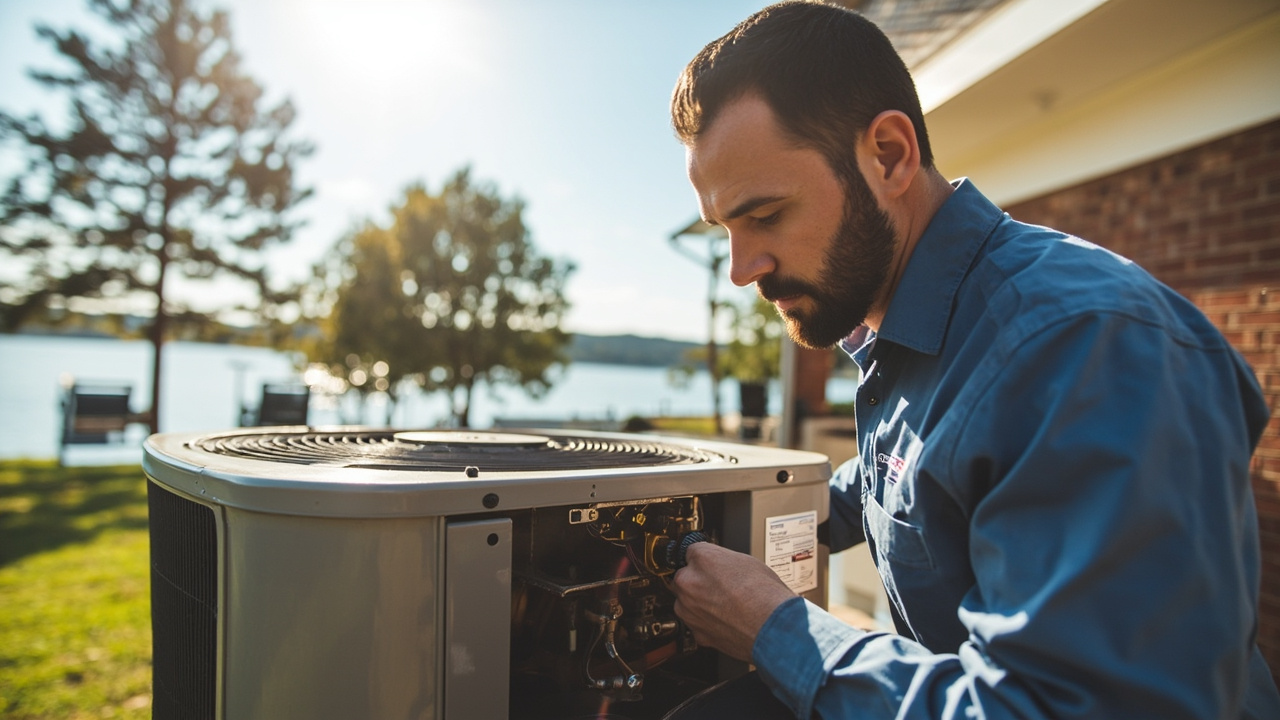
When you call us for an outdoor unit fan that stopped working, we do not arrive with a truckload of parts hoping one fits. We arrive with diagnostic equipment and a process.

First, we verify power supply. We check the breaker panel, the disconnect box at the condenser, and the fuse. If power reaches the unit, we move to the capacitor. We discharge it safely, then test it with a capacitor tester. A reading outside the rated microfarad range means replacement.

If the capacitor tests good, we inspect the contactor. We look for pitted contacts, signs of arcing, or failure to close when the thermostat calls for cooling. A failed contactor prevents voltage from reaching the fan motor.

Next, we test the fan motor. We check for continuity in the windings using a multimeter. We manually spin the blade to detect bearing resistance or shaft seizure. If the motor is locked, we check the run capacitor again, because a weak capacitor can prevent motor start and cause the windings to overheat.

We also measure amperage draw. A motor pulling too many amps signals internal damage. A motor pulling zero amps with voltage present confirms an open winding.

Charlotte's pollen, cottonwood seeds, and airborne debris clog condenser coils and restrict airflow. This forces the fan motor to work harder, shortening its life. We clean the coil and check for bent fins that block air movement.

Once we identify the failed component, we replace it with the correct part. We verify the fan spins freely, check the amp draw under load, and confirm the system cools properly before leaving.

What Happens When Your Condenser Fan Stops

Outdoor Unit Not Spinning in Charlotte – Expert Diagnosis Finds the Real Problem Fast
01

Initial Power and Component Check

We confirm electrical power reaches the outdoor unit by testing voltage at the disconnect and contactor. We inspect the dual run capacitor for bulging, leakage, or out-of-range microfarad readings. This quick test identifies the most common failure point in a non-spinning condenser fan and prevents misdiagnosis that wastes time and money.
02

Motor and Contactor Testing

We test the fan motor for winding continuity, bearing resistance, and correct amperage draw. We examine the contactor for pitted contacts or failure to engage. Using a multimeter and amp clamp, we determine whether the motor is seized, the contactor is faulty, or the control board is sending improper signals to the outdoor unit components.
03

Repair and System Verification

We replace the failed component, whether capacitor, contactor, or motor. We clean the condenser coil, straighten bent fins, and verify proper airflow. We measure system pressures, confirm correct amp draw, and test the fan under load. You get a condenser that runs quietly, efficiently, and reliably through Charlotte's demanding summer heat.

Why Charlotte Homeowners Choose Keystone HVAC for AC Condenser Fan Repair

You need a technician who understands the specific challenges Charlotte's climate creates for outdoor AC components. Our region experiences high heat, humidity, and severe afternoon thunderstorms. Voltage spikes from lightning strikes damage contactors and capacitors. Humidity accelerates corrosion on electrical connections. Heat degrades capacitor dielectric fluid faster than in cooler climates.

Keystone HVAC Charlotte has repaired hundreds of condenser fan failures across Myers Park, Dilworth, South End, and Plaza Midwood. We know the common failures in older Trane, Carrier, and Lennox systems found in historic neighborhoods. We know the proprietary parts used in newer Bosch and Mitsubishi units installed in recent construction.

We carry the most common capacitors, contactors, and fan motors on every truck. This means same-day repairs for most condenser fan issues. You do not wait three days for a part while your home heats up and your family suffers.

We also understand local building codes. When we replace a fan motor, we verify the unit still meets Charlotte-Mecklenburg code requirements. We check refrigerant levels, because a non-spinning fan often causes refrigerant pressure issues that damage the compressor.

Some companies replace parts without diagnosing the root cause. You pay for a new capacitor, but the real problem is a failing contactor. The fan stops again in two weeks. We test everything, find the actual failure, and fix it correctly the first time.

You also get clear explanations. We show you the failed part, explain what caused the failure, and give you options. If your condenser is old and nearing end of life, we tell you. If it has years of service left, we tell you that too.

What to Expect When You Call Keystone HVAC Charlotte

Fast Response for Cooling Emergencies

We understand that a non-spinning condenser fan in July means your home becomes uncomfortable fast. We prioritize emergency calls and offer same-day service when you reach out early in the day. Our technicians arrive in fully stocked trucks, ready to diagnose and repair most condenser fan failures on the first visit. You do not wait days for parts or schedule follow-up appointments unless the repair requires a specialized component. We respect your time and your comfort.

Thorough Diagnostic Process

Our technicians use calibrated multimeters, capacitor testers, and amp clamps to identify the exact cause of your outdoor unit fan failure. We do not guess. We test voltage, continuity, capacitance, and amperage draw at multiple points in the system. We inspect the contactor, capacitor, fan motor, and control board. This methodical approach ensures we replace only the failed component, saving you money and preventing repeat service calls for the same issue.

Quality Parts and Proper Installation

We install manufacturer-approved parts designed for your specific make and model. We match capacitor microfarad ratings and voltage precisely. We use OEM contactors that fit the original mounting points. We install fan motors with the correct RPM, horsepower, and shaft diameter. After the repair, we clean the condenser coil, check refrigerant pressures, measure system temperatures, and verify proper operation. You get a repair that lasts, not a temporary patch.

Maintenance Plans to Prevent Future Failures

After we fix your condenser fan, we offer maintenance plans that catch problems before they cause breakdowns. Regular inspections identify capacitors nearing failure, contactors showing wear, and motors with worn bearings. We clean coils, tighten electrical connections, and lubricate motors that require it. Charlotte's demanding climate makes preventive maintenance essential. Our plans give you priority scheduling, discounted rates, and peace of mind knowing your system will run when you need it most.

Frequently Asked Questions

You Have Questions,
We Have Answers

Why is my outside unit not spinning? +

Your outside unit may not spin due to several common issues. A tripped circuit breaker or blown fuse cuts power to the fan motor. A faulty capacitor, which stores energy to start the motor, is a frequent culprit in Charlotte's humid climate. The contactor that sends voltage to the fan motor can fail from corrosion or wear. A burned-out fan motor itself will prevent spinning. Debris lodged in the fan blades can physically block rotation. Given Charlotte's heavy pollen loads and summer storms, checking for obstructions is critical. Turn off your system and call a technician for diagnosis.

What is the problem if the fan is not spinning? +

A non-spinning fan typically indicates an electrical or mechanical failure. The capacitor may be weak or dead, preventing the motor from receiving the voltage surge needed to start. The fan motor itself can burn out from age or overheating, common in Charlotte's hot, humid summers that force systems to run constantly. A seized motor bearing will physically prevent blade rotation. The contactor may fail to energize the motor circuit. Loose or corroded wiring connections interrupt power flow. Each issue requires professional diagnosis. Do not attempt to manually spin the blades or force operation.

Why is my AC unit making a sound but not spinning? +

If your AC unit hums or buzzes but the fan does not spin, you likely have a failing capacitor. The compressor may still run, creating sound, while the fan motor lacks the starting power it needs. A seized fan motor bearing will hum as electricity tries to turn the motor but cannot overcome physical resistance. Electrical issues at the contactor can send partial power, creating noise without full operation. In Charlotte's high-humidity environment, capacitors degrade faster than in drier climates. This issue can overheat your compressor and cause expensive damage if ignored.

Should I turn off my AC if the fan isn't spinning? +

Yes, turn off your AC immediately if the fan is not spinning. A non-spinning fan means your condenser coil cannot release heat, causing the compressor to overheat and fail. Compressor replacement can cost thousands of dollars. Charlotte's summer heat makes this risk worse, as your system struggles against 95-degree temperatures without proper airflow. Continuing operation can also trip your breaker repeatedly or damage other electrical components. Turn off the system at the thermostat and the breaker box, then contact a technician. Do not restart the system until a professional inspects and repairs the root cause.

How Charlotte's Climate Accelerates Condenser Fan Component Failure

Charlotte experiences summer temperatures above 90 degrees for extended periods, combined with humidity levels that regularly exceed 70 percent. This environment accelerates capacitor degradation. Capacitors contain electrolytic fluid that evaporates faster in heat. When a capacitor weakens, it cannot provide the starting torque the fan motor needs. The motor hums but does not spin, or it fails to start at all. Afternoon thunderstorms bring voltage spikes that pit contactor surfaces and damage control boards. Pollen from Charlotte's dense tree canopy coats condenser coils, restricting airflow and forcing fan motors to work harder. These combined factors mean outdoor unit components fail more frequently here than in milder climates.

Keystone HVAC Charlotte understands these local conditions because we work in them every day. We know that capacitors in Charlotte typically last five to seven years instead of the ten-year lifespan seen in cooler regions. We stock capacitors rated for high ambient temperatures. We recognize that older homes in Dilworth and Myers Park often have undersized electrical service, leading to voltage sag that damages contactors. We know that homes near Lake Norman experience higher humidity, accelerating rust on fan blades and motor shafts. This local knowledge allows us to diagnose problems faster, recommend appropriate solutions, and prevent future failures specific to your neighborhood's conditions.
HVAC Services in The Charlotte Area

Keystone proudly serves homes and businesses throughout Charlotte and nearby areas. Whether you’re looking for fast repairs, expert installations, or seasonal HVAC maintenance, our team is just a call away. Use the map below to locate our service area or office location, and don’t hesitate to reach out if you have questions. We’re committed to making your experience seamless from the first call to the final service. Let us show you why we’re Charlotte’s go-to HVAC experts.

Address:
Keystone HVAC Charlotte, 6000 Fairview Rd, Charlotte, NC, 28210

Additional Services We Offer

Our news updates

Latest Articles & News from The Blogs

Expert Heat Pump Replacement in Cornelius NCHomeowners in Cornelius face a unique set of weather challenges. The moisture coming off…

Heat Pump Replacement Services in Cornelius and Lake Norman

Expert Heat Pump Replacement in Cornelius NCHomeowners in Cornelius face a unique set of weather challenges. The moisture coming off…

Smart Strategies to Lower Utility Bills for Large Quail Hollow Estates

Smart Strategies to Lower Utility Bills for Large Quail Hollow Estates Managing a large estate in the Quail Hollow neighborhood…

Oakhurst families need furnace heat exchanger inspections before the first cold snap

Oakhurst families need furnace heat exchanger inspections before the first cold snapThe transition from the humid Charlotte summer to the…

Contact Us

Do not let a non-spinning outdoor unit damage your compressor. Call Keystone HVAC Charlotte now at (980) 342-9990 for same-day service. We diagnose the problem accurately and fix it right the first time.