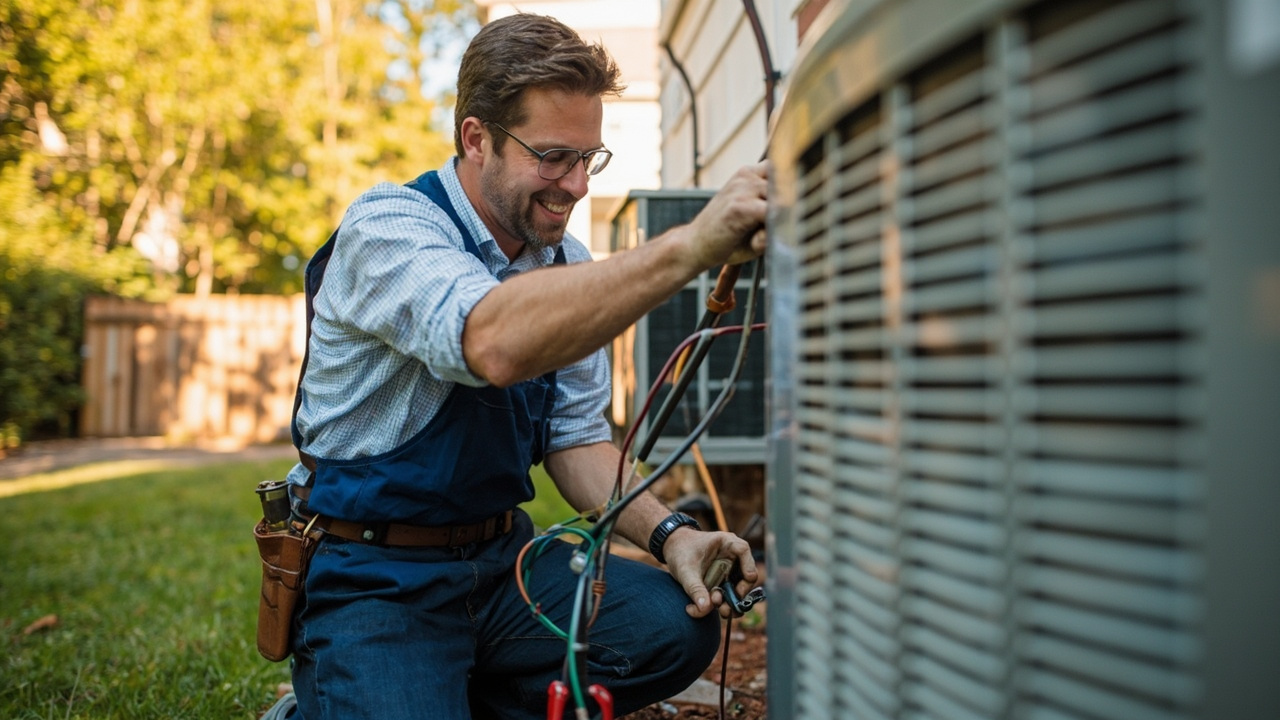
Charlotte sits in the transition zone between the mountains and the coastal plain, which creates weather patterns that trap pollutants and drive up outdoor allergen concentrations. Spring tree pollen from oak, pine, and birch trees saturates the air between March and May, and fall ragweed seasons extend into November because of our mild temperatures. Your HVAC system pulls in outdoor air through leaks in your ductwork and around your air handler, which means you are constantly introducing new allergens into your home even when windows stay closed. The red clay soil common throughout Mecklenburg County also holds moisture against foundation walls, which creates basement humidity problems that feed mold growth. Without proper dehumidification and ventilation, your home becomes a reservoir for biological contaminants that trigger asthma and allergies year-round.
Mecklenburg County enforces the North Carolina Mechanical Code, which requires minimum ventilation rates based on your home's square footage and occupancy. Newer homes built after 2012 must include mechanical ventilation systems, but older homes in neighborhoods like Eastover and Cotswold lack these requirements entirely. This is why professional residential air quality services matter for Charlotte homeowners. We design IAQ systems that meet current ventilation standards while accounting for your home's existing HVAC capacity and ductwork layout. Local expertise also means we understand which equipment performs best in high-humidity climates and which filtration strategies handle Charlotte's specific allergen profile. You need contractors who install these systems daily in Piedmont climate conditions, not national chains that apply generic solutions regardless of local environmental factors.