


Gastonia sits in the humid subtropical zone where summer temperatures regularly push into the low to mid-90s with humidity levels that make it feel closer to 100. Your air conditioning system runs hard from May through September, cycling constantly to manage both heat and moisture. This relentless demand accelerates wear on compressors, blower motors, and refrigerant lines.
Winter brings its own challenges. While Gastonia rarely sees prolonged freezes, cold snaps dip into the 20s and require reliable heating. The freeze-thaw cycle stresses heat pump components, and older furnaces struggle with efficiency when temperatures swing 40 degrees in a single week.
The red clay soil common throughout Gaston County shifts with moisture changes, affecting foundation-mounted outdoor units and underground ductwork. Homes in older neighborhoods like Linwood Park and Highland often have settled foundations that stress refrigerant lines and create air leaks in duct systems.
Pollen counts in Gastonia rank among the highest in North Carolina. Oak, pine, and grass pollen coat outdoor units from March through October, clogging condenser coils and reducing efficiency by up to 30 percent. Regular maintenance becomes essential, not optional, for keeping systems running through our extended cooling season.
We built our reputation in the Charlotte metro area by showing up when we say we will and fixing problems right the first time. Our technicians carry fully stocked trucks with parts for the systems most common in Gastonia homes, which means we complete most repairs without ordering parts or scheduling return visits.
Every technician on our team holds North Carolina state licensing and receives ongoing training on both traditional split systems and newer high-efficiency heat pump technology. We work on every major brand installed in Gastonia homes, from builder-grade units in newer developments near the Gastonia Municipal Airport to vintage systems in historic Highland homes.
We answer our phones 24 hours a day, seven days a week. When you call (980) 342-9990 at 2 AM because your air conditioner died, you reach a real person who can dispatch a technician immediately, not an answering service that takes a message. We understand that HVAC failures don't wait for business hours.
Our pricing is straightforward. We diagnose the problem, explain exactly what failed and why, and provide a firm price before starting work. No surprise charges, no hidden fees, no pressure to replace equipment that can be repaired. If your system is beyond economical repair, we explain why and provide options at different price points.
We're part of this community. Our technicians live in Gastonia and surrounding areas. We service systems in our neighbors' homes, our kids' schools, and the businesses we frequent. That local connection means we're invested in getting it right because our reputation depends on it.

We dispatch technicians around the clock, including weekends and holidays. When your system fails at midnight or on Christmas morning, we answer and send help. Most emergency calls get same-day service, often within two to three hours of your call.

Our trucks stock parts for the systems most common in Gastonia homes. We complete most repairs on the first visit without ordering parts or scheduling callbacks. That means your comfort gets restored faster and you avoid multiple service charges.
Every technician holds current North Carolina state licensing and receives regular training on new equipment and repair techniques. We maintain insurance and bonding that protects your home and your investment. You get qualified professionals, not unlicensed helpers.
We know the systems installed in Gastonia homes, the clay soil that affects foundations, and the pollen that clogs outdoor units. Our technicians live here and understand the specific challenges your equipment faces in this climate and environment.
Your heating and cooling system works as an integrated network of components. The outdoor unit, indoor air handler, ductwork, thermostat, and refrigerant lines all function together. When one component fails or loses efficiency, it stresses the entire system. Keystone HVAC Charlotte services every part of that network.
We handle emergency repairs when systems fail completely. We provide preventive maintenance that catches problems before they become breakdowns. We replace aging equipment that's beyond economical repair. We improve airflow and efficiency through duct sealing and system upgrades.
Our service range covers central air conditioning, heat pumps, gas furnaces, electric heat strips, ductless mini-splits, and hybrid dual-fuel systems. We work on residential equipment in single-family homes, townhouses, and small apartment buildings throughout Gastonia. Whether you need a quick fix or a complete system replacement, we provide the service that matches your situation.
Total system failures demand immediate attention. When your air conditioner stops cooling or your heater won't ignite, we dispatch technicians fast. We diagnose compressor failures, refrigerant leaks, blower motor burnouts, control board malfunctions, and electrical failures. Our trucks stock the parts needed to restore cooling or heating on the first visit. We prioritize safety, checking for carbon monoxide risks, electrical hazards, and refrigerant leaks before restoring operation.
Regular maintenance extends equipment life and prevents breakdowns during peak demand. We clean condenser coils clogged with Gastonia pollen, check refrigerant charge, test capacitors and contactors, inspect electrical connections, and verify proper airflow. Spring and fall tune-ups catch worn components before they fail on the hottest or coldest day of the year. Maintenance customers get priority scheduling and reduced rates on repairs.
Systems older than 15 years or requiring repairs exceeding 50 percent of replacement cost need evaluation for replacement. We size new equipment properly for your home's square footage, insulation, and ductwork. We install high-efficiency heat pumps, two-stage air conditioners, variable-speed air handlers, and programmable thermostats. Every installation includes proper refrigerant charge, airflow verification, and system testing. We handle permits and inspections required by Gaston County building codes.
The climate, soil conditions, and housing stock in Gastonia create specific patterns of HVAC problems. Older homes in established neighborhoods face different challenges than newer construction near the airport or in developing areas. Understanding these common issues helps homeowners recognize problems early and avoid costly damage.
High humidity during summer months overworks air conditioning systems and creates conditions for mold growth in ductwork. Clay soil movement stresses refrigerant lines and creates air leaks in underground ducts. Pollen buildup reduces efficiency and accelerates component wear. Poor attic insulation in older homes forces systems to run longer cycles, increasing energy costs and shortening equipment life.
These problems compound over time. A small refrigerant leak reduces cooling capacity, forcing the compressor to run longer, which accelerates wear and leads to premature failure. Recognizing and addressing issues early prevents emergency breakdowns and extends system life.
Gaston County's clay soil expands when wet and contracts when dry. This movement stresses copper refrigerant lines running between outdoor and indoor units. Small leaks develop at joints and connections. Low refrigerant charge reduces cooling capacity and forces compressors to work harder, increasing energy costs and risking compressor failure.
Oak, pine, and grass pollen coat outdoor units throughout Gastonia's extended spring and summer seasons. Clogged condenser coils reduce heat transfer efficiency by 30 percent or more. The system runs longer to achieve the same cooling, increasing energy costs and accelerating wear on compressors and fan motors.
Homes built before 1990 in neighborhoods like Highland and Linwood Park often have uninsulated ductwork in vented attics. Joints separate over time, leaking conditioned air into unconditioned spaces. Duct leakage wastes 20 to 40 percent of cooling and heating output, dramatically increasing energy costs and reducing comfort.
Gastonia's long cooling season forces blower motors to run thousands of hours from May through September. Motors in systems lacking maintenance accumulate dust on bearings and windings, reducing efficiency and accelerating failure. Blower motor failure stops all airflow, leaving homes without cooling or heating until repairs are completed.
We built our business on clear communication and reliable service. From your first phone call through project completion, you'll know exactly what's happening, when it's happening, and what it costs. No surprises, no confusion, no runarounds.
When you contact us, we gather information about your problem and schedule service at your convenience. For emergencies, we dispatch technicians immediately. For maintenance and non-urgent repairs, we work around your schedule. Our technicians call before arriving to confirm timing and route.
Every service visit starts with thorough diagnosis. We explain what failed, why it failed, and what it takes to fix it. We provide firm pricing before starting work. If we discover additional problems during repair, we explain the issues and get your approval before proceeding. You control the decisions about your system.
When you call (980) 342-9990, you reach trained staff who understand HVAC problems. We ask questions about your symptoms to determine urgency and prepare the right tools and parts. We provide arrival windows and stick to them. Our technicians call 30 minutes before arrival so you're not waiting around all day. You get updates at every step.
Our technicians test all system components to identify the root cause of failures. We check refrigerant charge, electrical connections, airflow, thermostat operation, and safety controls. We explain what we found in plain language, not technical jargon. We show you failed components when possible and explain why replacement is necessary. You understand the problem before we fix it.
We warranty all repairs for one year from service date. If a component we installed fails within that year, we replace it at no charge. New equipment installations include manufacturer warranties covering parts for up to 10 years. We stand behind our work because we do it right the first time.
HVAC repair shouldn't be complicated or confusing. We follow a simple three-step process that gets your system working again without wasting time or money.
Call us at (980) 342-9990 or request service through our website. We gather information about your problem and schedule a service window that works for your schedule. For emergencies, we dispatch immediately, often arriving within two to three hours. For planned maintenance or non-urgent repairs, we offer flexible scheduling including evenings and weekends.
Our technician arrives in a fully stocked truck and examines your entire system. We test components, measure performance, and identify the root cause of problems. We explain what failed and why, then provide a firm price for repair. You approve the work before we start. No surprise charges, no pressure tactics, no hidden fees.
We complete repairs using quality parts designed for your specific equipment. After repairs, we test the entire system to verify proper operation, check refrigerant charge, measure airflow, and confirm safety controls work correctly. We clean up completely and explain what we did. Your system is fixed right, and you understand the work we performed.
EPA Section 608 certification is required for anyone handling refrigerants. We maintain Universal certification covering all refrigerant types. We use recovery equipment that meets EPA standards, properly evacuate systems before opening refrigerant circuits, and document all refrigerant recovered and charged. Improper handling creates environmental damage and legal liability.
Repair costs reflect the failed component, refrigerant type, system accessibility, and time required. Compressor replacement costs more than capacitor replacement because compressors cost more and require refrigerant recovery and recharge. Systems using R-22 refrigerant cost more to service because R-22 now costs four times what it did five years ago. Emergency service costs more than scheduled maintenance.
Simple repairs like capacitor or contactor replacement take 30 to 60 minutes. Refrigerant leak detection and repair requires two to four hours depending on leak location. Blower motor or control board replacement takes two to three hours. Compressor replacement requires four to eight hours including refrigerant recovery, evacuation, and recharge.
Educational video explaining common HVAC problems affecting Gastonia, North Carolina homes including air conditioning failures, heat pump issues, and furnace breakdowns. Covers refrigerant leaks from soil movement, pollen buildup on condenser coils, duct leakage in older homes, and blower motor failures. Discusses proper system sizing, refrigerant regulations, repair cost factors, and maintenance requirements specific to Gaston County's climate and housing stock.
Keystone HVAC Charlotte provides complete heating and air conditioning service throughout Gastonia and surrounding areas of Gaston County. Our service area extends from historic downtown Gastonia west to the South Fork River, north toward the Catawba River boundary with Lincoln County, and south into the communities near the South Carolina state line.
We service homes in Highland, one of Gastonia's oldest established neighborhoods where homes built in the 1920s and 1930s often have aging ductwork and vintage heating systems. The tree-lined streets and mature landscaping create beautiful surroundings but also contribute to the pollen load that affects outdoor HVAC units throughout spring and summer.
Linwood Park and surrounding east Gastonia neighborhoods feature a mix of mid-century homes and newer construction. Many homes in this area were built in the 1960s and 1970s and are reaching the point where original HVAC systems need replacement. We handle both emergency repairs on aging equipment and new system installations for homeowners upgrading to high-efficiency heat pumps.
The developing areas near Gastonia Municipal Airport see significant new construction. These newer homes typically include builder-grade HVAC equipment that may require service after warranty periods expire. We service all major brands installed by area builders and provide maintenance plans that extend equipment life.
West Gastonia communities toward Crowders Mountain see more varied terrain and soil conditions. Homes built on hillsides or sloped lots sometimes experience drainage issues that affect ground-level HVAC equipment. We address installation challenges specific to these locations and provide solutions for equipment protection.
North of downtown near the Franklin Urban Sports and Entertainment District, a mix of older industrial conversions and new residential development creates diverse service needs. We handle everything from ductless mini-split installations in converted loft spaces to traditional central air systems in nearby single-family homes.
Our familiarity with Gaston County's geography, climate patterns, and housing stock helps us diagnose problems faster and recommend solutions appropriate for your specific location. We understand the difference between servicing a 1950s brick ranch in Highland and a 2015 two-story in a new development near the airport.
The $5000 rule helps you decide between repair and replacement. If your system's age multiplied by the repair cost exceeds $5000, replacement makes more sense. For example, a 12-year-old unit needing $500 in repairs equals $6000, so replace it. If it equals under $5000, repair it. In Gastonia, where high humidity stresses older systems harder, this rule helps you avoid throwing money at a dying unit. Factor in rising energy bills and refrigerant phase-outs when deciding. A professional load calculation ensures proper sizing for your home.
An average HVAC job in Gastonia varies widely by scope. Basic repairs like capacitor replacements or thermostat fixes run lower, while compressor replacements or full system changeouts cost significantly more. Ductwork modifications, refrigerant top-offs, and blower motor replacements fall in between. Variables include system size, refrigerant type, accessibility, and whether your home has existing ductwork. Gastonia's clay soil can shift foundations and damage ductlines, adding repair complexity. Always get a detailed written estimate that breaks down labor, parts, and disposal fees before committing to any work.
A new HVAC system in North Carolina depends on home size, efficiency rating, and installation complexity. Smaller homes with straightforward installs cost less than larger homes requiring ductwork modifications or zoning systems. In Gastonia, high humidity demands properly sized units with adequate dehumidification capacity. Upgrading to higher SEER ratings lowers monthly utility bills but increases upfront investment. Factor in ductwork sealing, insulation upgrades, and thermostat choices. Get multiple quotes from licensed contractors who perform Manual J load calculations to ensure correct sizing for your specific square footage and climate zone.
The $5000 rule helps you decide between repair and replacement. If your system's age multiplied by the repair cost exceeds $5000, replacement makes more sense. For example, a 12-year-old unit needing $500 in repairs equals $6000, so replace it. If it equals under $5000, repair it. In Gastonia, where high humidity stresses older systems harder, this rule helps you avoid throwing money at a dying unit. Factor in rising energy bills and refrigerant phase-outs when deciding. A professional load calculation ensures proper sizing for your home.
An average HVAC job in Gastonia varies widely by scope. Basic repairs like capacitor replacements or thermostat fixes run lower, while compressor replacements or full system changeouts cost significantly more. Ductwork modifications, refrigerant top-offs, and blower motor replacements fall in between. Variables include system size, refrigerant type, accessibility, and whether your home has existing ductwork. Gastonia's clay soil can shift foundations and damage ductlines, adding repair complexity. Always get a detailed written estimate that breaks down labor, parts, and disposal fees before committing to any work.
A new HVAC system in North Carolina depends on home size, efficiency rating, and installation complexity. Smaller homes with straightforward installs cost less than larger homes requiring ductwork modifications or zoning systems. In Gastonia, high humidity demands properly sized units with adequate dehumidification capacity. Upgrading to higher SEER ratings lowers monthly utility bills but increases upfront investment. Factor in ductwork sealing, insulation upgrades, and thermostat choices. Get multiple quotes from licensed contractors who perform Manual J load calculations to ensure correct sizing for your specific square footage and climate zone.
An average HVAC system cost depends on tonnage, efficiency, and installation factors. Tonnage correlates to home size, with most Gastonia homes needing two to five tons. SEER ratings affect price, with higher efficiency units costing more upfront but saving on electric bills long-term. Single-stage systems cost less than variable-speed models with better humidity control. Installation complexity matters. Homes with existing ductwork cost less than new construction or homes needing duct replacement. Always verify contractors pull permits and follow local building codes to protect your investment.
A 4000 square foot home typically needs a four to five ton system, sometimes requiring dual units or zoning for balanced comfort. In Gastonia, open floor plans and high ceilings affect load calculations. Insulation quality, window efficiency, and sun exposure impact sizing requirements. Larger homes benefit from variable-speed systems with better humidity control during mild weather. Ductwork design becomes critical at this size to maintain proper airflow and pressure balance. Expect higher costs for premium equipment, extended ductwork runs, multiple thermostats, and longer installation time compared to smaller homes.
The 3 minute rule protects your compressor from short cycling damage. After your AC shuts off, wait at least three minutes before restarting it. This allows refrigerant pressure to equalize throughout the system. Starting too soon forces the compressor to work against high pressure, causing motor strain and premature failure. In Gastonia's hot summers, resist the urge to constantly adjust your thermostat. Modern thermostats with compressor delay protection enforce this rule automatically. Short cycling also indicates underlying problems like refrigerant leaks, dirty coils, or incorrect sizing requiring professional diagnosis.
An HVAC system lasts 15 to 20 years with proper maintenance. In Gastonia, high humidity and heavy summer use can shorten lifespan if you skip filter changes and annual tune-ups. Furnaces often outlast air conditioners because they run fewer months yearly. Coastal proximity and salt air accelerate corrosion on outdoor units. Systems installed correctly with proper sizing last longer than oversized units that short cycle. Regular coil cleaning, drain line maintenance, and timely repairs prevent small problems from becoming major failures. Budget for replacement after year 12 to avoid emergency breakdowns during peak season.
The most common HVAC repairs in Gastonia include refrigerant leaks, capacitor failures, blower motor issues, and clogged condensate drains. High humidity clogs drain lines with algae, causing water damage and shutdowns. Capacitors fail in extreme heat, preventing compressors and fans from starting. Dirty evaporator coils freeze up, blocking airflow. Thermostat malfunctions cause erratic cycling. Contactor pitting prevents compressor operation. Ductwork leaks waste conditioned air and spike utility bills. Regular filter changes and annual maintenance catch these issues early before they escalate into expensive emergency calls or complete system failures.
HVAC hourly pay varies by experience, certification level, and company. Apprentices earn less than master technicians with EPA certifications and specialized training. Commercial HVAC techs often earn more than residential specialists. Overtime, emergency call rates, and commission structures affect take-home pay. In Gastonia's growing market, experienced techs with strong troubleshooting skills and customer service command top rates. NATE certification, manufacturer training, and willingness to work extreme weather conditions increase earning potential. Shop rates charged to customers differ significantly from technician wages, covering overhead, insurance, vehicles, tools, and business expenses.
Installing AC in a 1500 square foot Gastonia home depends on existing infrastructure. Homes with functional ductwork and electrical service cost less than those requiring new duct installation or panel upgrades. A two to three ton system typically handles this square footage. Variables include insulation quality, window efficiency, ceiling height, and sun exposure. Single-story homes with attic ductwork install faster than multi-story homes. Local building codes require permits and inspections. Get quotes from licensed contractors who perform load calculations rather than guessing tonnage. Proper sizing prevents short cycling and humidity problems common in undersized or oversized systems.
An average HVAC system cost depends on tonnage, efficiency, and installation factors. Tonnage correlates to home size, with most Gastonia homes needing two to five tons. SEER ratings affect price, with higher efficiency units costing more upfront but saving on electric bills long-term. Single-stage systems cost less than variable-speed models with better humidity control. Installation complexity matters. Homes with existing ductwork cost less than new construction or homes needing duct replacement. Always verify contractors pull permits and follow local building codes to protect your investment.
A 4000 square foot home typically needs a four to five ton system, sometimes requiring dual units or zoning for balanced comfort. In Gastonia, open floor plans and high ceilings affect load calculations. Insulation quality, window efficiency, and sun exposure impact sizing requirements. Larger homes benefit from variable-speed systems with better humidity control during mild weather. Ductwork design becomes critical at this size to maintain proper airflow and pressure balance. Expect higher costs for premium equipment, extended ductwork runs, multiple thermostats, and longer installation time compared to smaller homes.
The 3 minute rule protects your compressor from short cycling damage. After your AC shuts off, wait at least three minutes before restarting it. This allows refrigerant pressure to equalize throughout the system. Starting too soon forces the compressor to work against high pressure, causing motor strain and premature failure. In Gastonia's hot summers, resist the urge to constantly adjust your thermostat. Modern thermostats with compressor delay protection enforce this rule automatically. Short cycling also indicates underlying problems like refrigerant leaks, dirty coils, or incorrect sizing requiring professional diagnosis.
An HVAC system lasts 15 to 20 years with proper maintenance. In Gastonia, high humidity and heavy summer use can shorten lifespan if you skip filter changes and annual tune-ups. Furnaces often outlast air conditioners because they run fewer months yearly. Coastal proximity and salt air accelerate corrosion on outdoor units. Systems installed correctly with proper sizing last longer than oversized units that short cycle. Regular coil cleaning, drain line maintenance, and timely repairs prevent small problems from becoming major failures. Budget for replacement after year 12 to avoid emergency breakdowns during peak season.
The most common HVAC repairs in Gastonia include refrigerant leaks, capacitor failures, blower motor issues, and clogged condensate drains. High humidity clogs drain lines with algae, causing water damage and shutdowns. Capacitors fail in extreme heat, preventing compressors and fans from starting. Dirty evaporator coils freeze up, blocking airflow. Thermostat malfunctions cause erratic cycling. Contactor pitting prevents compressor operation. Ductwork leaks waste conditioned air and spike utility bills. Regular filter changes and annual maintenance catch these issues early before they escalate into expensive emergency calls or complete system failures.
HVAC hourly pay varies by experience, certification level, and company. Apprentices earn less than master technicians with EPA certifications and specialized training. Commercial HVAC techs often earn more than residential specialists. Overtime, emergency call rates, and commission structures affect take-home pay. In Gastonia's growing market, experienced techs with strong troubleshooting skills and customer service command top rates. NATE certification, manufacturer training, and willingness to work extreme weather conditions increase earning potential. Shop rates charged to customers differ significantly from technician wages, covering overhead, insurance, vehicles, tools, and business expenses.
Installing AC in a 1500 square foot Gastonia home depends on existing infrastructure. Homes with functional ductwork and electrical service cost less than those requiring new duct installation or panel upgrades. A two to three ton system typically handles this square footage. Variables include insulation quality, window efficiency, ceiling height, and sun exposure. Single-story homes with attic ductwork install faster than multi-story homes. Local building codes require permits and inspections. Get quotes from licensed contractors who perform load calculations rather than guessing tonnage. Proper sizing prevents short cycling and humidity problems common in undersized or oversized systems.
Keystone proudly serves homes and businesses throughout Charlotte and nearby areas. Whether you’re looking for fast repairs, expert installations, or seasonal HVAC maintenance, our team is just a call away. Use the map below to locate our service area or office location, and don’t hesitate to reach out if you have questions. We’re committed to making your experience seamless from the first call to the final service. Let us show you why we’re Charlotte’s go-to HVAC experts.
Address:
Gastonia, NC, 28052

Waxhaw is growing at a fast pace. New residential projects are popping up from the edges of the historic village to the sprawling developments near the state line. If you are building a custom home…
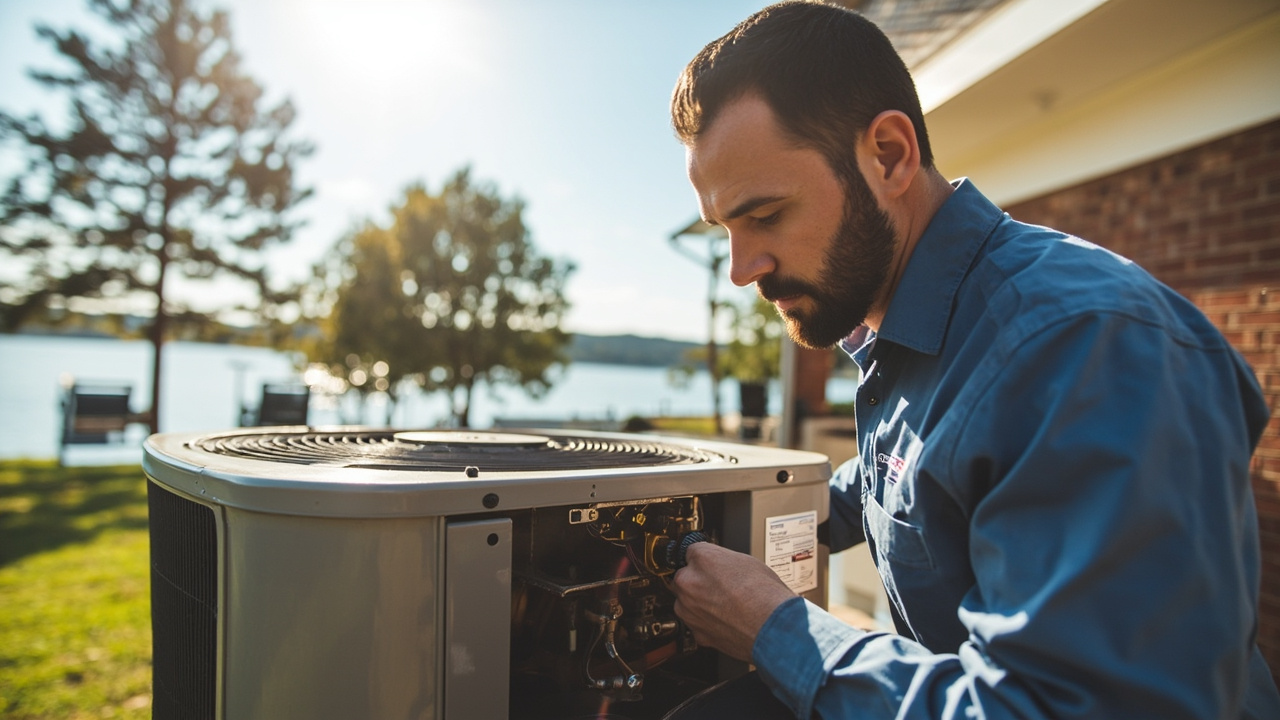
Living in Davidson during a North Carolina summer means dealing with heavy humidity and temperatures…
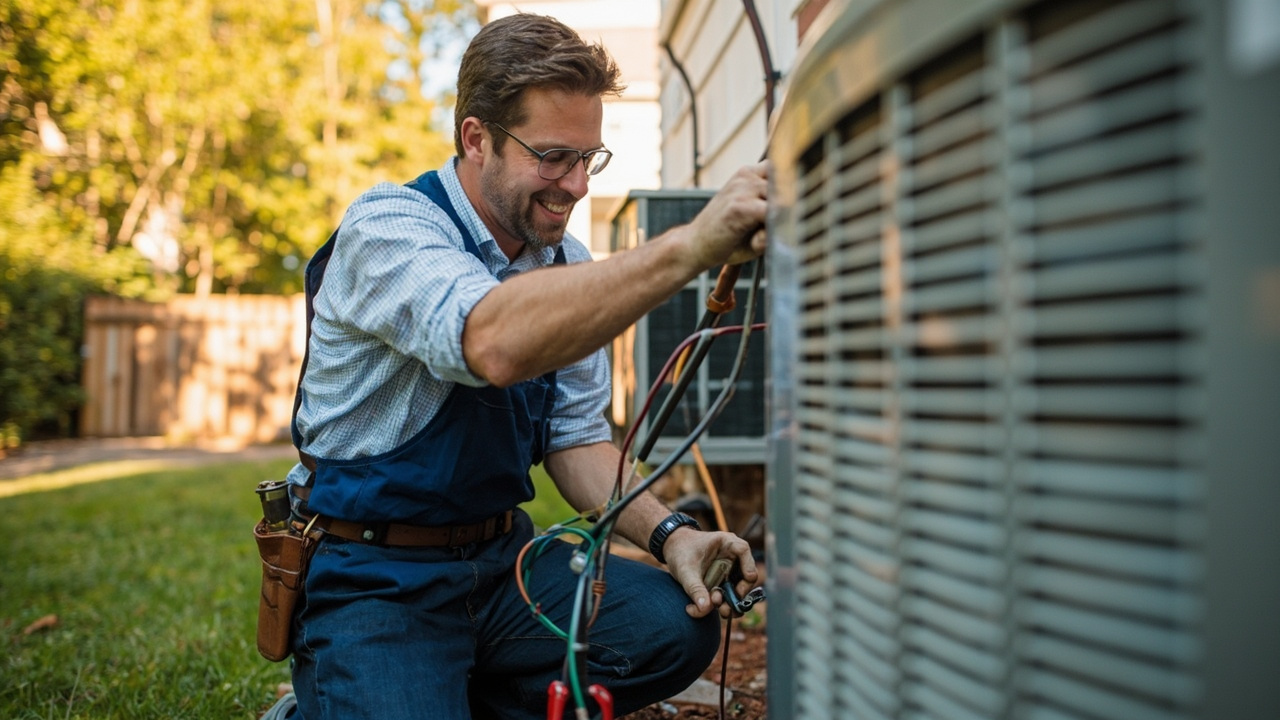
Expert Heat Pump Replacement in Cornelius NCHomeowners in Cornelius face a unique set of weather…
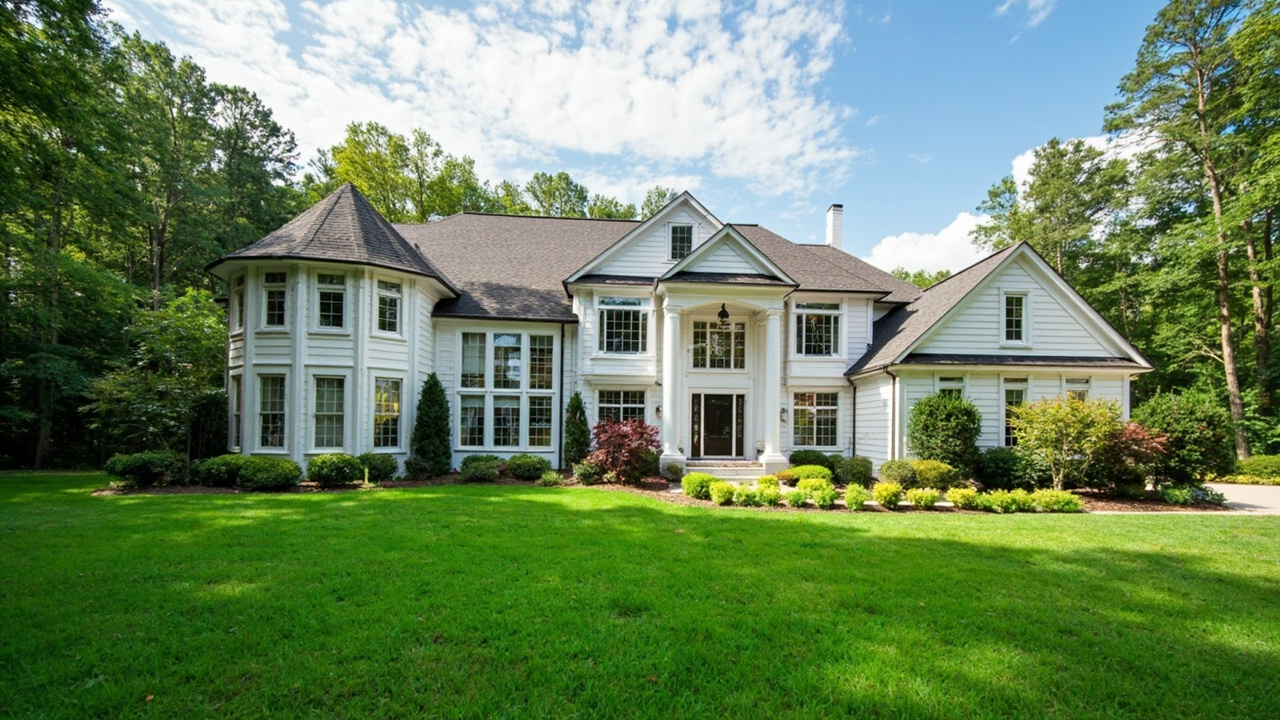
Smart Strategies to Lower Utility Bills for Large Quail Hollow Estates Managing a large estate…
Your comfort matters. Call Keystone HVAC Charlotte at (980) 342-9990 right now for emergency repairs, scheduled maintenance, or new system installation. We answer 24/7 and dispatch technicians fast across Gastonia and Gaston County.