


Salisbury sits in the North Carolina Piedmont where humid summers and unpredictable winters put constant stress on heating and cooling systems. Summer temperatures regularly push past 90 degrees with humidity levels that make your AC work overtime. Winter brings freezing nights and rapid temperature swings that strain heat pumps and furnaces. Many homes in older neighborhoods like Brooklyn and Fulton Heights were built before modern HVAC standards existed. These homes have inadequate ductwork, poor insulation, and outdated equipment that struggles to maintain comfort. Newer developments near Jake Alexander Boulevard and I-85 face different problems. Builders often install the cheapest equipment to meet budget constraints. These systems fail early and cost more to operate. The red clay soil common throughout Rowan County holds moisture around foundations and crawl spaces. This creates humidity problems that force your HVAC system to work harder removing moisture from the air. The combination of climate stress, aging infrastructure, and builder shortcuts means Salisbury homes need HVAC service more often than homes in milder climates.
We built our reputation in Salisbury by showing up when other companies refused to answer the phone. Emergency calls get answered by real technicians, not answering services that promise callbacks that never come. Our service trucks carry extensive parts inventory so we can repair most systems during the first visit. You will not wait days for parts to arrive while your family suffers in the heat or cold. Our technicians receive continuous training on the latest systems, but they also know how to work on older equipment that other companies refuse to touch. Many Salisbury homes still run systems that are 15 or 20 years old. We can keep them running efficiently until you are ready to replace them. We give honest assessments about repair versus replacement decisions. If your system can be fixed affordably, we fix it. If replacement makes more financial sense, we explain why without pressure tactics or inflated urgency. Our pricing stays consistent whether you call at 2 PM or 2 AM. No surprise fees for weekend or evening service. We also understand that Salisbury is a community, not just a service territory. We sponsor youth sports teams, support local schools, and employ technicians who live in the neighborhoods we serve. When you call Keystone HVAC Charlotte, you get neighbors who care about getting it right.

Real technicians answer emergency calls at midnight, on holidays, and during snowstorms. We keep fully stocked trucks ready to roll so you get fast response when your system fails at the worst possible time. No callbacks. No delays. Just immediate help.

We diagnose the actual problem and explain your options clearly. You get transparent pricing before work begins. We never upsell unnecessary repairs or push replacement when a simple fix will restore your comfort. Honesty builds trust that lasts.
Our trucks carry parts for most common repairs so we complete the job during the first visit. You will not suffer through days of waiting for parts to arrive. We fix it right the first time and get your home comfortable fast.
We know how Salisbury's climate, soil conditions, and housing stock affect HVAC performance. Our technicians understand the unique challenges of older homes in established neighborhoods and newer construction near I-85. Local expertise means faster, more accurate solutions.
Your HVAC system works as a complete environment control network, not just a box that blows air. Problems can start in your ductwork, thermostat, outdoor unit, indoor coil, or dozens of other components. We provide complete diagnostic and repair services across all parts of your heating and cooling system. Our approach starts with thorough system evaluation to find the root cause, not just the obvious symptom. A frozen coil might stem from low refrigerant, dirty filters, blocked returns, or failing blower motors. We trace problems to their source so repairs last. Beyond emergency repairs, we provide maintenance, installations, and system upgrades that improve comfort and lower energy bills. Whether you need urgent air conditioning repair on a 95-degree day, central air repair before summer arrives, or complete HVAC service to address recurring problems, we handle the full spectrum of heating and cooling needs across Salisbury.
When your AC stops cooling or your furnace quits heating, you need help now. Our emergency service provides rapid response with fully equipped trucks ready to diagnose and repair most failures during the first visit. We handle refrigerant leaks, compressor failures, blower motor problems, electrical issues, and frozen coils. Our technicians arrive with the parts, tools, and expertise to restore comfort fast. Available 24/7 including weekends and holidays.
Regular maintenance extends system life and prevents expensive emergency failures. Our tune-up service includes coil cleaning, refrigerant level checks, electrical testing, thermostat calibration, and airflow measurement. We catch small problems before they become major repairs. Scheduled maintenance keeps your system running efficiently, lowers energy bills, and ensures reliable performance during extreme weather. Spring and fall service appointments prepare your system for the demanding summer and winter seasons ahead.
Old, inefficient systems eventually reach the point where replacement beats continued repairs. We provide honest assessments about when you have crossed that line. Our installation service includes proper sizing calculations, ductwork evaluation, and equipment selection matched to your home's specific needs. We install high-efficiency heat pumps, air conditioners, and furnaces with warranties that protect your investment. Professional installation ensures your new system delivers the comfort and efficiency you paid for.
Salisbury's climate and housing conditions create predictable HVAC problems that affect comfort and drive up energy costs. High summer humidity forces air conditioners to remove moisture while cooling. This dual demand strains systems and increases wear on compressors and coils. Older homes with inadequate insulation lose conditioned air through attics and crawl spaces, forcing your HVAC system to run constantly. The red clay soil holds moisture that increases humidity in crawl spaces and basements. This moisture migrates into your ductwork and living spaces, making your AC work overtime. Temperature swings between seasons stress heat pumps that handle both heating and cooling. These units work harder than systems in stable climates and fail more often. Ductwork in older homes often leaks conditioned air into attics, crawl spaces, and wall cavities. You pay to heat and cool spaces you do not live in while your actual rooms stay uncomfortable.
When temperatures climb above 90 degrees for days at a time, air conditioners run constantly trying to keep up. This continuous operation strains compressors, motors, and capacitors. Systems that receive no maintenance often fail during the first heat wave. Dirty coils and low refrigerant force the compressor to work harder and generate more heat.
Salisbury's humid climate creates moisture problems inside homes. Your AC removes some humidity, but undersized systems or improper airflow cannot keep up. High indoor humidity promotes mold growth, makes your home feel sticky, and damages wood floors and furniture. Proper system sizing and airflow adjustments solve most humidity problems.
Heat pumps struggle when temperatures drop below freezing. They work by extracting heat from outdoor air, but cold air contains less heat energy to extract. Your system runs longer to maintain indoor temperatures and backup heat strips activate more often. This drives up electric bills and wears out components faster than normal operation.
Ductwork hidden in attics and crawl spaces develops leaks over time. Joints separate, seals fail, and pests create holes. Leaking ducts send 20 to 30 percent of your conditioned air into spaces that do not need it. Your system runs longer, energy bills climb, and rooms stay uncomfortable despite constant operation.
Emergency HVAC problems create stress and discomfort. You need clear answers about what is wrong, how much it will cost, and when you will have comfort again. We eliminate the uncertainty and frustration that comes with system failures. When you contact us, you talk to someone who understands HVAC systems and can answer your questions. We schedule service based on urgency. Emergency calls get immediate dispatch. Routine maintenance and non-urgent repairs fit your schedule. Our technicians arrive on time with fully stocked service vehicles. They wear identification, respect your property, and explain what they find before starting any work. You get transparent pricing before repairs begin so there are no surprises when the job finishes. We walk you through the diagnosis, show you the failed components when possible, and explain your options clearly.
You talk to knowledgeable staff who understand HVAC problems and can answer basic questions during the initial call. We ask about symptoms, system age, and recent performance to prepare our technician before arrival. You get accurate arrival time estimates and text updates when your technician is on the way. Emergency calls receive priority dispatch. Non-urgent service fits your schedule with flexible appointment windows.
Our technicians perform complete system evaluation to identify the root cause of your problem. They test electrical components, measure refrigerant levels, check airflow, and inspect for hidden issues that might cause future failures. You receive clear explanation of what failed, why it failed, and what repairs will prevent recurrence. We provide upfront pricing before starting work. If your system needs replacement instead of repair, we explain why without pressure tactics.
Repairs meet manufacturer specifications and industry standards. We use quality parts backed by warranties. Our technicians clean up completely and test system operation before leaving. You receive documentation of all work performed and recommendations for preventing future problems. Follow-up support remains available if you have questions after service. Our goal is permanent solutions that restore comfort and reliability, not temporary fixes that fail again next month.
HVAC emergencies feel chaotic, but our process stays organized and efficient. We remove uncertainty by following clear steps that get your system fixed fast without cutting corners.
Call or contact us online to describe your problem. We ask targeted questions to understand symptoms and urgency. Emergency calls get immediate technician dispatch. Scheduled service fits your availability. You receive confirmation with arrival time and technician contact information. Our service vehicles carry extensive parts inventory so most repairs complete during the first visit without delays waiting for parts delivery.
Your technician performs complete system evaluation to identify the problem and any related issues. They explain findings in clear language without technical jargon. You receive detailed pricing before any repair work begins. We answer all questions about the diagnosis, repair process, and expected timeline. You decide whether to proceed based on complete information and transparent costs.
Approved repairs proceed immediately using quality parts and proper techniques. Your technician tests system operation thoroughly after completing work. They verify correct temperatures, airflow, and safety controls. You receive documentation of all work performed and guidance about maintaining your system. We clean up completely and answer any final questions before leaving your home.
Proper HVAC system performance depends on correct sizing, installation, and maintenance. Many comfort problems and high energy bills trace back to undersized equipment, poor ductwork design, or inadequate airflow. Manual J load calculations determine the right system size for your home based on square footage, insulation levels, window area, and orientation. Many installers skip these calculations and simply match the old system size. This perpetuates existing problems. Undersized systems run constantly and never reach comfortable temperatures. Oversized systems short-cycle, causing temperature swings and high humidity. Ductwork must deliver proper airflow to each room. North Carolina residential code requires minimum duct sizing based on CFM requirements. Supply registers need 150 to 200 CFM per ton of cooling capacity. Return air requires adequate grille area to prevent system strain. Refrigerant charge must match manufacturer specifications. Low charge reduces cooling capacity and damages compressors. Overcharge reduces efficiency and shortens equipment life. Proper charging requires accurate measurement using superheat or subcooling methods, not just gauge pressure readings. Air filters need correct MERV ratings for your system. High MERV filters trap more particles but restrict airflow if your blower cannot overcome the resistance. Restricted airflow freezes coils and reduces capacity. Most residential systems perform best with MERV 8 to 11 filters changed monthly during heavy use seasons. Thermostat placement affects comfort and efficiency. Thermostats installed on exterior walls or near windows read incorrect temperatures and cause erratic system operation. They belong on interior walls away from direct sunlight, drafts, and heat sources. Humidity control requires proper system sizing and adequate run time. Systems that are too large cool spaces quickly but shut off before removing moisture. Your home feels cold and clammy even though the thermostat shows correct temperature.
Manual J calculations determine correct equipment capacity based on your home's actual heat gain and loss. Systems matched to these calculations maintain comfortable temperatures, control humidity effectively, and operate efficiently. Oversized and undersized systems both create comfort problems and waste energy through improper cycling and inadequate moisture removal.
Repair versus replacement decisions depend on system age, repair frequency, and efficiency losses. Equipment over 15 years old with major component failures often costs less to replace than repair. New systems provide 30 to 40 percent better efficiency than units built before 2010. Installation quality matters more than equipment brand for long-term performance.
Most repairs complete in two to four hours once diagnosis confirms the problem. Complex repairs requiring specialized parts may need follow-up visits. Complete system replacement takes one to two days depending on ductwork modifications and electrical upgrades. Rushed installations sacrifice quality. Proper work takes time to ensure reliable long-term performance.
North Carolina requires permits for HVAC system replacement and major modifications. Permitted work receives inspection to verify proper installation and code compliance. Contractors who skip permits leave you liable for code violations and may void equipment warranties. Proper permitting protects your investment and ensures work meets safety standards.
This video explains common HVAC problems affecting Salisbury, North Carolina homes and how to address them effectively. Topics include climate impact on air conditioning and heating systems, humidity control challenges, ductwork efficiency, proper system sizing using Manual J calculations, and maintenance practices that prevent emergency failures. Viewers learn how Rowan County's weather patterns and housing characteristics create specific HVAC service needs and what solutions work best for lasting comfort and efficiency.
Keystone HVAC Charlotte provides complete heating and air conditioning service throughout Salisbury and surrounding Rowan County communities. We serve established neighborhoods like Brooklyn, Fulton Heights, and West End where older homes require technicians who understand vintage HVAC systems and creative retrofit solutions. These historic areas feature homes built before central air conditioning existed. Ductwork often runs through tight crawl spaces or attics with limited clearance. We know how to work in these challenging spaces without compromising quality. The downtown Salisbury area and surrounding streets contain a mix of renovated historic homes and newer construction. These properties need service providers who respect architectural details while upgrading mechanical systems. We balance modern efficiency with preservation of original character. Neighborhoods along Jake Alexander Boulevard and near I-85 feature newer construction from the past 20 years. These developments often have builder-grade HVAC systems that need frequent service or early replacement. We help homeowners in these areas maximize system life through proper maintenance and make smart replacement decisions when equipment fails. East Salisbury and areas near Salisbury Regional Airport contain a mix of residential and light commercial properties. We handle both residential HVAC service and small commercial applications in this growing part of Rowan County. Communities south toward Gold Hill and west toward Cleveland benefit from our service area coverage. We understand how proximity to High Rock Lake affects humidity levels and HVAC performance. Homes near the water deal with higher moisture loads that stress air conditioning systems. Our service extends north into Spencer and areas near the N.C. Transportation Museum. We also cover Faith, Granite Quarry, and Rockwell to the east. Rural Rowan County properties face unique challenges from well water cooling systems and heat pumps serving homes without natural gas access. Whether your home sits in a dense historic neighborhood near downtown or on acreage outside city limits, we provide the same fast response and expert service.
The $5000 rule is a simple calculation to help you decide between repair or replacement. Multiply the age of your HVAC system by the repair cost. If the total exceeds $5000, replacement makes more financial sense. For example, if your system is 12 years old and the repair costs $500, that equals $6000, which signals replacement time. In Salisbury, where high humidity and temperature swings stress equipment year-round, older systems often fail repeatedly. This rule helps you avoid throwing money at a dying unit when a new, energy-efficient system delivers better long-term value.
Most HVAC jobs in Salisbury range widely based on scope. Simple repairs like capacitor replacements or thermostat fixes run lower, while compressor replacements or full system installs cost significantly more. The local climate plays a role. High humidity and summer heat mean air conditioning components work harder and fail more often. Ductwork repairs or modifications add expense, especially in older homes with leaky or undersized ducts. The best approach is to get a detailed diagnostic from a licensed technician who can identify the exact problem and provide transparent pricing based on your home's specific needs.
The cost of an HVAC system depends on size, efficiency rating, and installation complexity. Systems for average Salisbury homes typically include both heating and cooling components. Higher SEER ratings mean better energy efficiency but higher upfront costs. Your home's square footage, insulation quality, and ductwork condition all affect final pricing. Split systems are common in this area, pairing an outdoor condenser with an indoor air handler or furnace. Variables like two-story layouts, zoning requirements, or replacing old ductwork increase the investment. Always factor in long-term energy savings when evaluating system options for our humid North Carolina climate.
The $5000 rule is a simple calculation to help you decide between repair or replacement. Multiply the age of your HVAC system by the repair cost. If the total exceeds $5000, replacement makes more financial sense. For example, if your system is 12 years old and the repair costs $500, that equals $6000, which signals replacement time. In Salisbury, where high humidity and temperature swings stress equipment year-round, older systems often fail repeatedly. This rule helps you avoid throwing money at a dying unit when a new, energy-efficient system delivers better long-term value.
Most HVAC jobs in Salisbury range widely based on scope. Simple repairs like capacitor replacements or thermostat fixes run lower, while compressor replacements or full system installs cost significantly more. The local climate plays a role. High humidity and summer heat mean air conditioning components work harder and fail more often. Ductwork repairs or modifications add expense, especially in older homes with leaky or undersized ducts. The best approach is to get a detailed diagnostic from a licensed technician who can identify the exact problem and provide transparent pricing based on your home's specific needs.
The cost of an HVAC system depends on size, efficiency rating, and installation complexity. Systems for average Salisbury homes typically include both heating and cooling components. Higher SEER ratings mean better energy efficiency but higher upfront costs. Your home's square footage, insulation quality, and ductwork condition all affect final pricing. Split systems are common in this area, pairing an outdoor condenser with an indoor air handler or furnace. Variables like two-story layouts, zoning requirements, or replacing old ductwork increase the investment. Always factor in long-term energy savings when evaluating system options for our humid North Carolina climate.
Installing AC in a 2000 square foot house in Salisbury depends on several factors. You need proper tonnage, usually 3 to 4 tons for this size, to handle our humid summers. Existing ductwork condition matters. If ducts are absent or damaged, installation costs rise. Two-story homes often require zoning for balanced comfort. The SEER rating you choose affects both upfront cost and monthly energy bills. Homes in historic Salisbury neighborhoods may need creative solutions for ductwork routing. A load calculation determines exact tonnage based on insulation, windows, and sun exposure. Skip the guesswork and get a professional assessment first.
A 4000 square foot home needs a larger system, typically 5 to 7 tons of cooling capacity, depending on layout and insulation. Salisbury's climate demands reliable cooling and heating due to temperature extremes and humidity. Larger homes often benefit from zoned systems that control temperature by area, improving comfort and efficiency. Installation complexity increases with square footage. Multi-story homes, high ceilings, or poor insulation drive costs higher. Ductwork design becomes critical at this scale. Undersized systems run constantly and fail early, while oversized units cycle too frequently and waste energy. Professional load calculations ensure proper sizing for your specific home.
The 3-minute rule protects your compressor from damage. After your AC shuts off, wait at least 3 minutes before restarting it. This allows refrigerant pressure to equalize throughout the system. Restarting too quickly forces the compressor to start against high pressure, which strains the motor and can cause premature failure. In Salisbury's hot, humid climate, homeowners sometimes fiddle with thermostats frequently, which triggers short cycling. Modern systems often have built-in delay timers for protection. If your AC trips breakers or struggles to start, the compressor may already be stressed. Respect the 3-minute rule to extend equipment life.
Most HVAC systems last 15 to 20 years with proper maintenance. Salisbury's humid climate and temperature swings accelerate wear on components like compressors, coils, and blower motors. Systems that run year-round for both heating and cooling age faster than those in milder climates. Poor maintenance shortens lifespan dramatically. Dirty filters force the blower to work harder. Clogged condensers reduce efficiency and overheat compressors. Annual tune-ups catch small problems before they become expensive failures. If your system is over 15 years old and needing frequent repairs, replacement often makes more sense than continued Band-Aid fixes.
The most common repairs involve capacitors, contactors, and refrigerant leaks. Capacitors start the compressor and blower motors but fail frequently in hot climates like Salisbury. Contactors act as electrical switches and wear out from constant cycling. Refrigerant leaks reduce cooling capacity and damage compressors if ignored. Dirty evaporator coils freeze up, blocking airflow. Blower motor failures happen in older systems. Thermostat malfunctions cause erratic operation. Clogged condensate drains back up and trigger shutdowns. Ignition problems plague furnaces. Many repairs are preventable with annual maintenance that catches worn parts before they fail during the hottest or coldest days.
HVAC technician pay varies by experience, certification, and specialization. Experienced technicians with EPA certification, NATE credentials, and commercial experience earn the highest hourly rates. Master-level techs who handle complex diagnostics, large commercial systems, or specialized equipment like chillers command premium pay. In North Carolina, wages reflect regional cost of living and demand for skilled labor. Technicians who work emergency calls, weekends, or on-call shifts often earn more. Those with sheet metal fabrication skills, control system expertise, or refrigeration specialization also see higher pay. Entry-level helpers start lower but advance quickly with training and certification.
The best HVAC brand depends on your priorities and budget. Reliable manufacturers include Carrier, Trane, Lennox, Rheem, and Goodman. Each offers different warranty coverage, efficiency levels, and price points. In Salisbury's humid climate, choose systems with good moisture control and proven compressor reliability. Higher SEER ratings save energy long-term. The brand matters less than proper installation and sizing. A perfectly installed mid-tier system outperforms a poorly installed premium unit every time. Match the equipment to your home's specific load requirements. Work with a licensed contractor who stands behind their installation work, not just the brand name.
Installing AC in a 2000 square foot house in Salisbury depends on several factors. You need proper tonnage, usually 3 to 4 tons for this size, to handle our humid summers. Existing ductwork condition matters. If ducts are absent or damaged, installation costs rise. Two-story homes often require zoning for balanced comfort. The SEER rating you choose affects both upfront cost and monthly energy bills. Homes in historic Salisbury neighborhoods may need creative solutions for ductwork routing. A load calculation determines exact tonnage based on insulation, windows, and sun exposure. Skip the guesswork and get a professional assessment first.
A 4000 square foot home needs a larger system, typically 5 to 7 tons of cooling capacity, depending on layout and insulation. Salisbury's climate demands reliable cooling and heating due to temperature extremes and humidity. Larger homes often benefit from zoned systems that control temperature by area, improving comfort and efficiency. Installation complexity increases with square footage. Multi-story homes, high ceilings, or poor insulation drive costs higher. Ductwork design becomes critical at this scale. Undersized systems run constantly and fail early, while oversized units cycle too frequently and waste energy. Professional load calculations ensure proper sizing for your specific home.
The 3-minute rule protects your compressor from damage. After your AC shuts off, wait at least 3 minutes before restarting it. This allows refrigerant pressure to equalize throughout the system. Restarting too quickly forces the compressor to start against high pressure, which strains the motor and can cause premature failure. In Salisbury's hot, humid climate, homeowners sometimes fiddle with thermostats frequently, which triggers short cycling. Modern systems often have built-in delay timers for protection. If your AC trips breakers or struggles to start, the compressor may already be stressed. Respect the 3-minute rule to extend equipment life.
Most HVAC systems last 15 to 20 years with proper maintenance. Salisbury's humid climate and temperature swings accelerate wear on components like compressors, coils, and blower motors. Systems that run year-round for both heating and cooling age faster than those in milder climates. Poor maintenance shortens lifespan dramatically. Dirty filters force the blower to work harder. Clogged condensers reduce efficiency and overheat compressors. Annual tune-ups catch small problems before they become expensive failures. If your system is over 15 years old and needing frequent repairs, replacement often makes more sense than continued Band-Aid fixes.
The most common repairs involve capacitors, contactors, and refrigerant leaks. Capacitors start the compressor and blower motors but fail frequently in hot climates like Salisbury. Contactors act as electrical switches and wear out from constant cycling. Refrigerant leaks reduce cooling capacity and damage compressors if ignored. Dirty evaporator coils freeze up, blocking airflow. Blower motor failures happen in older systems. Thermostat malfunctions cause erratic operation. Clogged condensate drains back up and trigger shutdowns. Ignition problems plague furnaces. Many repairs are preventable with annual maintenance that catches worn parts before they fail during the hottest or coldest days.
HVAC technician pay varies by experience, certification, and specialization. Experienced technicians with EPA certification, NATE credentials, and commercial experience earn the highest hourly rates. Master-level techs who handle complex diagnostics, large commercial systems, or specialized equipment like chillers command premium pay. In North Carolina, wages reflect regional cost of living and demand for skilled labor. Technicians who work emergency calls, weekends, or on-call shifts often earn more. Those with sheet metal fabrication skills, control system expertise, or refrigeration specialization also see higher pay. Entry-level helpers start lower but advance quickly with training and certification.
The best HVAC brand depends on your priorities and budget. Reliable manufacturers include Carrier, Trane, Lennox, Rheem, and Goodman. Each offers different warranty coverage, efficiency levels, and price points. In Salisbury's humid climate, choose systems with good moisture control and proven compressor reliability. Higher SEER ratings save energy long-term. The brand matters less than proper installation and sizing. A perfectly installed mid-tier system outperforms a poorly installed premium unit every time. Match the equipment to your home's specific load requirements. Work with a licensed contractor who stands behind their installation work, not just the brand name.
Keystone proudly serves homes and businesses throughout Charlotte and nearby areas. Whether you’re looking for fast repairs, expert installations, or seasonal HVAC maintenance, our team is just a call away. Use the map below to locate our service area or office location, and don’t hesitate to reach out if you have questions. We’re committed to making your experience seamless from the first call to the final service. Let us show you why we’re Charlotte’s go-to HVAC experts.
Address:
Salisbury, NC, 28144

Waxhaw is growing at a fast pace. New residential projects are popping up from the edges of the historic village to the sprawling developments near the state line. If you are building a custom home…
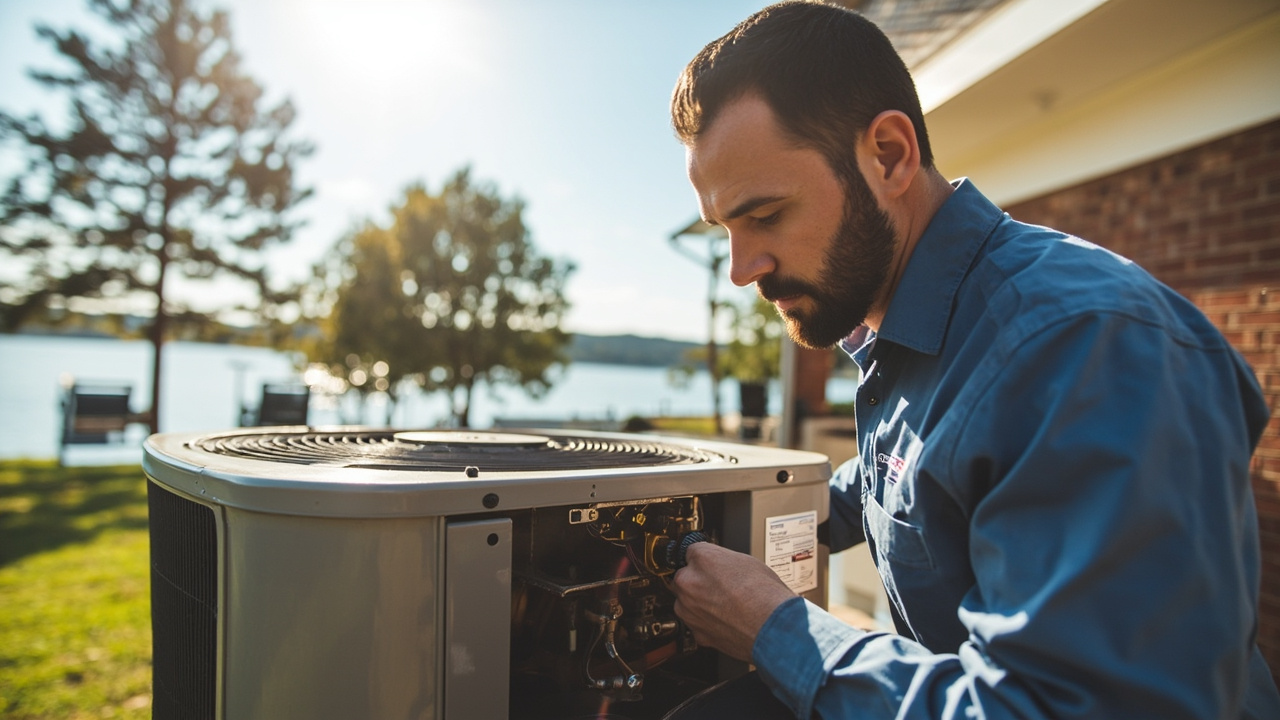
Living in Davidson during a North Carolina summer means dealing with heavy humidity and temperatures…
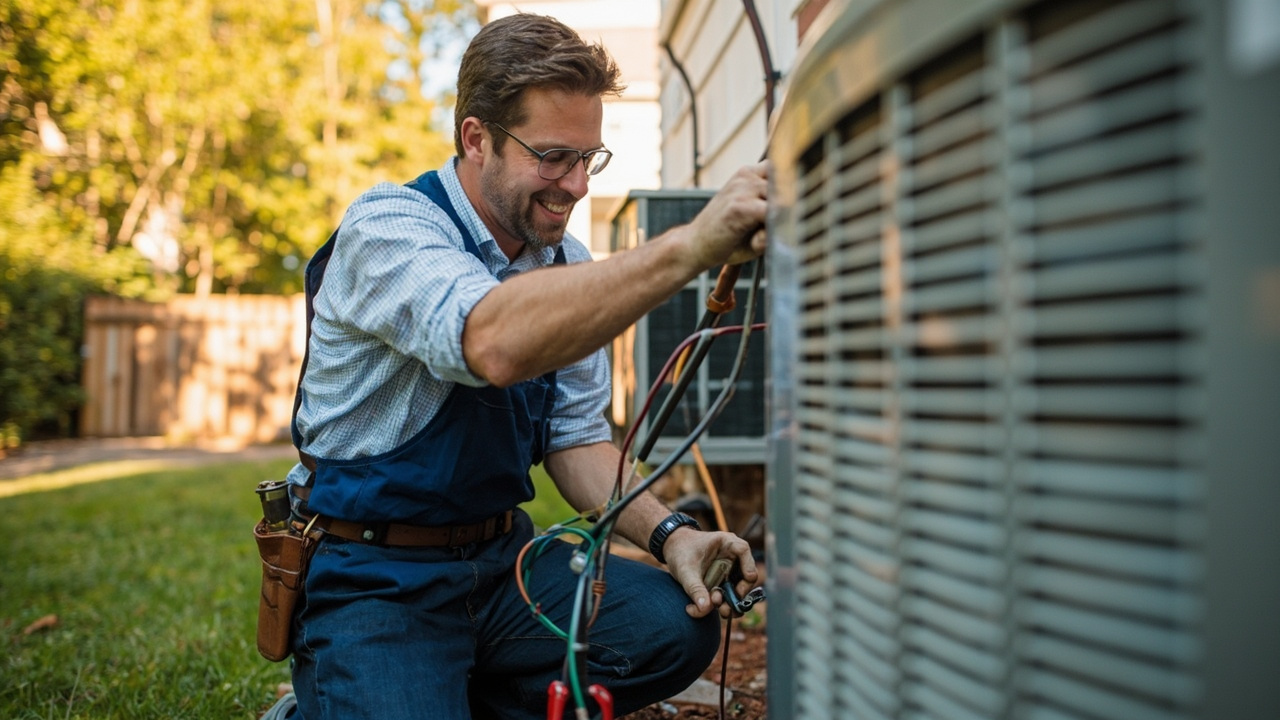
Expert Heat Pump Replacement in Cornelius NCHomeowners in Cornelius face a unique set of weather…
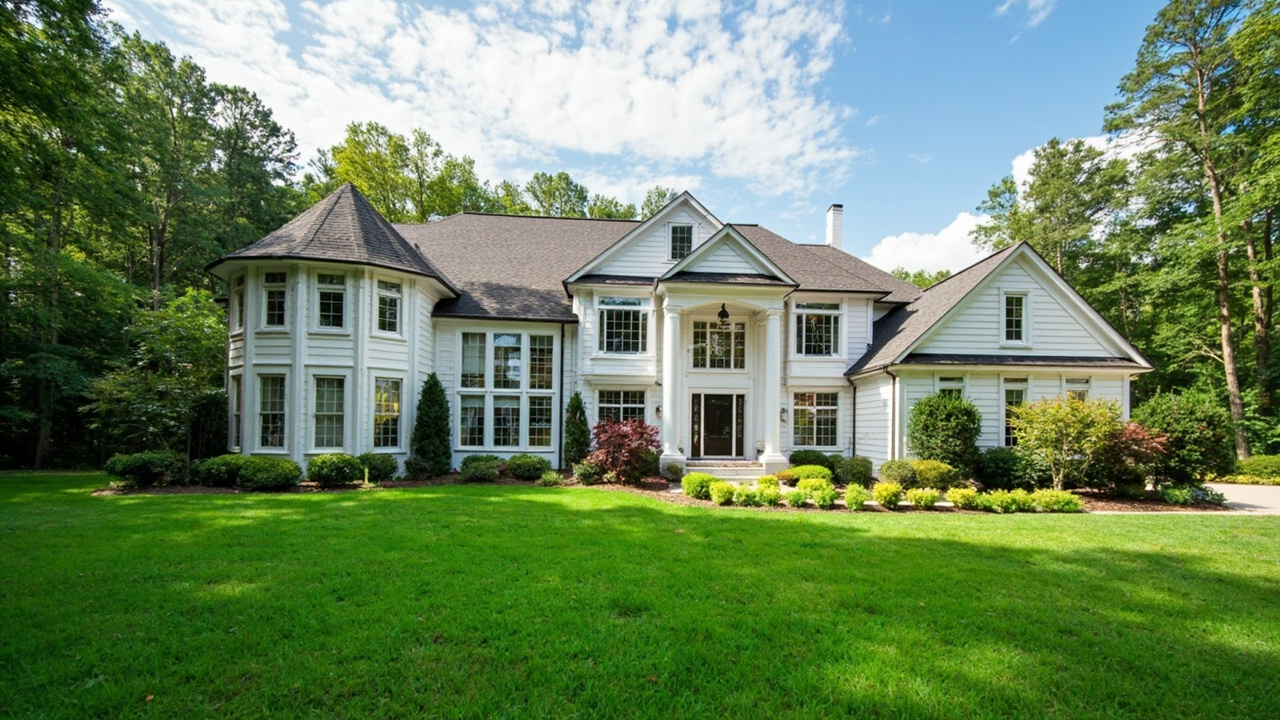
Smart Strategies to Lower Utility Bills for Large Quail Hollow Estates Managing a large estate…
Your comfort cannot wait. Call (980) 342-9990 now for immediate service or schedule maintenance at your convenience. Our technicians are ready to diagnose your system, provide honest recommendations, and restore reliable heating and cooling to your Salisbury home.