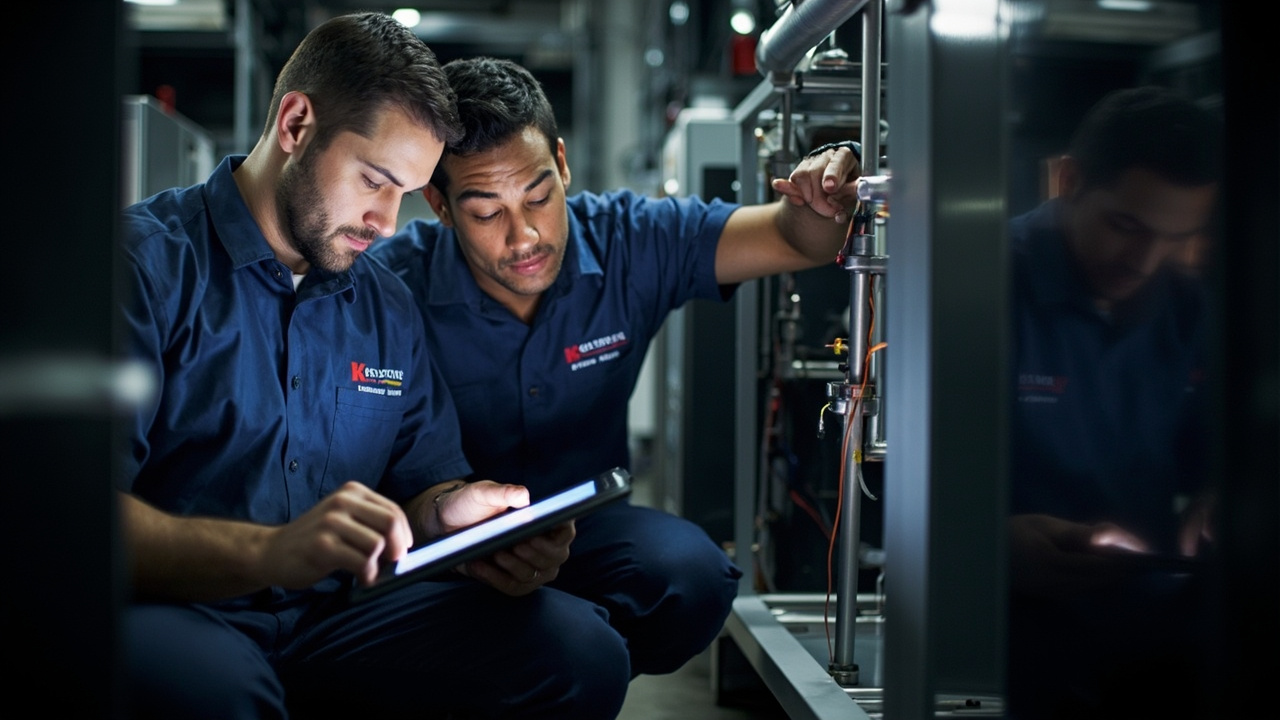
Charlotte ranks among the fastest-growing metro areas in the Southeast, with commercial construction transforming former residential neighborhoods into mixed-use districts. This rapid development strains existing utility infrastructure in ways that affect your heating reliability. South End and Plaza Midwood saw gas main capacity expansions within the past five years to handle increased demand. Buildings connected to older distribution systems experience pressure drops during peak heating days when temperatures fall below 25 degrees. Your commercial heating system may have worked perfectly for a decade, but new construction on your street changes the supply equation. Industrial heating services now require pressure monitoring and potential regulator upgrades that were unnecessary when your building stood alone. This infrastructure reality makes local commercial heating contractors essential because they track these utility changes and proactively address capacity issues before they cause operational failures.
Charlotte's commercial heating companies that maintain long-term relationships with Mecklenburg County's building inspection department navigate permitting efficiently. Commercial heating solutions requiring mechanical permits must meet current code even when replacing grandfathered equipment. The 2018 North Carolina Mechanical Code adoption changed combustion air requirements for enclosed boiler rooms and rooftop equipment. Inspectors familiar with contractors who consistently meet standards expedite approvals. This relationship value extends to emergency repairs requiring same-day inspection sign-off. When your heating system fails on a Friday afternoon, connections with local inspectors mean the difference between weekend restoration and Monday morning delays. Businesses throughout University Research Park, Charlotte Douglas corridor, and Steele Creek industrial areas depend on contractors who maintain these professional relationships for responsive, compliant commercial HVAC heating services.