menu

Rapid Response Cooling in Charlotte – 24/7 Emergency AC Repair with Under 60-Minute Dispatch

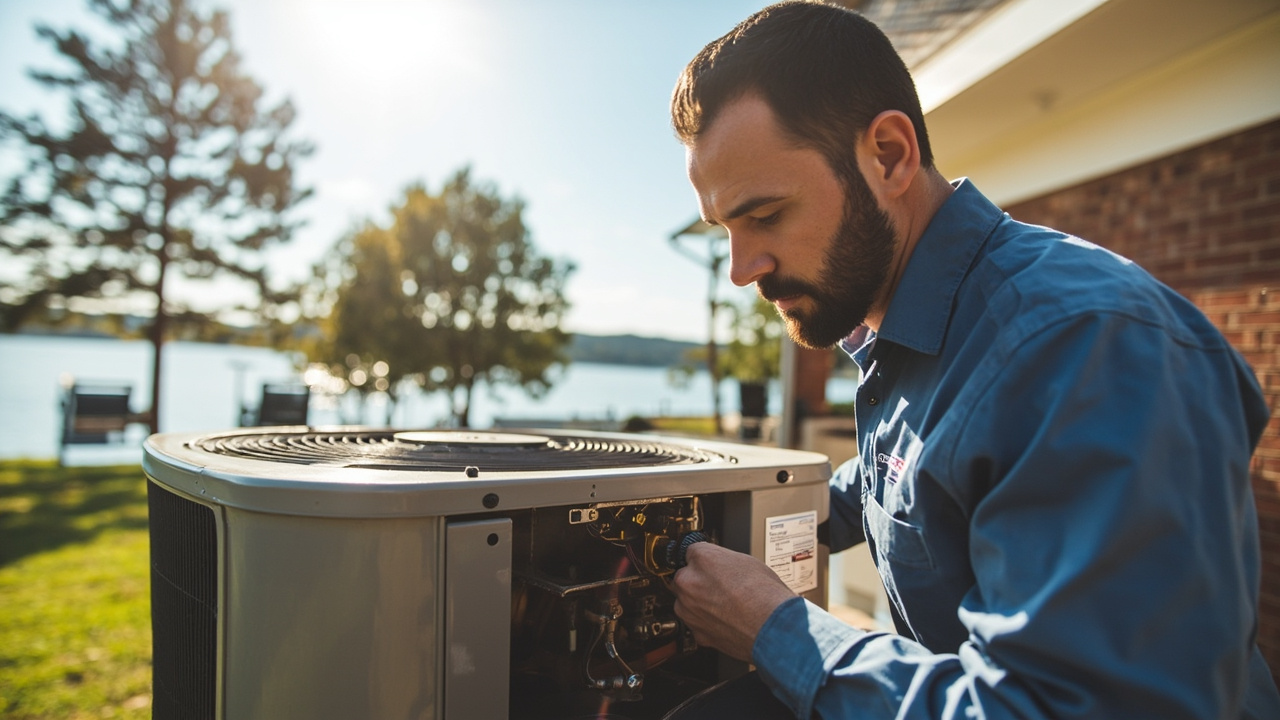
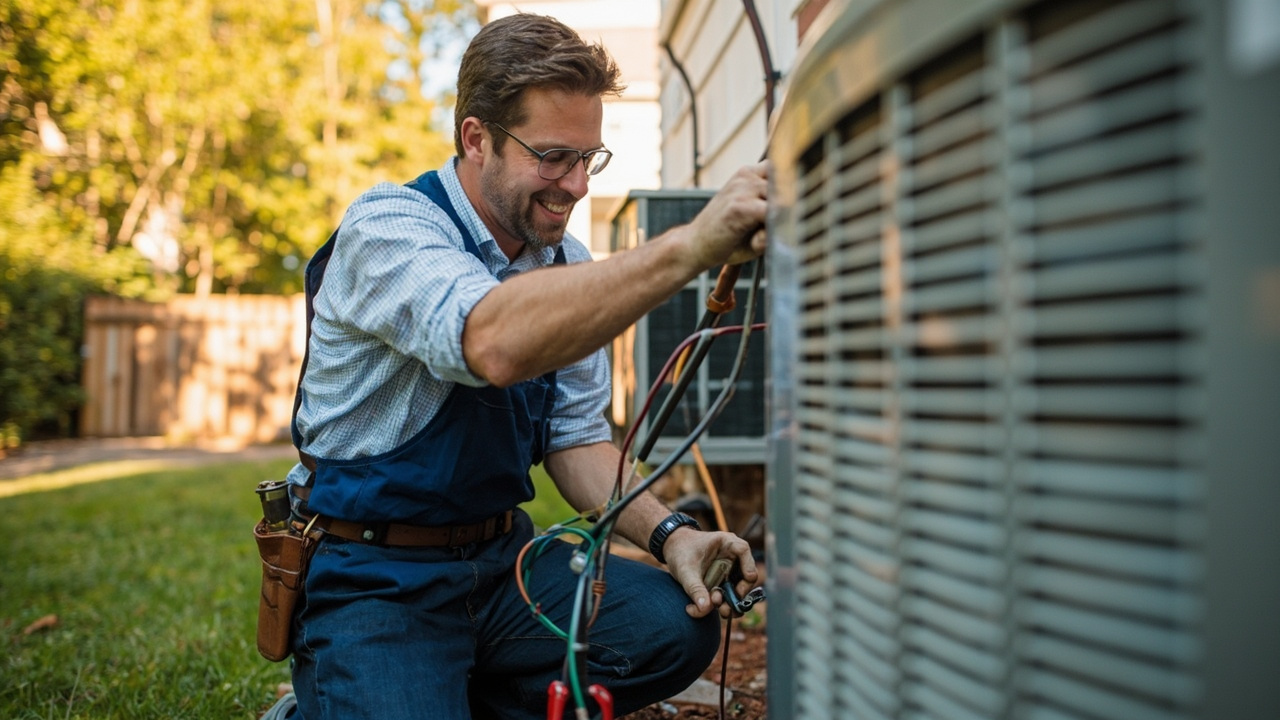
When your air conditioning fails during a Charlotte heat wave, you need immediate cooling restoration. Our rapid response cooling service delivers expert emergency AC repair with around-the-clock availability and technicians who arrive fast, diagnose accurately, and restore comfort before heat stress becomes a safety issue.

Slider Image 1
Slider Image 2
Slider Image 3
Slider Image 4
Slider Image 5
Slider Image 7
Slider Image 8
Slider Image 9
Slider Image 10
Slider Image 11

When Your AC Fails in Charlotte's Heat and Humidity

Charlotte's summer climate creates dangerous conditions when air conditioning systems fail. With temperatures regularly exceeding 95 degrees and humidity levels pushing 80 percent, indoor temperatures can climb to unsafe levels within 30 minutes of system failure. This combination of heat and moisture creates a hostile environment for children, elderly residents, and pets.

Emergency AC repair becomes critical when you consider how quickly heat exhaustion can develop. Your body loses its ability to cool itself when ambient temperatures exceed 90 degrees with high humidity. Sweat stops evaporating effectively, and core body temperature rises. Within two hours, you face legitimate health risks.

The thermal mass of Charlotte homes compounds the problem. Brick exteriors and attic spaces absorb heat throughout the day, radiating it inward for hours after sunset. Once your cooling system fails, your home becomes a heat trap. You cannot simply open windows and wait for cooler air. The outdoor temperature stays above 75 degrees until after midnight during July and August.

Immediate AC service prevents this cascade. When you notice warm air from vents, unusual noises from your outdoor unit, or complete system shutdown, you need a technician dispatched within the hour. Delaying emergency HVAC cooling repair allows minor failures like capacitor burnout or refrigerant leaks to escalate into compressor damage. A $300 urgent air conditioning service call becomes a $3,000 replacement when you wait overnight.

The 24/7 cooling repair approach prioritizes speed and accuracy. Your comfort and safety depend on both.

When Your AC Fails in Charlotte's Heat and Humidity
How Emergency AC Diagnosis Works Under Pressure

How Emergency AC Diagnosis Works Under Pressure

Rapid response cooling requires a different diagnostic approach than scheduled maintenance. You need answers in minutes, not hours. Our technicians carry diagnostic tools in every service vehicle, including manifold gauge sets, digital multimeters, infrared thermometers, and refrigerant leak detectors. This eliminates return trips for specialized equipment.

The emergency diagnostic protocol follows a decision tree based on symptom presentation. If your system runs but produces warm air, we check refrigerant pressures first. Low suction pressure indicates insufficient refrigerant charge or a restriction in the liquid line. High discharge pressure points to condenser coil blockage or a failing compressor. We measure these values against manufacturer specifications for your specific model and outdoor temperature.

If your system fails to start, we test electrical components systematically. The contactor receives voltage testing first, followed by the dual run capacitor. Capacitor failure accounts for 60 percent of no-start conditions in Charlotte due to the electrical stress from constant cycling during high-demand periods. A failing capacitor shows reduced microfarad readings or visible bulging on the case.

Compressor amperage draw tells us whether the motor operates within normal parameters. Elevated amperage indicates mechanical resistance inside the compressor, often from bearing wear or refrigerant flooding. Reduced amperage suggests weak starting components or internal electrical failures.

We check airflow across the evaporator coil using temperature differential measurements. Supply air should measure 18 to 22 degrees cooler than return air when the system operates correctly. Reduced differential indicates restricted airflow from a clogged filter or frozen coil.

This systematic approach identifies the root cause quickly, allowing us to present you with repair options while the problem remains fresh in your mind.

What Happens During Your Emergency Call

Rapid Response Cooling in Charlotte – 24/7 Emergency AC Repair with Under 60-Minute Dispatch
01

Immediate Call Assessment

When you call our emergency line, you speak directly with an HVAC technician, not an answering service. We ask specific questions about your symptoms: Is the outdoor unit running? Do you hear clicking from the thermostat? Is any air moving through vents? These answers help us pre-stage the correct parts and tools before departure. We provide an arrival window within 60 minutes and text you when the technician is 15 minutes away.
02

On-Site Diagnosis and Options

The technician performs a complete system evaluation starting with safety checks on electrical connections and refrigerant pressures. We identify the failed component and explain what caused the failure. You receive transparent pricing for the repair before any work begins. If your system requires a part we do not carry, we provide temporary cooling solutions while expediting the order. Most emergency AC repairs in Charlotte complete within 90 minutes of arrival.
03

System Testing and Verification

After completing the repair, we run your system through a full cooling cycle while monitoring pressures, temperatures, and electrical draw. We verify correct refrigerant charge using superheat or subcooling calculations based on your metering device type. The system must achieve the proper temperature differential and maintain stable pressures before we leave. You receive documentation of all measurements and a 30-day warranty on emergency repair work.

Why Charlotte Residents Choose Local Emergency HVAC Technicians

Emergency cooling repair requires intimate knowledge of how Charlotte's specific conditions affect HVAC performance. Technicians who understand local climate patterns diagnose problems faster and more accurately than those following generic troubleshooting procedures.

Charlotte's summer weather creates unique failure modes. The combination of sustained high temperatures and afternoon thunderstorms stresses electrical components differently than dry heat or moderate humidity alone. Contactors and capacitors fail at higher rates here because they cycle frequently to maintain temperature during the day, then experience voltage fluctuations from lightning activity in the evening. A technician familiar with this pattern checks these components first during emergency calls.

The clay soil throughout Mecklenburg County affects outdoor unit installation and performance. Clay expands when wet and contracts when dry, causing concrete pads to shift and tilt over time. This misalignment strains refrigerant line connections and can cause vibration-related compressor damage. Local technicians recognize these installation issues immediately and factor them into diagnostic procedures.

Keystone HVAC Charlotte maintains relationships with parts suppliers throughout the metro area. When your system needs an uncommon component, we can source it locally rather than waiting for overnight shipping. This network includes commercial HVAC suppliers in the University area and specialized refrigeration wholesalers near Charlotte Douglas International Airport. Emergency repairs that might take three days elsewhere complete the same day here.

Our technicians also understand Charlotte's building code requirements for emergency disconnect placement, refrigerant line protection, and condensate drain termination. We ensure all repair work maintains compliance with local mechanical codes, protecting you from future inspection issues if you sell your home.

Choosing a local provider means choosing someone who understands your home's specific challenges and has the relationships to solve problems quickly.

What Emergency AC Repair Includes

Response Time and Availability

Our emergency cooling repair service operates 24 hours per day, 365 days per year, including holidays. You receive a committed arrival window within 60 minutes of your call during standard evening hours and within 90 minutes for late-night emergencies after 11 PM. Technicians carry the most common failure components in their service vehicles, including contactors, capacitors, thermostats, and blower motors. This parts inventory allows us to complete most repairs during the initial visit. If your system requires refrigerant, we stock R-410A and R-22 in every vehicle. You do not wait days for parts orders on common failures.

Diagnostic Process and Transparency

Every emergency call begins with a complete system evaluation, not just the obvious problem. We test electrical voltage at the disconnect, measure refrigerant pressures at the service ports, check amperage draw on the compressor and blower motor, and evaluate airflow across the evaporator coil. This comprehensive approach identifies underlying issues that could cause future failures. You receive a written diagnostic report showing all measurements and explaining what they indicate about system health. We present repair options with transparent pricing before starting any work. If multiple components need attention, we prioritize based on safety and system functionality, allowing you to make informed decisions about immediate versus deferred repairs.

Repair Quality and Standards

Emergency repairs meet the same quality standards as scheduled service. We use OEM-equivalent parts that match or exceed manufacturer specifications. Refrigerant charging follows the superheat method for fixed-orifice metering devices and the subcooling method for thermostatic expansion valves, ensuring correct charge regardless of outdoor temperature. Electrical connections receive proper torque specifications using calibrated tools, and all refrigerant connections undergo leak testing with electronic detectors before system startup. The technician verifies correct operation by measuring supply air temperature, checking temperature differential across the evaporator coil, and confirming the system maintains stable pressures through a complete cooling cycle. You receive documentation of all final measurements.

Post-Repair Support

Emergency repairs include a 30-day warranty on parts and labor. If the same component fails within this period, we return at no additional charge to diagnose why the failure recurred. This warranty protects you from hidden problems that might not show symptoms during the initial repair. We also provide guidance on system maintenance that prevents future emergency situations. This includes recommendations on filter replacement frequency based on your home's conditions, signs of developing problems you can monitor, and seasonal maintenance that extends equipment life. If your system shows signs of age-related decline during the emergency repair, we discuss replacement options and timing, helping you avoid future midnight failures during heat waves.

Frequently Asked Questions

You Have Questions,
We Have Answers

What is the $5000 AC rule? +

The $5000 AC rule is an IRS guideline for emergency HVAC replacements. If your AC system fails and the repair cost exceeds 50% of the replacement value, you may need to replace the entire unit rather than claim it as a repair expense. For Charlotte homeowners, this matters during tax season. A repair is immediately deductible for rental properties, but a replacement must be depreciated over time. If your system dies during a summer heatwave, get multiple quotes. The rule helps you decide whether to patch an aging unit or invest in a new energy-efficient system that handles our humid climate better.

What is the 3 minute rule for AC? +

The 3 minute rule prevents compressor damage during AC operation. After your system shuts off, wait at least 3 minutes before restarting it. This allows refrigerant pressure to equalize throughout the system. If you restart too quickly, the compressor works against high pressure, causing strain and potential failure. In Charlotte's long cooling season, compressor longevity matters. Your thermostat should have built-in delay protection, but if you are manually cycling power during an emergency or troubleshooting, always wait. Ignoring this rule can turn a minor issue into a $2000 compressor replacement. Patience protects your investment.

How cool should my house be if it's 100 outside? +

When Charlotte hits 100 degrees, your AC should maintain 75-78 degrees indoors. Anything cooler strains the system because residential units are designed to cool about 20-25 degrees below outside temperature. On extreme heat days, do not set your thermostat to 68 and expect miracles. You will overwork the compressor, spike your energy bill, and risk system failure when you need it most. Close blinds, run ceiling fans, and accept that 76 degrees is comfortable during a heatwave. If your system cannot reach 78 degrees when it is 100 outside, you have a refrigerant leak or failing compressor. Call for emergency service immediately.

How much do HVAC technicians charge per hour? +

HVAC technicians in Charlotte typically charge $75-150 per hour for standard service calls, with emergency rates reaching $150-250 per hour. The wide range depends on timing, company overhead, and technician certification level. Emergency calls during nights, weekends, or holidays command premium rates because you need immediate relief. Parts are extra. A refrigerant recharge, blower motor replacement, or capacitor swap adds material costs on top of labor. Before agreeing to repairs, ask for a flat-rate quote instead of hourly billing. This protects you from surprise bills. During a system failure, get the total cost upfront before authorizing work.

Can I write off my new AC unit on my taxes? +

You can write off a new AC unit if it qualifies as a medical necessity, home improvement for rental property, or business expense. Personal residences rarely qualify unless a doctor prescribes climate control for a medical condition. Rental property owners can depreciate the cost over 27.5 years or claim Section 179 deductions in some cases. The Inflation Reduction Act offers federal tax credits up to $2000 for high-efficiency heat pumps and central AC units that meet efficiency standards. Charlotte homeowners should ask their tax advisor about energy efficiency credits when replacing failed systems. Keep all receipts and manufacturer certifications for your return.

Is a 3 ton AC too big for 1500 square feet? +

A 3 ton AC unit is appropriate for most 1500 square foot homes in Charlotte, but sizing depends on insulation, ceiling height, window count, and sun exposure. The general rule is 400-600 square feet per ton. Oversized units short-cycle, running briefly without removing humidity. This leaves your home clammy despite cool air. Undersized units run constantly, never reaching set temperature during July and August heat. Charlotte's humidity makes proper sizing critical. A Manual J load calculation determines exact tonnage needs. If your current 3 ton system struggles, the problem is likely ductwork leaks, poor insulation, or refrigerant loss, not tonnage. Get a load calculation before replacing equipment.

How Charlotte's Climate Creates AC Emergencies

Charlotte experiences an average of 44 days per year with temperatures above 90 degrees, concentrated between June and August. This sustained heat forces air conditioning systems to run 12 to 16 hours daily, creating electrical and mechanical stress that accelerates component wear. The humidity compounds the problem by reducing heat transfer efficiency across condenser coils. Your outdoor unit must work harder to reject heat when the air already carries substantial moisture. This combination explains why capacitor failures and compressor overheating occur more frequently here than in drier climates with similar temperatures. Emergency AC repair demand peaks during July when consecutive 95-degree days push aging systems past their operational limits.

Charlotte's afternoon thunderstorm pattern from May through September creates voltage fluctuations that damage sensitive electronic components in modern HVAC systems. Lightning strikes miles away can send surges through power lines, destroying control boards and capacitors instantly. Local HVAC technicians recognize these weather-related failure patterns and check surge-sensitive components first during emergency calls. Understanding these regional factors separates competent emergency service from generic troubleshooting. Keystone HVAC Charlotte technicians live and work in this climate year-round, giving them practical experience with how Charlotte weather affects system reliability and longevity.
HVAC Services in The Charlotte Area

Keystone proudly serves homes and businesses throughout Charlotte and nearby areas. Whether you’re looking for fast repairs, expert installations, or seasonal HVAC maintenance, our team is just a call away. Use the map below to locate our service area or office location, and don’t hesitate to reach out if you have questions. We’re committed to making your experience seamless from the first call to the final service. Let us show you why we’re Charlotte’s go-to HVAC experts.

Address:
Keystone HVAC Charlotte, 6000 Fairview Rd, Charlotte, NC, 28210

Additional Services We Offer

Our news updates

Latest Articles & News from The Blogs

Expert Heat Pump Replacement in Cornelius NCHomeowners in Cornelius face a unique set of weather challenges. The moisture coming off…

Heat Pump Replacement Services in Cornelius and Lake Norman

Expert Heat Pump Replacement in Cornelius NCHomeowners in Cornelius face a unique set of weather challenges. The moisture coming off…

Smart Strategies to Lower Utility Bills for Large Quail Hollow Estates

Smart Strategies to Lower Utility Bills for Large Quail Hollow Estates Managing a large estate in the Quail Hollow neighborhood…

Oakhurst families need furnace heat exchanger inspections before the first cold snap

Oakhurst families need furnace heat exchanger inspections before the first cold snapThe transition from the humid Charlotte summer to the…

Contact Us

Your AC emergency cannot wait until tomorrow. Call (980) 342-9990 now for immediate dispatch. Our technicians are standing by with fully stocked service vehicles ready to restore your cooling system. We answer emergency calls 24/7 and provide arrival times within the hour.