menu

Winterizing Your HVAC System in Charlotte | Expert Heating Preparation Before the First Cold Snap

Get your heating system ready for Charlotte's unpredictable winter weather with professional winterizing services that prevent breakdowns, reduce energy waste, and keep your family comfortable when temperatures drop overnight.

Slider Image 1
Slider Image 2
Slider Image 3
Slider Image 4
Slider Image 5
Slider Image 7
Slider Image 8
Slider Image 9
Slider Image 10
Slider Image 11

Why Charlotte's Mild Winters Make HVAC Winterization Easy to Ignore

Charlotte homeowners often skip preparing hvac for winter because the weather seems manageable. You might see 60-degree afternoons in December, then wake up to 28 degrees the next morning. This temperature volatility stresses heating systems in ways consistent cold never does.

Your furnace sits idle for eight months. Dust accumulates on heat exchangers. Ignitors corrode from humidity. Blower motors stiffen. Then you flip the switch in late November and nothing happens. Or worse, it runs but fills your home with burning dust or struggles to reach the thermostat setting.

The clay soil under Charlotte homes expands and contracts with moisture changes. This shifts ductwork connections in crawl spaces, creating air leaks that waste energy. When your heating system turns on for the first time, these gaps force your furnace to work 30 percent harder to maintain temperature.

Getting heating system ready for winter means addressing these hidden issues before you need heat. A furnace that ran fine last February might have developed cracks in the heat exchanger over summer. Carbon monoxide leaks do not announce themselves until someone gets sick. A blower motor drawing too much amperage might run for weeks before it burns out on the coldest night of the year.

Winter hvac preparation also prevents nuisance shutdowns. Dirty flame sensors cause intermittent ignition failures. Clogged condensate drains trigger limit switches. These problems always surface at 11 PM when your kids are trying to sleep and no technician wants to run an emergency call.

Heating system winterization eliminates the gamble. You find problems during business hours when parts are available and service costs stay reasonable.

Why Charlotte's Mild Winters Make HVAC Winterization Easy to Ignore
How Professional HVAC Winter Maintenance Protects Your Investment

How Professional HVAC Winter Maintenance Protects Your Investment

Hvac winter maintenance goes beyond changing a filter. You need a technician who understands how Charlotte's climate affects system performance and knows what fails first in gas furnaces and heat pumps used in this region.

The process starts with combustion analysis on gas furnaces. We measure oxygen levels, carbon monoxide output, and flame temperature to verify the burner assembly operates within manufacturer specifications. A yellow or orange flame indicates incomplete combustion, which wastes gas and creates safety risks. Blue flames with stable patterns show proper air-fuel mixture.

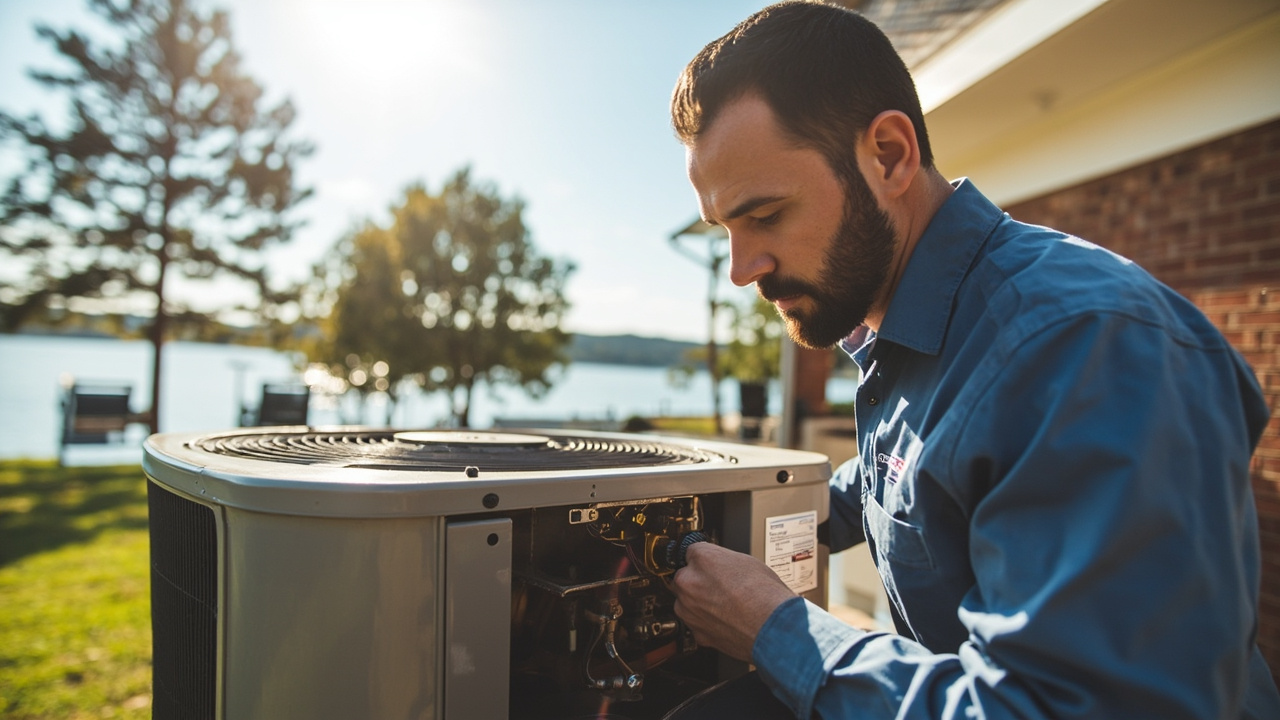
Heat exchangers get inspected with a borescope camera. Cracks as thin as a credit card edge allow combustion gases to mix with circulating air. You cannot see these failures from outside the unit. The camera reveals stress fractures, rust-through points, and failing welds before they become dangerous.

Blower motors get amp-draw tested under load. A motor pulling 15 percent above nameplate amperage will fail within months. Bearings wear out. Capacitors weaken. The fan wobbles and creates vibration that cracks ductwork joints. We catch these issues while the motor still runs.

Draft inducer motors and pressure switches get calibrated. These components evacuate combustion gases and verify safe venting before the main burners ignite. Blocked flue pipes or failed switches cause lockouts that leave you without heat. We test the entire ignition sequence under real operating conditions.

Ductwork in crawl spaces gets sealed at connection points. Mastic sealant stops air leakage better than tape. Proper sealing reduces energy waste and prevents humidity from entering the system during shoulder seasons.

Refrigerant charge gets verified on heat pumps. Charlotte's moderate winters let heat pumps handle most heating loads, but low refrigerant reduces capacity and forces auxiliary heat strips to run constantly.

What Happens During Your Charlotte Heating System Winterization

Winterizing Your HVAC System in Charlotte | Expert Heating Preparation Before the First Cold Snap
01

Safety and Performance Testing

We start by testing your thermostat calibration and checking voltage at the furnace or heat pump. Gas valves get inspected for leaks using soap solution. Ignitors are examined for cracks that cause delayed ignition. We run the system through multiple heating cycles while monitoring temperature rise across the heat exchanger to verify it stays within the 40-70 degree range stamped on your unit's rating plate.
02

Component Cleaning and Calibration

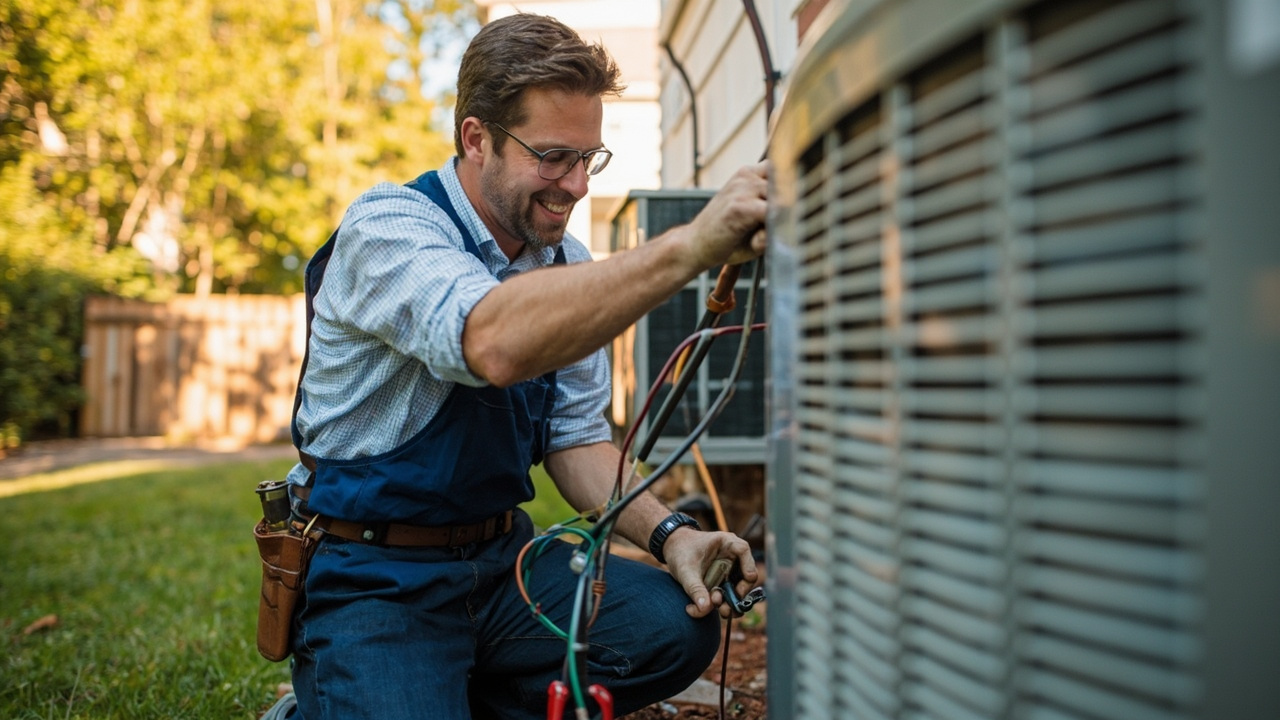
Flame sensors get polished to remove oxidation that prevents ignition signals. Blower wheels are cleaned of dust buildup that reduces airflow and forces motors to work harder. Condensate drains get flushed with a pump sprayer to clear biological growth. We adjust gas pressure at the manifold and test limit switch operation to prevent overheating. Every electrical connection gets inspected for corrosion or looseness that creates resistance and heat.
03

System Optimization Report

You receive a detailed inspection report showing test results, photos of any concerns, and recommendations prioritized by urgency. We explain how your system compares to manufacturer specifications and what repairs prevent breakdowns versus what can wait. You get documentation of refrigerant pressures, amperage draws, and combustion readings that establish a performance baseline for future service calls. No surprise failures, just informed decisions.

Why Charlotte Homeowners Trust Keystone HVAC Charlotte for Winter Preparation

Charlotte sits in a unique climate zone where heating systems work harder than you think. We are not in the mountains where furnaces run 24/7 all winter. We are not on the coast where heat pumps handle everything. We get freeze-thaw cycles that stress components differently than constant use.

Keystone HVAC Charlotte understands how Mecklenburg County's building codes and climate patterns affect system performance. Homes built before 2000 often have undersized ductwork that restricts airflow. Newer construction uses spray foam insulation that reduces natural air exchange and makes combustion air supply critical for gas furnaces. We know these local building characteristics and adjust our service approach accordingly.

We work on the HVAC brands most common in Charlotte neighborhoods. Trane, Carrier, Lennox, Goodman, and Rheem dominate local installations. Each manufacturer uses different ignition systems, control boards, and heat exchanger designs. Generic maintenance misses brand-specific failure points. We know that Goodman units from 2010-2015 have flame sensor issues. Carrier Infinity systems require firmware updates. Lennox pulse furnaces need specific venting checks.

Our technicians carry parts inventory for common Charlotte system configurations. A cracked heat exchanger discovered during winterization does not leave you without heat for a week while parts ship. We stock ignitors, gas valves, pressure switches, and blower motors for units installed in the greater Charlotte metro over the past 15 years.

We also understand that preparing hvac for winter in Charlotte means balancing heating and cooling needs. Your system might run heat in the morning and cooling by afternoon during November. We verify both functions work properly so you are not stuck when weather patterns shift unexpectedly.

Local HVAC knowledge matters when components fail in ways specific to this climate and housing stock.

What to Expect from Winter HVAC Preparation Service

Service Appointment Timing

Schedule winterization between mid-October and early November for best availability. Service appointments run 90 minutes to two hours depending on system complexity and access. We work around your schedule with early morning, midday, and late afternoon slots. If we discover repairs during inspection, we discuss options before proceeding with any additional work. Emergency repairs on failed systems during cold snaps take priority, but scheduled maintenance customers get preferential booking for future service needs.

Comprehensive System Evaluation

Technicians arrive with combustion analyzers, amp meters, and inspection cameras. You get a point-by-point evaluation covering 32 system components. We check things most companies skip like ductwork condition in crawl spaces, flue pipe integrity, and condensate pump operation. Gas furnaces receive full combustion analysis with documented readings. Heat pumps get refrigerant charge verification and defrost cycle testing. We test emergency heat strips even though you hope never to use them. The inspection reveals developing problems before they cause breakdowns.

Performance and Safety Results

Your system runs cleaner, safer, and more efficiently after service. Heat exchangers free of dust transfer heat faster, reducing cycle times. Clean blower wheels move air with less resistance, lowering electricity use. Calibrated ignition systems light reliably without repeated attempts that waste gas. Sealed ductwork stops conditioned air from escaping into crawl spaces. You notice more even temperatures between rooms, faster warmup times, and lower utility bills. Most importantly, combustion safety testing confirms your furnace vents properly and poses no carbon monoxide risk to your family.

Service Documentation and Priority Support

You receive a detailed service report with photos, test measurements, and component condition ratings. This documentation helps track system health year over year and proves valuable if you sell your home. Customers who complete annual winter preparation get priority scheduling if unexpected repairs become necessary. We keep your system profile on file, so future service calls start with complete knowledge of your equipment history, previous repairs, and specific configuration details. No technician ever shows up unprepared or unfamiliar with your system.

Frequently Asked Questions

You Have Questions,
We Have Answers

How to winterize a HVAC system? +

Start by replacing your furnace filter and checking for leaks around ductwork. Turn off power to your outdoor AC unit at the breaker, then remove debris from the condenser. Hose down the coils gently if needed. Cover the unit with a breathable cover to prevent ice buildup. Inside, test your thermostat and heating system before the first freeze hits. In Charlotte, where temperatures can swing from mild to freezing overnight, checking refrigerant levels and ensuring proper airflow prevents mid-winter breakdowns. Schedule a professional tune-up to catch issues before they become expensive repairs during peak heating season.

What is the $5000 rule for HVAC? +

The $5000 rule helps you decide between repairing and replacing your HVAC system. Multiply the age of your unit by the repair cost. If the total exceeds $5000, replacement makes more financial sense than repair. For example, a 12-year-old system needing a $500 repair equals $6000, suggesting replacement. In Charlotte, where humidity and temperature swings stress equipment year-round, older systems lose efficiency fast. A new high-efficiency unit lowers energy bills and prevents repeat service calls. This rule protects you from throwing money at a failing system that will break again within months.

What is the 3 minute rule for AC? +

The 3-minute rule prevents compressor damage by requiring a three-minute wait between system cycles. When you turn your AC off and immediately back on, refrigerant pressure has not equalized. This forces the compressor to start under high pressure, which shortens its lifespan. Most modern thermostats have built-in delay timers, but you should avoid manually cycling your system rapidly. In Charlotte's humid climate, where AC units run hard from spring through fall, protecting your compressor from unnecessary strain prevents a costly replacement. Let the system rest between cycles to maintain proper pressure balance and mechanical integrity.

Is it okay to spray water on your air conditioner? +

Yes, spraying water on your condenser coils is safe and beneficial. Turn off power to the unit first, then use a garden hose with moderate pressure to rinse dirt, pollen, and debris from the coils. Spray from inside out to push debris away from the fins. Charlotte's spring pollen and summer dust clog coils fast, reducing airflow and forcing your system to work harder. Clean coils improve efficiency and lower energy bills. Avoid pressure washers, which can bend delicate aluminum fins. Do this twice yearly or more if you notice heavy buildup. Let the unit dry completely before restoring power.

How to prepare your HVAC for winter? +

Replace your furnace filter first, then test your heating system by turning the thermostat up. Listen for unusual sounds like grinding or squealing. Check all vents for proper airflow and remove any blockages. Inspect your outdoor AC unit and cover it with a breathable material to prevent ice damage. In Charlotte, where freezing nights can arrive suddenly, bleeding radiators and checking ductwork insulation prevents heat loss. Clear leaves and debris from around your outdoor equipment. Schedule a professional inspection to check burner flames, heat exchangers, and carbon monoxide levels. Addressing small issues now prevents emergency calls during winter cold snaps.

Is 72 too high for heat in winter? +

Setting your heat to 72 degrees is fine if you can afford the energy cost. Most efficiency experts recommend 68 degrees for waking hours and 65 degrees when sleeping or away. Each degree above 68 increases your heating bill by about 3 percent. In Charlotte, where winters are mild with occasional freezing nights, you can use programmable thermostats to balance comfort and cost. Lower settings at night and when you leave home add up to significant savings. If you feel cold at 68, add layers or use a space heater in occupied rooms. Personal comfort matters, but efficiency saves money long-term.

How Charlotte's Temperature Swings Make Winter HVAC Preparation Critical

Charlotte experiences 40-degree temperature swings within 24 hours during fall and winter. Your heating system cycles on and off more frequently than in cities with steady cold weather. This start-stop operation stresses igniters, blower motors, and heat exchangers differently than continuous running. Thermal expansion and contraction from frequent cycling crack metal components and loosen electrical connections. Preparing hvac for winter catches these stress failures before they strand you on a cold morning. The unpredictable weather also means you cannot wait for the first freeze to discover problems since temperatures might stay mild for weeks between cold snaps.

Charlotte homeowners depend on heating systems that work reliably without professional oversight for months at a time. You cannot afford breakdowns because local HVAC companies stay booked solid during cold weather. Winter hvac preparation builds a service relationship before you face an emergency. Keystone HVAC Charlotte maintains detailed records of your system configuration, past repairs, and component ages. When you call with a problem, we already know your equipment and can diagnose issues faster than companies seeing your system for the first time. Local expertise means understanding which Charlotte neighborhoods have homes with crawl space ductwork versus attic installations and adjusting service accordingly.
HVAC Services in The Charlotte Area

Keystone proudly serves homes and businesses throughout Charlotte and nearby areas. Whether you’re looking for fast repairs, expert installations, or seasonal HVAC maintenance, our team is just a call away. Use the map below to locate our service area or office location, and don’t hesitate to reach out if you have questions. We’re committed to making your experience seamless from the first call to the final service. Let us show you why we’re Charlotte’s go-to HVAC experts.

Address:
Keystone HVAC Charlotte, 6000 Fairview Rd, Charlotte, NC, 28210

Additional Services We Offer

Our news updates

Latest Articles & News from The Blogs

Expert Heat Pump Replacement in Cornelius NCHomeowners in Cornelius face a unique set of weather challenges. The moisture coming off…

Heat Pump Replacement Services in Cornelius and Lake Norman

Expert Heat Pump Replacement in Cornelius NCHomeowners in Cornelius face a unique set of weather challenges. The moisture coming off…

Smart Strategies to Lower Utility Bills for Large Quail Hollow Estates

Smart Strategies to Lower Utility Bills for Large Quail Hollow Estates Managing a large estate in the Quail Hollow neighborhood…

Oakhurst families need furnace heat exchanger inspections before the first cold snap

Oakhurst families need furnace heat exchanger inspections before the first cold snapThe transition from the humid Charlotte summer to the…

Contact Us

Do not wait until your furnace fails on the coldest night. Call Keystone HVAC Charlotte at (980) 342-9990 to schedule winter preparation service. We find problems before they leave you without heat.