
How to protect your Lake Wylie AC unit from rust and humidity damage with expert maintenance
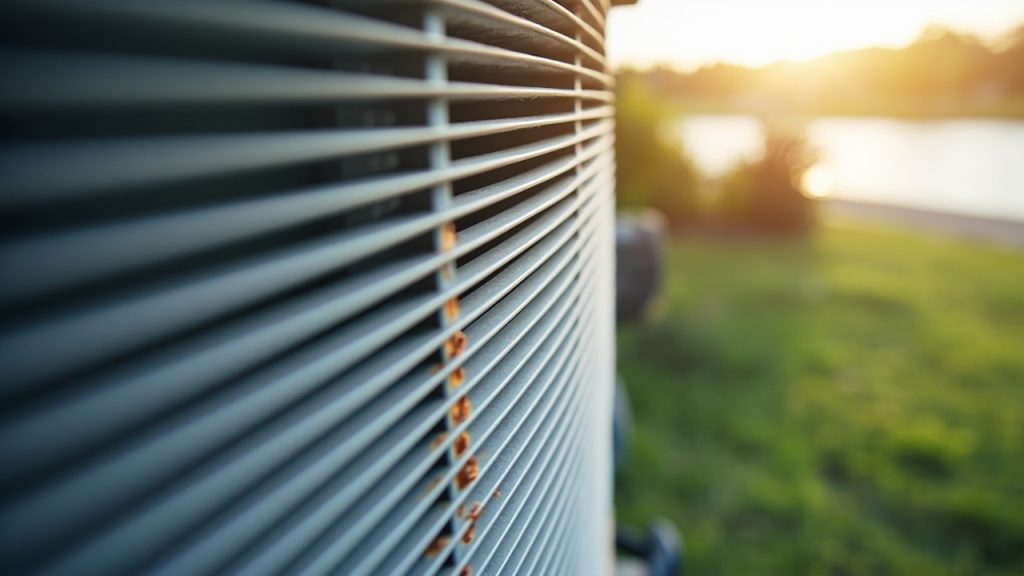
Living on the water in Lake Wylie offers beautiful views but the environment creates a hidden threat to your air conditioning system. The constant moisture coming off the Catawba River acts as a catalyst for corrosion on sensitive HVAC components. Many homeowners in neighborhoods like River Hills or The Sanctuary find their systems failing years before they should. This happens because the high humidity levels accelerate the oxidation of the aluminum and copper parts inside your outdoor condenser unit. Protecting your investment requires a specific strategy designed for waterfront properties. If you live closer to the city in areas like Dilworth, you face different challenges. Lake residents must prioritize rust prevention every single month to avoid early system failure.
The 2026 weather patterns have shown an increase in sustained humidity levels across the York County area. This constant moisture sits on the metal surfaces of your AC unit and begins the chemical process of decay almost immediately. Homeowners often ignore the outdoor unit until it stops cooling. By that point, the damage is frequently too severe to repair. Understanding the specific threats of the Lake Wylie microclimate allows you to take action before the summer heat arrives. This guide provides the technical steps and maintenance schedules you need to keep your air conditioner running for its full expected lifespan.
The Science of Lake Wylie Humidity and Metal Corrosion
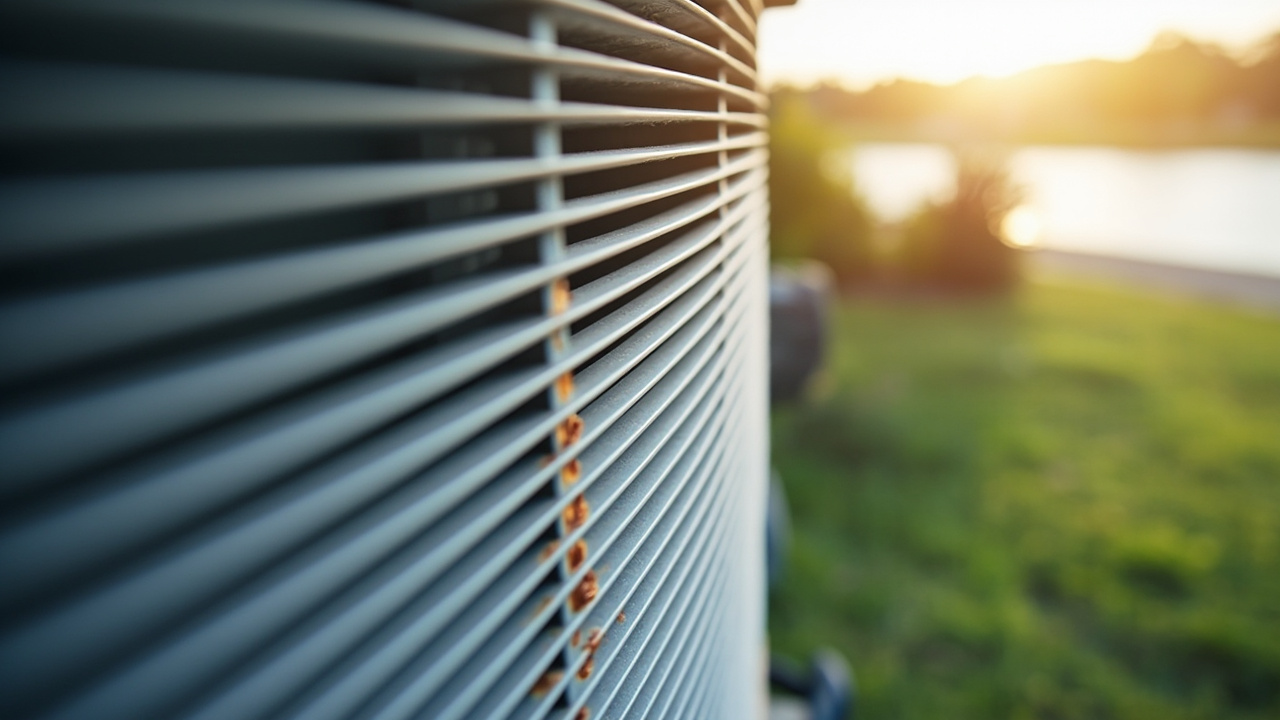
The air around Lake Wylie contains higher concentrations of moisture and dissolved minerals than inland areas. When your air conditioner runs, the outdoor fan pulls this damp air through the condenser coils. The temperature difference causes moisture to cling to the metal fins. Over time, this creates a process called formicary corrosion. This specific type of decay creates microscopic tunnels through copper tubing which eventually leads to refrigerant leaks. By the time you notice a cooling problem, the internal damage is often irreversible. Current 2026 data shows that units within one mile of the lake shore experience a fifteen percent faster decay rate than units in Ballantyne or other suburban zones. The minerals in the lake water can also create a scale buildup that blankets your coils and prevents heat transfer.
The interaction between pine pollen and high humidity is another local factor. In the spring, the heavy yellow pollen in the Carolinas sticks to the wet surfaces of your condenser. This creates a thick organic paste that traps moisture against the aluminum fins. As this paste decays, it releases acids that further damage the metal. You must realize that your AC unit is essentially a giant air filter for the outdoors. Everything in the air eventually passes through those coils. Without regular cleaning, this accumulation acts like sandpaper on the protective finishes of your equipment. This is why residents near the Buster Boyd Bridge often see their units looking aged and pitted after only a few seasons of use.
Protective Coatings for Waterfront HVAC Units
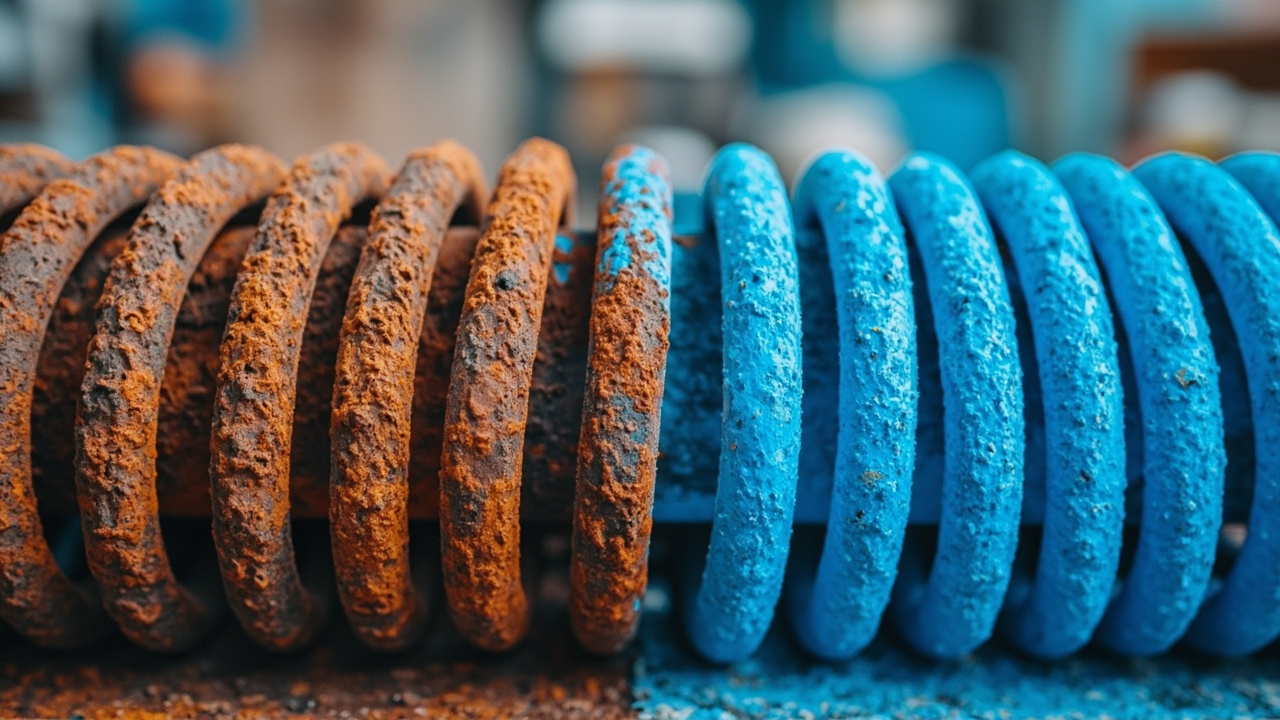
One of the most effective ways to defend your system is through the application of specialized protective coatings. These coatings act as a barrier between the metal components and the humid atmosphere. You can choose to have these applied at the factory when buying a new unit or as an aftermarket service for your existing equipment. In 2026, epoxy based coatings have become the standard for high-performance protection. These layers are thin enough to allow for heat exchange while being tough enough to resist moisture penetration. This is especially vital for homeowners near the Catawba River where traffic debris and lake moisture combine to create a gritty film on outdoor equipment. If you are looking for a new installation, choosing a unit with factory-dipped coils is a smart move for long-term reliability.
Acrylic sprays offer a secondary option for homeowners. These are often applied after the unit has been installed. While they do not provide the same level of total coverage as a factory dip, they create a helpful shield against the elements. The application involves cleaning the coils thoroughly and then spraying a clear or tinted acrylic layer over the metal surfaces. This layer helps shed water more quickly and prevents minerals from bonding to the aluminum fins. For homes in Tega Cay that are not directly on the water but still feel the humidity, an acrylic spray can be a cost-effective middle ground. It provides several years of extra protection without the need for a full equipment replacement.
| Coating Type | Typical Life Expectancy | Protection Level | Best Use Case |
|---|---|---|---|
| Epoxy Phenolic | 8 to 10 Years | Maximum | Direct Waterfront Properties |
| Acrylic Spray | 3 to 5 Years | Moderate | Properties 1 Mile From Water |
| Standard Factory Paint | 1 to 2 Years | Low | Non Coastal Environments |
Analyzing the Investment for Epoxy and Acrylic Coatings
When you evaluate the cost factors for AC protection, you must look at the long-term value. Epoxy coatings represent a higher initial investment. This is because the process is labor intensive and requires specialized equipment. A factory-applied epoxy coating involves dipping the entire coil assembly into a vat of polymer. This ensures every surface and every edge of the aluminum fins receives a uniform layer. The material itself is more expensive because it must remain flexible through thousands of heating and cooling cycles. If the coating becomes brittle and cracks, moisture will get underneath it and cause even faster corrosion. Therefore, the high-quality polymers used in 2026 are designed for extreme durability.
Acrylic coatings are generally more affordable because the application process is simpler. A technician can apply these coatings in the field during a standard maintenance visit. The primary cost for acrylic protection comes from the labor required to clean the unit before application. If the tech sprays over dirt or existing oxidation, the coating will peel off within a few months. This means you are paying for the careful preparation of the metal surfaces. While the material cost is lower than epoxy, you will need to reapply acrylic every few years. Homeowners who plan to stay in their Lake Wylie home for a decade or more usually find that the one-time cost of an epoxy coating is more economical than multiple acrylic applications.
The equipment downtime is another factor to consider. Field-applied coatings require the system to be off for several hours while the chemicals cure. In the middle of a July heatwave, this can make your home uncomfortable. Factory coatings happen before the unit arrives at your house, so there is no extra downtime. You also have to consider the impact on your energy bills. A corroded coil is less efficient at moving heat. This means your compressor has to run longer to reach your desired indoor temperature. The extra energy used by a damaged unit often exceeds the cost of a protective coating within just two or three years. Investing in protection now reduces your monthly operating costs for the life of the system.
Cleaning Your Coils to Prevent Mineral Buildup
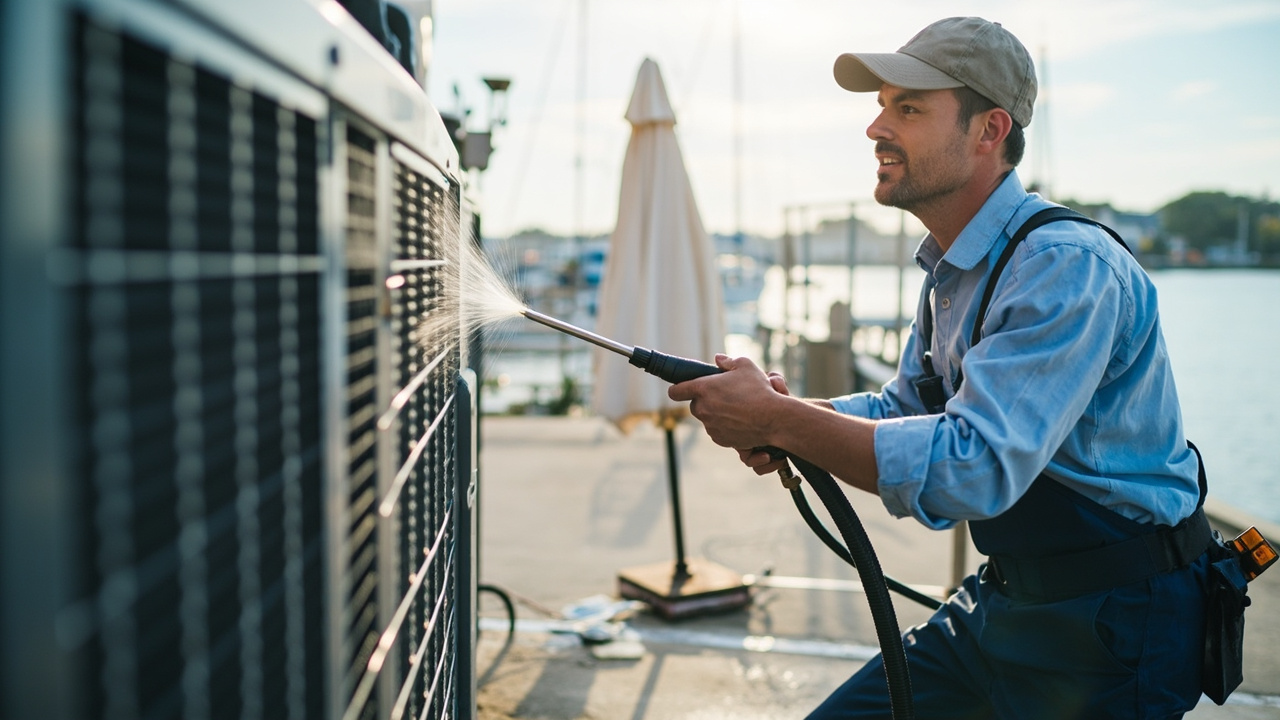
Salt and mineral deposits are common issues for Lake Wylie residents. Even though it is a freshwater lake, the humidity carries organic matter and minerals that stick to your AC fins. You should rinse your outdoor unit with a low-pressure garden hose at least once a month during the peak cooling season. Do not use a pressure washer because the high force will bend the delicate aluminum fins and restrict airflow. Focus on spraying the coil from the top down to flush out any trapped sediment or pollen. This simple task prevents the early stages of rust from taking hold. For those who manage properties in Myers Park, this might seem excessive, but the lake effect requires a more aggressive maintenance schedule.
Chemical cleaners are sometimes necessary if the buildup is heavy. However, you must use a non-acidic cleaner specifically designed for HVAC coils. Many hardware store cleaners contain harsh chemicals that can actually speed up the corrosion process if they are not rinsed away perfectly. Professional technicians in 2026 use alkaline-based cleaners that break down grease and organic matter without etching the metal. If you notice that your coils have a white, chalky substance on them, that is aluminum oxide. This is the first stage of the metal breaking down. Regular rinsing prevents this oxide from forming into a thick crust that chokes your system airflow.
The Impact of Galvanic Corrosion on Outdoor Units
Galvanic corrosion occurs when two different types of metal touch each other in a moist environment. Your AC unit uses copper, aluminum, and steel. When lake humidity acts as an electrolyte, a small electrical current flows between these metals and eats them away. This often happens at the points where the copper refrigerant lines connect to the aluminum coils. Professionals in 2026 use sacrificial anodes or specialized isolation gaskets to prevent this contact. Checking these connection points during a seasonal tune-up can save you from an expensive repair. Residents near the Catawba River often see the copper lines turn a dark green or black color which is a clear sign of advanced oxidation.
If your system is already showing these signs, you may need a professional evaluation to see if the metal structural integrity is still intact. When the steel base pan of the unit begins to rust, it can cause the entire cabinet to sag. This puts physical stress on the refrigerant lines and can lead to sudden, catastrophic leaks. We often see units where the rust has eaten through the bottom of the cabinet entirely. This allows pests and extra moisture to enter the electrical compartments. Using stainless steel fasteners during repairs is one way we combat this issue for our Lake Wylie clients. Replacing standard steel screws with stainless steel prevents the brown rust streaks that often run down the side of older outdoor units.
Managing Indoor Humidity for System Longevity
Protection is not just about the outdoor unit. The high humidity in Lake Wylie can also damage your indoor air handler and ductwork. When the air inside your home stays above sixty percent humidity, it creates a breeding ground for biological growth on your evaporator coils. This growth produces organic acids that eat through the metal from the inside out. Installing a whole-home dehumidifier is a popular solution in 2026 for waterfront homes. This device works alongside your AC to pull gallons of water out of the air every day. This reduces the workload on your air conditioner and prevents the damp feeling common in lakefront living.
By controlling the indoor climate, you protect the blower motor and electrical boards from moisture related short circuits. High indoor humidity can also lead to condensation forming on the outside of your ductwork. In crawl spaces or attics, this dripping water can rot your floor joists or damage your ceiling. A dehumidifier keeps the dew point of the air low enough to prevent this condensation. Residents in neighborhoods like The Sanctuary often find that their indoor air quality improves significantly once they address these humidity issues. Keeping the indoor air dry also protects your furniture, hardwood floors, and electronics from the effects of the heavy Lake Wylie air.
| Distance from Shore | Coil Cleaning Frequency | Professional Inspection | Filter Change Frequency |
|---|---|---|---|
| 0 to 500 Feet | Monthly | Quarterly | Every 30 Days |
| 500 Feet to 1 Mile | Every 2 Months | Bi-Annually | Every 45 Days |
| Over 1 Mile | Quarterly | Annually | Every 60 Days |
Preventative Maintenance Steps for Homeowners
You can take several steps to extend the life of your equipment without needing a technician every week. Following a strict schedule will help you catch small issues before they become catastrophic failures. These tasks are essential for anyone living in the high-moisture zones of York County or Gaston County.
- Clear all vegetation and debris at least two feet away from the outdoor unit to ensure proper airflow and reduce moisture retention.
- Check the condensate drain line for blockages to prevent water from backing up into your home.
- Inspect the insulation on your refrigerant lines and replace any sections that have become brittle or torn.
- Keep the outdoor unit on a level pad to prevent water from pooling around the base of the cabinet.
- Use high-quality pleated air filters to keep the indoor coils free of dust that can trap moisture and cause rust.
- Look for signs of oil around the base of the unit which can indicate a refrigerant leak caused by corrosion.
- Check the fan blades for any signs of pitting or rust that could cause the motor to become unbalanced.
The Department of Energy emphasizes that regular maintenance can improve your system efficiency by up to fifteen percent. In our local climate, that efficiency gain is even more significant because our units work harder to combat the heat and humidity of a North Carolina summer. Taking thirty minutes each month to inspect your unit can save you thousands in premature replacement costs. It also ensures that your system is ready for the peak demand days when temperatures climb into the high nineties.
Choosing Corrosion Resistant Materials for New Systems
If your current unit has already been claimed by the lake humidity, your next purchase should focus on materials designed for harsh environments. Modern 2026 systems often feature all-aluminum coils rather than the traditional copper and aluminum mix. All-aluminum designs are much more resistant to formicary corrosion. Some manufacturers also use stainless steel cabinets and fasteners to prevent the outer shell of the unit from rusting through. While these features might have a higher upfront cost, they provide a much better return on investment for Lake Wylie residents. For those living further north in Huntersville, these features are nice to have. For a waterfront home in Tega Cay, they are a necessity.
You should also ask about the thickness of the metal used in the condenser. Thicker fins and tubes can withstand more oxidation before they fail. Some high-end models in 2026 include built-in sensors that monitor the health of the coils and alert you if the heat transfer efficiency drops. This allows you to schedule a cleaning before the system sustains damage. When selecting a new system, check the manufacturer ratings for salt spray tests. Even though Lake Wylie is fresh water, these tests are the gold standard for measuring how well a unit stands up to constant moisture and atmospheric minerals. A unit that performs well in coastal tests will thrive in the humid conditions near the Buster Boyd Bridge.
The Importance of Professional Inspections in 2026
A professional technician can spot early signs of rust that a homeowner might miss. During a standard 2026 maintenance visit, we use specialized tools to check the thickness of the metal and the integrity of the electrical connections. Moisture can often find its way into the control box and cause the contactors to pit or weld shut. We also check the refrigerant charge using digital gauges to ensure there are no tiny pinhole leaks caused by corrosion. According to AHRI standards, even a small loss of refrigerant can lead to a massive increase in energy consumption and put undue stress on the compressor. Catching these issues early is the only way to avoid a total system replacement during a July heatwave.
During our inspections, we also check the condition of the electrical capacitors. Humidity and heat are the two biggest enemies of electrical components. A capacitor that is starting to bulge or leak is a sign that the moisture is beginning to take a toll. Replacing a twenty dollar part during a scheduled visit is much better than paying for an emergency repair on a Sunday afternoon. We also clear out any spider webs or insect nests from the electrical cabinet. In the Lake Wylie area, mud daubers and other insects are attracted to the hum of the AC unit. Their nests can trap moisture against sensitive wires and cause a short circuit that fries the main control board.
Common Questions About Lake Wylie AC Protection
Homeowners often ask if covering their AC unit in the winter will prevent rust. The answer is generally no. In fact, covering the unit can trap moisture inside the cabinet and create a greenhouse effect. This speeds up the corrosion process. A better approach is to use a top cover that keeps leaves and debris out while allowing the sides of the unit to breathe. This prevents the moisture from the soil and the lake from staying trapped against the metal surfaces. Airflow is your best friend when it comes to preventing rust on your outdoor equipment.
Another frequent question involves the use of WD-40 or other lubricants on the coils. You should never apply these products to your AC coils. They are designed to attract and hold onto dust and dirt. Once the coils are coated in oily grime, they will lose their ability to transfer heat. This will cause your compressor to overheat and fail. If you want to protect the metal, stick to the professional epoxy or acrylic coatings mentioned earlier. These are designed to be thermally conductive while providing a shield against moisture. DIY solutions often do more harm than good in the long run.
Many people wonder if living on a freshwater lake is really as bad as living near the ocean. While the salt in ocean air is more aggressive, the constant high humidity of Lake Wylie creates its own set of problems. The moisture levels in our area stay above seventy percent for much of the year. This means the metal never truly dries out. This constant state of dampness is exactly what causes the orange rust and white oxidation you see on local units. Even if you do not have salt spray, the minerals in the local water and the organic acids from the heavy vegetation around the lake are significant threats to your HVAC system health.
Finally, residents ask how they can tell if their unit is already too far gone for a coating. If you see large flakes of metal falling off the coils or if the copper lines have deep pits in them, it is likely too late for a protective spray. Coatings are preventative measures. They cannot restore metal that has already lost its structural integrity. If you can see the internal parts of the unit through holes in the cabinet, you should start planning for a system replacement. Choosing a more resistant model for your next installation will ensure you do not face the same problem five years down the road.
Protecting Your AC Investment Today
The humidity of Lake Wylie is a constant force but it does not have to mean the end of your air conditioning system. By understanding the risks and taking proactive steps like applying protective coatings and performing regular cleanings, you can keep your home cool and comfortable. Whether you are in a classic home in River Hills or a modern build in Steele Creek, the lake effect is real. Take the time to inspect your outdoor unit this week and look for any signs of orange rust or white powdery oxidation. Addressing these symptoms now will save you from the stress of a broken air conditioner later this summer. If you need help with a specialized protection plan for your waterfront property, reaching out to a local expert who understands the Lake Wylie climate is the best first step you can take.
{
“@context”: “https://schema.org”,
“@type”: “BlogPosting”,
“headline”: “How to protect your Lake Wylie AC unit from rust and humidity damage with expert maintenance”,
“description”: “Learn how to prevent rust and humidity damage to your Lake Wylie air conditioner with professional coating tips and 2026 maintenance strategies for your home.”,
“wordCount”: 3253,
“datePublished”: “2026-02-13T12:49:00.000Z”,
“dateModified”: “2026-02-13T12:49:00.000Z”,
“inLanguage”: “en-US”,
“mainEntityOfPage”: {
“@type”: “WebPage”,
“@id”: “https://keystonehvaccharlotte.com”
},
“publisher”: {
“@type”: “LocalBusiness”,
“name”: “Keystone HVAC Charlotte”,
“url”: “https://keystonehvaccharlotte.com”
},
“author”: {
“@type”: “Organization”,
“name”: “Keystone HVAC Charlotte”,
“url”: “https://keystonehvaccharlotte.com”
},
“image”: {
“@type”: “ImageObject”,
“url”: “https://keystonehvaccharlotte.com/wp-content/uploads/2026/03/how-to-protect-your-lake-wylie-ac-unit-from-rust-a-1.jpg”
}
}
{
“@context”: “https://schema.org”,
“@type”: “HVACBusiness”,
“name”: “Keystone HVAC Charlotte”,
“url”: “https://keystonehvaccharlotte.com”,
“address”: {
“@type”: “PostalAddress”,
“addressLocality”: “Charlotte”
},
“areaServed”: {
“@type”: “City”,
“name”: “Charlotte”
}
}
{
“@context”: “https://schema.org”,
“@type”: “BreadcrumbList”,
“itemListElement”: [
{
“@type”: “ListItem”,
“position”: 1,
“name”: “Home”,
“item”: “https://keystonehvaccharlotte.com”
},
{
“@type”: “ListItem”,
“position”: 2,
“name”: “Blog”,
“item”: “https://keystonehvaccharlotte.com/blog”
},
{
“@type”: “ListItem”,
“position”: 3,
“name”: “How to protect your Lake Wylie AC unit from rust and humidity damage with expert maintenance”
}
]
}
{
“@context”: “https://schema.org”,
“@type”: “Service”,
“serviceType”: “HVAC”,
“provider”: {
“@type”: “LocalBusiness”,
“name”: “Keystone HVAC Charlotte”,
“url”: “https://keystonehvaccharlotte.com”
},
“areaServed”: {
“@type”: “City”,
“name”: “Charlotte”
},
“description”: “Learn how to prevent rust and humidity damage to your Lake Wylie air conditioner with professional coating tips and 2026 maintenance strategies for your home.”
}