
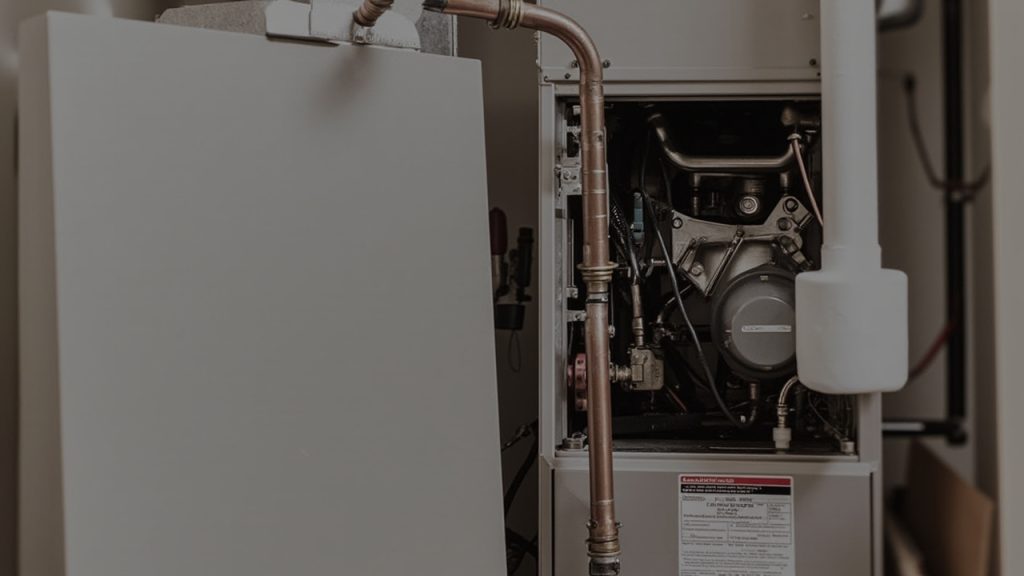
Furnace Making Noise in Mint Hill? Diagnostic Guide and Repair
Your furnace should operate with a low hum. When you start hearing sharp sounds like metal hitting metal or loud booms when the heat starts, your system is trying to tell you something. In Mint Hill, our homes often face high humidity and temperature swings that put extra stress on heating components. If you live near Mint Hill Veterans Memorial Park or along Albemarle Road, you know that keeping a stable indoor temperature is vital when the North Carolina winter air turns damp and cold.
Ignoring these sounds can lead to expensive repairs or system failure. Many homeowners in the 28227 zip code rely on older gas furnaces that require specific maintenance to stay safe. This guide explains what those noises mean and why they happen in our local climate. If you find your system struggling, you might also want to look into professional furnace repair in Huntersville or surrounding areas to see how regional neighbors handle similar issues.
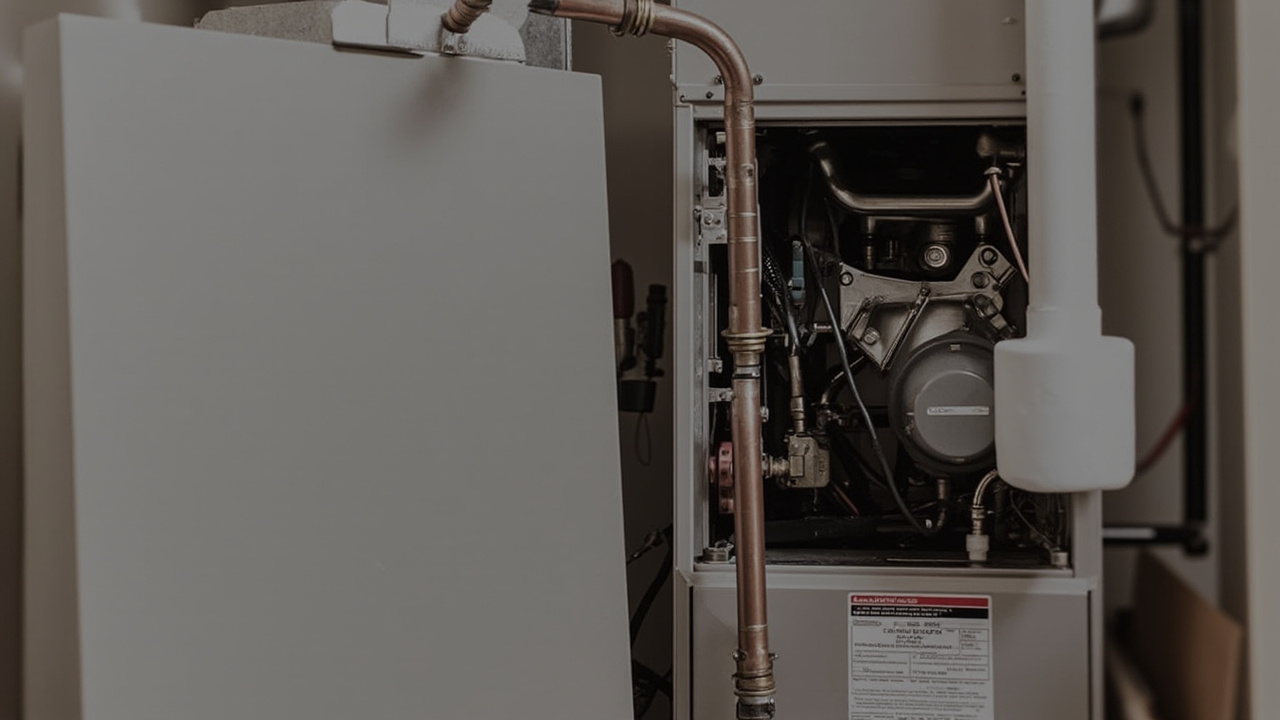
The Loud Boom of Delayed Ignition
A loud bang or boom at the start of a heating cycle is one of the most common complaints. This sound occurs because of delayed ignition. In a gas furnace, the gas valve opens and the ignitor should light the burners immediately. If the burners are dirty or the ignitor is weak, gas builds up in the combustion chamber before it finally catches fire. When it does light, the excess gas creates a small explosion.
This is not just a noise problem. It is a safety issue. These small explosions put immense pressure on the heat exchanger. Over time, the repeated stress can cause the metal to crack. A cracked heat exchanger can leak carbon monoxide into your home. This is why regular cleaning of the burner assembly is necessary for Mint Hill residents. Dust and debris from local construction or high pollen counts can settle on these parts and prevent clean ignition. You can find more safety guidelines on gas appliances through the National Fire Protection Association website.
Whistling and Hissing Noises from Airflow Problems
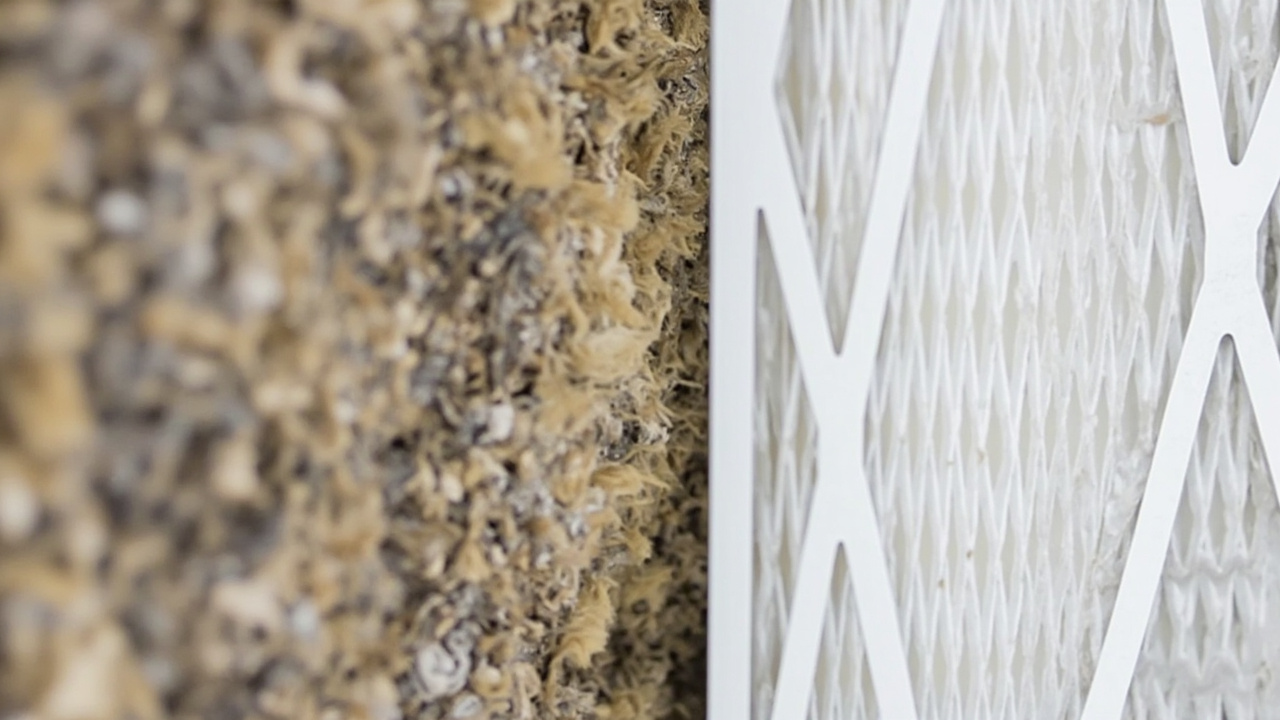
Whistling is usually a sign of air struggling to move through your system. High static pressure occurs when the blower motor tries to push air through a space that is too small or blocked. The most common cause is a dirty air filter. Many Mint Hill homes use 1 inch pleated filters that clog quickly. If the filter is full of dust, the motor has to suck air through small gaps, creating a high pitched whistle.
If changing the filter does not stop the noise, the issue could be your ductwork. In many ranch style homes in our area, ductwork in the crawlspace can become pinched or disconnected. Dampness from the local soil can also cause flexible ducting to sag or collapse. Whistling can also happen if too many supply vents are closed. You should keep at least 80 percent of your vents open to maintain proper airflow. For those in nearby areas like Myers Park, maintaining air balance is just as critical for system longevity.
Common Furnace Noises and Their Meanings
| Sound Type | Probable Cause | Urgency Level |
|---|---|---|
| Loud Booming | Delayed Ignition or Dirty Burners | High – Risk of Cracked Heat Exchanger |
| High Pitched Whistle | Restricted Airflow or Clogged Filter | Medium – Reduces Efficiency |
| Metal Scraping | Broken Blower Wheel or Failed Bearings | High – Can Destroy the Motor |
| Squealing | Worn Fan Belt or Motor Issues | Medium – Needs Lubrication or Replacement |
| Constant Clicking | Failing Control Board or Cracked Heat Exchanger | High – Safety Risk |
Squealing and Chirping from the Blower Motor
A squealing sound often indicates a problem with a moving part. In older furnaces, this usually means the fan belt is slipping or has become brittle. In 2026, most modern systems use direct drive motors without belts, so a squeal in a newer unit likely means the motor bearings are failing. This can happen if the system has not been lubricated or if it is working too hard due to restricted airflow.
If you hear a chirping sound that goes away after the furnace runs for a few minutes, it might be the inducer motor. This is a small motor that clears the combustion chamber of gases before the burners light. In the humid Mint Hill environment, these small motors can develop rust or dry out. Addressing a squeal early can save you from a full motor replacement. If you are also managing properties in other neighborhoods, checking on Dilworth heating and cooling services can provide perspective on how different home ages impact motor wear.
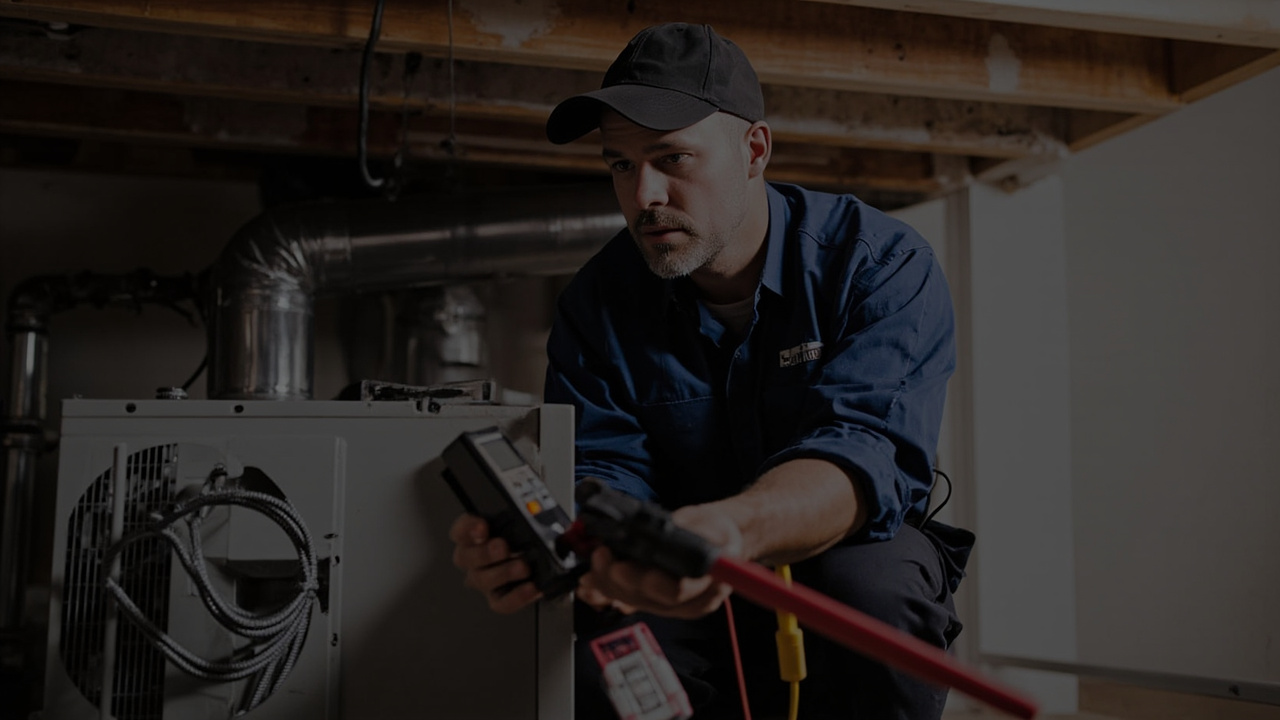
The Dangers of Metal on Metal Scraping Sounds
If you hear a sound like nails in a dryer or metal scraping against metal, shut your furnace off immediately. This sound usually comes from the blower wheel. The blower wheel is a large cylindrical fan that moves air through your home. It is held in place by a motor shaft and a series of bolts. If the wheel becomes loose, it will hit the metal housing as it spins.
This can happen if a piece of debris gets past the filter and hits the wheel, or if the motor mounts have broken. If the wheel continues to spin while hitting the housing, it can shatter. A shattered blower wheel can send metal fragments into your ductwork and destroy the entire furnace cabinet. This is a mechanical failure that requires a professional technician to disassemble the blower assembly and inspect the components for balance and integrity.
Clicking Sounds After the Heating Cycle Ends
Clicking is normal when a furnace starts or stops, as metal expands and contracts. But repeated clicking that sounds like a spark ignitor trying to light is a sign of a malfunction. It could be a failing flame sensor or a control board issue. One of the more serious causes of clicking is a cracked heat exchanger. As the metal cools down after a cycle, a crack can cause the metal to rub against itself, creating a distinct clicking or popping sound.
Because gas furnaces involve fire and fuel, safety is the top priority. The U.S. Department of Energy provides data on how modern high efficiency furnaces manage these components. If your system is over 15 years old and making these noises, it might be time to look into air conditioning installation experts in Matthews who also specialize in full system replacements for the 28105 and 28227 areas.
Why Mint Hill Homes Experience Unique Furnace Noises
Mint Hill has a mix of older established neighborhoods and new developments. Homes built in the late 20th century often have ductwork that was not sized for today’s high efficiency furnaces. Modern systems move air at different speeds and pressures. If you install a new furnace on old ductwork, you might hear more whistling or rattling because the ducts cannot handle the air volume.
The local soil and high water table near Clear Creek also contribute to crawlspace humidity. This moisture can cause the metal components of your furnace to corrode faster than in drier climates. Rust on the burners or the blower housing can lead to vibrations and strange noises. Keeping your crawlspace dry with a vapor barrier or dehumidifier can actually help your furnace run more quietly and last longer.
Components Prone to Failure in 28227 Homes
- Ignitor assemblies due to frequent cycling during North Carolina cold snaps.
- Blower capacitors that fail during the transition from cooling to heating seasons.
- Flame sensors that build up carbon from burning gas with high moisture content.
- Inducer motors that struggle with the damp air in unconditioned spaces.
- Filter racks that allow bypass air, leading to dirty blower wheels.
Maintaining Your Furnace for a Quiet Winter
The best way to stop noises before they start is a consistent maintenance schedule. A technician should check the gas pressure, clean the burners, and lubricate any ports on the motors. They will also check the static pressure to ensure your ductwork is not causing the blower to work too hard. This is especially important for residents who might be used to the high standards of Ballantyne AC repair and expect the same precision for their heating systems.
If your furnace is making noises that keep you awake at night or make you worry about safety, do not wait. A simple adjustment today can prevent a total system replacement later. Understanding the difference between a minor rattle and a major mechanical failure is the first step in being a responsible homeowner in Mint Hill.
Annual Maintenance Tasks and Expected Results
| Maintenance Task | Frequency | Benefit for Homeowner |
|---|---|---|
| Filter Replacement | Every 30 to 90 Days | Prevents whistling and motor strain |
| Burner Cleaning | Once Per Year | Eliminates booming and delayed ignition |
| Blower Inspection | Once Per Year | Prevents scraping and vibration sounds |
| Heat Exchanger Camera Test | Every 2 Years | Ensures safety from carbon monoxide |
| Gas Pressure Adjustment | Once Per Year | Optimizes fuel use and reduces noise |
When you hear a sound you do not recognize, take a moment to listen to where it is coming from. Is it at the furnace itself or at the vents? Does it happen only at the start or all through the cycle? Having this information ready when you call for service helps the technician diagnose the problem faster. Your comfort in your Mint Hill home depends on a quiet and reliable heating system. Keep your ears open and your system maintained to enjoy a peaceful winter season.
{
“@context”: “https://schema.org”,
“@type”: “BlogPosting”,
“headline”: “Why your Mint Hill furnace is making strange banging and whistling noises”,
“description”: “Learn what loud bangs, whistles, and scrapes from your Mint Hill furnace mean for your home safety and comfort. Expert diagnostic tips for 28227 homeowners.”,
“wordCount”: 1578,
“datePublished”: “2026-03-05T10:04:00.000Z”,
“dateModified”: “2026-03-05T10:04:00.000Z”,
“inLanguage”: “en-US”,
“mainEntityOfPage”: {
“@type”: “WebPage”,
“@id”: “https://keystonehvaccharlotte.com”
},
“publisher”: {
“@type”: “LocalBusiness”,
“name”: “Keystone HVAC Charlotte”,
“url”: “https://keystonehvaccharlotte.com”
},
“author”: {
“@type”: “Organization”,
“name”: “Keystone HVAC Charlotte”,
“url”: “https://keystonehvaccharlotte.com”
},
“image”: {
“@type”: “ImageObject”,
“url”: “https://keystonehvaccharlotte.com/wp-content/uploads/2026/03/what-those-strange-banging-and-whistling-noises-fr-1.jpg”
}
}
{
“@context”: “https://schema.org”,
“@type”: “HVACBusiness”,
“name”: “Keystone HVAC Charlotte”,
“url”: “https://keystonehvaccharlotte.com”,
“address”: {
“@type”: “PostalAddress”,
“addressLocality”: “Charlotte”
},
“areaServed”: {
“@type”: “City”,
“name”: “Charlotte”
}
}
{
“@context”: “https://schema.org”,
“@type”: “BreadcrumbList”,
“itemListElement”: [
{
“@type”: “ListItem”,
“position”: 1,
“name”: “Home”,
“item”: “https://keystonehvaccharlotte.com”
},
{
“@type”: “ListItem”,
“position”: 2,
“name”: “Blog”,
“item”: “https://keystonehvaccharlotte.com/blog”
},
{
“@type”: “ListItem”,
“position”: 3,
“name”: “Why your Mint Hill furnace is making strange banging and whistling noises”
}
]
}
{
“@context”: “https://schema.org”,
“@type”: “Service”,
“serviceType”: “HVAC”,
“provider”: {
“@type”: “LocalBusiness”,
“name”: “Keystone HVAC Charlotte”,
“url”: “https://keystonehvaccharlotte.com”
},
“areaServed”: {
“@type”: “City”,
“name”: “Charlotte”
},
“description”: “Learn what loud bangs, whistles, and scrapes from your Mint Hill furnace mean for your home safety and comfort. Expert diagnostic tips for 28227 homeowners.”
}