
HVAC Upgrades for Wilmore Historic Home Renovations
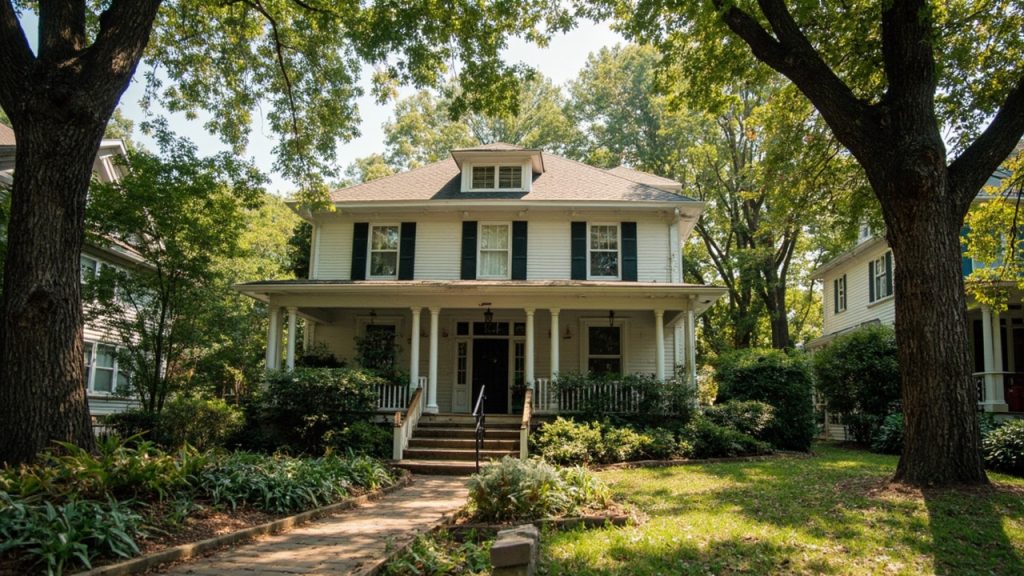
Wilmore homeowners face a unique challenge when balancing the preservation of a 1920s bungalow with the need for modern comfort in Charlotte’s humid climate. If you own a historic property in this neighborhood, you know that keeping the air cool without destroying the architectural integrity of your home is a delicate task. Traditional HVAC installations often require cutting large holes for ductwork. This can ruin original plaster walls and ornate crown moldings that define the character of Wilmore. In 2026, we have better options that provide superior climate control while respecting the history of your house.
Preserving a historic home means understanding the materials used a century ago. Most homes in Wilmore feature plaster and lath construction. These walls are much thicker and more brittle than modern drywall. If a technician uses standard tools to cut through them, they risk cracking the entire wall surface. Our approach focuses on non-invasive techniques that work around these structural hurdles. We treat every historic renovation as a preservation project first and a mechanical install second.
The Challenges of Climate Control in Charlotte Historic Districts
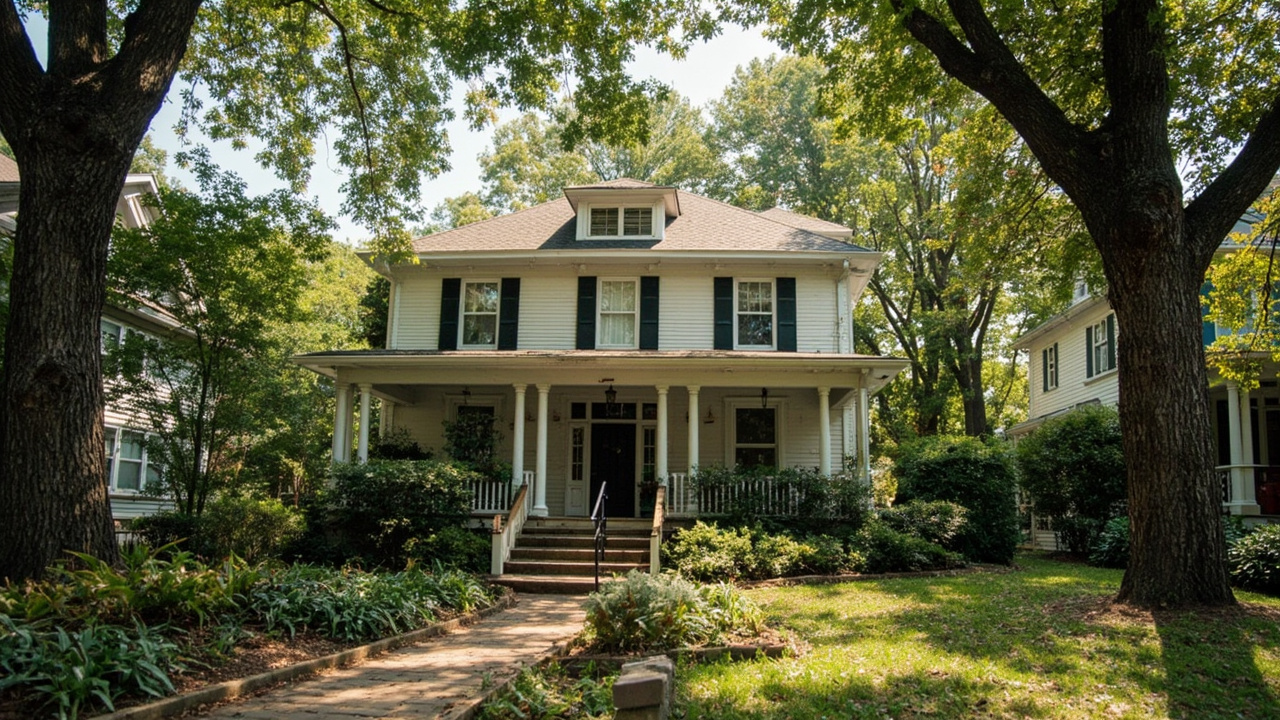
Charlotte is known for its high humidity and fluctuating temperatures. In Wilmore, many homes were built before central air conditioning was a standard feature. These houses rely on high ceilings and large windows for natural ventilation. While those features are beautiful, they do not stand up to a July afternoon in North Carolina. Modern HVAC systems must work harder to remove moisture from the air in older homes because of the lack of modern vapor barriers in the crawlspaces and attics.
The Charlotte Historic District Commission or HDC has specific guidelines that homeowners must follow. You cannot simply install a large condenser unit in your front yard or run visible refrigerant lines across the side of your cedar siding. Any exterior changes require a Certificate of Appropriateness. This ensures that the historic streetscape remains consistent. We understand these local codes and help you navigate the permit process to ensure your upgrade stays compliant with city regulations.
If you are also considering work in nearby neighborhoods, you might find that Dilworth homeowners trust our heating and cooling services for similar reasons. Both neighborhoods share a commitment to architectural preservation. Whether you are on Mint Street or South Tryon, the goal remains the same. You want a home that stays at a steady 72 degrees without looking like a construction zone.
High Velocity Systems for Older Properties
One of the most effective solutions for Wilmore bungalows is the high-velocity HVAC system. These systems use smaller, flexible ducts that are roughly two inches in diameter. We can thread these through existing wall cavities and floor joists without removing large sections of original wood or plaster. The air handlers are compact enough to fit in small attics or crawlspaces that would never accommodate a traditional furnace.
High-velocity air handlers work by moving air at a higher pressure than standard units. This creates a gentle suction that pulls the room air into the stream, resulting in more even temperatures. You will not experience the hot and cold spots common in older homes with window units or poorly designed retrofits. These systems are also excellent at removing humidity, which is vital for protecting original heart pine floors from warping during the damp Charlotte summers.
Table 1. Comparing HVAC System Types for Historic Wilmore Homes
| System Feature | High-Velocity (Unico) | Ductless Mini-Split | Traditional Split System |
|---|---|---|---|
| Duct Size | 2 to 3 inch flexible tubes | No ducts required | 8 to 14 inch rigid ducts |
| Wall Impact | Minimal (small vents) | Low (wall mounted unit) | High (bulkheads needed) |
| Humidity Control | Superior | Moderate | Standard |
| Aesthetic Impact | Virtually invisible | Visible indoor unit | Requires soffits or drops |
Ductless Mini Split Options for Zoned Comfort
If your Wilmore renovation involves an addition or a finished attic, ductless mini-splits are a fantastic choice. These systems do not require any ductwork at all. A thin refrigerant line connects the outdoor condenser to an indoor air handler. These units are highly efficient and allow for independent temperature control in different rooms. This is perfect for a home office or a master suite where you might want more cooling than in the rest of the house.
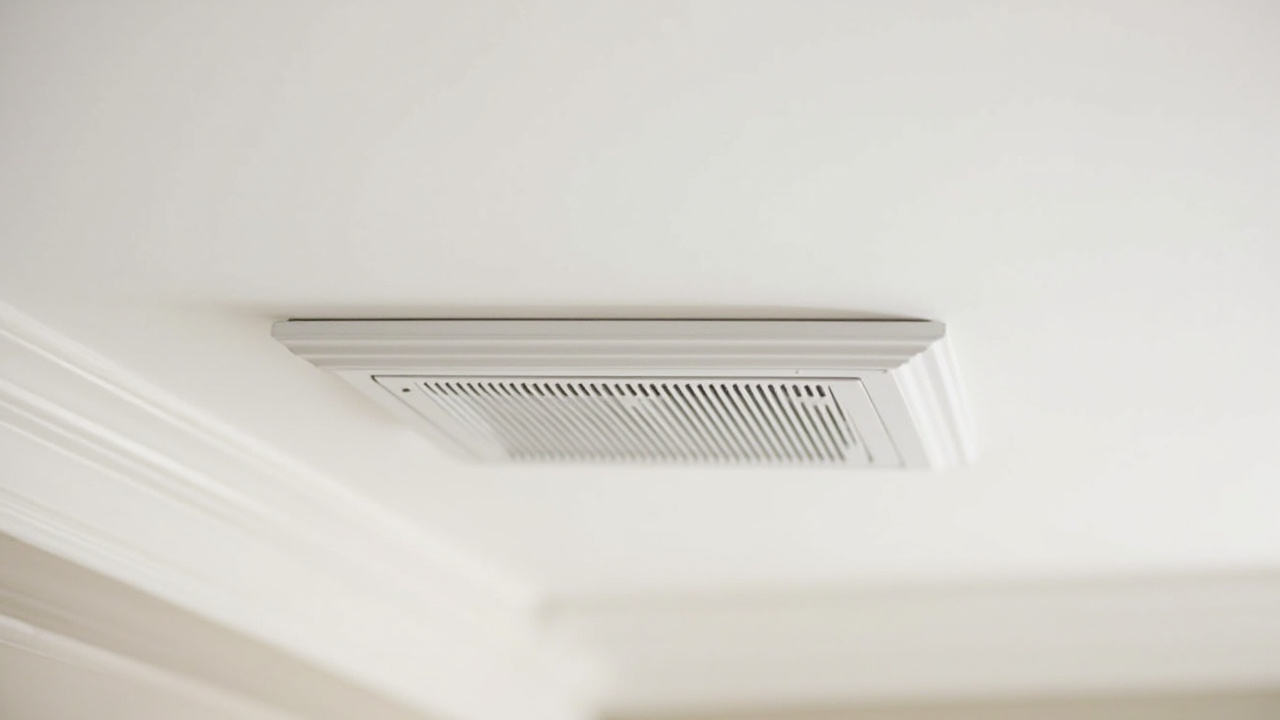
Many homeowners worry about the look of a wall-mounted unit in a historic room. Modern 2026 designs offer recessed ceiling cassettes and floor-mounted units that are much more discreet. We can often hide these units behind decorative screens or within custom cabinetry as long as there is proper airflow. This technology has improved significantly, with current models offering whisper-quiet operation that will not disturb the peaceful atmosphere of a quiet Wilmore street.
For those living in other historic areas, you may find that the best way to handle a broken air conditioner in Myers Park involves these same types of high-efficiency, low-impact solutions. Modern homeowners expect both comfort and style, and the current 2026 equipment allows us to deliver both.
Navigating the HDC and Building Codes
The process of upgrading HVAC in a historic district involves more than just picking a unit. You need to consider the placement of the outdoor equipment and the noise levels it produces. The Mecklenburg County Building Permits office requires specific setbacks from property lines. In Wilmore, where lots can be narrow, finding the right spot for a condenser is often a puzzle.
HDC rules usually require that outdoor units be screened from view with landscaping or approved fencing. We help you choose units with a smaller footprint and lower decibel ratings to satisfy both the city and your neighbors. Using inverter technology in your new system means the condenser can run at lower speeds, which significantly reduces the humming sound that older units make.
Steps for a Successful Historic HVAC Upgrade
- Consult with a preservation-minded HVAC expert to assess your home’s structure.
- Review the current Charlotte Historic District guidelines for exterior equipment.
- Perform a Manual J load calculation to ensure the system is sized correctly for old insulation levels.
- Submit your plans to the HDC for a Certificate of Appropriateness if necessary.
- Coordinate with carpenters who understand plaster and lath repair for vent installation.
- Schedule a final inspection to ensure the system meets all 2026 North Carolina mechanical codes.
Efficiency and Indoor Air Quality in 2026
Current energy standards in 2026 require higher SEER2 ratings for all new installations. This is good news for your utility bills. Older Wilmore homes often have drafts and poor insulation. By installing a high-efficiency system, you can offset some of that heat gain. We also recommend looking at indoor air quality add-ons like UV lights and HEPA filtration. Since older homes can trap dust and allergens in their crawlspaces, these upgrades ensure the air you breathe is as clean as it is cool.
If you are searching for finding the best air conditioning installation experts in Matthews North Carolina or right here in Wilmore, always ask about their experience with historic materials. A technician who only knows how to work on new construction in Ballantyne might not understand how to protect your 100-year-old plaster. Experience with local architecture is the most important factor in a successful renovation.
Case Study of a Wilmore Bungalow Restoration
We recently completed a project on a 1924 Craftsman bungalow near Wilmore Elementary. The homeowner wanted to replace an aging, noisy window unit system with a whole-home solution. The house featured original oak flooring and intricate crown molding throughout the living areas. A traditional ducted system would have required lowering the ceilings by eight inches to accommodate the vents, which was not an option for the owner.
We implemented a high-velocity Unico system. We placed the air handler in the attic and ran the small flexible supply tubes through the back of closets and inside interior wall cavities. We used round wooden vent covers that were stained to match the original flooring. The result was a system that provided modern cooling while remaining almost entirely invisible to the naked eye. The homeowner also qualified for current Duke Energy rebates for installing a high-efficiency heat pump system.
Table 2. Estimated Timelines and Costs for Historic HVAC Retrofits
| Phase of Project | Traditional Retrofit | High-Velocity Install | Ductless Mini-Split |
|---|---|---|---|
| Planning and Permits | 2 to 3 weeks | 2 to 3 weeks | 1 to 2 weeks |
| Structural Prep | 5 to 7 days | 1 to 2 days | None |
| Mechanical Install | 4 to 6 days | 3 to 5 days | 1 to 2 days |
| Plaster/Trim Repair | 7 to 10 days | 1 to 2 days | Minimal |
| Total Est. Timeline | 4 to 5 weeks | 3 to 4 weeks | 2 to 3 weeks |
Refrigerant Standards and Future Proofing
As we move through 2026, the industry has transitioned to new refrigerants like R-454B. These are more environmentally friendly and offer better heat transfer properties. When upgrading your Wilmore home, it is essential to choose equipment that uses these current standards. Installing an older system that uses phased-out refrigerants will make repairs much more expensive in the future. We only install the latest equipment from brands like Carrier and Trane to ensure your investment lasts for decades.
Proper sizing is another critical factor. Many contractors make the mistake of over-sizing units for old homes. They assume that because the house is old, it needs a massive air conditioner. However, an oversized unit will cycle on and off too quickly. This prevents the system from removing humidity, leaving your home feeling clammy and cold. We use precise calculations that take into account your specific window types, ceiling heights, and current insulation levels.
For those in the northern parts of the county, we also offer professional furnace repair in Huntersville that fits your family budget during the winter months. Our team travels across the entire Charlotte metro area, but our heart is in the historic districts where we can show off our specialized skills. We take pride in keeping the history of Wilmore alive while making it a comfortable place to live for modern families.
If you are ready to start your historic HVAC renovation, the first step is a thorough home assessment. We will walk through your property and identify the least invasive paths for your new system. We look at everything from your electrical panel capacity to the stability of your attic joists. Contact us today to discuss how we can bring modern comfort to your Wilmore bungalow without losing its historic soul.
{
“@context”: “https://schema.org”,
“@type”: “BlogPosting”,
“headline”: “HVAC Upgrades for Wilmore Historic Home Renovations”,
“description”: “Learn how Wilmore homeowners can upgrade to modern high-efficiency HVAC systems without damaging historic plaster or violating Charlotte HDC regulations.”,
“wordCount”: 1729,
“datePublished”: “2026-03-06T07:18:00.000Z”,
“dateModified”: “2026-03-06T07:18:00.000Z”,
“inLanguage”: “en-US”,
“mainEntityOfPage”: {
“@type”: “WebPage”,
“@id”: “https://keystonehvaccharlotte.com”
},
“publisher”: {
“@type”: “LocalBusiness”,
“name”: “Keystone HVAC Charlotte”,
“url”: “https://keystonehvaccharlotte.com”
},
“author”: {
“@type”: “Organization”,
“name”: “Keystone HVAC Charlotte”,
“url”: “https://keystonehvaccharlotte.com”
},
“image”: {
“@type”: “ImageObject”,
“url”: “https://keystonehvaccharlotte.com/wp-content/uploads/2026/03/what-wilmore-homeowners-should-know-about-upgradin-1.jpg”
}
}
{
“@context”: “https://schema.org”,
“@type”: “HVACBusiness”,
“name”: “Keystone HVAC Charlotte”,
“url”: “https://keystonehvaccharlotte.com”,
“address”: {
“@type”: “PostalAddress”,
“addressLocality”: “Charlotte”
},
“areaServed”: {
“@type”: “City”,
“name”: “Charlotte”
}
}
{
“@context”: “https://schema.org”,
“@type”: “BreadcrumbList”,
“itemListElement”: [
{
“@type”: “ListItem”,
“position”: 1,
“name”: “Home”,
“item”: “https://keystonehvaccharlotte.com”
},
{
“@type”: “ListItem”,
“position”: 2,
“name”: “Blog”,
“item”: “https://keystonehvaccharlotte.com/blog”
},
{
“@type”: “ListItem”,
“position”: 3,
“name”: “HVAC Upgrades for Wilmore Historic Home Renovations”
}
]
}
{
“@context”: “https://schema.org”,
“@type”: “Service”,
“serviceType”: “HVAC”,
“provider”: {
“@type”: “LocalBusiness”,
“name”: “Keystone HVAC Charlotte”,
“url”: “https://keystonehvaccharlotte.com”
},
“areaServed”: {
“@type”: “City”,
“name”: “Charlotte”
},
“description”: “Learn how Wilmore homeowners can upgrade to modern high-efficiency HVAC systems without damaging historic plaster or violating Charlotte HDC regulations.”
}