
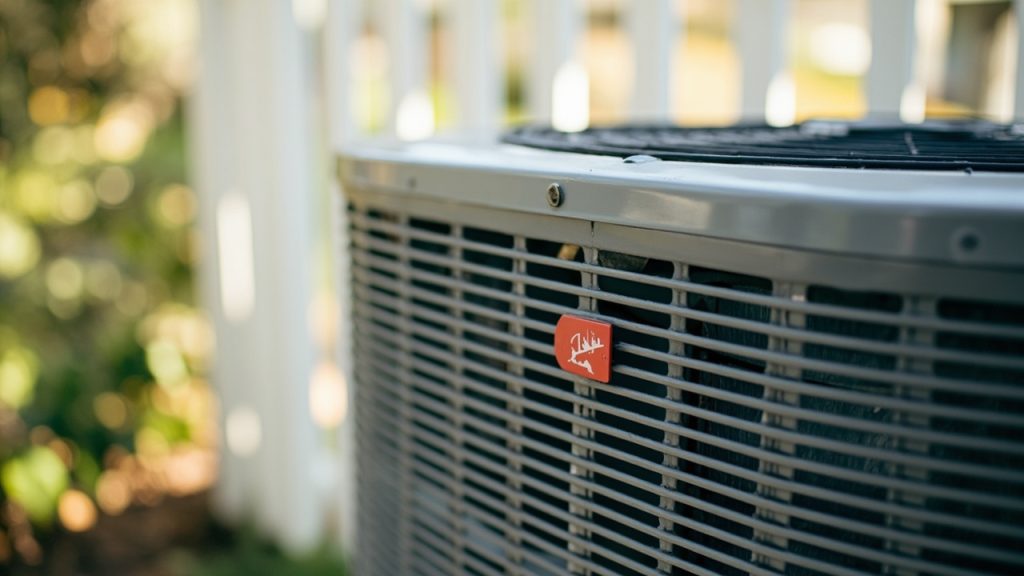
LoSo residents love their pets and the walkability of the Lower South End area. If you live near the Rail Trail or frequent the local breweries with your four-legged friend, you know that Charlotte is one of the most dog-friendly cities in the country. While our pets are family, they can unknowingly cause thousands of dollars in damage to your home comfort system. Dog urine is one of the most common causes of premature condenser failure in high-density areas like LoSo where yard space is limited. Understanding the chemistry of this damage and how to prevent it will save you from an unexpected system replacement during a humid North Carolina summer.
Outdoor air conditioning units are designed to withstand rain and wind but they are not built to handle the corrosive nature of pet waste. When a dog marks their territory on the side of your AC unit, the liquid seeps into the delicate aluminum fins and copper coils. This starts a chemical reaction that can destroy your system from the inside out. In the current 2026 cooling season, efficiency standards are higher than ever. Even minor damage to your outdoor coils can lead to a significant drop in performance and a spike in your monthly Duke Energy bills.
The Science of How Dog Urine Destroys HVAC Coils
The primary culprit in pet-related AC damage is urea. This organic compound contains high concentrations of nitrogen which becomes acidic when it breaks down. Most modern air conditioners in Charlotte use aluminum fins pressed against copper tubing or all-aluminum microchannel coils. When the acidic urine hits these metals, it triggers a process called galvanic corrosion. This process eats away at the thin metal fins that are responsible for heat transfer. Once these fins dissolve or flatten, the unit can no longer release heat effectively.
In our humid Charlotte climate, this corrosion happens even faster. The moisture in the air reacts with the uric acid to keep the metal in a constant state of decay. You might notice the bottom six to twelve inches of your unit looking dark, crumbly, or completely missing. This is a sign that the structural integrity of the coil is gone. If the corrosion reaches the copper refrigerant lines, you will face a refrigerant leak. Since modern refrigerants used in 2026 are highly regulated, repairing these leaks is an expensive and technical process that requires a professional touch. If you are experiencing cooling issues in other parts of the city, you can find Ballantyne AC repair experts who can get your home cool today by contacting our team.
Identifying Pet Damage on Your Condenser Unit
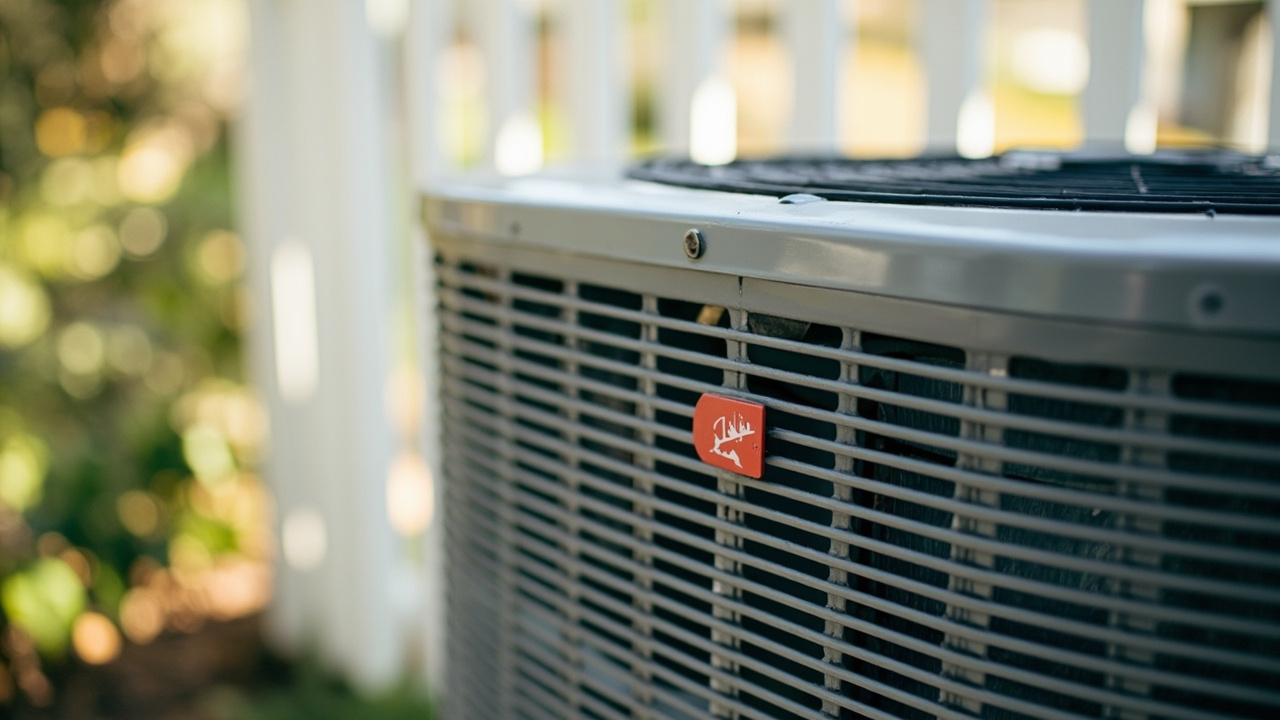
It is important to inspect your outdoor unit regularly. Look at the exterior metal mesh or the thin fins behind the guard. If the metal looks like it is turning into white powder or if the fins are missing in a specific pattern, you likely have a pet damage issue. You may also notice a distinct odor when the fan kicks on during a hot afternoon. Pet urine can also attract pests like ants and wasps that find the sticky residue a perfect place to build nests. This further compromises the electrical components inside the service panel.
Many homeowners in the South Boulevard corridor mistake this damage for simple aging. However, a well-maintained unit in Charlotte should last many years without the metal fins falling off. If you see signs of pitting or green oxidation on the copper lines, the damage has already progressed past the surface level. At this stage, the compressor has to work much harder to cool your home. This extra strain leads to higher internal temperatures and eventual motor burnout. For those living in historic areas, you might find that Dilworth homeowners trust our heating and cooling services because we understand how to protect these systems in urban environments.
Effective Barriers for AC Protection in LoSo
The most effective way to protect your system is to install a physical barrier. In the tight lot lines of LoSo, you have to be strategic about how you block access. A decorative fence is a popular choice for many Charlotte residents. You can use vinyl lattice, cedar pickets, or powder-coated steel. The goal is to create a perimeter that prevents the dog from getting close enough to lift a leg on the unit. However, you must ensure that the barrier does not restrict airflow.
Airflow is the lifeblood of your air conditioner. If you wrap the unit too tightly, the heat cannot escape. This causes the system to overheat and can void your manufacturer warranty. Most manufacturers require a minimum of 24 inches of clear space around the entire perimeter of the unit. This allows the fan to pull in enough air to cool the internal components. When building a fence, use materials with plenty of gaps or holes to ensure the static pressure remains within safe limits. A professional air conditioning installation expert in Matthews North Carolina or right here in Charlotte can help you determine the exact clearance needed for your specific model.
Comparison of Protective Barriers for HVAC Units
| Barrier Type | Protection Level | Airflow Impact | Durability |
|---|---|---|---|
| Vinyl Lattice Fence | Moderate | Low | High |
| Steel AC Cage | Maximum | Minimal | Very High | Picket Fencing | Moderate | Moderate | Moderate |
| Shrubbery and Hedges | Low | High | Variable |
The Risk of Chewed Refrigerant Lines and Wires
Urine is not the only threat that pets pose to your HVAC system. Puppies and active breeds often find the insulation on refrigerant lines or the colorful electrical wires irresistible. The line set is the pair of copper tubes that connects your indoor evaporator coil to the outdoor condenser. One of these lines is typically covered in black foam insulation. Dogs can easily shred this insulation, which reduces the efficiency of the cooling process and leaves the copper vulnerable to the elements.
Worse yet is the danger of electrical shock. The control wires that tell your AC when to turn on carry a low voltage, but the main power lines carry 240 volts. If a dog bites through the conduit or the wire whip, it can result in a fatal injury for the pet and a complete electrical short for your home. We recommend using galvanized steel conduit for any exposed wiring near the ground. This provides a chew-proof shield that keeps both your pet and your air conditioner safe. If you ever find yourself with a system that won’t start after a pet was playing nearby, you should seek the best way to handle a broken air conditioner in Myers Park or LoSo by calling a licensed technician immediately.
Maintaining Efficiency and SEER Ratings in 2026
The efficiency of your unit is measured by its SEER2 rating. In 2026, the federal standards for these ratings are stricter than they have ever been. Maintaining these ratings requires the coils to stay perfectly clean. When pet hair and dander get sucked into the fins, they form a thick mat that acts like a blanket. This blanket traps heat and prevents the refrigerant from cooling down. Over time, this leads to a decrease in the SEER2 performance of your unit. This means you pay more for less cooling.
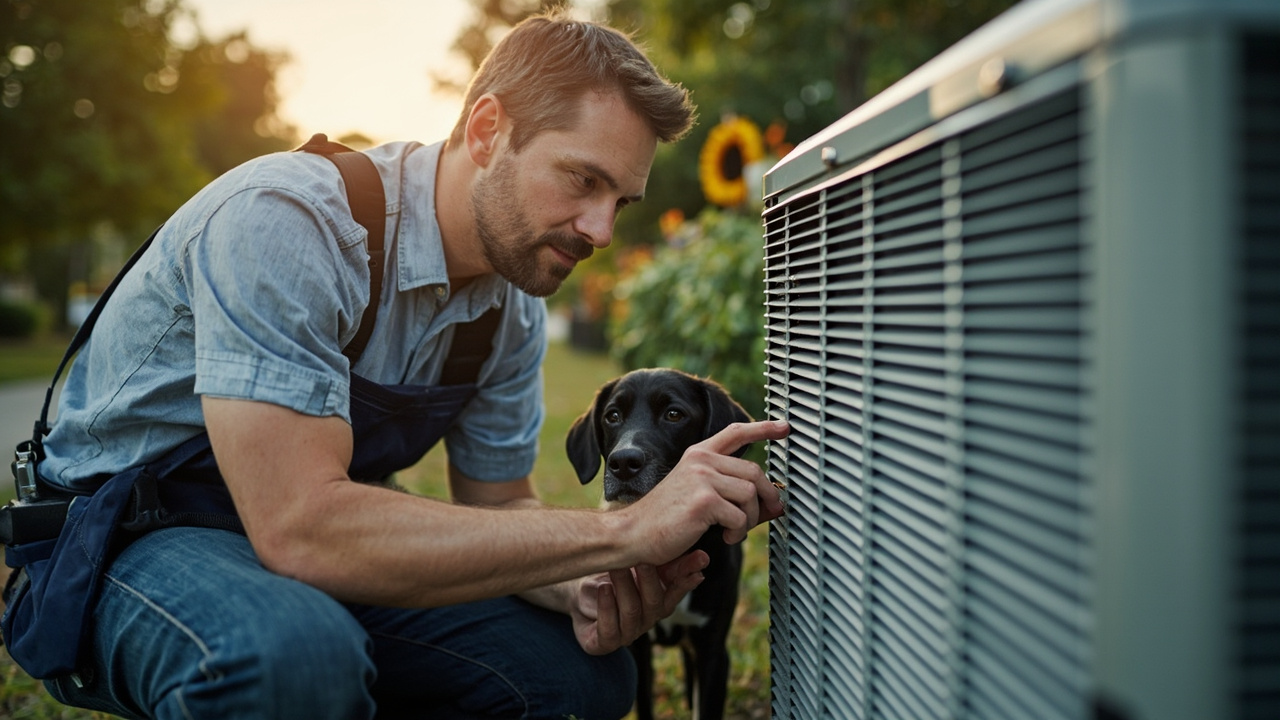
Homeowners with multiple pets should perform a monthly visual inspection. Use a soft brush or a vacuum with a brush attachment to gently remove any hair from the exterior of the unit. Do not use a high-pressure washer as this can bend the soft aluminum fins and cause even more damage. A gentle rinse with a garden hose is usually enough to clear away dust and light debris. For deeper cleaning, especially after a season of high pollen in Charlotte, professional maintenance is required to ensure the internal components are also free of pet-related buildup.
Estimated Impact of Damage on System Performance
| Damage Type | Efficiency Loss | Potential Repair Need |
|---|---|---|
| Light Surface Corrosion | 5 to 10 percent | Chemical Coil Cleaning |
| Moderate Fin Loss | 15 to 25 percent | Fin Combing or Coating |
| Severe Coil Decay | 30 to 50 percent | Full Coil Replacement |
| Blocked Airflow (Hair) | 10 to 20 percent | Professional Maintenance |
Landscaping Strategies for Pet Owners
If you prefer a more natural look than a fence, landscaping can act as a secondary deterrent. However, you must choose your plants carefully. Avoid planting heavy shrubs too close to the unit as they trap moisture and restrict airflow. Instead, consider using large, smooth river rocks around the base of the AC. Dogs are often less comfortable standing on uneven rocks to relieve themselves. You can also use pet-safe repellent sprays that utilize scents like citrus or bitter apple to discourage marking.
Another option is to create a designated potty area far away from the HVAC equipment. Use a different substrate like artificial turf or pine bark to signal to your dog that this is the correct place to go. Positive reinforcement training can help redirect their behavior. In neighborhoods like LoSo where every square foot of yard counts, these small changes in landscaping can make a big difference in the lifespan of your mechanical systems. For residents further north, professional furnace repair in Huntersville that fits your family budget often involves similar discussions about protecting outdoor components from the elements and pets.
Safety Measures for Cold Weather Performance
While we focus heavily on cooling during the Charlotte summers, many LoSo homes use heat pumps for winter warmth. These units run year-round, which means they are always at risk of pet damage. During the winter, the outdoor unit needs to pull heat from the air. If the coils are corroded from a summer of pet urine, the heat pump will struggle to find enough thermal energy. This can lead to the auxiliary heat strips kicking on more frequently, which drastically increases your winter power bills.
Keeping the area around your unit clear of snow, ice, and pet waste is vital for year-round comfort. If you notice that your outdoor unit is icing up excessively during a cold snap, it could be due to restricted airflow from pet hair or damaged fins. A quick check of the exterior can tell you if the unit is breathing properly. Regular maintenance according to industry standards from the Air Conditioning Contractors of America is the best way to keep your heat pump running smoothly in every season.
Steps to Take if Damage Already Exists
If you discover that your unit has already been affected by dog urine, do not panic. The first step is to neutralize the acid. You can mix a small amount of mild dish soap with water and gently rinse the area. Avoid using harsh household cleaners as they can react poorly with the metal. Once the area is clean, a licensed technician can evaluate the extent of the damage. In some cases, we can apply a protective coating to the coils to prevent further decay. This coating acts as a barrier between the metal and any future moisture or acidity.
If the fins are severely flattened, a tool called a fin comb can sometimes be used to straighten them out. This restores some of the lost airflow. However, if the metal has turned to powder and fallen away, the only permanent solution is to replace the coil or the entire outdoor unit. Acting quickly when you first notice damage is the key to avoiding a total system failure. Most modern warranties do not cover damage caused by animals, so prevention is always the most cost-effective strategy.
- Check your outdoor unit weekly for signs of yellowing or corrosion.
- Ensure any fencing allows for a 24-inch clearance for proper airflow.
- Install chew-proof conduit over any exposed wiring or refrigerant lines.
- Rinse the base of your unit with a garden hose once a month during the summer.
- Train your pets to use a designated area away from the HVAC equipment.
- Schedule a professional inspection if you notice a drop in cooling performance.
Final Thoughts on HVAC Longevity in Charlotte
Maintaining a comfortable home in Charlotte requires a proactive approach to HVAC care. In the active and pet-friendly community of LoSo, protecting your outdoor unit is just as important as changing your air filters. By taking a few simple steps to shield your system from dog urine and chewing, you can extend the life of your equipment and keep your utility bills low. Our city is a wonderful place for pets and humans alike, and with the right precautions, your home comfort system can thrive in this environment. If you have questions about the current state of your outdoor unit or need assistance with a protective barrier, reach out to a local professional who understands the unique challenges of the Queen City climate.
{
“@context”: “https://schema.org”,
“@type”: “BlogPosting”,
“headline”: “Ways to Keep Your Outdoor AC Unit Safe From Dog Urine and Pet Damage in LoSo”,
“description”: “Learn how to protect your Charlotte AC unit from dog urine and pet damage. Expert tips for LoSo residents to prevent corrosion and maintain cooling efficiency.”,
“wordCount”: 2109,
“datePublished”: “2026-04-05T10:41:00.000Z”,
“dateModified”: “2026-04-05T10:41:00.000Z”,
“inLanguage”: “en-US”,
“mainEntityOfPage”: {
“@type”: “WebPage”,
“@id”: “https://keystonehvaccharlotte.com”
},
“publisher”: {
“@type”: “LocalBusiness”,
“name”: “Keystone HVAC Charlotte”,
“url”: “https://keystonehvaccharlotte.com”
},
“author”: {
“@type”: “Organization”,
“name”: “Keystone HVAC Charlotte”,
“url”: “https://keystonehvaccharlotte.com”
},
“image”: {
“@type”: “ImageObject”,
“url”: “https://keystonehvaccharlotte.com/wp-content/uploads/2026/03/protecting-your-outdoor-ac-unit-from-dog-urine-and-1.jpg”
}
}
{
“@context”: “https://schema.org”,
“@type”: “HVACBusiness”,
“name”: “Keystone HVAC Charlotte”,
“url”: “https://keystonehvaccharlotte.com”,
“address”: {
“@type”: “PostalAddress”,
“addressLocality”: “Charlotte”
},
“areaServed”: {
“@type”: “City”,
“name”: “Charlotte”
}
}
{
“@context”: “https://schema.org”,
“@type”: “BreadcrumbList”,
“itemListElement”: [
{
“@type”: “ListItem”,
“position”: 1,
“name”: “Home”,
“item”: “https://keystonehvaccharlotte.com”
},
{
“@type”: “ListItem”,
“position”: 2,
“name”: “Blog”,
“item”: “https://keystonehvaccharlotte.com/blog”
},
{
“@type”: “ListItem”,
“position”: 3,
“name”: “Ways to Keep Your Outdoor AC Unit Safe From Dog Urine and Pet Damage in LoSo”
}
]
}
{
“@context”: “https://schema.org”,
“@type”: “Service”,
“serviceType”: “HVAC”,
“provider”: {
“@type”: “LocalBusiness”,
“name”: “Keystone HVAC Charlotte”,
“url”: “https://keystonehvaccharlotte.com”
},
“areaServed”: {
“@type”: “City”,
“name”: “Charlotte”
},
“description”: “Learn how to protect your Charlotte AC unit from dog urine and pet damage. Expert tips for LoSo residents to prevent corrosion and maintain cooling efficiency.”
}