
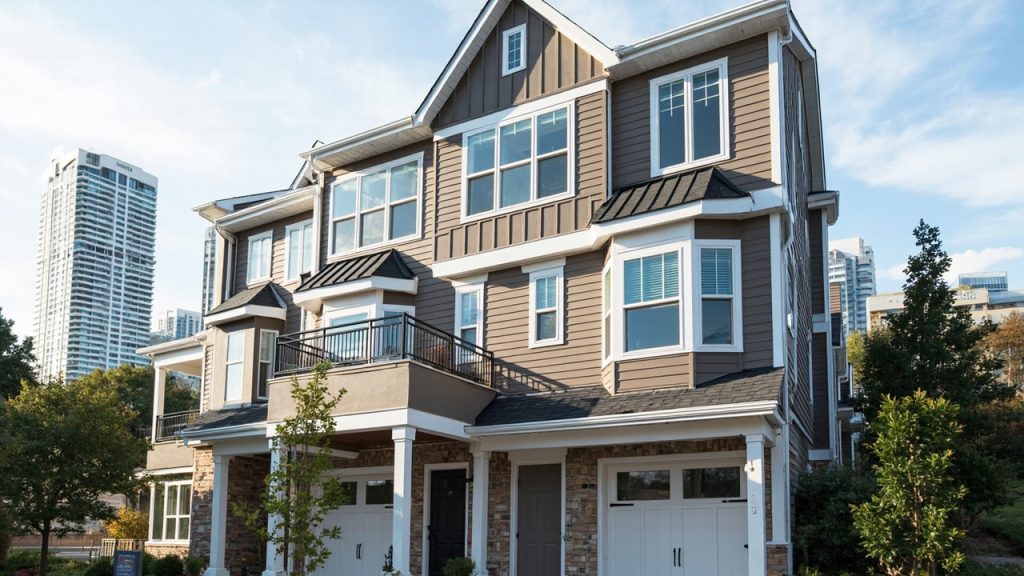
South End is changing fast. You see new townhomes appearing near the Rail Trail every week. These homes are energy efficient. They use advanced sealing techniques to keep your cooling costs down during a hot July in Mecklenburg County. There is a downside to this airtight construction. When you seal a home so tightly that air cannot escape, you also trap everything inside. This includes moisture, carbon dioxide, and volatile organic compounds from new carpets or paint. This phenomenon is often called tight house syndrome.
Modern building codes in North Carolina require homes to be more efficient than ever in 2026. This is great for your Duke Energy bill, but it is not always great for your lungs. Without a natural exchange of air, your indoor environment can become stagnant. This leads to issues like high humidity, lingering cooking smells, and even mold growth behind your furniture. If your system struggles with the load from poor ventilation, you might need Ballantyne AC Repair Experts Who Can Get Your Home Cool Today to look at your overall system health.
South End Architecture and the Need for Fresh Air
The architectural trend in South End involves vertical living and dense construction. Whether you live in a sleek condo on Camden Road or a luxury townhome near Worthington Avenue, your home likely lacks the natural draftiness of an older house in Myers Park. Drafts were once considered a bad thing, but they provided a constant supply of fresh outdoor air. In a modern 2026 build, we provide that air mechanically. Mechanical ventilation ensures that your home breathes without losing the energy efficiency you paid for when you bought a new construction property.
Similar issues happen in nearby areas, which is why residents often look for The Best Way to Handle a Broken Air Conditioner in Myers Park. When a home cannot breathe, the air conditioner works twice as hard to manage the heat and the humidity. This puts pressure on the compressor and the blower motor. In South End, where the urban heat island effect makes temperatures higher than the surrounding suburbs, this stress is magnified. The asphalt and concrete around Mint Street and the Gold District hold heat long after the sun goes down, meaning your HVAC system rarely gets a break.
Understanding Energy Recovery Ventilators and Heat Recovery Ventilators
There are two primary ways to bring fresh air into an airtight home while maintaining efficiency. These are Energy Recovery Ventilators and Heat Recovery Ventilators. Both systems use two fans. One fan pulls stale air out of your home. The other fan pulls fresh air in from outside. The exchange happens in the heat exchanger core where the two air streams pass each other without mixing. This allows the outgoing air to pre-condition the incoming air.
A Heat Recovery Ventilator focuses on sensible heat. This means it only transfers the temperature. In the winter, the warm air leaving your home heats up the cold air coming in. In the summer, the cool air leaving your home cools down the hot air coming in. An Energy Recovery Ventilator goes one step further. It transfers both heat and moisture. This moisture transfer is known as latent heat. In a humid climate like Charlotte, the ability to manage moisture is vital for indoor comfort.
According to the Environmental Protection Agency, indoor air can be significantly more polluted than outdoor air. In a tightly sealed South End home, pollutants like radon, pet dander, and cleaning chemicals accumulate quickly. A properly installed Energy Recovery Ventilator or Heat Recovery Ventilator system ensures that these pollutants are flushed out and replaced with filtered air from the outside. This constant cycle prevents the buildup of carbon dioxide, which can cause headaches and fatigue during your workday if you work from home in Wilmore.
The Role of Mecklenburg County Humidity in Your Ventilation Choice
Charlotte is known for its heavy, humid summers. Mecklenburg County often sees relative humidity levels climb above eighty percent during the early morning hours in August. This humidity is the enemy of comfort. When you bring fresh air into your home, you are also bringing in all that water vapor. If you use a standard ventilation fan, your air conditioner must work hard to remove that extra moisture.
This is why an Energy Recovery Ventilator is almost always the better choice for South End homeowners. An Energy Recovery Ventilator uses a desiccant material in its core to pull moisture out of the incoming air stream and vent it back outside. This means the fresh air entering your living room is not just cooler, it is also drier. We see these ventilation challenges across the city, which is Why Dilworth Homeowners Trust Our Heating and Cooling Services in areas like Dilworth where historic homes are being retrofitted with modern sealing technology.
Technical Comparison of Ventilator Performance
Choosing between these two systems depends on your specific goals and the way you use your home. While we focus on South End today, we also provide Professional Furnace Repair in Huntersville That Fits Your Family Budget and discuss these same ventilation needs with families in the northern part of the county. The following table breaks down the core differences you should consider for a current installation.
| Feature | Heat Recovery Ventilator | Energy Recovery Ventilator |
|---|---|---|
| Heat Transfer Type | Sensible Temperature Only | Sensible and Latent Heat |
| Ideal Climate | Cold and Dry | Hot and Humid |
| Summer Performance | Cools air but leaves humidity | Cools air and reduces moisture |
| Winter Performance | Heats air but can dry out the home | Heats air and retains moisture |
| Maintenance Needs | Core cleaning and filter changes | Filter changes and desiccant checks |
Expansion of North Carolina 2026 Building Code Requirements
The 2026 North Carolina Energy Conservation Code has set new benchmarks for how airtight a home must be. For new residential construction in South End, the code requires a blower door test result of 3.0 air changes per hour or less. This is known as the ACH50 metric. Many builders near West Tremont Avenue are exceeding these standards and achieving ratings as low as 1.5 ACH50. While this level of sealing makes the home incredibly efficient, it creates a vacuum effect where no air moves without mechanical help.
Section R402.4.1.2 of the current code specifies that homes hitting these low numbers must include a whole-house mechanical ventilation system. This is not optional. If you live in a townhome built in 2026, your builder likely installed a system to meet these requirements. However, many systems are set to the bare minimum. We often help homeowners adjust these settings to ensure the air quality meets their specific needs. If your home was built recently and you feel the air is stale, the system might not be calibrated correctly for the number of people living in the house.
Smart Home Sensor Technology in 2026
Modern South End homes use advanced sensors to monitor air quality. In 2026, we integrate Matter-compatible sensors directly into your HVAC system. These sensors track fine particulate matter, also known as PM2.5, which is common in urban areas with high traffic like the South End corridor. When the sensor detects a spike in particulates or volatile organic compounds, it sends a signal to your ventilation system to increase the exchange rate.
You can monitor these levels through dedicated apps on your phone. These apps show you the current carbon dioxide levels in your bedroom or the humidity levels in your basement. If you are cooking on a gas range, you will see the nitrogen dioxide levels rise. A smart system will automatically ramp up the Energy Recovery Ventilator to flush those gases out. This automation ensures you are not wasting energy when the air is clean but provides protection the moment the air quality drops. This is a significant upgrade from older systems that simply ran on a basic timer.
Installation Requirements for Modern Charlotte Townhomes
Installing these systems in a South End townhome requires careful planning. Most new builds have limited mechanical closet space. We often look for solutions like ceiling-mounted units or integrating the ventilator directly into your existing air handler ductwork. Proper setup starts with Finding the Best Air Conditioning Installation Experts in Matthews North Carolina who understand the nuances of the local building codes.
The North Carolina Building Code has specific requirements for the amount of fresh air a home needs based on its square footage and the number of bedrooms. We use specialized tools to measure the airflow in your home and determine exactly how many cubic feet per minute of fresh air your system needs to provide. Over-ventilating can waste energy, while under-ventilating leaves your air feeling heavy. We also consider the proximity to local construction. With so many new projects near the Rail Trail, your intake filters need to be high-quality to keep out construction dust.
Signs of Poor Indoor Air Quality in New Construction
How do you know if your airtight home is suffering from poor ventilation? There are several red flags that South End residents should watch for. If you notice any of these, it is time to consider adding or adjusting your mechanical ventilation.
- Condensation on the inside of your windows during the winter months.
- Lingering odors from cooking or cleaning products that last for days.
- A feeling of stuffiness or a lack of air movement in bedrooms.
- Increased allergy symptoms or respiratory irritation while inside the home.
- Visible mold or mildew in bathrooms or on the walls behind furniture.
- Excessive dust buildup despite regular cleaning of your South End townhome.
- Frequent headaches or sleepiness that improves when you step outside.
These issues are common in new construction homes that rely on a standard air conditioner without a dedicated fresh air system. The American Society of Heating, Refrigerating and Air-Conditioning Engineers provides guidelines on how much ventilation is necessary to maintain a healthy indoor environment. Following these standards is essential for health and comfort in the Charlotte climate.
Long Term Maintenance for Mechanical Ventilation Systems
Once your Energy Recovery Ventilator or Heat Recovery Ventilator is installed, it requires regular care. Because these units pull air directly from the outside, they collect pollen, dust, and urban debris. In Charlotte, where the spring pollen count is extreme, your filters will work hard. Neglecting maintenance can lead to reduced airflow and increased energy consumption. The following table outlines what a typical maintenance schedule looks like in 2026.
| Maintenance Task | Frequency | Benefit |
|---|---|---|
| Filter Inspection | Every 3 Months | Prevents dust and pollen from entering the home. |
| Filter Replacement | Every 6 Months | Maintains optimal airflow and motor efficiency. |
| Core Cleaning | Annually | Ensures maximum heat and moisture transfer. |
| Exterior Vent Inspection | Every 6 Months | Checks for debris blockages. |
| Drain Line Check | Annually | Prevents water damage from condensate buildup. |
Local Energy Programs and Incentives for Charlotte Residents
In 2026, there are several programs available to help South End homeowners offset the cost of improving their indoor air quality. Duke Energy often offers rebates through their smart saver programs for residents who install high-efficiency equipment. These incentives are designed to reduce the overall load on the Charlotte power grid during the peak summer months. By installing an Energy Recovery Ventilator, you are helping the city become more sustainable while also improving your own comfort.
Beyond utility rebates, some federal tax credits apply to high-efficiency ventilation upgrades. We recommend checking with a qualified tax professional to see which current incentives apply to your 2026 home improvements. Investing in your indoor air quality is about protecting the value of your South End property. Homes with advanced HVAC systems and superior air quality are highly sought after in the Charlotte real estate market. This is true for townhomes near the Gold District where buyers prioritize modern technology and health features.
Frequently Asked Questions About South End Home Ventilation
Why does my new townhome feel more humid than my old house
Newer homes in South End are built with superior sealing and insulation. While this saves money on heating and cooling, it prevents moisture from escaping. In an older, drafty home, the humidity would leak out through gaps in windows and doors. In your new home, activities like showering and cooking trap water vapor inside. An Energy Recovery Ventilator helps by removing this excess moisture before it causes comfort issues or mold growth.
What is the current 2026 building code for home airtightness
The 2026 North Carolina Residential Code requires all new homes to undergo a blower door test. The house must show a leakage rate of 3.0 ACH50 or less. This means at a pressure of 50 Pascals, the air in the house changes no more than three times per hour. Most new builds in neighborhoods like Wilmore and South End are hitting even lower numbers, which makes mechanical ventilation a necessity rather than a luxury.
Can I install a ventilation system in a three story townhome
Yes, we install these systems in vertical living spaces frequently. We often use compact units that fit inside the mechanical closet alongside your furnace or air handler. In some cases, we use a manifold system to ensure fresh air reaches every floor, including the primary suite on the top level and the entryway on the bottom level. Proper ducting is the key to ensuring even distribution across all three stories.
Does an Energy Recovery Ventilator run all the time
It depends on your specific needs. In 2026, most systems use smart controls. The system might run on a low speed constantly to provide a baseline of fresh air. It can then ramp up to a higher speed when it detects high levels of carbon dioxide or moisture. This approach ensures you always have clean air without using more electricity than necessary. We can program the system to match your daily schedule in South End.
How often should I change the filters on my ventilation unit
You should check your filters every three months. In South End, the proximity to traffic and ongoing construction can cause filters to clog faster than in the suburbs. If you live near a major road like South Boulevard, you might need to replace them every four months to maintain the best air quality. Using high-efficiency filters will help keep your indoor air free of urban pollutants and allergens.
Fresh Air for Your South End Lifestyle
Living in an airtight home does not mean you have to sacrifice fresh air. By choosing the right mechanical ventilation system for the Charlotte climate, you can enjoy the energy savings of a new build along with the clean air of the outdoors. Whether you are moving into a brand new place in South End or looking to upgrade your existing townhome, a professional consultation is the first step toward a healthier home environment. Contact us today to learn more about how to bring fresh air into an airtight new construction home in South End.
{
“@context”: “https://schema.org”,
“@type”: “BlogPosting”,
“headline”: “How to bring fresh air into an airtight new construction home in South End”,
“description”: “Learn how to manage air quality in your airtight South End townhome. We cover 2026 building codes, ERV systems, and smart home sensors for Charlotte residents.”,
“wordCount”: 2480,
“datePublished”: “2026-04-06T10:18:00.000Z”,
“dateModified”: “2026-04-06T10:18:00.000Z”,
“inLanguage”: “en-US”,
“mainEntityOfPage”: {
“@type”: “WebPage”,
“@id”: “https://keystonehvaccharlotte.com”
},
“publisher”: {
“@type”: “LocalBusiness”,
“name”: “Keystone HVAC Charlotte”,
“url”: “https://keystonehvaccharlotte.com”
},
“author”: {
“@type”: “Organization”,
“name”: “Keystone HVAC Charlotte”,
“url”: “https://keystonehvaccharlotte.com”
},
“image”: {
“@type”: “ImageObject”,
“url”: “https://keystonehvaccharlotte.com/wp-content/uploads/2026/03/how-to-bring-fresh-air-into-an-airtight-new-constr-1.jpg”
}
}
{
“@context”: “https://schema.org”,
“@type”: “HVACBusiness”,
“name”: “Keystone HVAC Charlotte”,
“url”: “https://keystonehvaccharlotte.com”,
“address”: {
“@type”: “PostalAddress”,
“addressLocality”: “Charlotte”
},
“areaServed”: {
“@type”: “City”,
“name”: “Charlotte”
}
}
{
“@context”: “https://schema.org”,
“@type”: “BreadcrumbList”,
“itemListElement”: [
{
“@type”: “ListItem”,
“position”: 1,
“name”: “Home”,
“item”: “https://keystonehvaccharlotte.com”
},
{
“@type”: “ListItem”,
“position”: 2,
“name”: “Blog”,
“item”: “https://keystonehvaccharlotte.com/blog”
},
{
“@type”: “ListItem”,
“position”: 3,
“name”: “How to bring fresh air into an airtight new construction home in South End”
}
]
}
{
“@context”: “https://schema.org”,
“@type”: “Service”,
“serviceType”: “HVAC”,
“provider”: {
“@type”: “LocalBusiness”,
“name”: “Keystone HVAC Charlotte”,
“url”: “https://keystonehvaccharlotte.com”
},
“areaServed”: {
“@type”: “City”,
“name”: “Charlotte”
},
“description”: “Learn how to manage air quality in your airtight South End townhome. We cover 2026 building codes, ERV systems, and smart home sensors for Charlotte residents.”
}