

South End small business owners face a unique set of challenges when it comes to climate control. This neighborhood has transitioned from an industrial district into a dense hub of retail, dining, and modern office spaces. Many of the buildings you occupy are converted warehouses with high ceilings or new mixed use developments with strict ventilation requirements. Selecting a commercial HVAC system in 2026 requires more than just picking a brand. You need a system that handles the high humidity of Mecklenburg County while fitting the specific architectural footprint of your space. A wrong choice leads to high energy bills and uncomfortable customers. This guide helps you navigate the technical decisions needed to keep your South End business running efficiently.
Understanding the South End Commercial Landscape
South End is known for its architectural variety. You might be operating a brewery near the Rail Trail or a boutique clothing store in a refurbished brick building. These structures have different thermal loads. High ceilings in converted industrial spaces create air stratification issues where heat rises and leaves the floor level cold. In contrast, modern glass storefronts face significant solar heat gain during the afternoon. Your HVAC system must account for these variables. If you are also managing properties in other areas, you might find that the best way to handle a broken air conditioner in Myers Park differs from South End due to the age and style of the residential structures there. Commercial systems require a higher level of durability because they often run 24 hours a day to protect inventory or electronics.

Evaluating Different Types of Commercial HVAC Systems
There are three primary categories of systems most South End businesses use. Rooftop Units or RTUs are the standard for single story retail and restaurants. They save interior space by housing all components in one cabinet on the roof. Variable Refrigerant Flow or VRF systems are becoming the preferred choice for multi room offices or boutique hotels. These systems allow for simultaneous heating and cooling in different zones. Finally, split systems are common for smaller storefronts where a full rooftop unit is not feasible. Each system has a different impact on your long term operating costs and maintenance schedule.
Rooftop Units for Retail and Dining
RTUs are popular in Charlotte because they are easy to service without interrupting your business operations. Technicians work on the roof, meaning they are not dragging tools through your showroom or dining area. For a restaurant in South End, an RTU is often paired with a dedicated outdoor air system to manage kitchen exhaust and fresh air intake. This setup ensures that cooking odors do not migrate to the dining room. Modern 2026 models feature advanced economizers that pull in cool evening air during the spring and fall. This reduces the load on the compressor and lowers your monthly Duke Energy bill.
Variable Refrigerant Flow for Office Spaces
VRF technology is the gold standard for efficiency in 2026. These systems vary the flow of refrigerant to each indoor unit based on the exact demand of that room. If you have an office in South End with a server room that needs cooling and a lobby that needs heating, a VRF system handles both tasks with one outdoor unit. This level of precision prevents the overcooling common in older buildings. It also provides a quieter environment for your employees. While the initial investment is higher, the ROI comes through significant energy savings over the life of the system.
Commercial HVAC Comparison for South End Businesses
Use the following table to compare the three most common system types based on current performance data and application suitability for the Charlotte metro area.
| System Type | Ideal Application | Space Requirement | Efficiency Level |
|---|---|---|---|
| Rooftop Unit (RTU) | Large Open Retail, Restaurants | Roof Only | High |
| VRF System | Multi Zone Offices, Hotels | Minimal Exterior | Ultra High |
| Commercial Split System | Small Boutiques, Single Offices | Indoor and Outdoor | Moderate |
The Importance of Proper Load Calculations
A common mistake for small business owners is buying a system based on square footage alone. In 2026, we use Manual N calculations for commercial spaces to account for every heat source. This includes the number of employees, the heat generated by computers or kitchen equipment, and the insulation values of your walls. South End buildings with original brick walls often have very low R-values, meaning they lose heat quickly in the winter and absorb it in the summer. An oversized system will short cycle, leading to high humidity and premature component failure. An undersized system will run constantly and fail to keep the space comfortable during a Charlotte heatwave.
If you are considering a new installation, you should consult with finding the best air conditioning installation experts in Matthews North Carolina who understand the regional climate and can perform these complex calculations. Precision at this stage prevents a decade of high repair costs. You want a system that reaches the target temperature and then maintains it at a low power setting.
Maintenance Requirements for Charlotte Businesses
The Charlotte environment is tough on HVAC hardware. High pollen counts in the spring can clog condenser coils in weeks. High humidity in the summer puts a massive load on the condensate drainage system. For a South End business, a failure in July is more than an inconvenience. It is a loss of revenue. Regular maintenance is the only way to protect your investment. Businesses in other parts of the county have similar needs, which is why Dilworth homeowners trust our heating and cooling services for their residential needs. The same principle applies to your commercial space.
A standard commercial maintenance plan in 2026 should include the following tasks at least four times per year.
Impact of Indoor Air Quality on Business Success
Indoor air quality or IAQ is a major factor for South End businesses that see high foot traffic. Poor air quality leads to lethargic employees and uncomfortable customers. In 2026, we integrate advanced filtration and purification systems directly into the HVAC units. HEPA filters and UV lights can neutralize airborne pathogens and allergens before they circulate through your store. If you are near a high traffic area like South Boulevard, carbon filters can also help remove outdoor pollutants and exhaust smells from the air inside your building.

Maintenance Frequency by Business Type
The intensity of your business operations determines how often you need a technician on site. A quiet office has different needs than a busy South End brewery. The table below outlines the recommended service intervals for various local business categories.
| Business Type | Filter Change Frequency | Full System Inspection | Coil Cleaning |
|---|---|---|---|
| Retail Store | Every 60 Days | Quarterly | Twice Per Year |
| Restaurant/Brewery | Monthly | Quarterly | Quarterly |
| Professional Office | Every 90 Days | Twice Per Year | Once Per Year |
Future Proofing Your Investment with Smart Controls
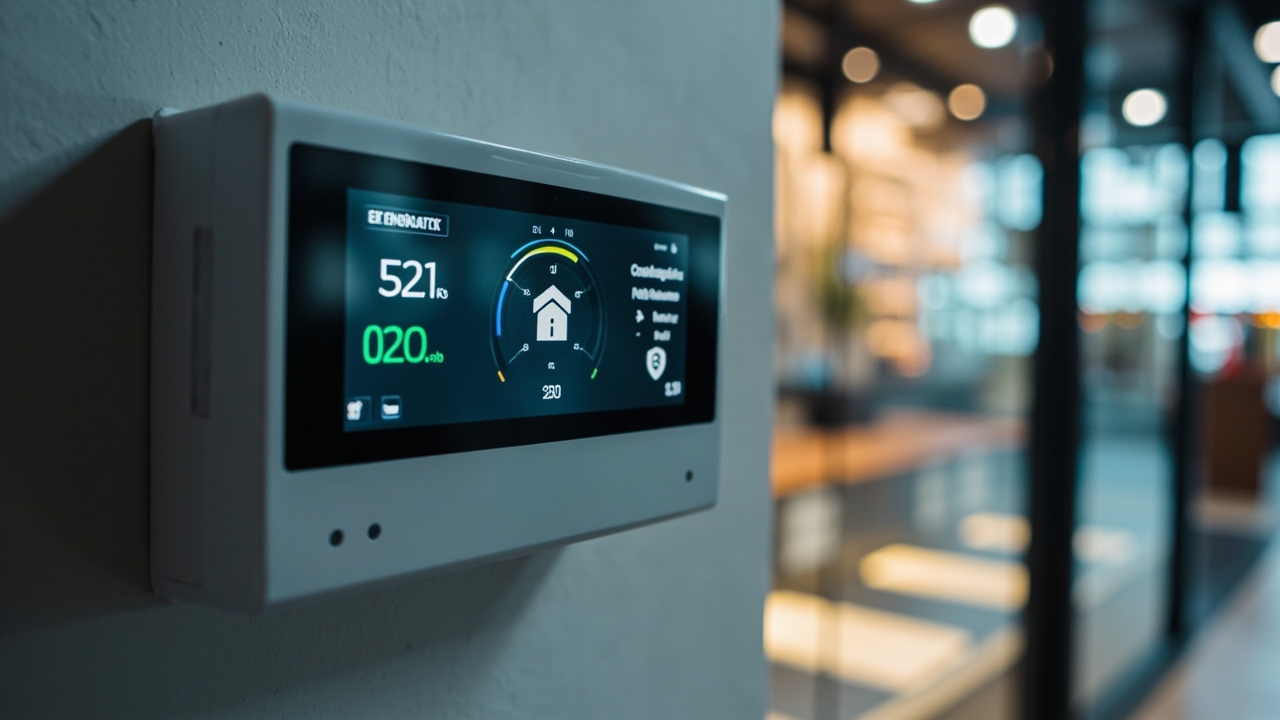
Technology in 2026 allows you to manage your HVAC system from your phone or a central building management system. Smart thermostats do more than just change the temperature. They provide data on energy usage and can alert you to a potential failure before the system actually stops working. For example, if the system detects that the compressor is drawing too much current, it sends an alert to your phone. This allows you to schedule a repair on a Tuesday morning rather than dealing with an emergency on a Saturday night when your South End shop is full of customers. These controls are standard in modern commercial installations and can be retrofitted to many existing systems.
When looking at advanced controls, it is helpful to see how similar technology is used in other local areas. Ballantyne AC repair experts who can get your home cool today often use similar diagnostic tools to identify residential issues. For a commercial space, this data is even more valuable because it helps you predict your monthly overhead and plan for future upgrades.
Energy Efficiency Standards and Rebates
Current federal and state standards for 2026 require higher efficiency ratings for all new commercial HVAC equipment. The Department of Energy has increased the minimum SEER2 and IEER ratings to reduce the strain on the electrical grid. While these units have a higher purchase price, they often qualify for rebates from local utility providers and federal tax credits. You should consult the Energy Star Commercial Buildings database to see which systems provide the best return for your specific square footage. Investing in a high efficiency system also improves your building’s overall value, which is important if you own your South End property. If you need help with a furnace in the winter, professional furnace repair in Huntersville that fits your family budget can provide insight into how heating efficiency impacts your total annual energy spend.
Adhering to Mecklenburg County Building Codes
Mechanical codes in Charlotte are strict regarding the installation of commercial equipment. You must ensure that your system meets the current ASHRAE standards for ventilation. This requires a specific amount of fresh air to be introduced into the building based on its occupancy limit. Failure to meet these codes can result in fines or delays in getting your business license. A qualified commercial HVAC contractor handles the permitting process and ensures that the ductwork and unit placement meet all local fire and safety regulations. In South End, this often involves coordinating with structural engineers to ensure the roof can handle the weight of a new RTU.
Addressing Humidity Challenges in South End
Charlotte is known for its oppressive humidity. For a business, high humidity is more than a comfort issue. It can cause mold growth behind walls and damage electronic equipment. Your commercial HVAC system should be equipped with a variable speed blower and a dehumidification cycle. This allows the system to remove moisture from the air even when it is not actively cooling the space. This is critical for businesses like art galleries or specialty grocers in South End where moisture control is a business requirement. A well designed system keeps the indoor relative humidity between 40 and 50 percent year round.
Choosing a Local Commercial Partner
Selecting the right HVAC system is the first step. The second step is choosing a partner who understands the pace of South End. You need a company that offers 24/7 emergency service and has a fleet of vehicles ready to respond to the 704 area code. Downtime in a commercial setting is expensive. A restaurant that is too hot loses customers in minutes. An office that is too cold sees a drop in productivity. Your HVAC provider should be an extension of your facility management team, providing proactive advice on how to extend the life of your equipment and when to start planning for a replacement.
By focusing on the specific needs of your building and the demands of the Charlotte climate, you can choose an HVAC system that provides a comfortable environment for years. Take the time to review your load calculations and consider the long term benefits of high efficiency technology. A strategic choice today ensures that your South End small business remains a staple of the community for a long time.
Contact us today to schedule a comprehensive assessment of your commercial HVAC needs. Our team can evaluate your current system and provide a detailed plan for an upgrade or a preventative maintenance program that fits your business goals.
{
“@context”: “https://schema.org”,
“@type”: “BlogPosting”,
“headline”: “Choosing the Right Commercial HVAC System for Your South End Small Business”,
“description”: “Learn how to select the best commercial HVAC system for your South End Charlotte business. Focus on ROI, local climate factors, and system efficiency.”,
“wordCount”: 1938,
“datePublished”: “2026-04-03T12:56:00.000Z”,
“dateModified”: “2026-04-03T12:56:00.000Z”,
“inLanguage”: “en-US”,
“mainEntityOfPage”: {
“@type”: “WebPage”,
“@id”: “https://keystonehvaccharlotte.com”
},
“publisher”: {
“@type”: “LocalBusiness”,
“name”: “Keystone HVAC Charlotte”,
“url”: “https://keystonehvaccharlotte.com”
},
“author”: {
“@type”: “Organization”,
“name”: “Keystone HVAC Charlotte”,
“url”: “https://keystonehvaccharlotte.com”
},
“image”: {
“@type”: “ImageObject”,
“url”: “https://keystonehvaccharlotte.com/wp-content/uploads/2026/03/how-to-choose-the-right-commercial-hvac-system-for-1.jpg”
}
}
{
“@context”: “https://schema.org”,
“@type”: “HVACBusiness”,
“name”: “Keystone HVAC Charlotte”,
“url”: “https://keystonehvaccharlotte.com”,
“address”: {
“@type”: “PostalAddress”,
“addressLocality”: “Charlotte”
},
“areaServed”: {
“@type”: “City”,
“name”: “Charlotte”
}
}
{
“@context”: “https://schema.org”,
“@type”: “BreadcrumbList”,
“itemListElement”: [
{
“@type”: “ListItem”,
“position”: 1,
“name”: “Home”,
“item”: “https://keystonehvaccharlotte.com”
},
{
“@type”: “ListItem”,
“position”: 2,
“name”: “Blog”,
“item”: “https://keystonehvaccharlotte.com/blog”
},
{
“@type”: “ListItem”,
“position”: 3,
“name”: “Choosing the Right Commercial HVAC System for Your South End Small Business”
}
]
}
{
“@context”: “https://schema.org”,
“@type”: “Service”,
“serviceType”: “HVAC”,
“provider”: {
“@type”: “LocalBusiness”,
“name”: “Keystone HVAC Charlotte”,
“url”: “https://keystonehvaccharlotte.com”
},
“areaServed”: {
“@type”: “City”,
“name”: “Charlotte”
},
“description”: “Learn how to select the best commercial HVAC system for your South End Charlotte business. Focus on ROI, local climate factors, and system efficiency.”
}