
Finding the quietest air conditioning units for Fourth Ward townhomes
Living in the Fourth Ward of Charlotte offers a unique urban experience where historic charm meets modern density. In 2026, the demand for comfort in these compact townhomes has never been higher. One common issue residents face involves the noise generated by outdoor HVAC units. In a neighborhood where brick walls are close together and outdoor patios are small, a loud air conditioner can ruin a quiet evening. Finding the quietest air conditioning units requires understanding specific technical ratings and how they interact with the tight spaces common in the Charlotte metro area.
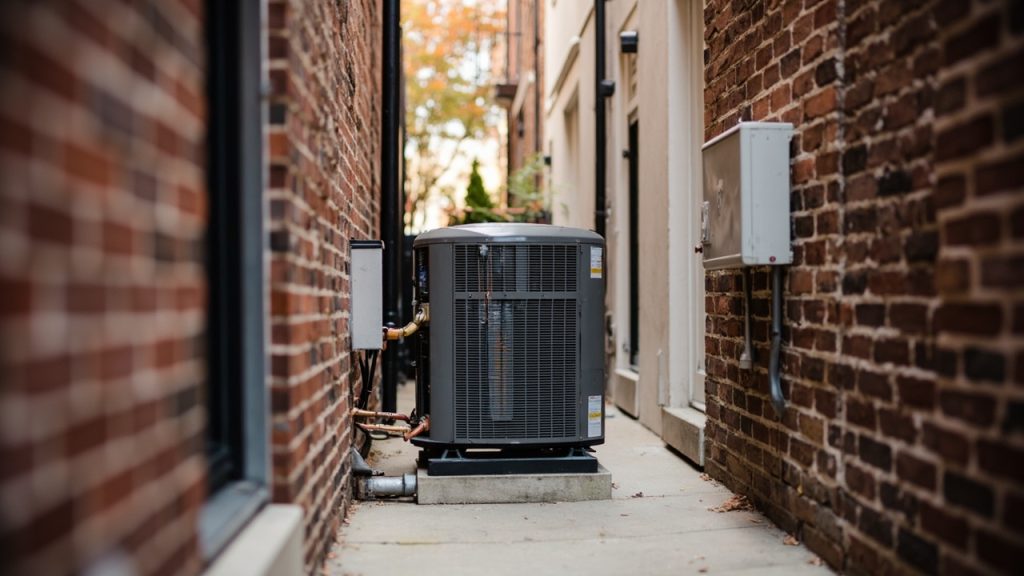
Fourth Ward homes often feature small courtyards or narrow side yards. When a standard air conditioner kicks on, the sound bounces off the hard surfaces of adjacent buildings. This creates an echo effect that makes the unit sound much louder than its actual rating. For homeowners who value peace, choosing a system with advanced sound dampening technology is essential. If you live in a dense area like this or near Dilworth, you know that quiet operation is just as important as cooling power.

Understanding Decibel Ratings for Urban Cooling
The standard measurement for sound is the decibel. Most traditional air conditioners operate at levels between 72 and 76 decibels. In a sprawling suburban lot in Ballantyne, this might not be a problem. However, in the Fourth Ward, those 76 decibels feel significantly more intrusive. The quietest air conditioning units available in 2026 operate at levels as low as 50 to 60 decibels. For context, a normal conversation usually happens at about 60 decibels.
When you compare noise levels, it is helpful to look at the logarithmic nature of the decibel scale. A 10 decibel increase represents a sound that is ten times more intense. This means a unit rated at 70 decibels is significantly louder than one rated at 60. For Fourth Ward residents, aiming for a unit under 65 decibels should be the primary goal. This ensures that your cooling system does not disrupt your neighbors or your own sleep.
Sound Level Comparison for Popular HVAC Configurations
| Unit Type | Average Sound Level (dB) | Impact on Urban Patios |
|---|---|---|
| Standard Single-Stage AC | 74-79 dB | High disruption and loud humming |
| Two-Stage Mid-Range AC | 68-73 dB | Noticeable but manageable |
| Variable-Speed Inverter AC | 54-62 dB | Whisper quiet and ideal for townhomes |
| Side-Discharge Compact AC | 50-58 dB | Virtually silent in tight spaces |
The Importance of Variable Speed Technology
The most significant advancement in quiet cooling technology involves the variable speed compressor. Older units operate like a light switch. They are either 100 percent on or 100 percent off. The loudest part of the cycle is the start up. This often comes with a loud thud or vibration. Variable speed units work more like a dimmer switch. They ramp up slowly and run at lower speeds for longer periods. This eliminates the harsh start and stop sounds that characterize older systems.
In the humid climate of Charlotte, variable speed units also provide better moisture control. By running at lower speeds, the system can remove more humidity from the air without overcooling the home. This is vital for maintaining comfort in compact townhomes where humidity can feel trapped. If you are currently dealing with a system that is both loud and inefficient, you might find that handling a broken air conditioner involves upgrading to this newer technology rather than just repairing the old one.
Variable speed systems also use inverter technology to manage power consumption. This keeps the outdoor fan motor and compressor running at the lowest necessary speed to meet the cooling demand. When the system operates at 30 percent capacity on a mild Charlotte afternoon, it is nearly impossible to hear it from five feet away. This is the gold standard for Fourth Ward residents who want to enjoy their outdoor spaces.
Compact Footprints and Side Discharge Units
Many townhomes in the Fourth Ward have very limited space for outdoor equipment. Standard cube-style air conditioners require significant clearance for airflow. If you tuck a standard unit into a tight corner, the air cannot circulate properly. This leads to higher pressure, more vibration, and increased noise. Side discharge units have become a popular solution for these specific architectural challenges in 2026.
A side discharge unit is thin and stands upright against a wall. Instead of blowing air out of the top, it pushes air out from the side. This allows the unit to be installed in narrow alleys or behind landscaping where a traditional unit would fail. Because these units are designed for tight spaces, manufacturers like Carrier and Trane often include extra sound insulation. These models frequently rank as the quietest air conditioning units on the market today. Residents in Matthews and other surrounding areas are also moving toward these compact designs for their aesthetic and acoustic benefits.
Top Models for Quiet Urban Operation
- Lennox Signature Series SL28XCV with noise levels as low as 56 dB
- Carrier Infinity 26 Air Conditioner featuring Silencer System II technology
- Trane XV20i TruComfort Variable Speed unit with integrated sound insulators
- Daikin Fit systems designed for side discharge in narrow walkways
- Rheem Prestige Variable Speed systems with composite base pans to reduce vibration
Technical Features That Reduce Noise
Beyond the compressor, several other components contribute to the noise level of an HVAC system. High-end units in 2026 utilize aerodynamic fan blades. These blades are shaped like the wings of a bird or a high-performance aircraft to move air with minimal turbulence. Less turbulence means less whooshing sound from the outdoor fan. This is a subtle detail that makes a massive difference when the unit sits right outside a bedroom window.
Another critical feature is the sound blanket. This is a heavy, insulated wrap that goes around the compressor. It acts as a muffler for the mechanical sounds of the system. While some older units used simple foam wraps, modern sound blankets are made of high-density composite materials. These materials are specifically tuned to absorb the frequencies typically generated by an HVAC compressor. According to the Air-Conditioning, Heating, and Refrigeration Institute, these specialized components are essential for meeting current noise standards in residential areas.
Base pans also play a role in sound management. Metal base pans can vibrate and rattle over time. Many of the quietest air conditioning units now use composite or plastic base pans. These materials do not corrode and they naturally dampen vibrations. When paired with rubber isolation pads during installation, the mechanical hum of the system is almost completely isolated from the ground or the home’s structure.
The Role of Proper Installation in Sound Management
Even the quietest air conditioning units will be loud if they are installed incorrectly. Proper sizing is the first step. An oversized unit will cycle on and off frequently. This constant starting and stopping creates more noise than a correctly sized unit that runs steadily. Expert technicians in Charlotte take detailed measurements of the home to ensure the unit matches the specific cooling load of the Fourth Ward townhome. If you are looking for service that fits your budget, remember that correct sizing also saves money on energy bills over time.
The physical placement of the unit is another factor. Avoid placing units directly under windows or near vents if possible. In the Fourth Ward, you might have limited options, but a professional can use deflectors to steer sound away from living areas. They can also ensure the unit is perfectly level. An unlevel unit causes the refrigerant to pool and creates unnecessary strain on the compressor, which leads to a louder operation and potential mechanical failure.

Performance Metrics for Quiet Cooling Systems
| Feature | Standard AC Benefit | Premium Quiet AC Benefit |
|---|---|---|
| Compressor Type | Single-Stage (Loud Start) | Inverter-Driven (Silent Start) |
| Fan Blade Design | Flat Metal (High Turbulence) | Aerodynamic Composite (Low Noise) |
| Cabinet Insulation | Minimal or None | Multi-Layer Sound Blankets |
| SEER2 Rating | 13.4 to 15 | 20 to 25+ |
Ductwork Considerations for Interior Noise
Noise issues are not limited to the outdoor unit. In many Fourth Ward townhomes, the air handler is located in a closet or a small utility room near the main living space. If the ductwork is too small for the volume of air being moved, it will create a whistling or rushing sound. This is often referred to as static pressure noise. A quiet indoor environment requires a balance between air velocity and duct capacity.
Upgrading to a variable speed indoor blower motor can solve this problem. Just like the outdoor compressor, the indoor motor can run at lower speeds. This moves air more gently through the vents. This eliminates the sudden blast of air that often occurs when a traditional furnace or air handler turns on. This technology is a standard recommendation for any high-quality installation in 2026. For more information on efficiency standards, you can visit the U.S. Department of Energy resources on central air systems.
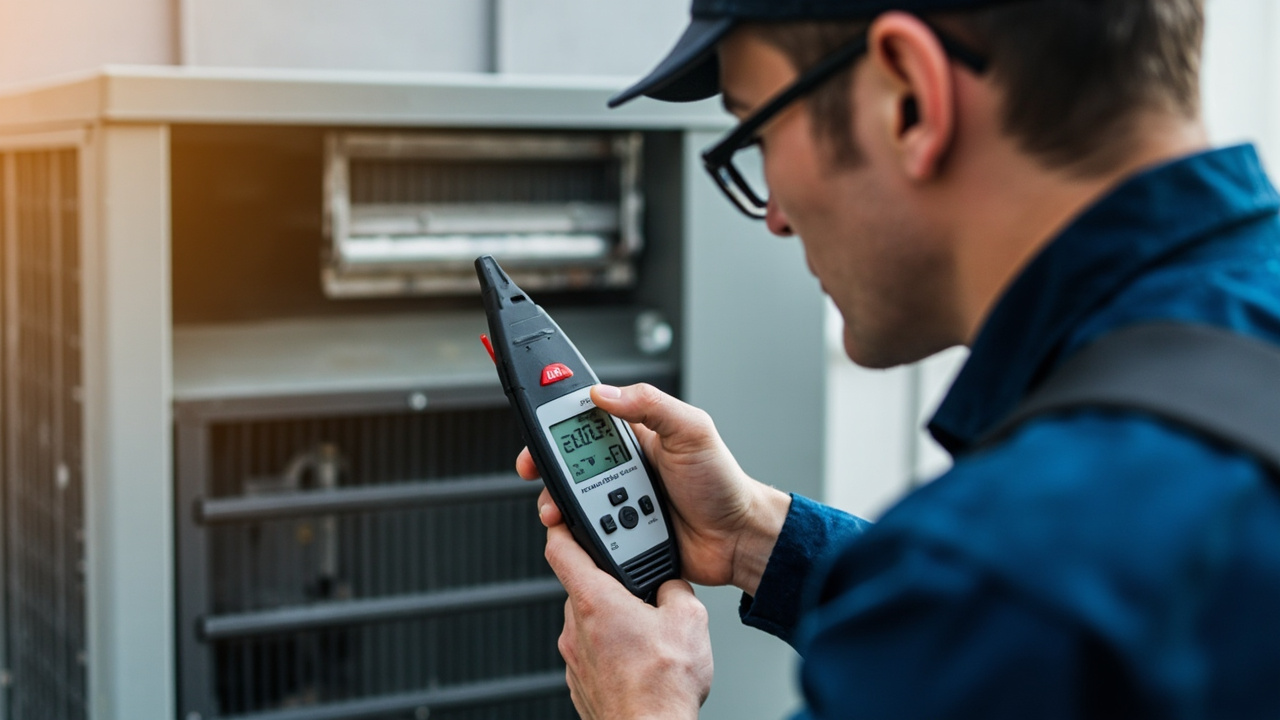
Maintenance also plays a vital role in keeping a system quiet. Dust and debris on the fan blades can throw the system out of balance. This causes the motor to vibrate and create noise. Regular cleaning and inspections ensure that every component is running as smoothly as possible. In the dusty urban environment of Charlotte, where pollen and city debris are common, annual maintenance is non-negotiable for those who want a silent home.
Choosing the Right Partner for Your Fourth Ward Home
Selecting the right equipment is only half the battle. You need a team that understands the specific nuances of Charlotte neighborhoods. The Fourth Ward has historic requirements and zoning rules that can impact how and where you install your HVAC system. A local expert will know how to navigate these challenges while prioritizing your need for a quiet home. Whether you are in the heart of Uptown or in a quiet corner of the city, the goal remains the same. You want a home that stays cool without the constant drone of a loud air conditioner.
By investing in the quietest air conditioning units available in 2026, you are not just buying a machine. You are buying the ability to enjoy your patio, sleep better, and maintain good relationships with your neighbors. The combination of variable speed technology, side discharge designs, and professional installation creates a level of comfort that was not possible in previous years. Take the time to evaluate your options and choose a system that meets the unique demands of urban living in North Carolina.
If you are ready to experience the difference that a high-efficiency, low-noise system can make, contact a local professional today. We can provide a detailed sound analysis of your current system and help you find the perfect upgrade for your specific Fourth Ward townhome layout. Your peace and quiet are worth the investment.
{
“@context”: “https://schema.org”,
“@type”: “BlogPosting”,
“headline”: “Finding the quietest air conditioning units for Fourth Ward townhomes”,
“description”: “Discover the quietest air conditioning units for compact Fourth Ward townhomes. Expert advice on low decibel HVAC systems for Charlotte urban living in 2026.”,
“wordCount”: 1797,
“datePublished”: “2026-04-01T04:49:00.000Z”,
“dateModified”: “2026-04-01T04:49:00.000Z”,
“inLanguage”: “en-US”,
“mainEntityOfPage”: {
“@type”: “WebPage”,
“@id”: “https://keystonehvaccharlotte.com”
},
“publisher”: {
“@type”: “LocalBusiness”,
“name”: “Keystone HVAC Charlotte”,
“url”: “https://keystonehvaccharlotte.com”
},
“author”: {
“@type”: “Organization”,
“name”: “Keystone HVAC Charlotte”,
“url”: “https://keystonehvaccharlotte.com”
},
“image”: {
“@type”: “ImageObject”,
“url”: “https://keystonehvaccharlotte.com/wp-content/uploads/2026/03/finding-the-quietest-hvac-options-for-compact-four-1.jpg”
}
}
{
“@context”: “https://schema.org”,
“@type”: “HVACBusiness”,
“name”: “Keystone HVAC Charlotte”,
“url”: “https://keystonehvaccharlotte.com”,
“address”: {
“@type”: “PostalAddress”,
“addressLocality”: “Charlotte”
},
“areaServed”: {
“@type”: “City”,
“name”: “Charlotte”
}
}
{
“@context”: “https://schema.org”,
“@type”: “BreadcrumbList”,
“itemListElement”: [
{
“@type”: “ListItem”,
“position”: 1,
“name”: “Home”,
“item”: “https://keystonehvaccharlotte.com”
},
{
“@type”: “ListItem”,
“position”: 2,
“name”: “Blog”,
“item”: “https://keystonehvaccharlotte.com/blog”
},
{
“@type”: “ListItem”,
“position”: 3,
“name”: “Finding the quietest air conditioning units for Fourth Ward townhomes”
}
]
}
{
“@context”: “https://schema.org”,
“@type”: “Service”,
“serviceType”: “HVAC”,
“provider”: {
“@type”: “LocalBusiness”,
“name”: “Keystone HVAC Charlotte”,
“url”: “https://keystonehvaccharlotte.com”
},
“areaServed”: {
“@type”: “City”,
“name”: “Charlotte”
},
“description”: “Discover the quietest air conditioning units for compact Fourth Ward townhomes. Expert advice on low decibel HVAC systems for Charlotte urban living in 2026.”
}