
Why water is pooling around your furnace in NoDa and what to check first
Finding a puddle of water around your furnace can trigger immediate concern for any homeowner in the NoDa neighborhood. This part of Charlotte is known for its beautiful mix of historic mill houses and modern industrial condos. Each type of home presents unique challenges for HVAC systems during the 2026 winter season. Water pooling around your heating unit usually indicates a problem with the condensation process or a secondary component like a humidifier. Before you worry about a total system replacement, you need to understand exactly what type of furnace you have and why it creates liquid in the first place.
If you see standing water, your first move is safety. Turn off the power switch located on the side of the furnace or at your breaker panel. If you have a gas unit, you might also want to shut off the gas valve as a precaution. Water and electrical components do not mix well. Once the area is safe, you can start investigating the source of the leak. In NoDa homes, many furnaces are tucked away in tight closets or crawlspaces where humidity levels stay high. This local moisture often contributes to drainage issues that lead to the puddles you see on your floor.
Identifying Your Furnace Type to Determine the Leak Source
The first step in troubleshooting is knowing if you have a high efficiency furnace or a conventional one. This distinction changes everything about why water is present. High efficiency units, also known as condensing furnaces, have an Annual Fuel Utilization Efficiency rating of 90 percent or higher. These systems are designed to extract as much heat as possible from the fuel. In this process, the flue gases cool down until they turn into liquid. This liquid must be drained away from your home through a dedicated pipe system.
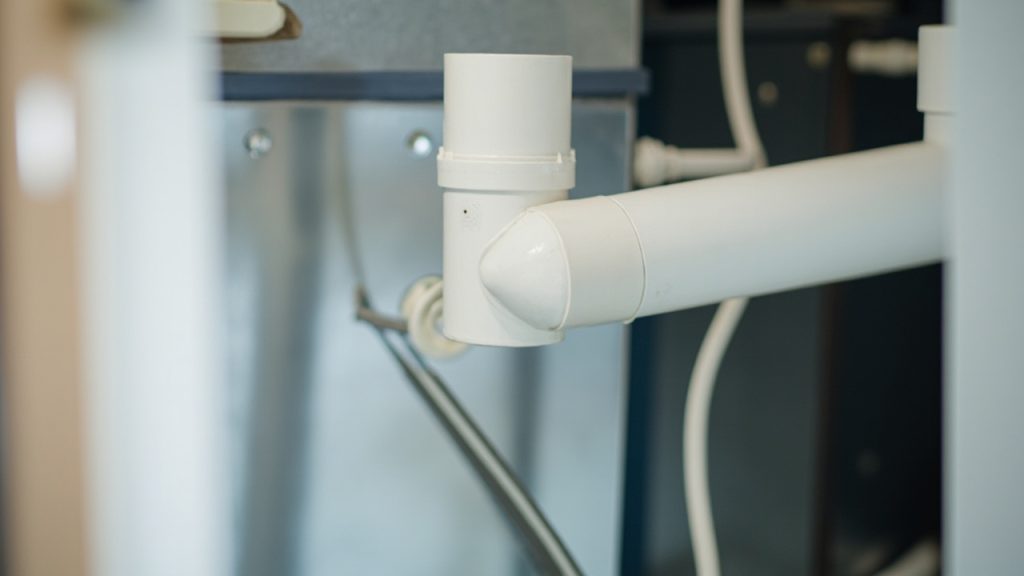
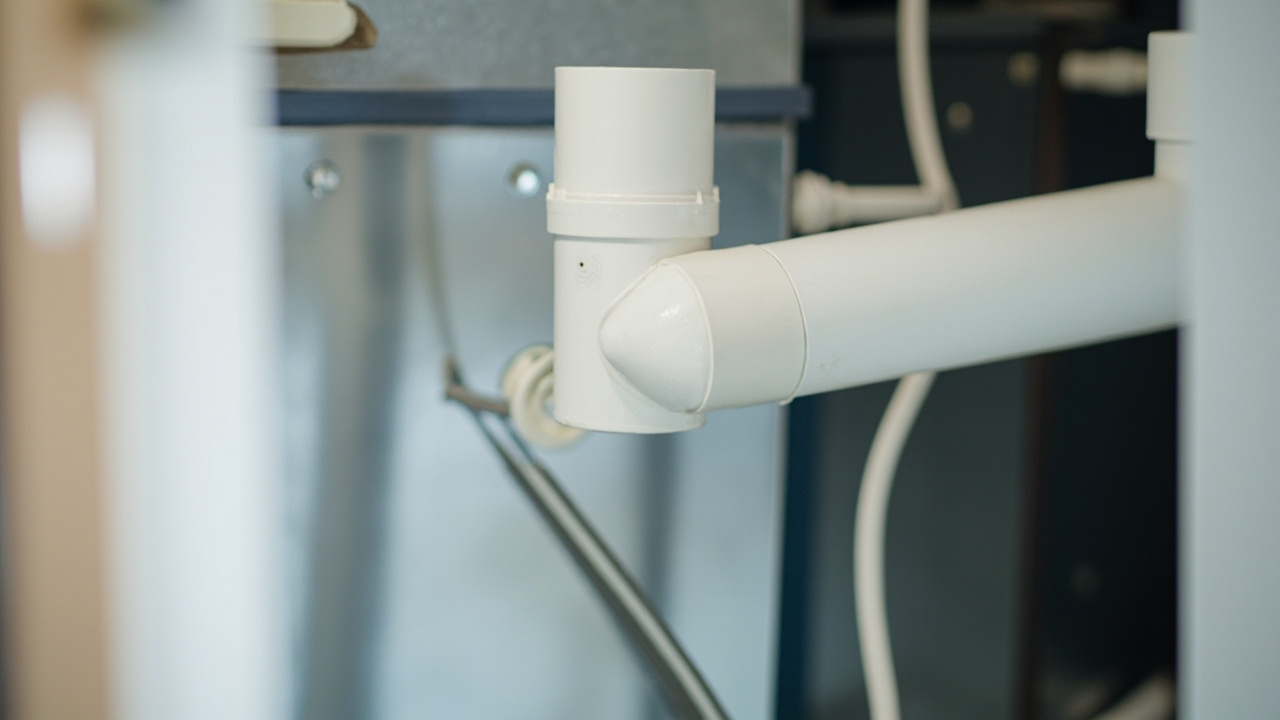
You can tell if you have a high efficiency unit by looking at the vent pipe. If you see white or gray plastic PVC pipes coming out of the top or side of your furnace, you have a condensing unit. These systems produce several gallons of water every day during heavy use in the Charlotte winter. If you see a metal vent pipe, you have a conventional furnace. Conventional units should never produce water during the heating cycle. If a conventional furnace is leaking, the water is likely coming from an attached humidifier or your air conditioning coil. Many Dilworth homeowners trust our heating and cooling services because we help them identify these differences quickly before small leaks become major floor damage.
High Efficiency vs Conventional Furnace Drainage Comparison
| System Feature | High Efficiency Furnace | Conventional Furnace |
|---|---|---|
| Vent Material | PVC or Plastic Pipe | Metal Flue Pipe |
| Normal Condensation | Expected during operation | Never expected |
| Drain Line Required | Yes for furnace and AC | Yes for AC only |
| Common Leak Point | Condensate trap or PVC joints | Humidifier or AC coil |
| Average AFUE Rating | 90 to 98 percent | 80 percent |
Common Reasons for Water Leaks in High Efficiency Furnaces
The most frequent cause of water pooling around a modern furnace in NoDa is a clogged condensate drain line. As the furnace runs, dust and debris can mix with the water in the drain pan. Over time, this creates a sludge that blocks the flow of water. When the water cannot exit through the PVC pipe, it backs up into the furnace cabinet and eventually spills out onto your floor. This is especially common in the 2026 season as we see more high efficiency upgrades in older Charlotte neighborhoods.
Another common culprit is a cracked or leaking condensate trap. This trap is a small plastic component inside the furnace that holds a bit of water to prevent exhaust gases from entering your home. If the plastic cracks due to age or improper installation, water will drip steadily whenever the heat is running. You should also check the PVC flue pipes themselves. If the installer did not slope the pipes correctly or if the glue joints have failed, water can leak out of the exhaust system before it ever reaches the drain. This often happens in the renovated attics of NoDa homes where space for proper pipe sloping is limited.
The Role of the Condensate Pump
Many homes in the Charlotte metro area have furnaces located in basements or crawlspaces that are lower than the main sewer line. In these cases, your HVAC system uses a condensate pump to push the water up and out of the house. This pump is a small plastic reservoir with a float switch inside. When the water reaches a certain level, the pump should turn on and move the liquid to a nearby drain or outside the home. If the pump motor fails or the float gets stuck, the reservoir will overflow, leading to a large puddle around the base of your unit.
You can test the pump by carefully pouring a little water into the reservoir. If the motor does not kick on, the pump is likely dead. Some pumps also have a safety switch that will shut down the furnace if the water levels get too high. If your furnace has stopped working and you see water, this safety feature might have saved you from a flooded basement. Residents looking for professional furnace repair in Huntersville that fits your family budget often find that a simple pump replacement is all they need to get back to comfort.
Leaking Humidifiers and Their Impact on Your Furnace
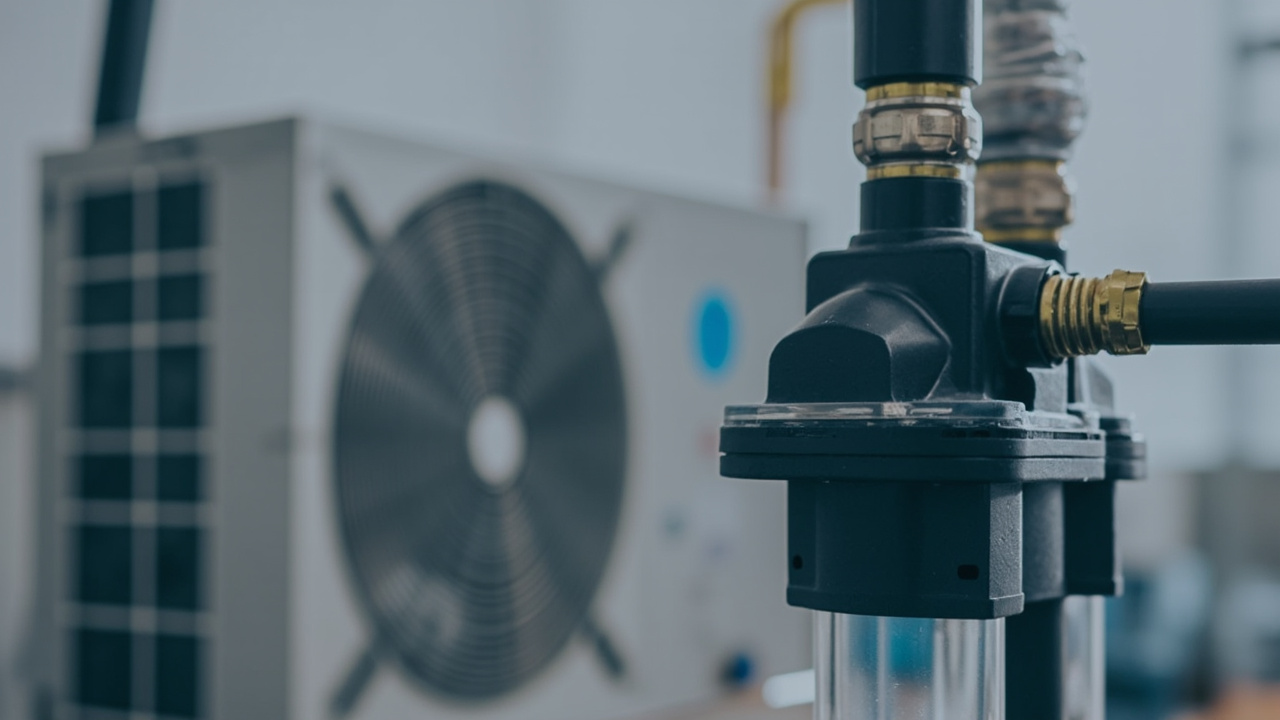
Many Charlotte homeowners choose to add a whole home humidifier to their HVAC system to combat the dry air of the 2026 winter. These units are usually mounted directly on the furnace or the return air duct. A humidifier requires a constant supply of water to moisten a pad or filter. If the water feed line leaks, or if the internal drain of the humidifier becomes clogged, water will run down the side of your furnace and pool at the bottom. This water can even enter the furnace cabinet and damage sensitive electrical components or the blower motor.
Check the humidifier pad for scale buildup or mineral deposits. In Mecklenburg County, the water can sometimes lead to heavy mineral accumulation that blocks the drain opening of the humidifier. If you see white, crusty buildup around your humidifier, it is time for a maintenance visit. We often see this when providing finding the best air conditioning installation experts in Matthews North Carolina as we look at the entire home comfort system. Regular maintenance prevents these small water issues from turning into expensive equipment failures.
Secondary Heat Exchanger Issues in Older High Efficiency Units
One of the most serious causes of water pooling is a failing secondary heat exchanger. This is the component in a high efficiency furnace where the final stage of heat transfer happens and where condensation is most active. In some older high efficiency models, the materials used for this part can degrade, leading to cracks or pinhole leaks. If the secondary heat exchanger is leaking, you will often see water inside the burner compartment or dripping from the bottom of the furnace chassis. This is a technical repair that requires a certified technician to diagnose and fix. According to the Air Conditioning Contractors of America, heat exchanger integrity is vital for both system efficiency and home safety.
Furnace Leak Urgency and Action Levels
| Leak Symptom | Likely Cause | Urgency Level | Action Needed |
|---|---|---|---|
| Slow drip near PVC | Loose joint or fitting | Medium | Tighten or reglue joint |
| Steady flow from pump | Pump motor failure | High | Replace condensate pump |
| Water inside burners | Heat exchanger leak | Critical | Shut down and call expert |
| Rusty drain pan | AC coil clog | Low | Clean drain and pan |
| Water from ductwork | Frozen evaporator coil | High | Thaw system and check filter |
Air Conditioning Problems and Winter Furnace Leaks
It might seem strange to think about your air conditioner during a cold Charlotte month, but the evaporator coil is often located directly above or below your furnace. If your system was running in cooling mode during a random warm spell in the 2026 shoulder season, the coil could have produced condensation. If the primary drain pan for the AC is cracked or the drain line is clogged, that water will leak into the furnace. Even if the AC is not running, a clog in the main drain line that serves both the furnace and the AC can cause water to back up from one into the other. This is why Ballantyne AC repair experts who can get your home cool today also focus on checking the drainage integrity of the entire HVAC stack.
Steps to Troubleshooting the Water at Home
If you feel comfortable performing basic checks, you can follow this process to narrow down the source of the leak before calling for help. Always remember to keep the power off while you are touching any internal parts of the furnace.
- Check the air filter. A very dirty filter can cause the system to overheat or cause the AC coil to freeze, leading to water when it thaws.
- Inspect the condensate pump. Look for any signs of overflow and ensure it is plugged in and receiving power.
- Look at the PVC drain lines. Follow them from the furnace to where they exit the home. Look for any loose connections or wet spots on the pipes.
- Examine the humidifier. Turn off the water supply to the humidifier to see if the leak stops. This is a quick way to isolate the problem.
- Check the floor slope. Sometimes water from a different source, like a water heater or a plumbing pipe, can run across the floor and pool near the furnace due to a slope in your foundation.
If you find that the leak is coming from inside the furnace cabinet, it is time to call in a professional. Opening the cabinet can expose you to high voltage and delicate gas components. For those who need help, the best way to handle a broken air conditioner in Myers Park is often the same way you should handle a leaking furnace, which is by trusting a local expert with the right diagnostic tools. For more information on furnace efficiency standards, you can visit the Department of Energy guide on furnaces.
Preventing Future Water Leaks in Your Charlotte HVAC System
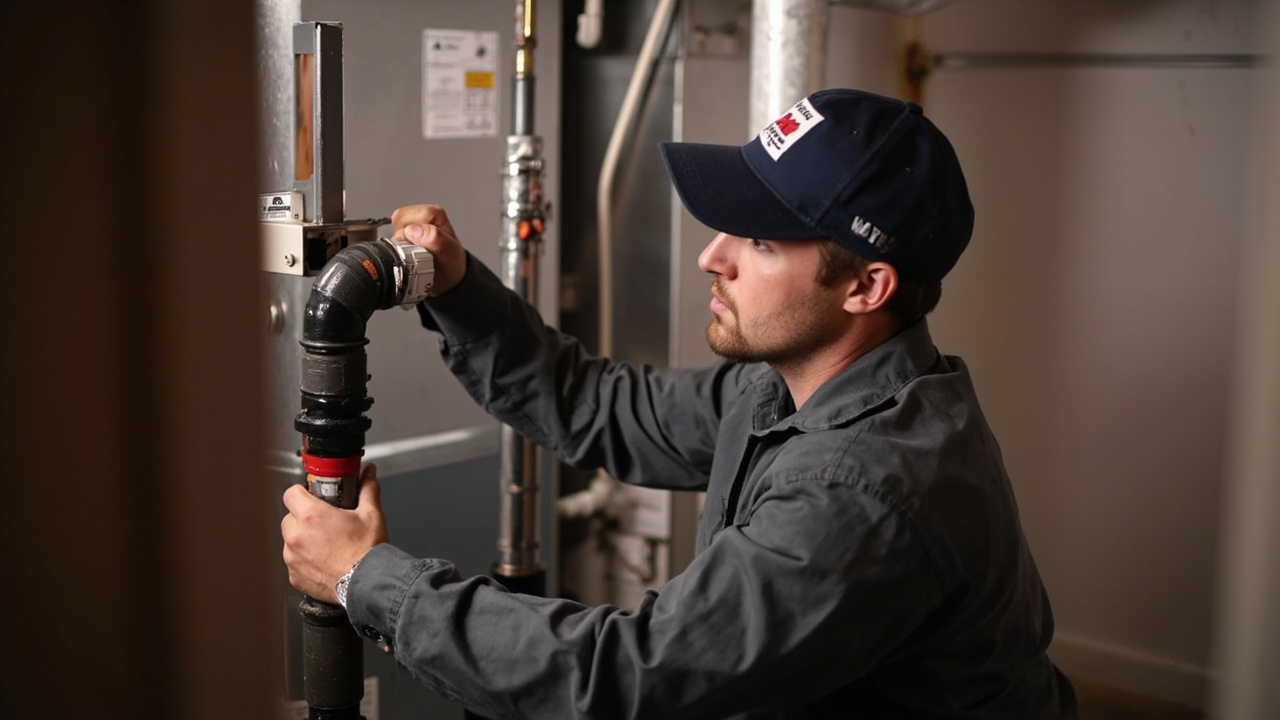
Maintenance is the only way to ensure your furnace stays dry throughout the 2026 winter and into the future. A professional tune up should always include a thorough cleaning of the condensate trap and a flush of the drain lines. Technicians use specialized tools to blow out any algae or sediment that has built up over the year. We also check the condition of the condensate pump and test the float switch to make sure it will operate when you need it most. In NoDa, where many residents lead busy lives in the arts and tech sectors, having a reliable HVAC system is essential for peace of mind. Taking care of these small drainage components now will save you from the stress of a water damaged floor or a furnace that quits on the coldest night of the year.
Ignoring water around your furnace can lead to mold growth in your crawlspace or damage to your home foundation over time. In the Charlotte climate, moisture control is a year round battle. By keeping your furnace drainage system in top shape, you protect your investment and your family comfort. If you notice even a small amount of moisture, address it today to keep your NoDa home warm and dry.
{
“@context”: “https://schema.org”,
“@type”: “BlogPosting”,
“headline”: “Why water is pooling around your furnace in NoDa and what to check first”,
“description”: “Discover why your furnace is leaking water in Charlotte. This guide covers NoDa specific HVAC issues and helps you troubleshoot pooling water in 2026.”,
“wordCount”: 1938,
“datePublished”: “2026-02-16T13:42:00.000Z”,
“dateModified”: “2026-02-16T13:42:00.000Z”,
“inLanguage”: “en-US”,
“mainEntityOfPage”: {
“@type”: “WebPage”,
“@id”: “https://keystonehvaccharlotte.com”
},
“publisher”: {
“@type”: “LocalBusiness”,
“name”: “Keystone HVAC Charlotte”,
“url”: “https://keystonehvaccharlotte.com”
},
“author”: {
“@type”: “Organization”,
“name”: “Keystone HVAC Charlotte”,
“url”: “https://keystonehvaccharlotte.com”
},
“image”: {
“@type”: “ImageObject”,
“url”: “https://keystonehvaccharlotte.com/wp-content/uploads/2026/03/why-water-is-pooling-around-your-furnace-in-noda-a-1.jpg”
}
}
{
“@context”: “https://schema.org”,
“@type”: “HVACBusiness”,
“name”: “Keystone HVAC Charlotte”,
“url”: “https://keystonehvaccharlotte.com”,
“address”: {
“@type”: “PostalAddress”,
“addressLocality”: “Charlotte”
},
“areaServed”: {
“@type”: “City”,
“name”: “Charlotte”
}
}
{
“@context”: “https://schema.org”,
“@type”: “BreadcrumbList”,
“itemListElement”: [
{
“@type”: “ListItem”,
“position”: 1,
“name”: “Home”,
“item”: “https://keystonehvaccharlotte.com”
},
{
“@type”: “ListItem”,
“position”: 2,
“name”: “Blog”,
“item”: “https://keystonehvaccharlotte.com/blog”
},
{
“@type”: “ListItem”,
“position”: 3,
“name”: “Why water is pooling around your furnace in NoDa and what to check first”
}
]
}
{
“@context”: “https://schema.org”,
“@type”: “Service”,
“serviceType”: “HVAC”,
“provider”: {
“@type”: “LocalBusiness”,
“name”: “Keystone HVAC Charlotte”,
“url”: “https://keystonehvaccharlotte.com”
},
“areaServed”: {
“@type”: “City”,
“name”: “Charlotte”
},
“description”: “Discover why your furnace is leaking water in Charlotte. This guide covers NoDa specific HVAC issues and helps you troubleshoot pooling water in 2026.”
}